Love
"Drowning in 3D desire."
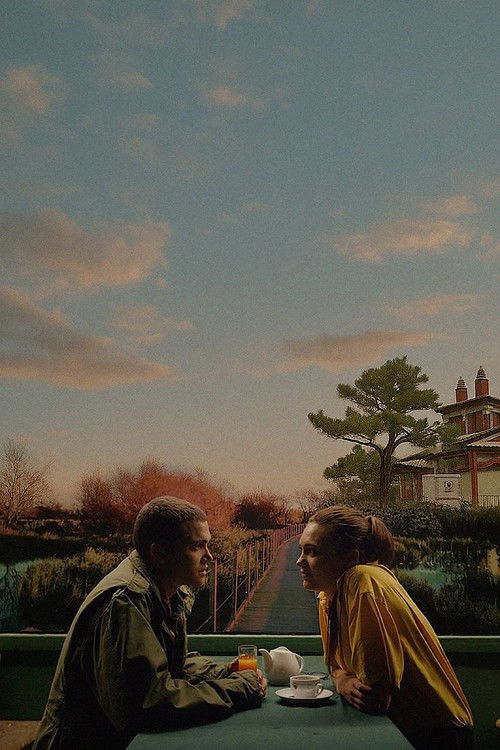
If you ever find yourself sitting in a dark room wearing plastic 3D glasses, prepared to watch a two-hour-plus French drama about a toxic breakup, you’ve either lost a very specific bet or you’ve succumbed to the siren song of Gaspar Noé. Released in 2015, Love was the ultimate "did you hear about this?" movie of the mid-2010s. It arrived during that strange cultural pocket where streaming was starting to eat the world, but directors like Noé were still fighting to make "theatrical events" out of things that were, frankly, quite difficult to watch in a public setting without feeling like you needed a shower afterward. I watched this for the first time on a laptop while eating a bowl of lukewarm Cap’n Crunch, and I have never felt more like a total degenerate.
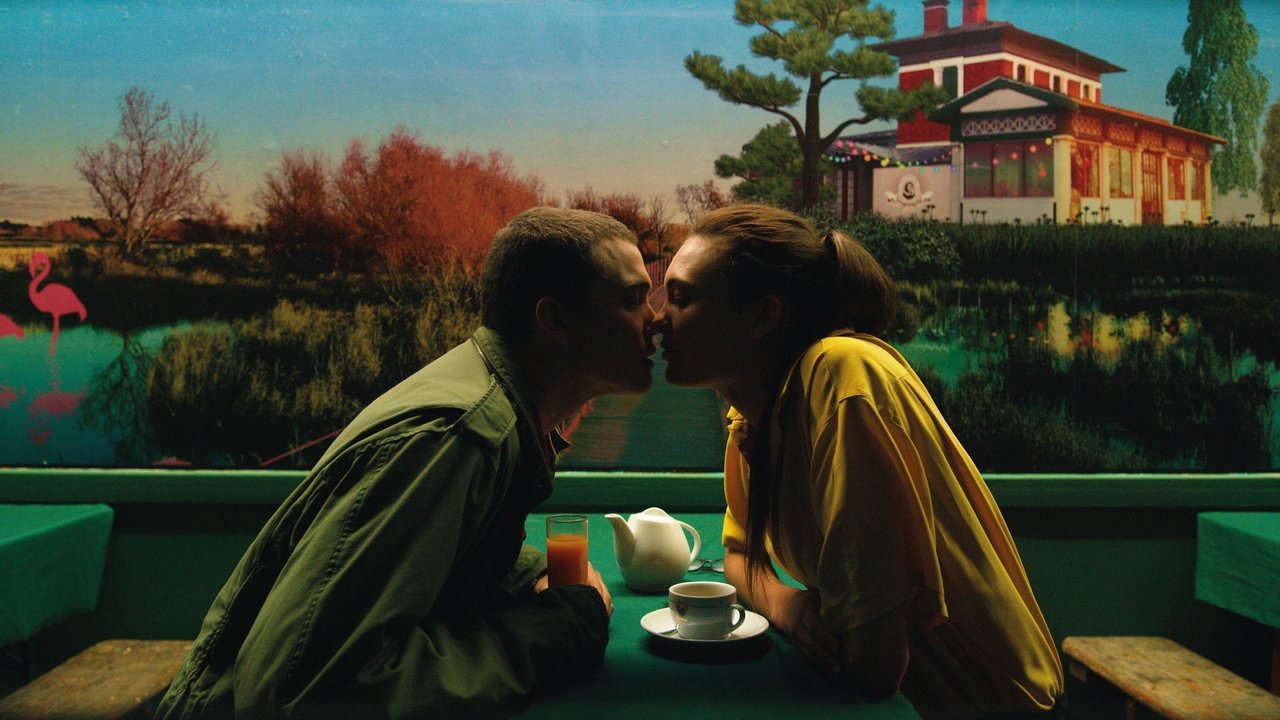
A 3D Mess of the Heart
The story centers on Murphy, played by Karl Glusman (Nocturnal Animals, The Bikeriders), an American film student in Paris who wakes up to a frantic voicemail. His ex-girlfriend, Electra (Aomi Muyock), has gone missing. This triggers a drug-and-sex-fueled trip down memory lane, as Murphy reflects on their volatile relationship and the moment it all went south: the decision to invite their blonde neighbor, Omi (Klara Kristin), into their bed.
Murphy is, to put it bluntly, a colossal jerk. He’s the kind of guy who talks about "cinema" with a capital C while treating the women in his life like disposable props for his own artistic ego. Gaspar Noé is essentially the cinematic equivalent of a guy who shouts at you in a bar about his ex for two hours, and yet, there’s something undeniably honest about how pathetic Murphy is. He’s not a hero; he’s a cautionary tale about what happens when you mistake obsession for intimacy. The 3D gimmick—which famously includes a certain "money shot" aimed directly at the audience—feels like Noé’s way of poking us in the eye for being voyeurs. It’s a very 2015 move: using cutting-edge tech not for a Marvel spectacle, but to make a bedroom argument feel uncomfortably close.
The Benoît Debie Glow-Up
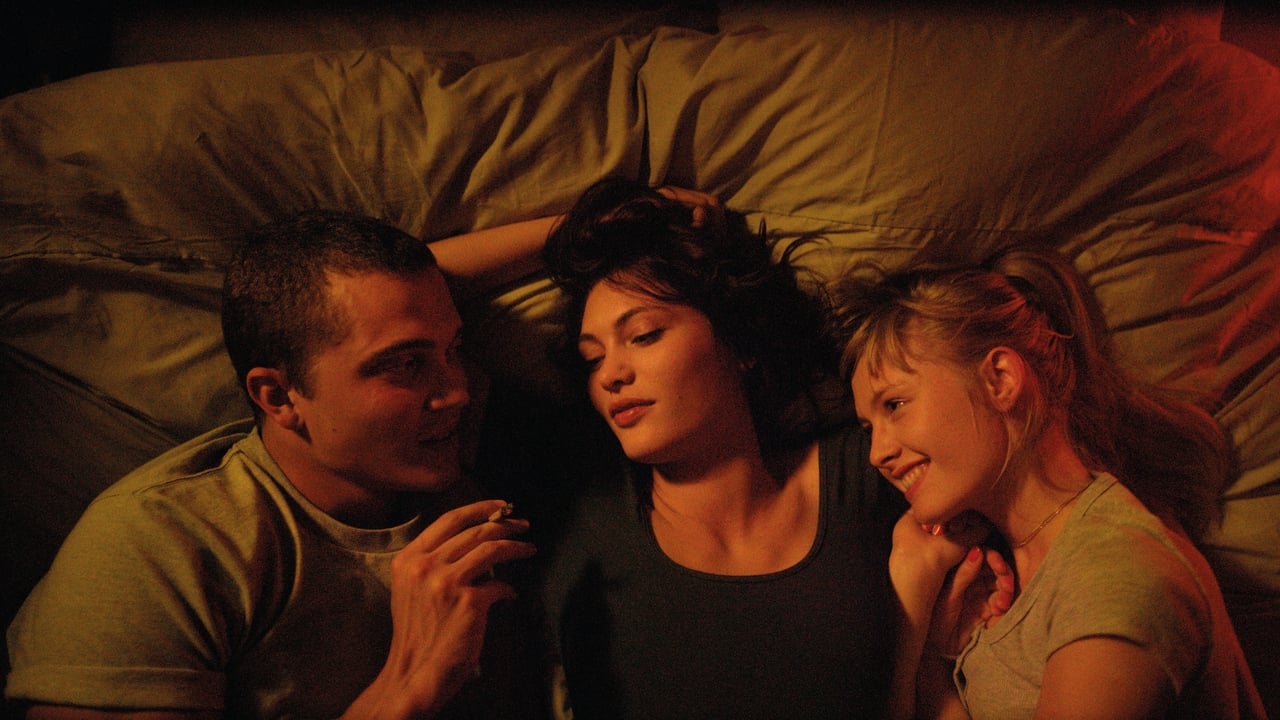
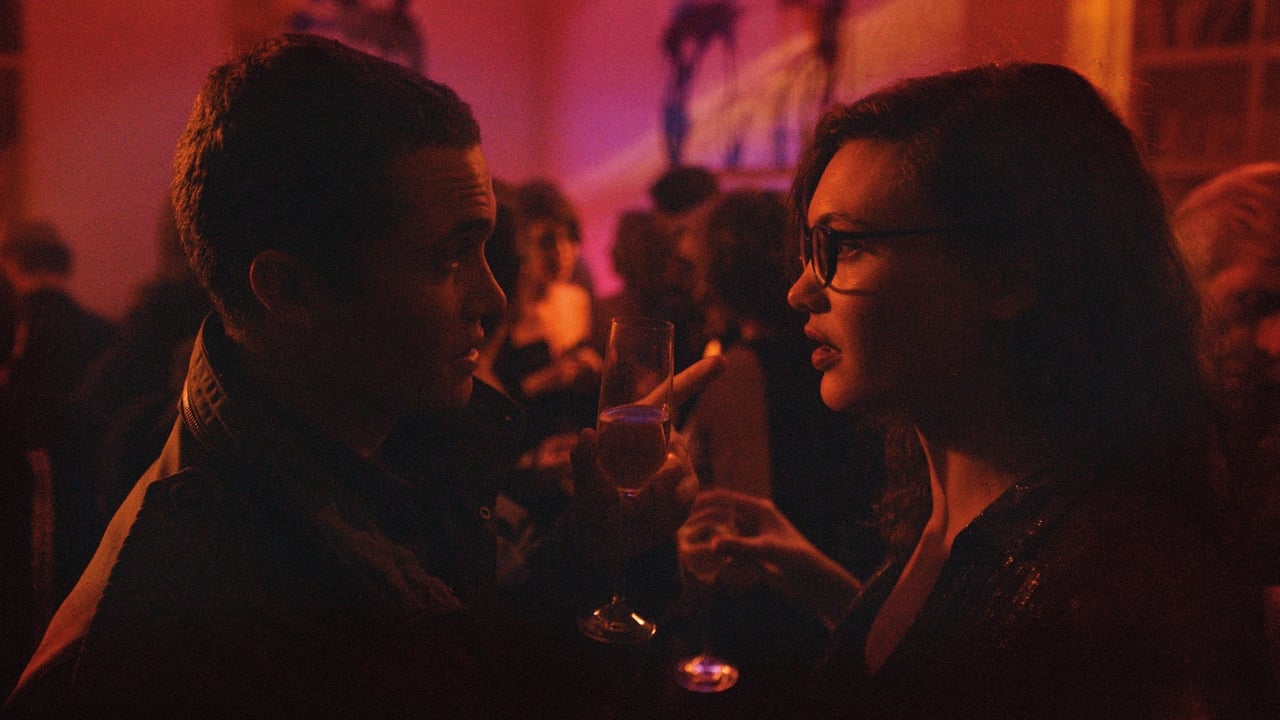
If there is a reason to watch Love beyond the prurient curiosity, it is the cinematography. Benoît Debie (Spring Breakers, Enter the Void) is a wizard. The film is bathed in deep, honeyed ambers and bruised crimsons. Even when the characters are doing things that make you want to look away, the frames are so lush you can’t help but stare. The lighting makes every apartment look like a sanctuary and every nightclub look like a neon-lit circles of hell.
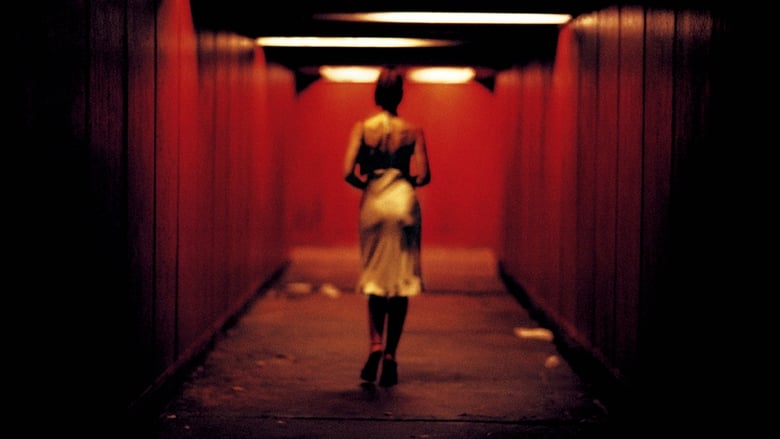
The film lacks the frantic, nauseating camera work of Noé’s earlier film Irreversible, opting instead for long, static takes that force you to sit with the awkwardness. It’s a "slow cinema" approach to an erotic drama, which is a bold choice in an era of franchise dominance and 15-second TikTok attention spans. It’s an indie film through and through, leaning into the creative freedom of a $3 million budget to do things a major studio would find commercially suicidal. The dialogue is often clunky and improvised, making it feel less like a scripted movie and more like a leaked home video from a very beautiful, very depressed couple.
Indie Risks and Nightclub Casting
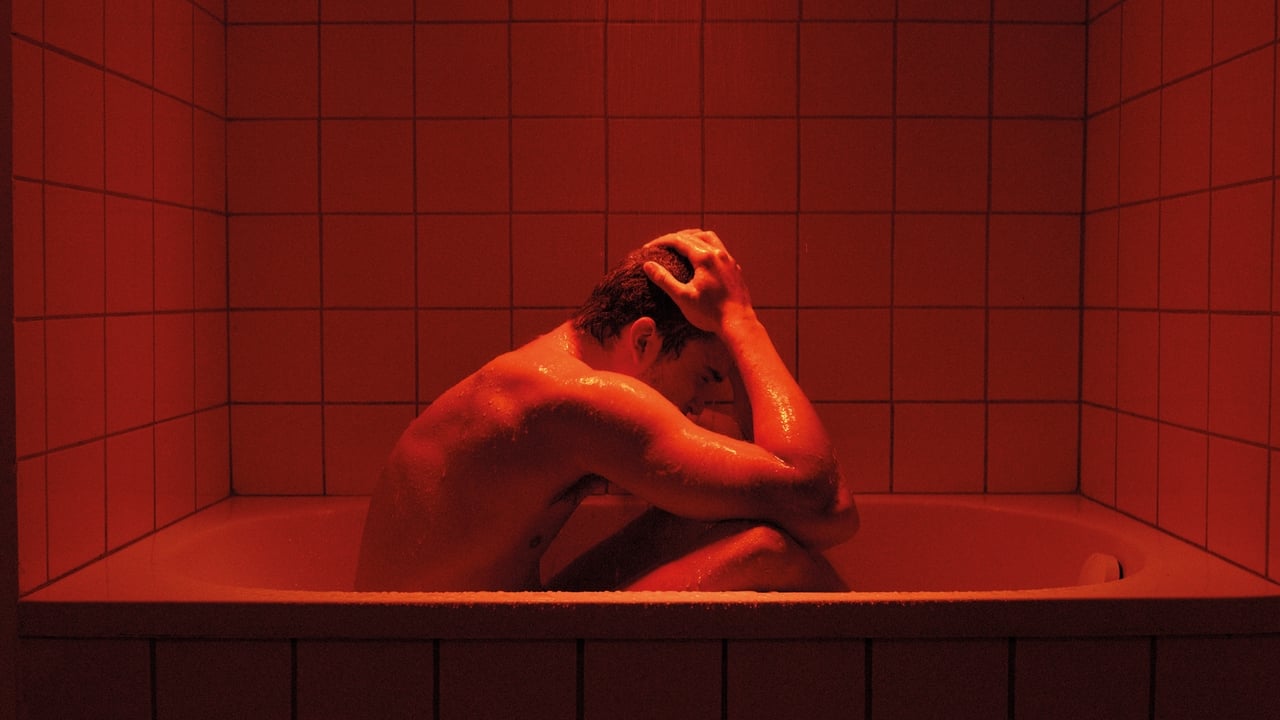
The behind-the-scenes story of Love is pure indie hustle. Noé didn't go through traditional casting agencies for his female leads. He literally found Klara Kristin at a nightclub in Paris and Aomi Muyock at a festival. This gives the film a raw, unpolished energy that professional actors might have smoothed over. There’s a lack of "actorly" artifice here; when they look exhausted or heartbroken, it feels genuine because they weren't conditioned by years of drama school to "perform" pain.
Noé also threw himself into the production, literally. He appears as an art gallery owner named Noé, because of course he does. The film was shot mostly in chronological order, which is a luxury few indie films can afford, but it allows the chemistry (and the eventual resentment) between the trio to build naturally. Despite the "scandalous" marketing, the film actually struggled at the box office, making back only a fraction of its tiny budget. However, it found a massive second life on streaming platforms. In the mid-2010s, Love became a "Netflix and Chill" meme before we even really knew what that meant, proving that audiences will always show up for a scandal, even if they have to watch it through their fingers.
Ultimately, Love is a beautiful, bloated, and occasionally brilliant mess. It’s a film that demands your attention and then isn't entirely sure what to do with it once it has it. It captures a specific moment in contemporary cinema where the line between art-house provocation and digital-era oversharing became incredibly blurred. It isn't a "fun" watch, but it is a memorable one. If you’re looking for a drama that earns its R-rating and then some, while looking like a high-end fashion shoot, this is your stop. Just maybe skip the cereal while you watch.
Keep Exploring...
-
Climax
2018
-

Slow West
2015
-

The Lobster
2015
-
Julieta
2016
-
Swiss Army Man
2016
-
A Ghost Story
2017
-
Irreversible
2002
-
Malcolm & Marie
2021
-
Miller's Girl
2024
-

Enter the Void
2010
-
One Wild Moment
2015
-

Up for Love
2016
-

Cold War
2018
-
Radioactive
2020
-
Summer of 85
2020
-

Forever My Girl
2018
-

Aloha
2015
-

Cinderella
2015
-
Equals
2015
-

Far from the Madding Crowd
2015