Maze Runner: The Scorch Trials
"Out of the maze, into the fire."
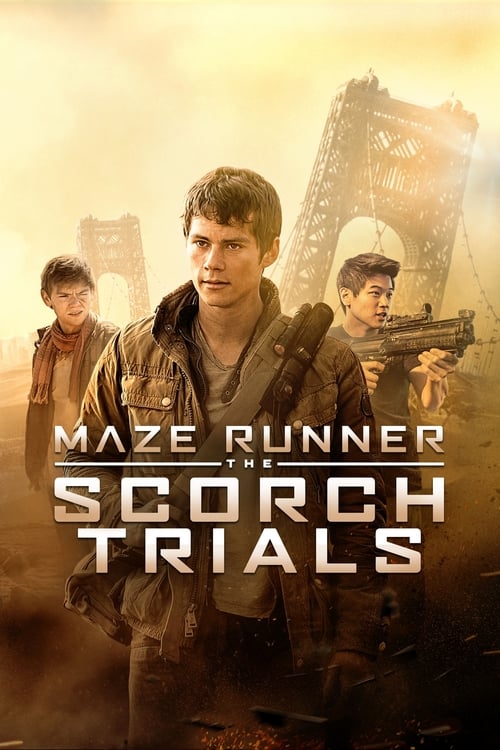
The 2015 landscape of cinema was littered with the remains of "The Next Hunger Games," but The Maze Runner managed to keep its head above the sand by pivoting into a genre that YA usually avoids: pure, unadulterated survival horror. I watched this sequel while my neighbor was power-washing their driveway, and the constant, high-pressure drone of the water weirdly synced up with the desert wind on screen, making the whole experience feel like a two-hour sandblasting for the senses.
If the first film was a mystery-box thriller confined to a grassy courtyard, The Scorch Trials is a frantic, open-world marathon. It abandons the "mystery" almost immediately, trading riddles for a relentless chase through a sun-bleached apocalypse. It’s a bold, if messy, middle chapter that feels less like a sequel and more like a hard reset.
A High-Speed Pivot to Horror
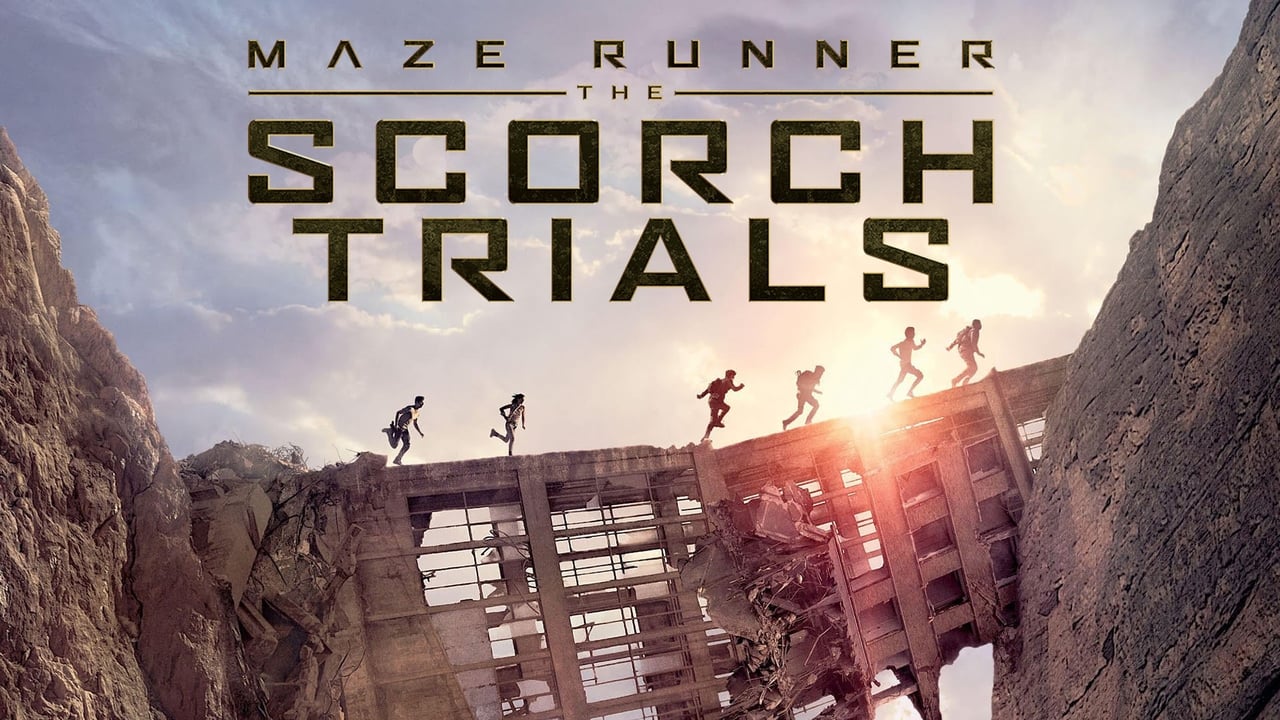
The first thing I noticed is how much director Wes Ball (who cut his teeth in visual effects before Kingdom of the Planet of the Apes) loves to make his actors run. This isn't just a jog; it’s a desperate, lung-bursting sprint through crumbling malls and lightning storms. The transition from the Glade to the "Scorch" is jarring in the best way. Gone are the ivy-covered walls, replaced by a visual palette of rusted oranges and blinding whites.
The action choreography here is surprisingly physical. There’s a sequence in a tilted, decaying skyscraper that feels like a precursor to the "The Volume" technology we see today, blending real-set vertigo with expansive CGI. When Dylan O'Brien as Thomas and Kaya Scodelario as Teresa are hanging over a glass floor that’s slowly spider-webbing, the tension is genuine. The Scorch Trials is secretly just a very expensive parkour demo with occasional screaming. It’s that physicality that keeps it grounded when the plot starts to feel like a standard "evil corporation" tropes-fest.
The Gritty Side of the YA Boom
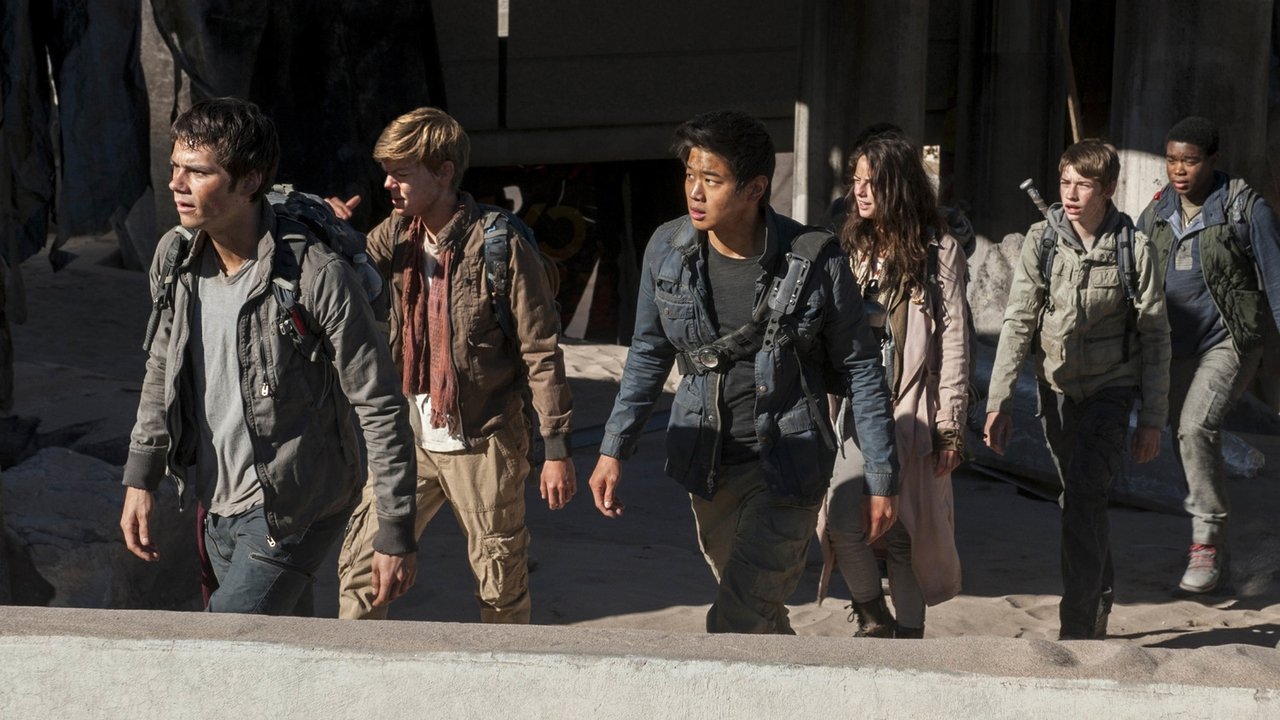
By 2015, franchise fatigue was a real conversation, yet The Scorch Trials doubled down on its budget and scale. Produced for a relatively modest $61 million—roughly half of what a Marvel movie costs to cater the craft services table—it punched way above its weight class, eventually pulling in over $312 million worldwide. That’s a massive win for a film that feels this grim.
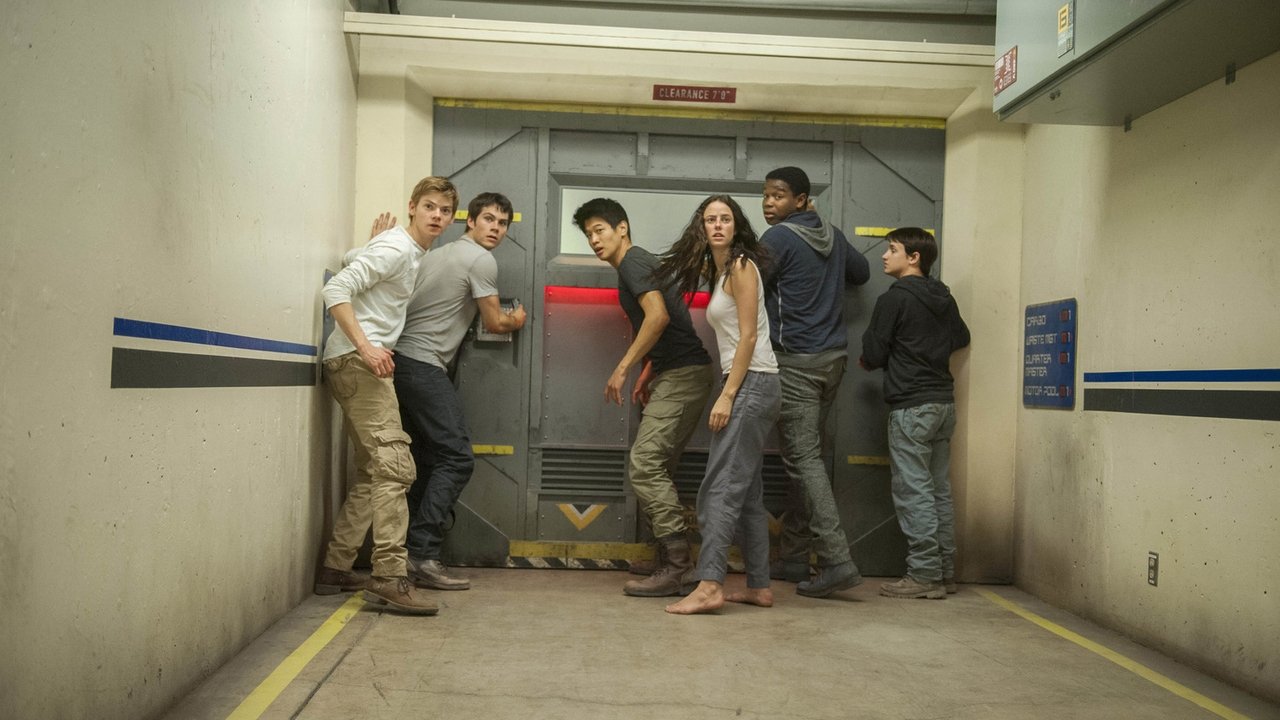
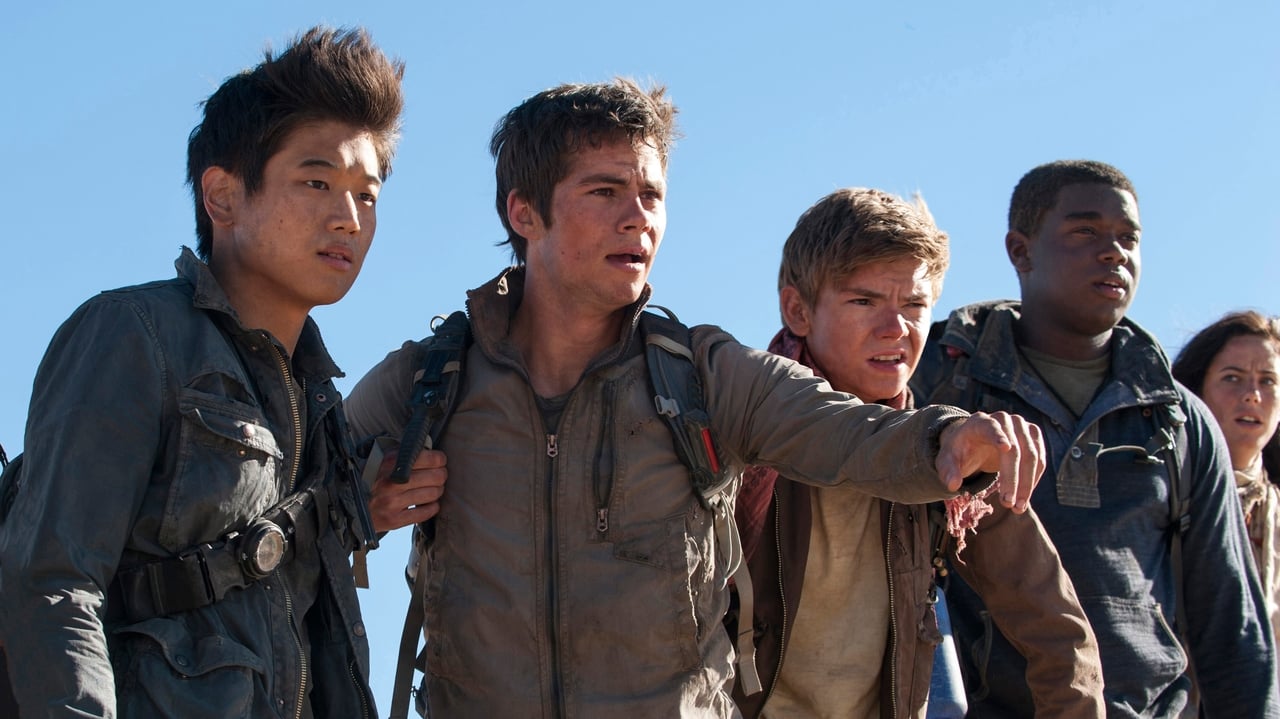
The introduction of "Cranks"—this universe's version of zombies—changes the DNA of the series. These aren't the slow, shuffling Romero types; they are aggressive, fungal-looking nightmares. Seeing Ki Hong Lee (Minho) and Thomas Brodie-Sangster (Newt) navigate a pitch-black tunnel filled with these things felt more like The Last of Us than a teen romance. It’s a testament to the stunt team and the second-unit directors that the action remains legible even when the camera is frantically trying to keep up with the Gladers.
New Blood and Narrative Shifts
One of my favorite additions to this entry is Giancarlo Esposito as Jorge. Before he was the terrifying face of The Mandalorian or The Boys, he was here, bringing a needed sense of world-weary charisma to a cast of panicked teenagers. His chemistry with Rosa Salazar, who plays Brenda, gives the film an emotional anchor that the "Thomas and Teresa" dynamic occasionally lacks.
Apparently, the production was quite a feat of endurance. They filmed in and around Albuquerque, New Mexico, using actual abandoned buildings and sand dunes to keep the grit real. Turns out, the actors were genuinely exhausted; Dylan O'Brien has always been a very physical performer (a trait that would later lead to a serious injury on the set of the third film), and his commitment to the "Thomas-is-always-about-to-die" look is what sells the stakes.
Interestingly, the screenplay by T.S. Nowlin takes a massive detour from James Dashner’s source material. In the book, there’s a whole subplot about telepathy between the characters that the movie just… ignores. Honestly? I’m glad. Telepathy in movies usually looks like two people staring intensely at each other while the audience wonders if they forgot their lines. By cutting the psychic stuff and focusing on the physical struggle, the film feels more like a grounded survivalist Western than a sci-fi melodrama.
While The Scorch Trials suffers from some of the typical "middle-movie" symptoms—mainly that it doesn't really have a beginning or an end—it’s a blast of adrenaline that respects the audience's intelligence. It doesn't over-explain WCKD’s plans; it just shows you the consequences of their world-building. It captures a specific moment in the mid-2010s when YA movies were trying to prove they could be just as tough as the "adult" action flicks, and for the most part, it succeeds. It’s loud, it’s sandy, and it’s a hell of a workout for everyone involved.
Keep Exploring...
-
Maze Runner: The Death Cure
2018
-
The Maze Runner
2014
-
Jurassic World
2015
-
Jurassic World: Fallen Kingdom
2018
-
Bumblebee
2018
-
Kingdom of the Planet of the Apes
2024
-
Terminator Genisys
2015
-
Gemini Man
2019
-
Terminator: Dark Fate
2019
-
Batman vs. Robin
2015
-
Kin
2018
-
Greenland
2020
-
Ant-Man
2015
-
Avengers: Age of Ultron
2015
-
Star Wars: The Force Awakens
2015
-
The Hunger Games: Mockingjay - Part 2
2015
-
Jason Bourne
2016
-
Rogue One: A Star Wars Story
2016
-
X-Men: Apocalypse
2016
-
Guardians of the Galaxy Vol. 2
2017