McFarland, USA
"The fastest way out is together."
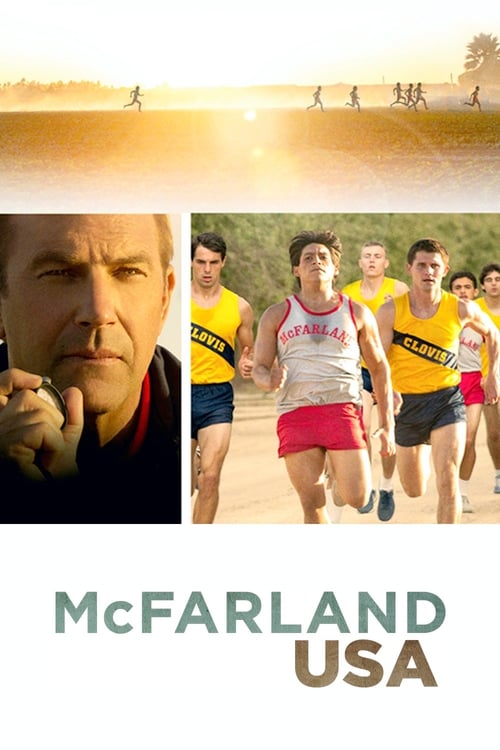
There is a specific kind of shimmering heat that rises off the asphalt in California’s Central Valley—a dry, oppressive weight that makes you feel like the world is moving in slow motion. If you’ve ever driven Highway 99 past the endless rows of almond trees and grapevines, you know the smell: a mix of irrigation water, diesel, and dust. This is the world of McFarland, USA, a film that looks like a standard-issue Disney sports flick but carries the soul of a much more grounded, empathetic drama. I watched this on a Tuesday afternoon while nursing a slightly-too-warm Diet Coke and a bag of salt-and-vinegar chips that left my fingers looking like I’d been working the fields myself, and honestly, the grit of the movie still managed to cut through the grease.
The Costner Comfort Zone
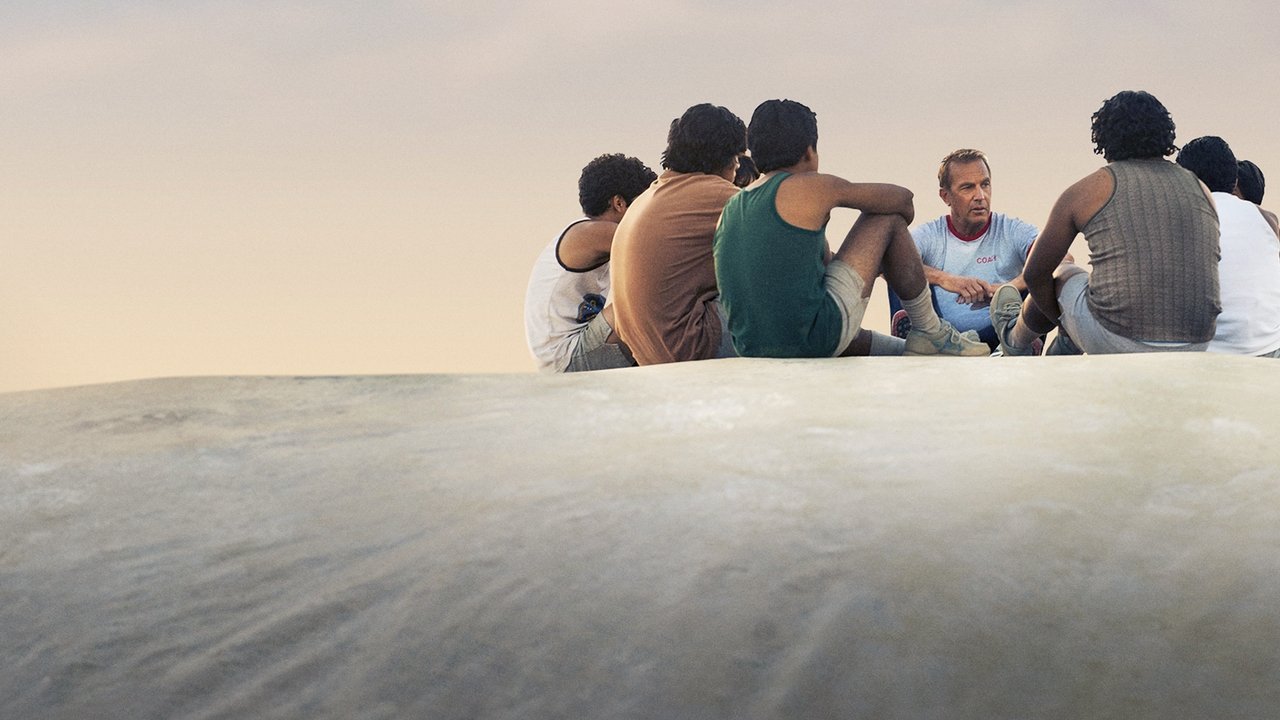
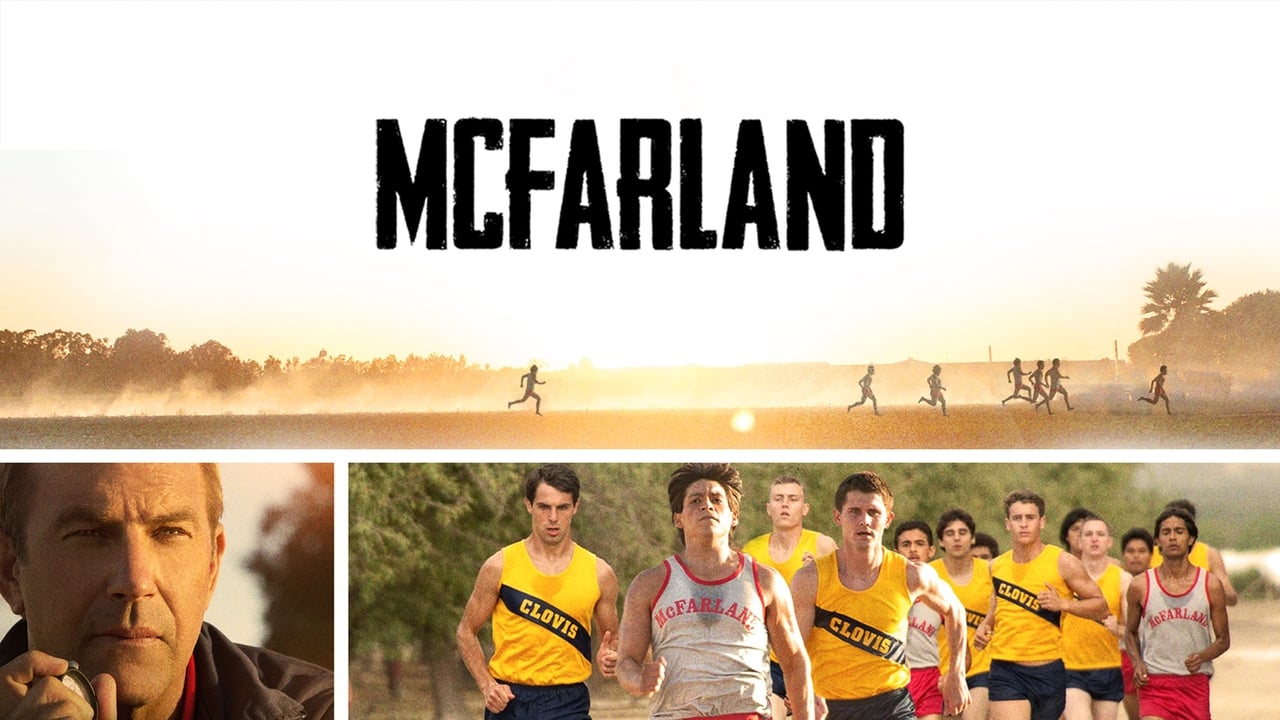
By 2015, Kevin Costner had officially transitioned into his "Grumpy but Gold-Hearted Dad" phase, a precursor to the weathered rancher energy he’d eventually perfect in Yellowstone. In McFarland, he plays Jim White, a hot-headed football coach who has been fired from better schools and finds himself at the only place that will take him: a predominantly Latino high school in a town where the "American Dream" looks a lot like back-breaking agricultural labor.
What I love about Costner here is that he doesn't try to be a superhero. He looks tired. He looks out of place. He looks like a guy who is genuinely terrified of the neighborhood he’s moved his family into. Maria Bello, as his wife Cheryl, does what she can with a somewhat thankless "supportive spouse" role, but the chemistry works because they feel like a couple trying to make the best of a bad situation. Costner is at his best when he’s failing—whether it's blowing his stack at a player or realizing he has no idea how to celebrate a quinceañera. He’s essentially playing a human potato who slowly learns how to grow in different soil.
Representation Without the Checklist
In our current era of "representation" often feeling like a corporate mandate or a series of boxes to be checked, McFarland, USA feels surprisingly sincere. Director Niki Caro (who previously proved she could handle cultural specificity with Whale Rider) avoids the "White Savior" trap by making it clear that Jim White isn't the one doing the hard work—the kids are.
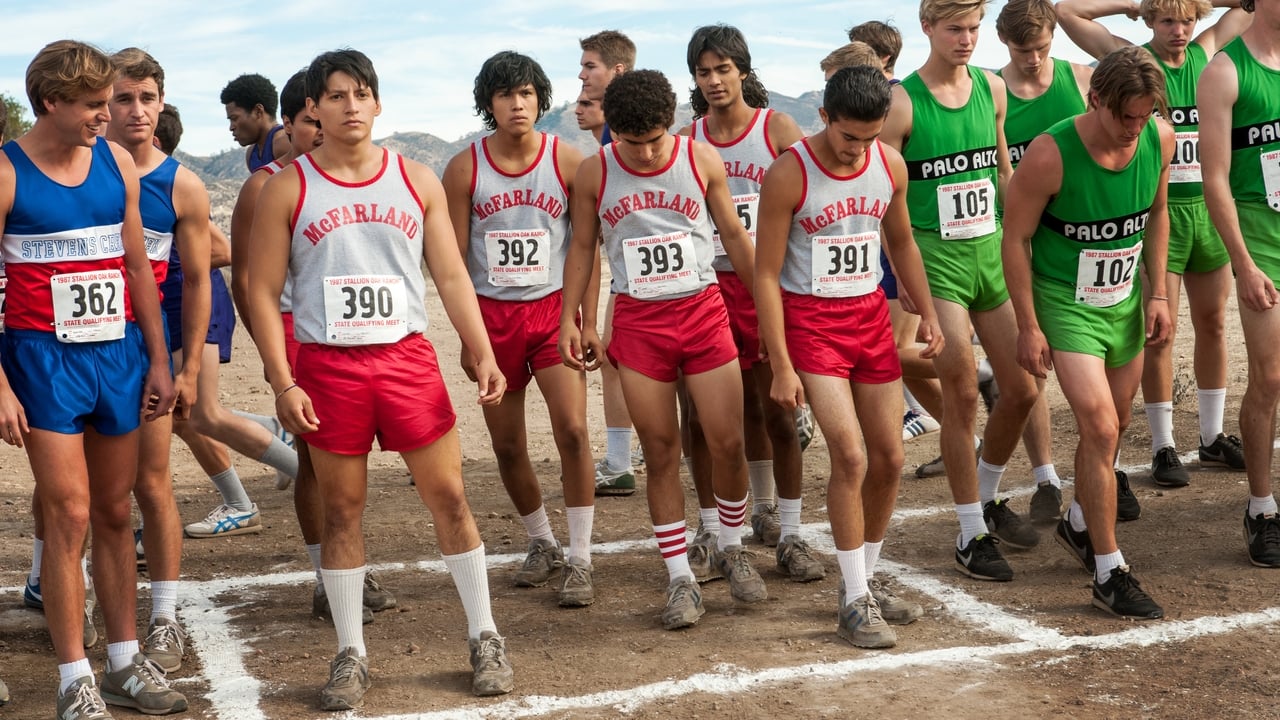
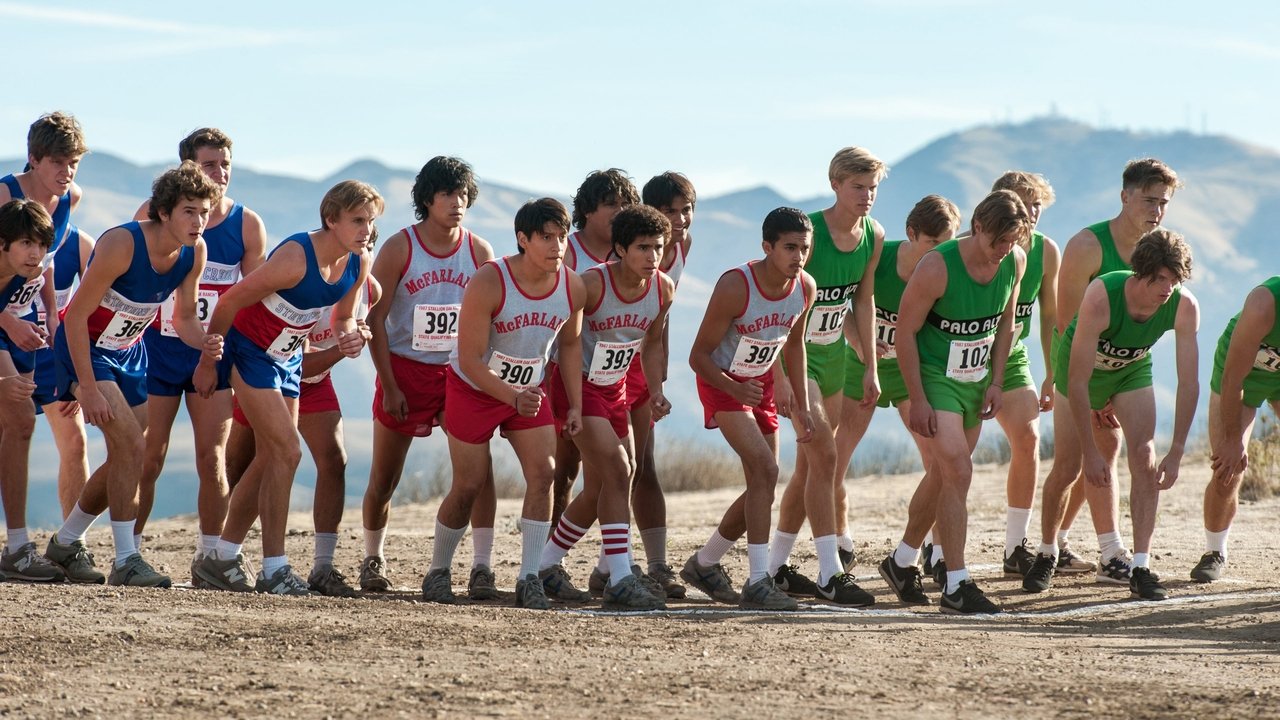
The runners—including the Diaz brothers (David, Danny, and Damacio)—aren't just athletes; they are "pickers." They spend their mornings in the fields before school and their evenings back in the dirt. One of the most striking sequences isn't a race at all; it’s White joining the boys in the fields to understand their life. He lasts about four hours before he’s a physical wreck. It’s a crucial narrative pivot: he doesn't just teach them how to run; they teach him how to endure.
The film also features a very young Elsie Fisher (before her incredible breakout in Eighth Grade) and Morgan Saylor as White’s daughters. They ground the family drama, making the stakes feel personal. When the team finally starts to win, it doesn't feel like a victory for Costner; it feels like a victory for a community that is usually invisible to the rest of the state.
A Formula That Still Finds the Finish Line
Look, this is a Disney sports movie. You know the beats. There’s the initial struggle, the "we don't belong here" moment at the fancy private school meet, the training montage featuring hills of almond hulls (which look like snow but are much harder to run on), and the climactic championship. It follows the blueprint of Remember the Titans or The Rookie almost to the letter.
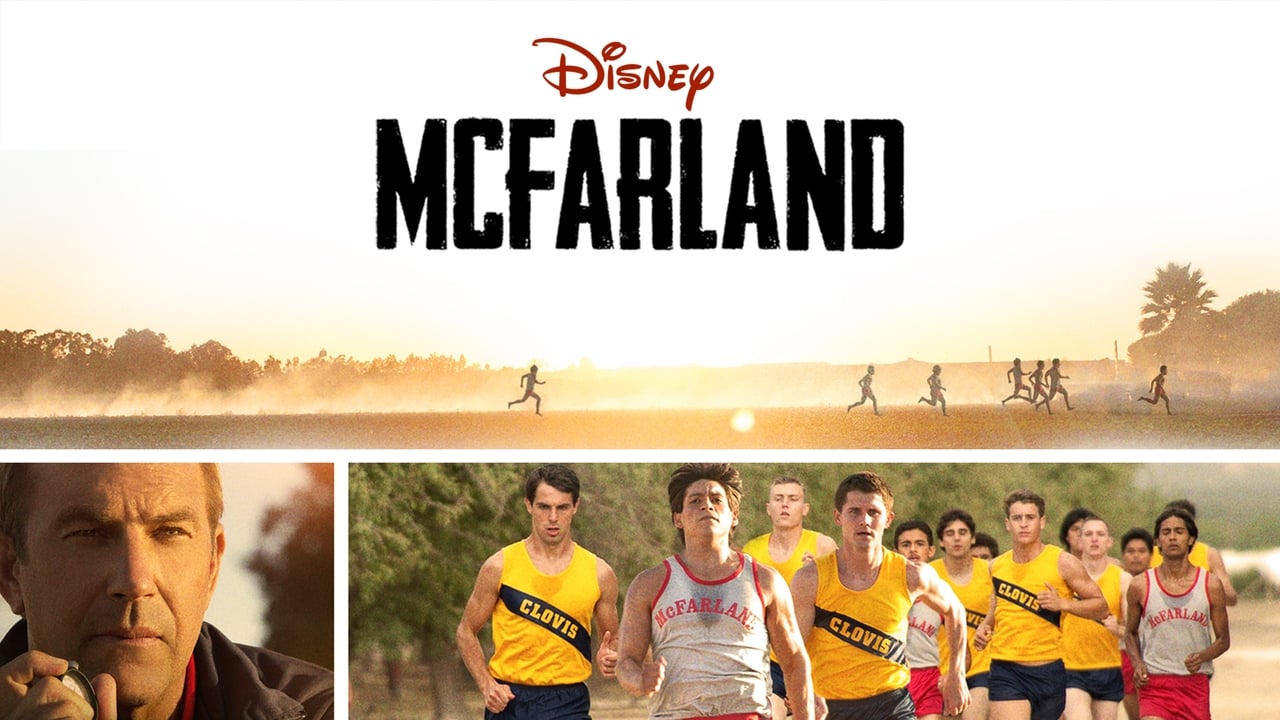
However, the score by Antonio Pinto (who did the brilliant music for City of God) gives the film a rhythmic, percussive energy that elevates it above the usual schmaltz. And the cinematography by Adam Arkapaw (who shot True Detective and Top of the Lake) captures the Central Valley with a golden, hazy beauty that makes the dust look like magic.
It’s also worth noting how this film fits into the 2015 landscape. This was a time when mid-budget, earnest dramas were starting to migrate toward streaming services like Netflix. McFarland, USA was one of the last of its kind to get a robust theatrical push. It’s a "Dad Movie" in the best sense—reliable, sturdy, and unafraid to make you a little misty-eyed during the end credits when they show the real-life inspirations for the characters. Turns out, watching kids run in circles is still the most efficient way to make a grown man cry into his popcorn.
Ultimately, McFarland, USA succeeds because it respects the community it portrays. It doesn't treat poverty as a prop; it treats it as a hurdle that these kids have been jumping over their entire lives. It’s not a revolutionary piece of cinema, but in an era of franchise fatigue and CGI-saturated blockbusters, there’s something deeply refreshing about a story that relies on sweat, heart, and a coach who finally learns to shut up and listen. It’s a warm hug of a movie that reminds you that sometimes the best stories are the ones happening in the dusty towns you usually drive right past.
Keep Exploring...
-

The Zookeeper's Wife
2017
-
Max
2015
-
Miracles from Heaven
2016
-
A Beautiful Day in the Neighborhood
2019
-

A Dog's Journey
2019
-
The Art of Racing in the Rain
2019
-
The Boy and the Beast
2015
-
A Street Cat Named Bob
2016
-

The Red Turtle
2016
-
Goodbye Christopher Robin
2017
-
The Breadwinner
2017
-
The Man Who Invented Christmas
2017
-

Mia and the White Lion
2018
-

A Dog's Way Home
2019
-
Pinocchio
2019
-
Cinderella
2015
-
Inside Out
2015
-
Miss Peregrine's Home for Peculiar Children
2016
-

A Dog's Purpose
2017
-
Cars 3
2017