Me and Earl and the Dying Girl
"High school is a war zone; film is the bunker."
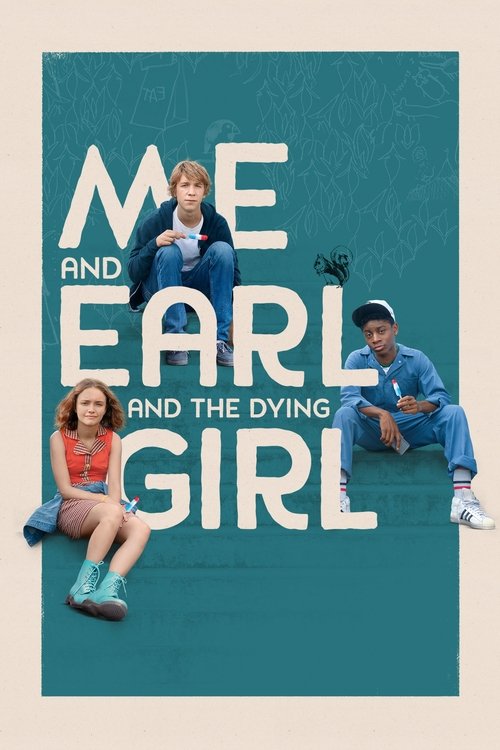
Most high school movies treat the cafeteria like a Shakespearean court, full of rigid hierarchies and dramatic betrayals. But Greg Gaines, the twitchy protagonist of Me and Earl and the Dying Girl, views his campus as a geopolitical minefield where the only way to survive is through total, lukewarm neutrality. He’s not a nerd, not a jock, and certainly not a "joiner." He is a ghost by choice. I watched this film for the third time yesterday while my neighbor’s radiator clanked in a rhythmic 4/4 time signature that strangely synced up with the score, and it hit me just how much this movie captures the specific, terrified anxiety of being seen before you’re ready.
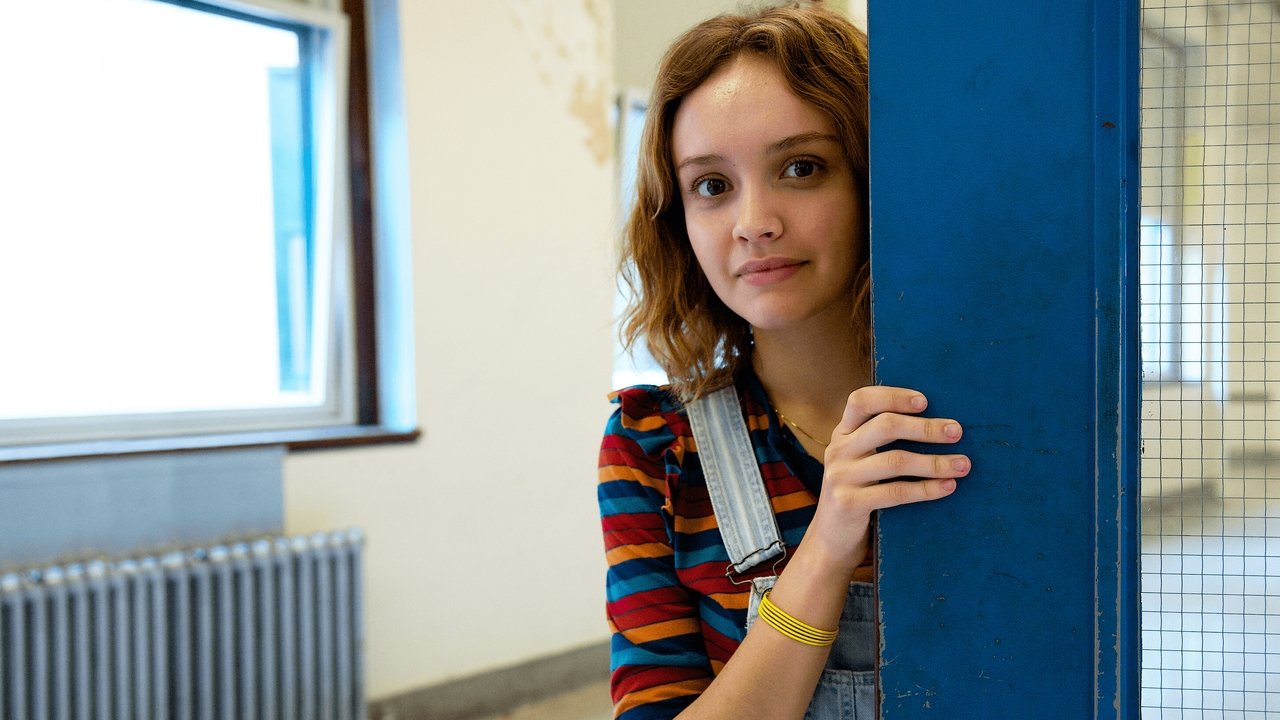
Released in 2015, a year when the "teenagers with terminal illnesses" subgenre was threatening to become a cynical industrial complex, Alfonso Gomez-Rejon’s film managed to do something miraculous: it stayed weird. It refused to be a tear-jerker in the traditional, manipulative sense, opting instead to be a messy, visually inventive exploration of how art helps us process the things we’re too cowardly to say out loud.
The Art of the "Co-Worker"
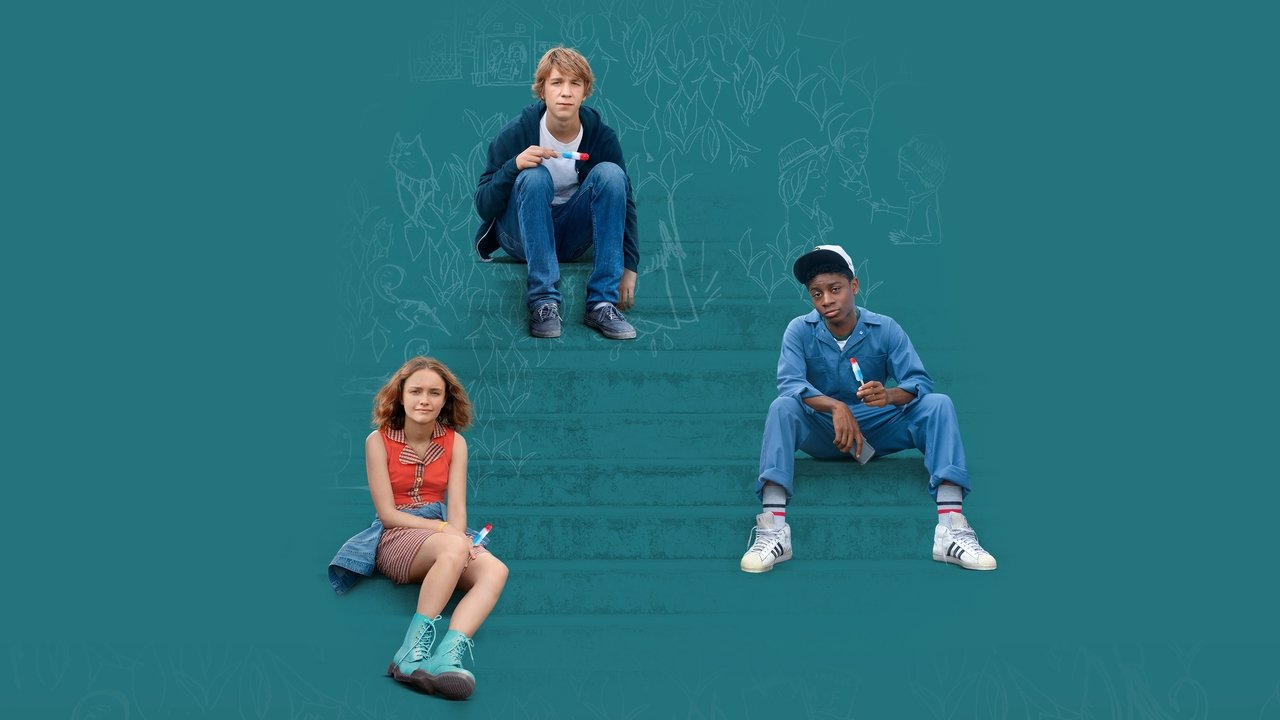
At the heart of the film is Thomas Mann as Greg, a kid whose self-loathing is so finely tuned it almost qualifies as a superpower. Greg’s only real connection is with Earl, played with a brilliant, stone-faced pragmatism by RJ Cyler. In a move that perfectly encapsulates Greg’s fear of intimacy, he refers to Earl not as his best friend, but as his "co-worker." Their job? Making low-budget, pun-heavy parodies of the Criterion Collection.
If you’ve spent any time browsing the hallowed aisles of a local video store (back when those existed) or scrolled through the "Art House" section of a streaming service, these parodies are pure gold. Titles like A Sockwork Orange, Senior Citizen Cane, and Pooping Tom aren't just throwaway gags; they are the language these two boys use to communicate. RJ Cyler is the secret weapon here. While Greg is a whirlwind of neurotic energy, Earl provides the grounding force, often calling Greg out on his bullshit with a single, weary look. Their chemistry feels lived-in and unsentimental, avoiding the "sassy best friend" tropes that plague lesser films.
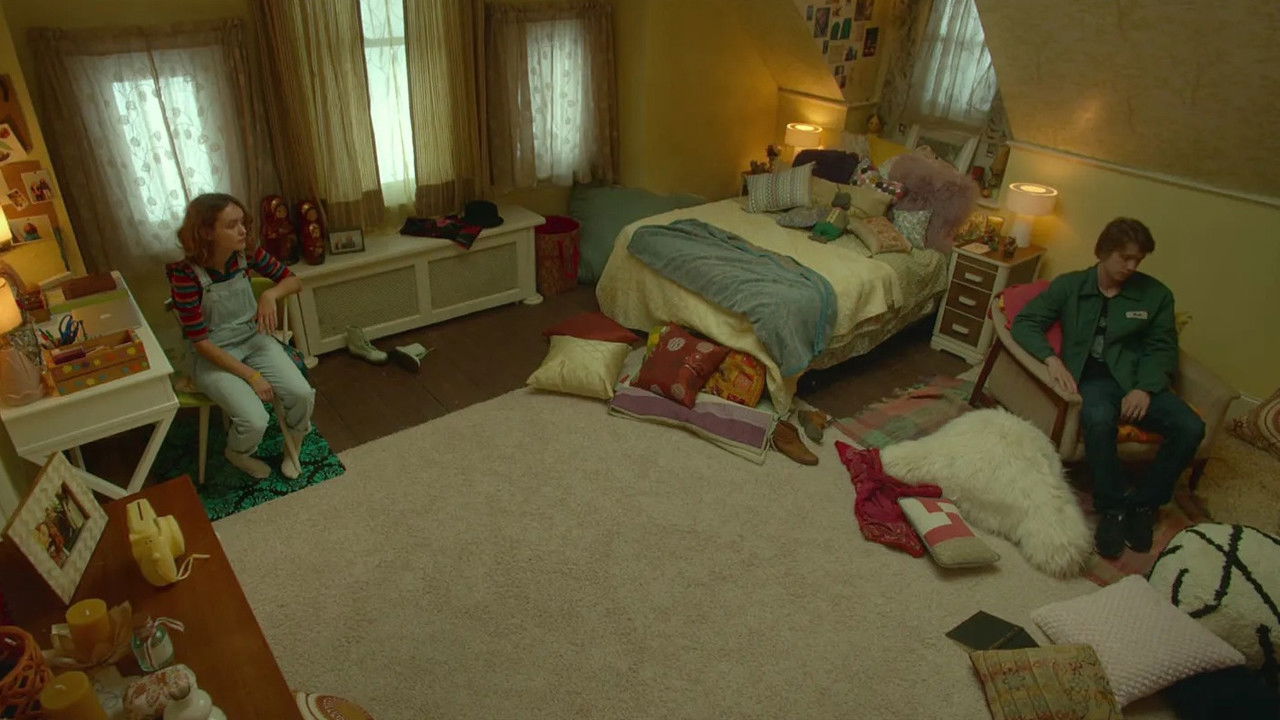
The "dying girl" of the title is Rachel, portrayed by Olivia Cooke with a staggering amount of dignity. When Greg’s mother (Connie Britton) forces him to spend time with Rachel after her leukemia diagnosis, the film sets us up for a standard-issue romance. Thank God the movie is smarter than its own marketing. Instead of a star-crossed tragedy, we get a prickly, awkward, and deeply human friendship. Olivia Cooke manages to make Rachel a fully realized person rather than a prop for Greg’s personal growth, which is a high-wire act many films in this era failed to stick.
A Visual Language for the Socially Awkward
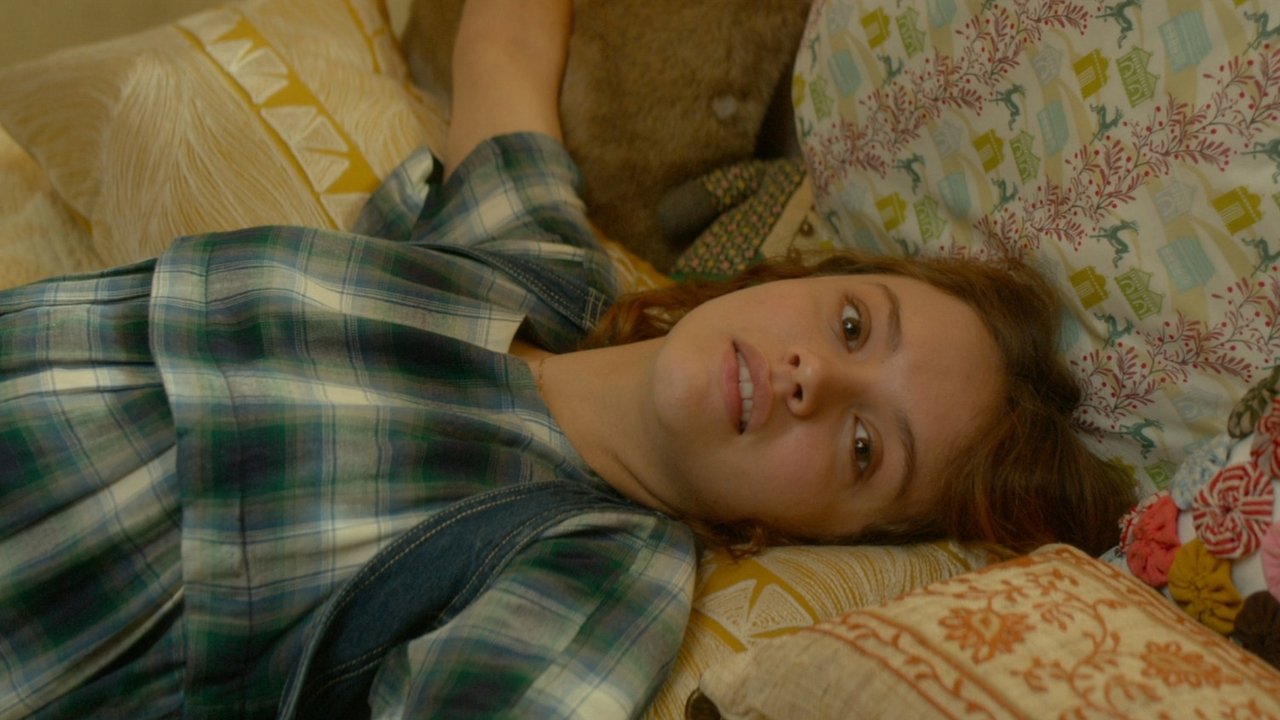
Director Alfonso Gomez-Rejon, who worked under Scorsese and Iñárritu, brings a kinetic (oops, let’s go with restless) visual style that mirrors Greg’s internal chaos. Working with cinematographer Chung-hoon Chung (the visionary behind Oldboy and The Handmaiden), the film is packed with wide-angle lenses, eccentric framing, and sudden bursts of stop-motion animation. It looks like a Wes Anderson film that’s been allowed to get its fingernails dirty.
The production design is a cinephile’s fever dream. Greg’s house is a sprawling museum of his father’s (Nick Offerman) esoteric tastes, featuring exotic meats and obscure world cinema. This "Contemporary Cinema" era often leans too heavily on clean, digital perfection, but Me and Earl feels tactile. You can practically smell the dusty VHS tapes and the glue from the boys’ cardboard props.
Even the score by Brian Eno (with additional music by Nico Muhly) avoids the usual acoustic-guitar-indie-folk cliches. It’s atmospheric and synth-heavy, providing a dreamy backdrop that keeps the movie from feeling too grounded in the grim reality of a hospital room. It’s a film that understands that teenagers are essentially walking open wounds with better playlists than adults, and it respects that drama without patronizing it.
The Sundance Darling That Stayed Small
There’s a bit of "Cult Classic" DNA here because of how the film was received. It swept the top prizes at Sundance, leading to a massive bidding war and "instant classic" proclamations that, frankly, probably hurt its theatrical run. In the age of franchise dominance, a small, idiosyncratic drama about a boy making a movie for a sick girl was a hard sell for the masses. But in the years since, it has found its tribe.
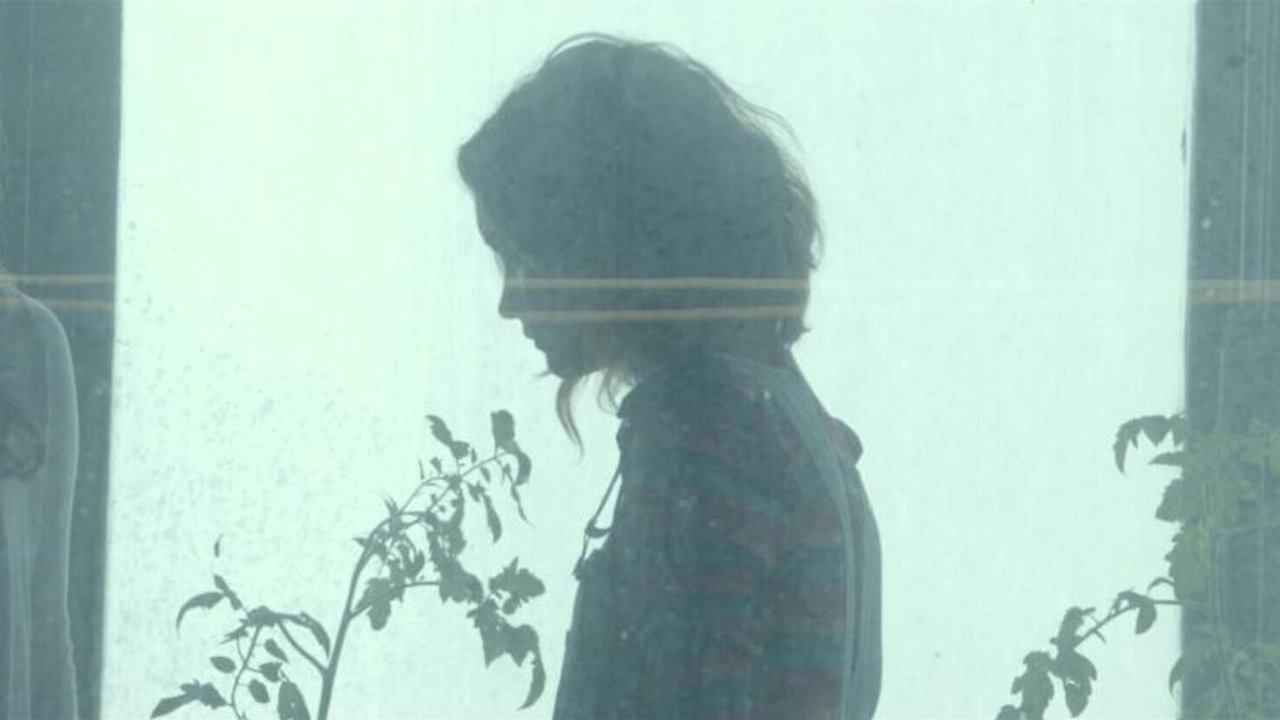
The trivia surrounding the production only adds to its charm. For instance, the parody films were actually made by Nathan O. Marsh and Edward Bursch, who were tasked with making them look like the work of two talented but distracted teenagers. Olivia Cooke famously shaved her head for the role, refusing to wear a bald cap because she wanted to feel the vulnerability of the character. This commitment shines through; there is a scene involving a pair of scissors and a head of hair that feels more intimate than any kiss in a standard rom-com.
What makes Me and Earl and the Dying Girl resonate now, nearly a decade later, is its honesty about the selfishness of youth. Greg isn't a saint; he’s often a self-absorbed jerk who is terrified that he doesn't have a "real" personality. The film doesn't punish him for this, nor does it magically cure him. It just shows him—and us—that sometimes the best thing you can do for someone is to stop worrying about yourself long enough to finish something for them. It’s a beautifully shot, wonderfully acted, and genuinely funny look at the end of childhood, and it remains one of the most underrated gems of the 2010s.
The film's refusal to succumb to "The Fault in Our Stars" level of saccharine sentimentality is its greatest strength. It’s a movie for the kids who sat in the back of the class, the ones who felt like their only personality trait was a collection of obscure movie trivia and a fear of being noticed. By the time the final, abstract film within the film plays, you aren't just crying for Rachel; you're crying for the terrifying, beautiful realization that we only ever truly know pieces of the people we love. It’s a quiet masterpiece of the streaming era that deserves a loud spot on your watchlist.
Keep Exploring...
-

We Are Your Friends
2015
-
Joy
2015
-
American Made
2017
-
Cars 3
2017
-
I, Tonya
2017
-
Lady Bird
2017
-
BlacKkKlansman
2018
-
The Ballad of Buster Scruggs
2018
-
The Favourite
2018
-
Vice
2018
-
Paterson
2016
-

Two Is a Family
2016
-
T2 Trainspotting
2017
-
The Sisters Brothers
2018
-
Justice League vs. Teen Titans
2016
-
The Peanut Butter Falcon
2019
-
I Care a Lot
2021
-
Licorice Pizza
2021
-
The French Dispatch of the Liberty, Kansas Evening Sun
2021
-

To All the Boys: Always and Forever
2021