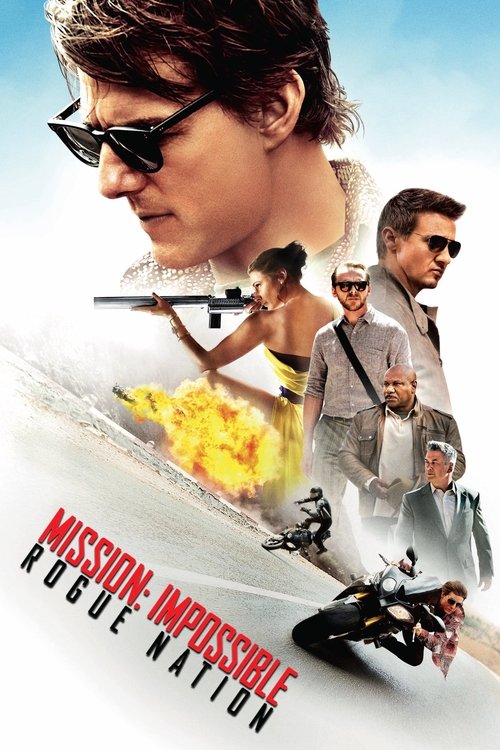
Mission: Impossible - Rogue Nation
"The moment a franchise became a legacy."
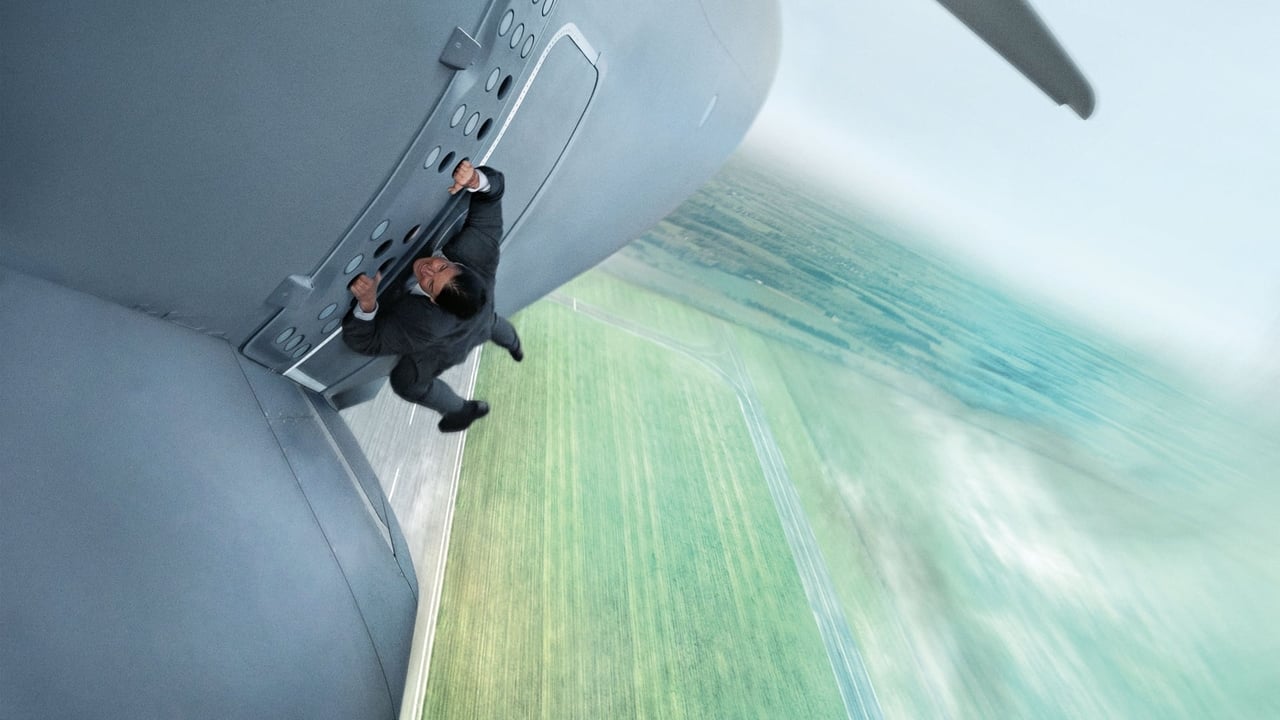
The first time I saw Tom Cruise sprinting across the wing of a moving Airbus A400M, I didn't think about the plot. I didn't think about the IMF being disbanded or the "Syndicate" being a mirror-image terrorist organization. All I could think about was the insurance premium. We live in an era where pixels are cheaper than people, and yet, here was the world’s last true movie star actually hanging off a plane at 5,000 feet just to make sure we weren't bored.
I watched this film for the third time last Tuesday while trying to assemble a very frustrating IKEA bookshelf, and honestly, the sheer competence on screen made my inability to use an Allen wrench feel even more pathetic. But that’s the magic of Mission: Impossible - Rogue Nation. It’s a film about professionals made by professionals, and in the landscape of 2015—a year dominated by the CGI-heavy spectacle of Avengers: Age of Ultron—it felt like a radical act of physical filmmaking.
The Architect of the Modern Mission
Before Rogue Nation, the Mission: Impossible series was a bit of a polyglot. Every movie had a different "flavor" because every movie had a different director. You had De Palma’s Hitchcockian paranoia, John Woo’s dove-filled slow-mo, and J.J. Abrams’ lens flares. But with Rogue Nation, Christopher McQuarrie stepped behind the lens and effectively became the franchise’s permanent architect.
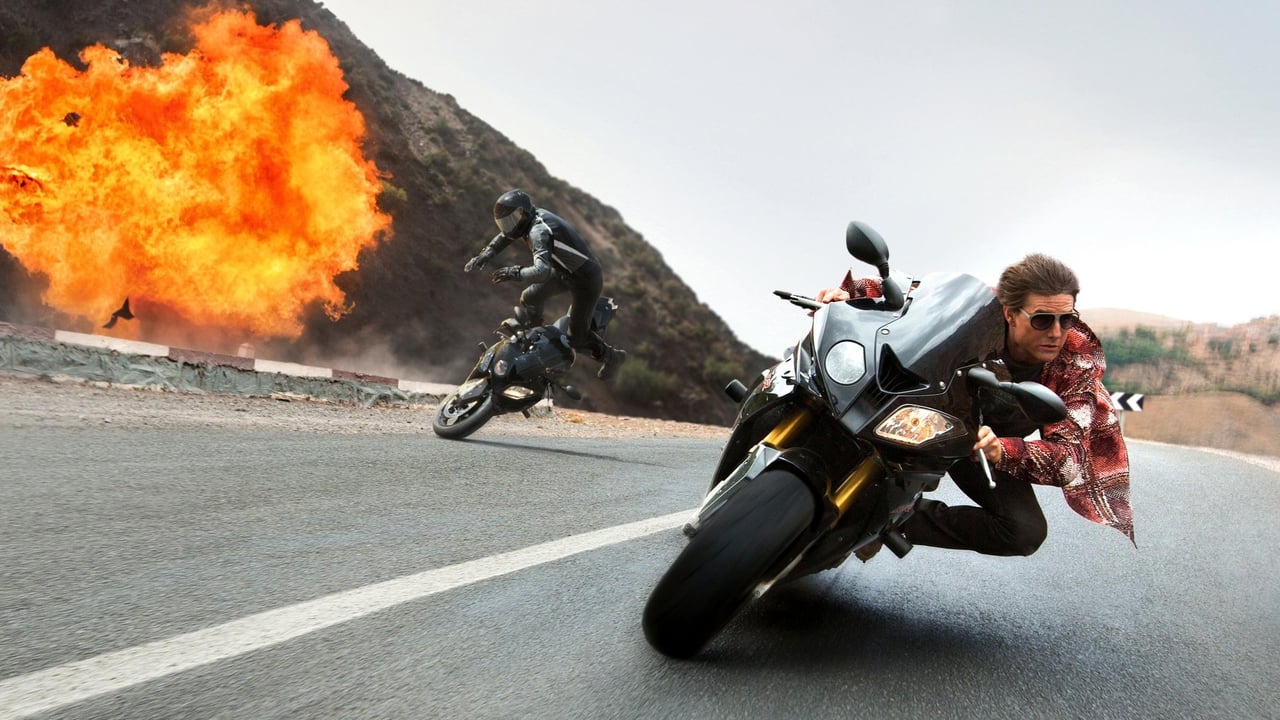
McQuarrie understands something that many modern blockbuster directors forget: geography matters. Whether it’s the bone-rattling motorcycle chase through the Atlas Mountains or the frantic underwater heist, I always knew exactly where Tom Cruise’s Ethan Hunt was in relation to the exit. There is a clarity to the action here that feels almost old-fashioned. Ethan Hunt is essentially a high-functioning lunatic with a death wish and a gym membership, and McQuarrie captures that desperation with a camera that stays wide enough to let us see the sweat.
The Ilsa Faust Factor
While Tom Cruise is the engine, Rebecca Ferguson is the soul of this movie. Her introduction as Ilsa Faust is arguably the best thing to happen to the franchise since the 1996 original. For the first time, Ethan meets someone who isn't just a "teammate" or a "love interest," but an equal who might actually be better at his job than he is.
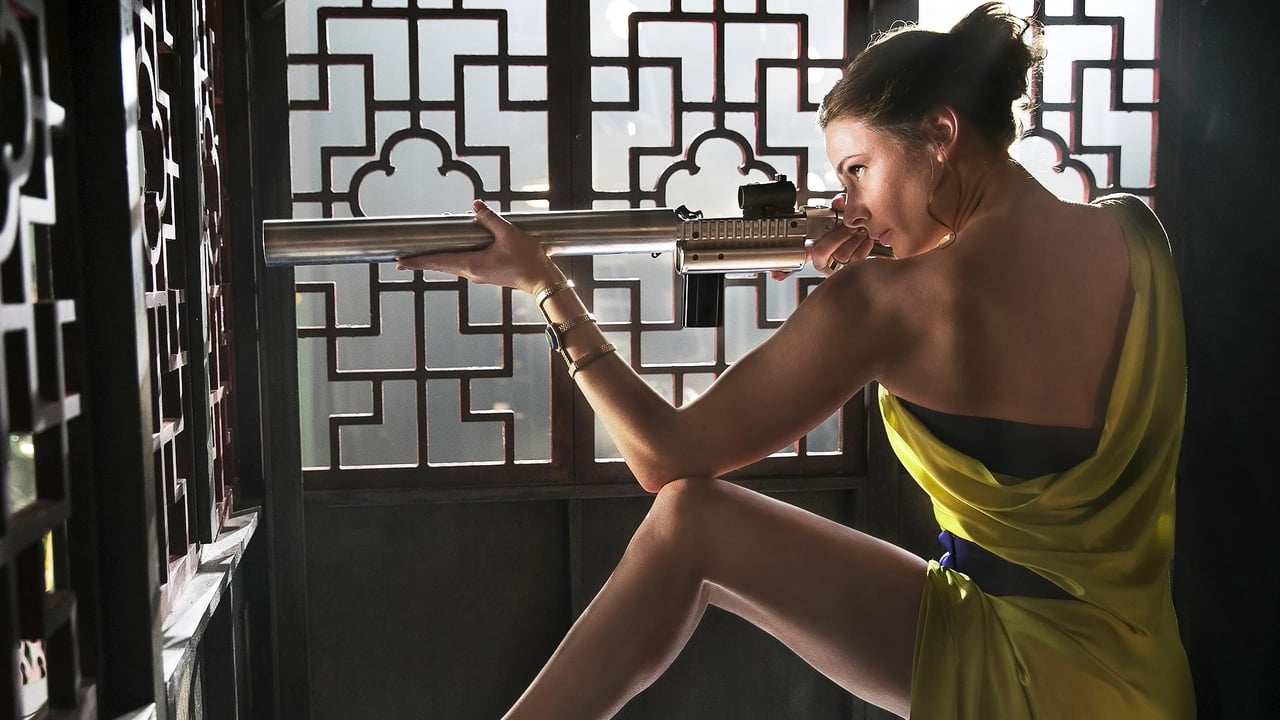
The sequence at the Vienna State Opera—where Ilsa and Ethan hunt snipers amidst a performance of Turandot—is a genuine masterpiece of suspense. It’s silent, elegant, and relies entirely on visual storytelling and the timing of the music. It’s the kind of sequence that earns its place in the "Cinema enthusiasts" hall of fame. I remember the social media discourse at the time being obsessed with Ferguson’s yellow dress, but the real takeaway was her ability to out-act a literal plane-jumping legend while barely saying a word.
Making the Impossible Feel Practical
In a decade where "The Volume" and green screens have turned many action movies into murky, weightless digital soup, Rogue Nation stands as a testament to the "real." Take the underwater sequence: Tom Cruise actually trained to hold his breath for over six minutes to film that long, continuous shot. It’s not just a cool trivia fact; you can feel the physical strain in his face, the way his movements slow down as his oxygen depletes. It creates a tension that a digital double simply can’t replicate.
Even the "Syndicate" itself feels strangely contemporary. Led by a whisper-quiet, chilling Sean Harris as Solomon Lane, the idea of a "rogue nation" of former intelligence officers feels less like a comic book plot and more like a cynical commentary on the post-9/11 intelligence industrial complex. It grounds the high-flying stunts in a world that feels recognizably cold and dangerous.
The film wasn't just a hit; it was a $682 million statement of intent. It proved that in an era of franchise fatigue, audiences would still show up in droves for something that felt hand-crafted. It’s a massive production—$150 million well-spent—where the money is right there on the screen, whether it’s the fleet of BMW S1000 RR motorcycles they totaled during the Morocco chase or the meticulous recreation of the Vienna Opera House.
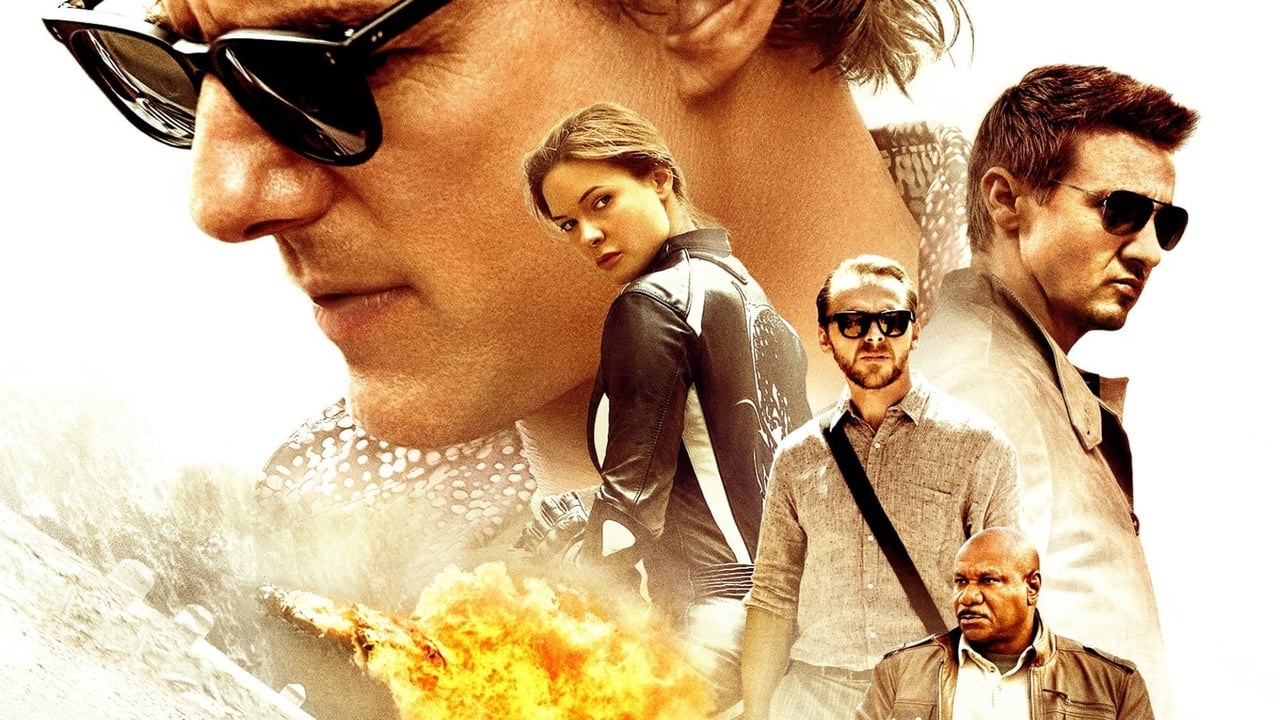
Mission: Impossible - Rogue Nation isn't just a great "sequel"; it's the moment the series ascended to the throne of the modern action genre. It balances the humor of Simon Pegg and Jeremy Renner with a level of stunt-work that borders on the suicidal, all while introducing a character in Ilsa Faust who redefined what a "Mission" woman could be. If you have five minutes to spare before your bus arrives, go watch the Opera sequence on your phone—it’s a perfect microcosm of why we still go to the movies.
Keep Exploring...
-
Mission: Impossible - Fallout
2018
-
Mission: Impossible - Dead Reckoning Part One
2023
-
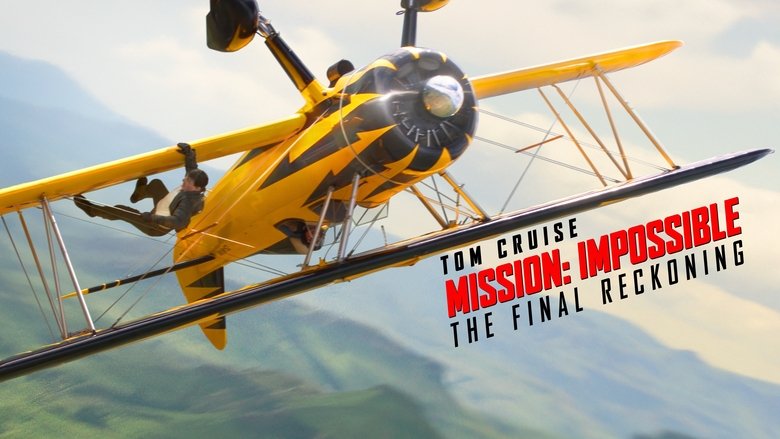
Mission: Impossible - The Final Reckoning
2025
-
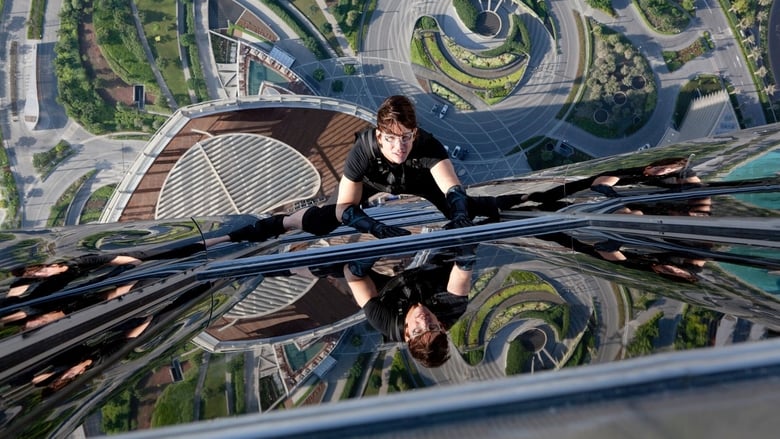
Mission: Impossible - Ghost Protocol
2011
-
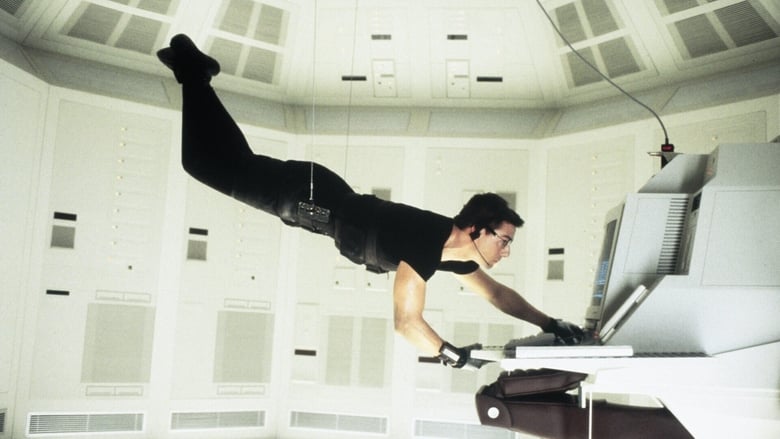
Mission: Impossible
1996
-
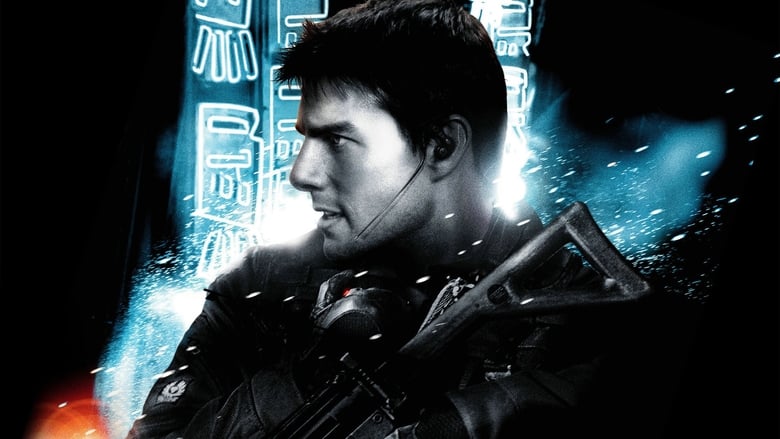
Mission: Impossible III
2006
-
Mission: Impossible II
2000
-
Jack Reacher
2012
-
Avengers: Age of Ultron
2015
-
Captain America: Civil War
2016
-
Ready Player One
2018
-
Ant-Man
2015
-
Jurassic World
2015
-
Star Wars: The Force Awakens
2015
-
Deadpool
2016
-
Doctor Strange
2016
-
Kung Fu Panda 3
2016
-
Rogue One: A Star Wars Story
2016
-
Guardians of the Galaxy Vol. 2
2017
-
Jumanji: Welcome to the Jungle
2017