Mr. Holmes
"The detective’s final case is his own mind."
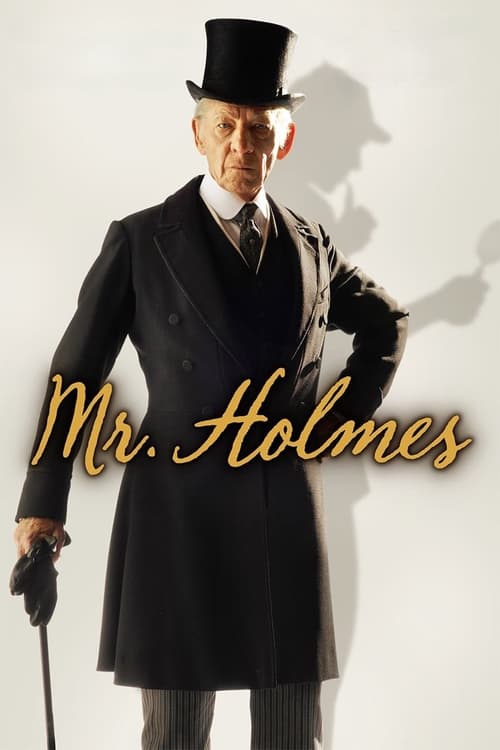
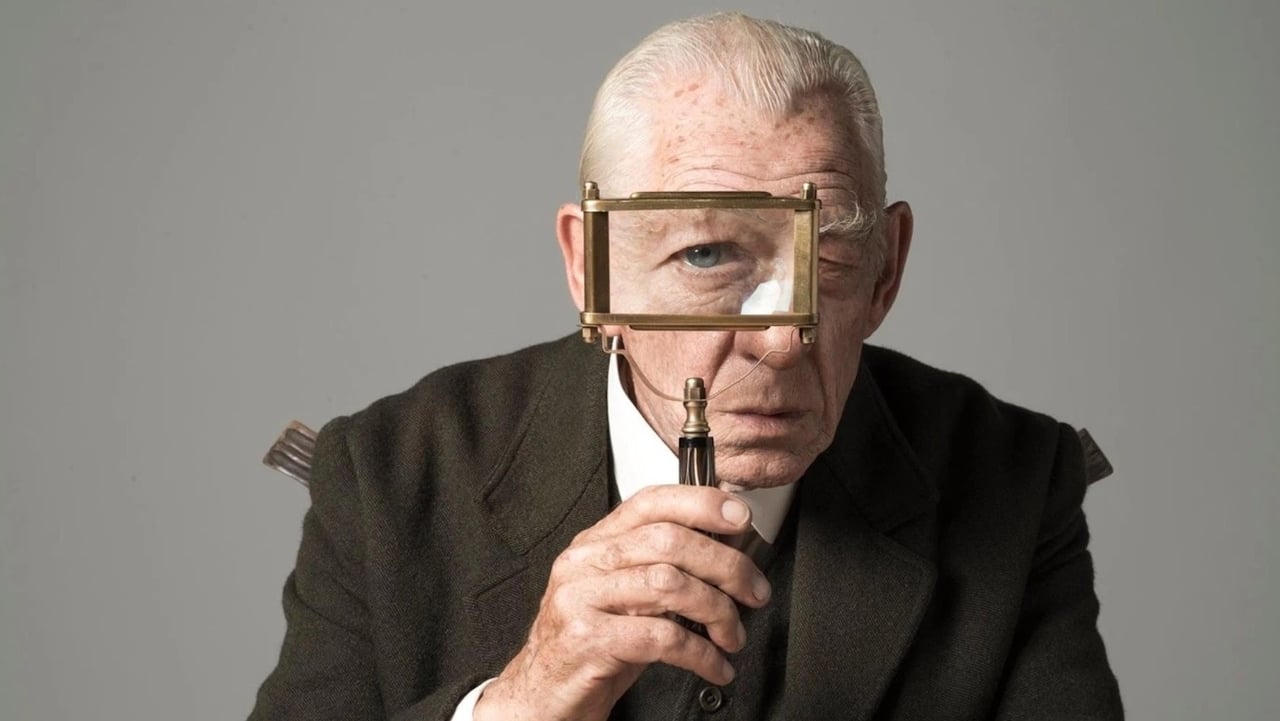
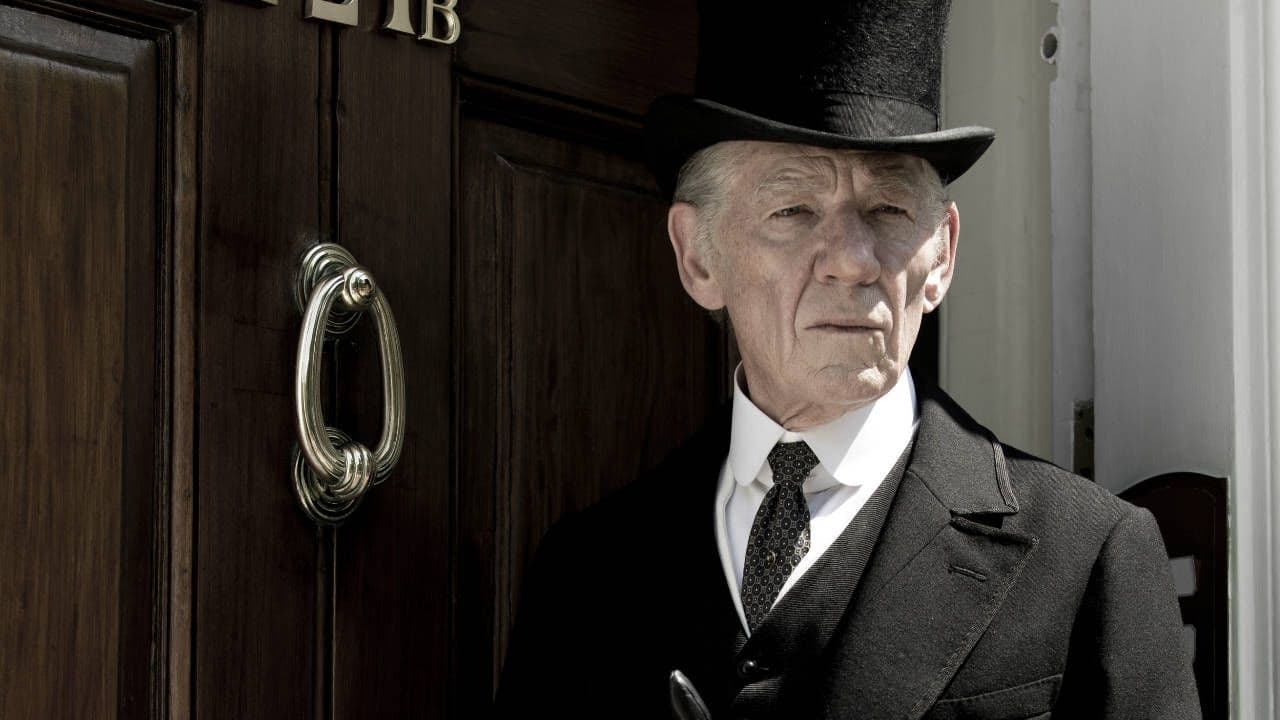
Imagine Sherlock Holmes not as the hyper-caffeinated genius jumping off London rooftops or the Victorian superhero punch-fighting his way through a dockyard, but as a 93-year-old man in a dusty cardigan. He is hunched over a beehive in 1947 Sussex, his sharp features now softened by age, struggling to remember where he put his fountain pen. This isn't the Holmes of the legends; this is a man who is actively annoyed by the legend. He finds the deerstalker hat ridiculous and prefers a cigar to a pipe.
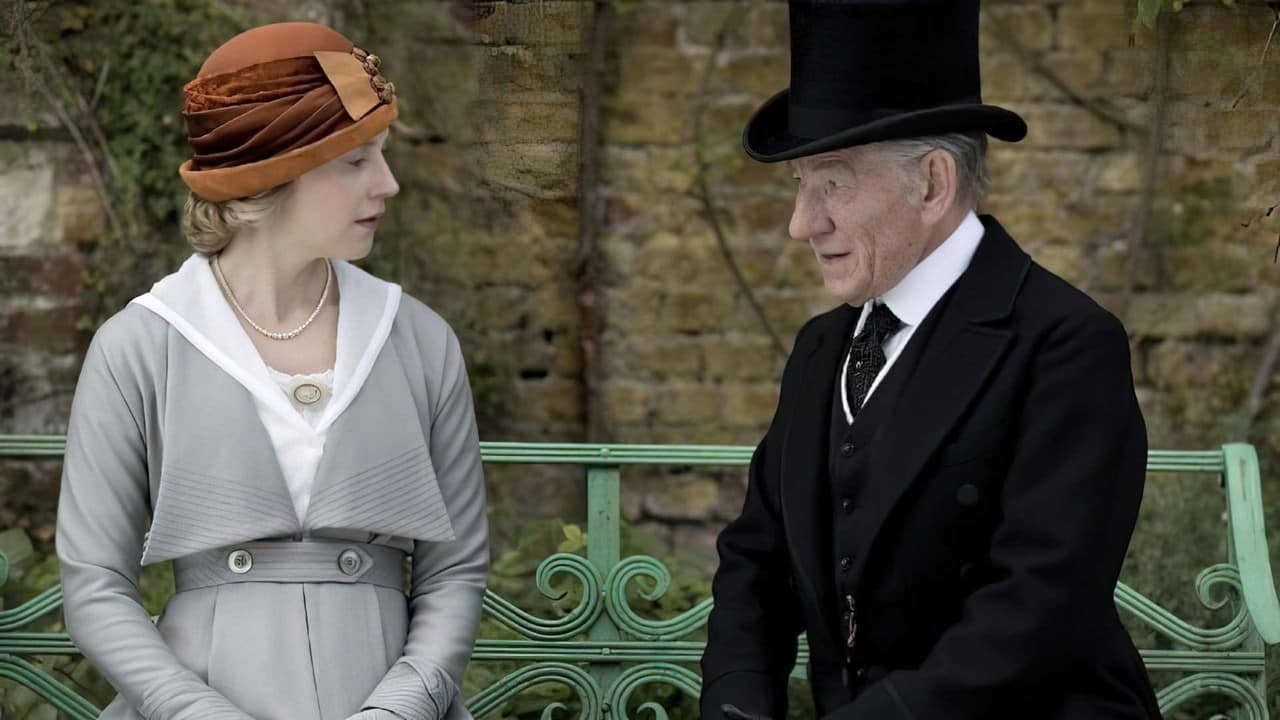
I watched Mr. Holmes on a rainy Tuesday while eating a slightly stale scone that felt remarkably appropriate for the film’s English countryside setting. It’s a quiet, dignified movie that arrived in 2015—a year dominated by the noisy arrival of Avengers: Age of Ultron—and it felt like a deliberate, cooling balm. In an era of franchise saturation where every intellectual property is being strip-mined for "origin stories," director Bill Condon gave us something far rarer: a graceful ending.
A Hero in Decay
The heavy lifting here is done by Ian McKellen, who is nothing short of spectacular. He’s playing two versions of Holmes: the ninety-something retiree whose mind is betraying him, and the slightly younger, sixty-something Holmes seen in flashbacks. It’s a subtle, physical performance. As the older Sherlock, he moves with a fragile stiffness, his hands trembling as he tries to write down the details of his final, failed case before they evaporate forever.
What I love about McKellen’s approach is that he doesn't play "Old Sherlock" as a saint. He’s still prickly, impatient, and occasionally arrogant. But there is a new, terrifying vulnerability there. He’s a man who has lived his entire life by the sword of logic, only to find that logic is useless against the slow-motion car crash of dementia. It’s a performance that makes you realize Sherlock Holmes without his intellect is just a lonely man in a very big house.
The Myth vs. The Reality
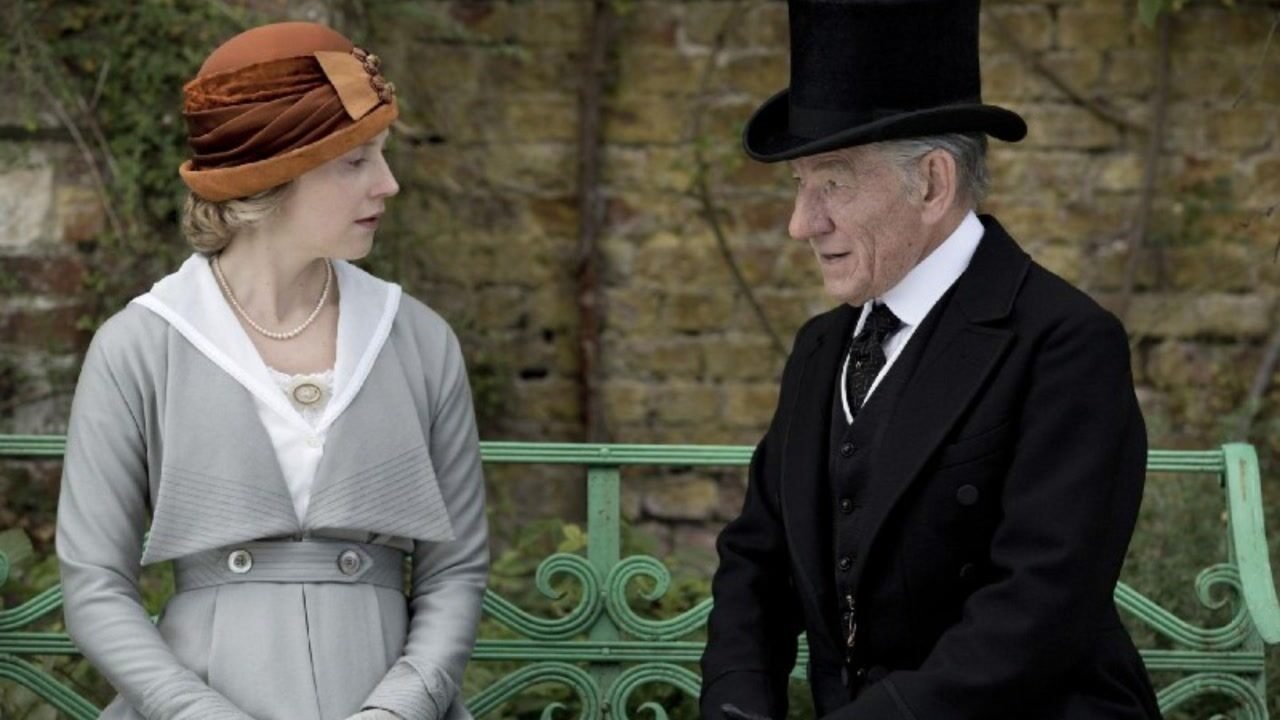
The plot weaves between 1947 and a 1919 case involving a grieving woman (Frances de la Tour) and a pair of glass harmonicas. There’s also a subplot involving a trip to post-war Japan to find a legendary "prickly ash" plant, where he meets Tamiki Umezaki (Hiroyuki Sanada). But the real mystery isn't "whodunnit"—it’s "why did I stop?"
The film leans into the idea that Dr. Watson’s stories were largely fiction, a colorful coat of paint applied to a much bleaker reality. Holmes spends the movie trying to write the true version of his final case, a task that becomes a race against his own fading neurons. It’s a clever meta-commentary on the character’s history. In a decade where we were getting a new Holmes every six months, Mr. Holmes asks us to consider the person behind the brand. It suggests that the "great detective" was always a bit of a performance, and now that the audience is gone and the stage lights are dimming, the actor is finally seeing himself clearly.
The Boy and the Bees
Providing the emotional anchor is Milo Parker as Roger, the housekeeper’s son. He becomes Holmes’s apprentice, not in detective work, but in beekeeping. Their chemistry is the heart of the film, providing a bridge between the cold intellect of the past and a more empathetic future. Laura Linney, playing Roger's mother Mrs. Munro, provides a grounded, skeptical counterpoint. She doesn't see a legend; she sees a demanding, elderly employer who needs constant supervision.
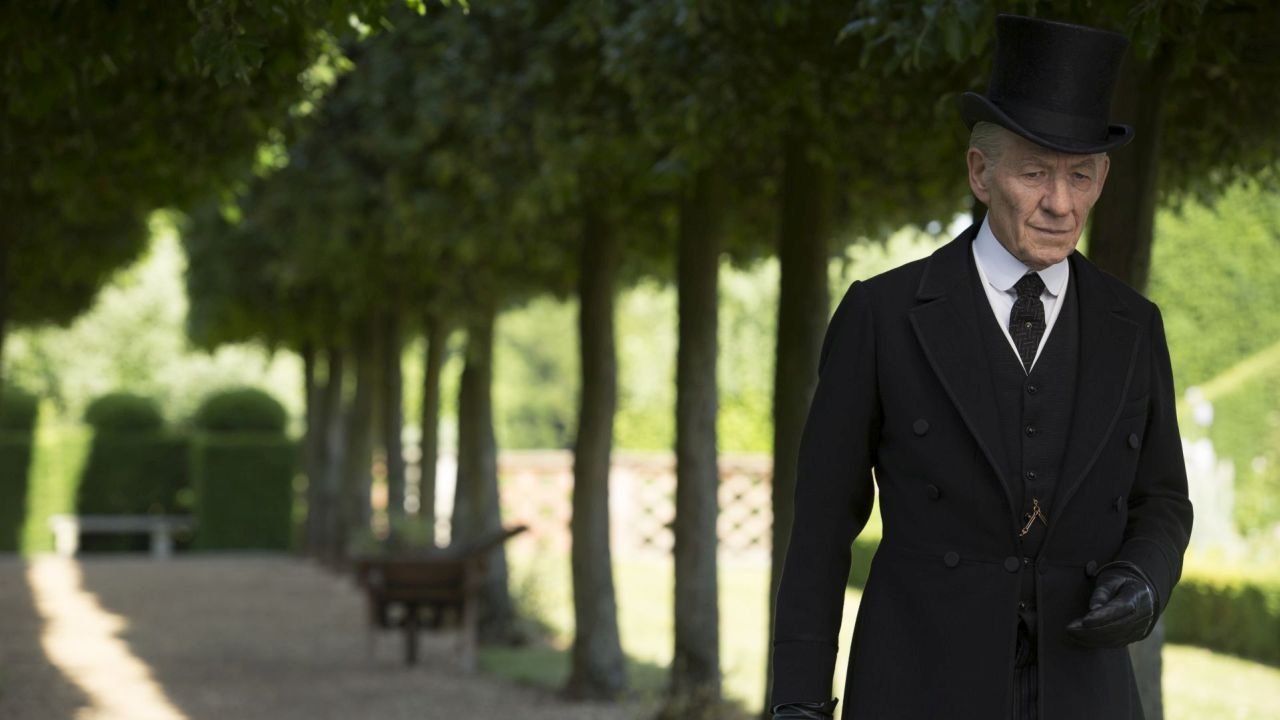
The film was released during a time when "legacy sequels" were becoming the industry standard, but Mr. Holmes resists the urge to be a fan-service machine. There are no cameos from a descendant of Moriarty, no secret hidden treasures. It’s a drama about the human condition that just happens to star a cultural icon. Apparently, Ian McKellen actually learned some basic beekeeping for the role, and that tactile reality shines through. The scenes in the garden feel lived-in and peaceful, contrasting sharply with the cold, sterile memories of the 1919 investigation.
Mr. Holmes is a beautiful, melancholy look at what happens when a man known for his mind starts to lose it. It’s a mystery where the "clues" are fragments of a life lived too rationally, and the "solution" is the simple, messy reality of human emotion. If you’re tired of the frantic pace of modern blockbusters, this is a perfect, thoughtful palate cleanser. It’s a reminder that even the greatest legends eventually have to face the sunset, and there’s a quiet sort of dignity in doing so with a friend and a beehive.
Keep Exploring...
-

The Good Liar
2019
-

Under the Silver Lake
2018
-

Dark Places
2015
-
The Outfit
2022
-
Hail, Caesar!
2016
-
Suburbicon
2017
-

Wind River
2017
-
Bad Times at the El Royale
2018
-
The Good Nurse
2022
-

Reptile
2023
-
Beauty and the Beast
2017
-
Murder on the Orient Express
2017
-

Dope
2015
-

Max
2015
-
Secret in Their Eyes
2015
-
Miracles from Heaven
2016
-
Risen
2016
-
The Infiltrator
2016
-
Roman J. Israel, Esq.
2017
-
The Discovery
2017