No Escape
"Your overseas dream job just became a nightmare."
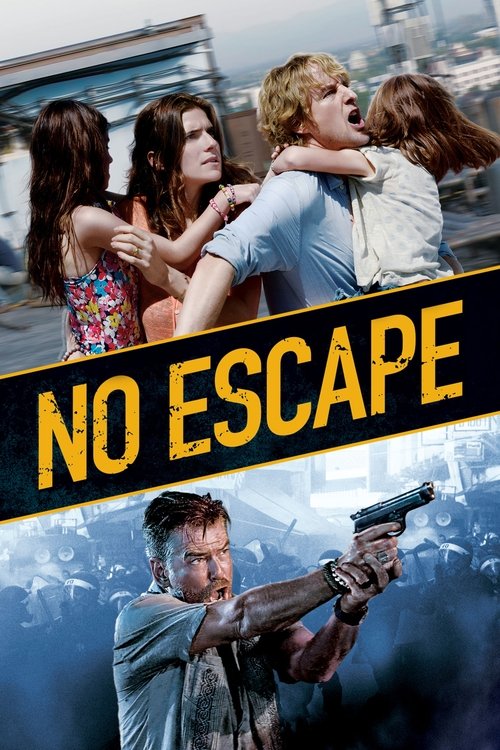
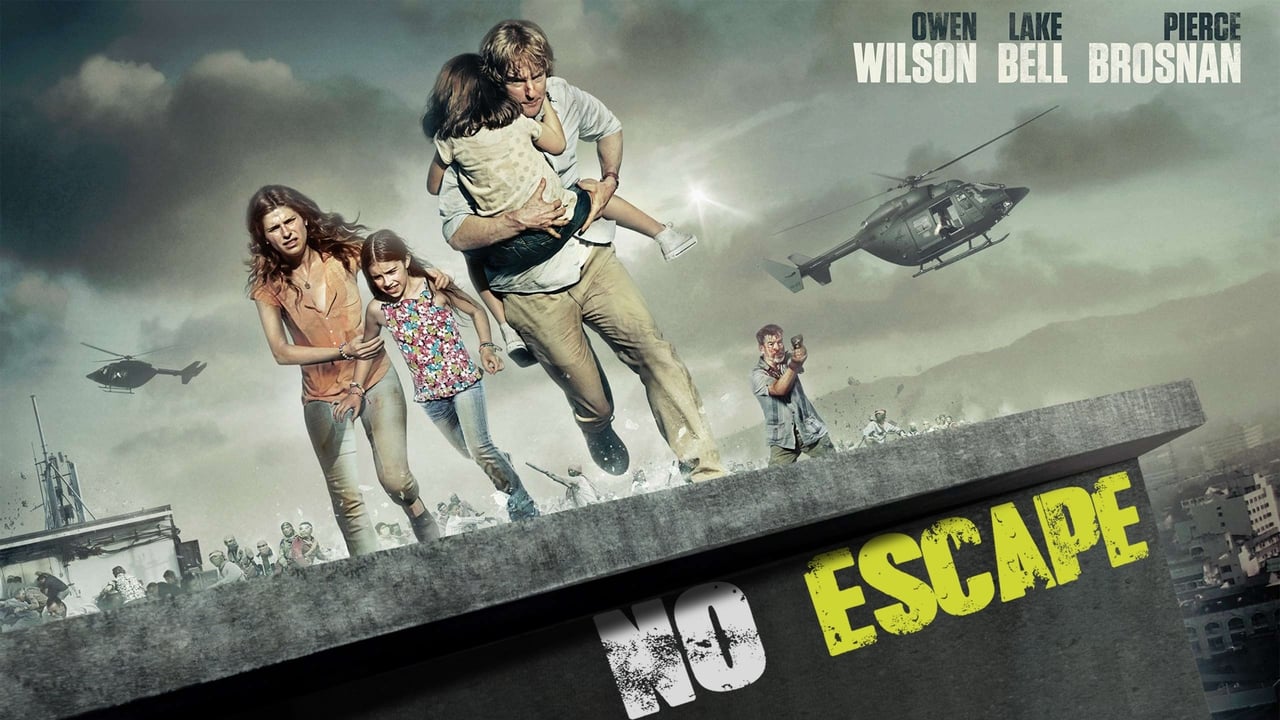
If you’d told me back in 2005 that the guy from Wedding Crashers would eventually lead one of the most nerve-shredding, "please-let-me-breathe" survival thrillers of the 2010s, I would have laughed you out of the room. Yet, here we are. I recently revisited No Escape on a Tuesday night while nursing a lukewarm bowl of instant ramen that I’d accidentally over-salted, and the sheer saltiness of my dinner weirdly complemented the grittiness on screen. There is something profoundly jarring about seeing Owen Wilson—a man whose entire brand is built on a "wow" and a laid-back shrug—looking genuinely, biologically terrified.

Released in 2015, this film feels like a relic of a mid-budget era that's rapidly disappearing from theaters and migrating to the "Trending Now" rows of Netflix. It doesn't have a superhero cape or a multi-million dollar de-aging budget; it just has a family, a very tall building, and a lot of people who want them dead.
The Roof Jump Heard 'Round the World
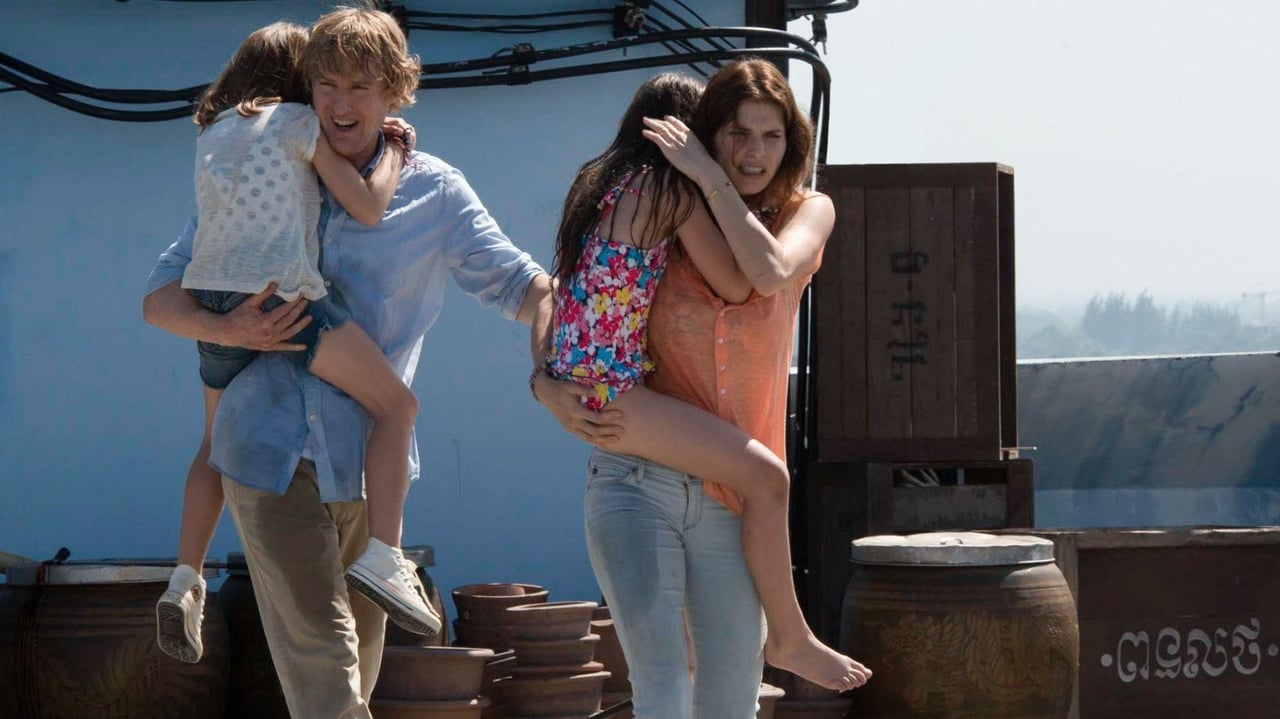
The plot is deceptively simple. Jack Dwyer (Owen Wilson) moves his wife Annie (Lake Bell) and their two daughters to Southeast Asia for a job with a multi-national water company. Within twenty-four hours, the prime minister is assassinated, the Fourth Estate is executed, and the Dwyers are caught in the middle of a bloody coup where foreigners are the primary targets.
Director John Erick Dowdle (who gave us the underrated claustrophobia of As Above, So Below) doesn't waste time. The transition from "travel fatigue" to "total anarchy" is handled with a sickening speed. The standout sequence—the one everyone remembers—is the roof jump. When the family is cornered on a hotel rooftop, Jack has to literally hurl his young daughters across a massive gap to another building. Watching Sterling Jerins and Claire Geare get tossed like human footballs is genuinely distressing. The movie treats these kids like actual stakes rather than invincible plot armor, and that’s where the tension finds its teeth.
The "Bond" in the Background
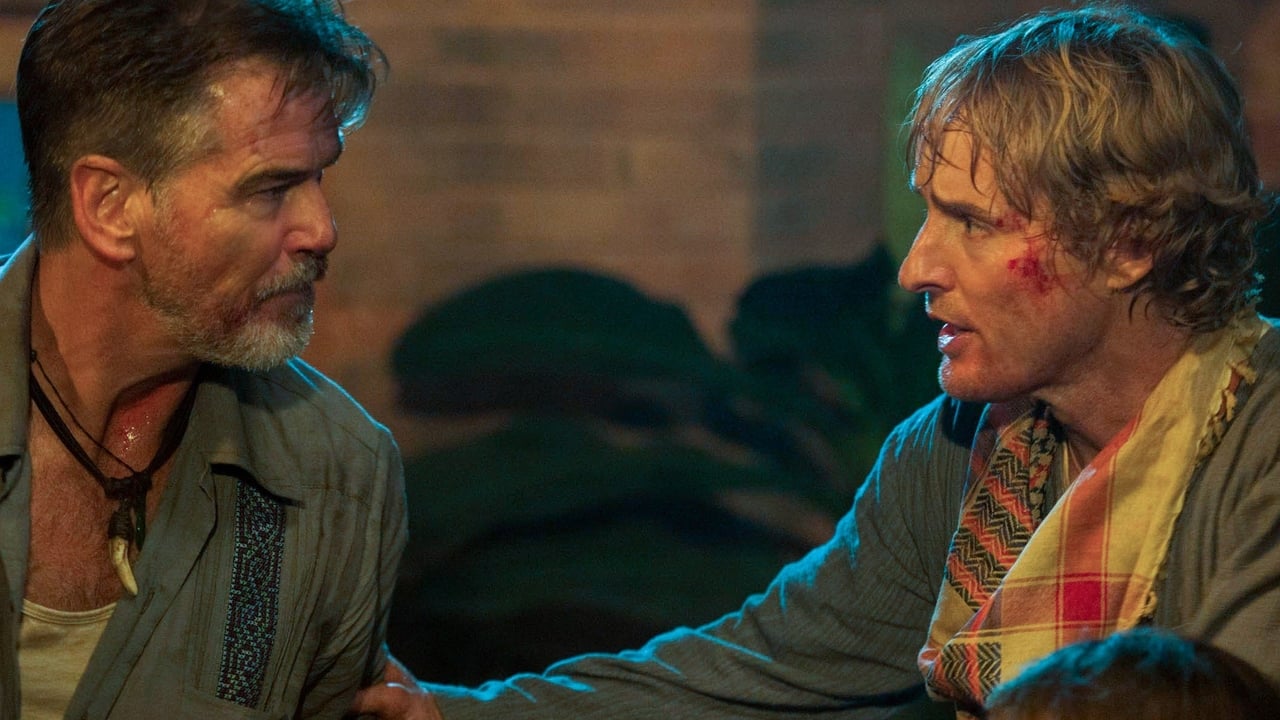
While Owen Wilson is the heart of the film, providing a "Dad-mode" performance that feels grounded and un-heroic, the secret sauce is Pierce Brosnan. He plays Hammond, a weathered British operative who looks like he’s been drinking gin and regret for a solid decade. It’s a brilliant bit of meta-casting; he’s essentially playing a "post-credits" version of James Bond who has seen too much and cares too little about the rules.
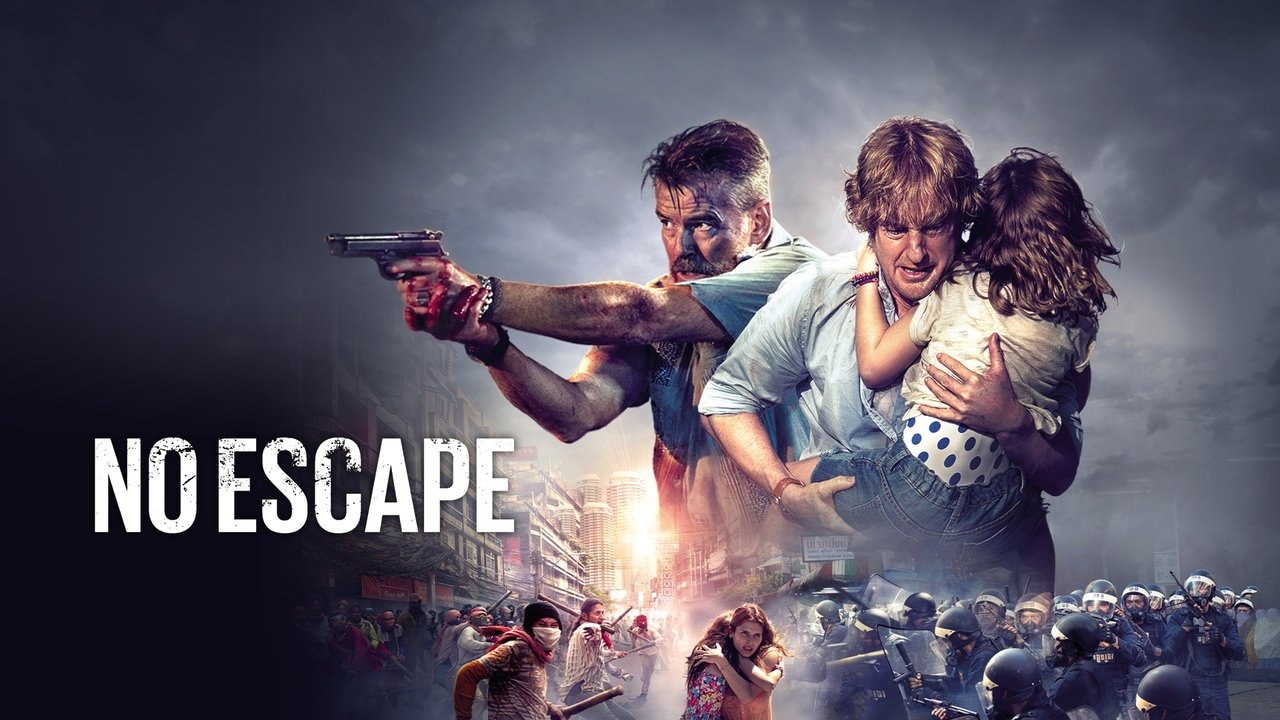
Pierce Brosnan provides the necessary exposition to explain why the coup is happening—hinting at the predatory nature of Western corporations—which gives the film a thin veneer of political commentary. However, let’s be real: you aren't here for a lecture on macroeconomics. You’re here to see if Lightning McQueen can keep his family from getting macheted. Brosnan’s mustache in this movie deserves its own SAG award for supporting actor, purely for the amount of character it adds to his grizzled persona.
Behind the Scenes and Cult Status
Despite being a modest box office success, No Escape has morphed into a bit of a cult classic for survival junkies. It’s the kind of movie you find on a streaming service at midnight and can't turn off because the pacing is relentless.
The Original Title: It was originally titled The Coup, but test audiences found it confusing. Apparently, some people thought it was a movie about a two-door car. The Thai Ban: The film was shot in Chiang Mai, Thailand. To get permission to film, the production had to promise not to identify the country as Thailand. Despite this, the film was initially banned there because the "rebel" language was just Thai spoken backward or slightly altered. Real Danger: During the moped scenes, Owen Wilson actually did a significant amount of the driving with Lake Bell on the back. He later admitted he was more nervous about dropping a co-star than the actual stunt work. Casting Against Type: The Dowdle brothers specifically wanted Owen Wilson because they felt a comedian’s natural vulnerability would make the audience feel more protective of the character. It worked; Wilson looks like he’s about to vomit for 70% of the runtime, which is exactly how I would look. * The "Water" Theme: The script was inspired by a real-life trip the director took to Thailand with his father, right before a coup actually took place.
The Contemporary Lens
Looking at this film now, it’s impossible to ignore the "faceless mob" trope. The movie has been criticized for its depiction of the local population as a monolithic wave of violence. It’s a valid critique; the film isn't interested in the nuances of the revolutionaries' plight, choosing instead to use the chaos as a backdrop for a "protect the tribe" survival story. In our current era of heightened social awareness, the movie feels like a 1990s action throwback trapped in a 2015 body.
Does that make it a bad film? Not necessarily. As a piece of pure, adrenaline-fueled craft, it’s exceptionally effective. The cinematography by Léo Hinstin favors handheld, tight shots that make you feel as trapped as the Dwyers. It’s a "Stress Simulator" in the best way possible. By the time the credits roll, you’ll feel like you need a shower and a very long nap.
No Escape is a lean, mean, and occasionally mean-spirited thriller that succeeds because it keeps the stakes intimate. It doesn't try to save the world; it just tries to get four people across a river. If you can move past the shaky geopolitics, you're left with a masterclass in tension and a surprisingly sturdy dramatic turn from a man we usually associate with shaggy-dog comedies. Just maybe don't watch it right before you head to the airport for a tropical vacation.
Keep Exploring...
-
As Above, So Below
2014
-
Self/less
2015
-
Sicario
2015
-
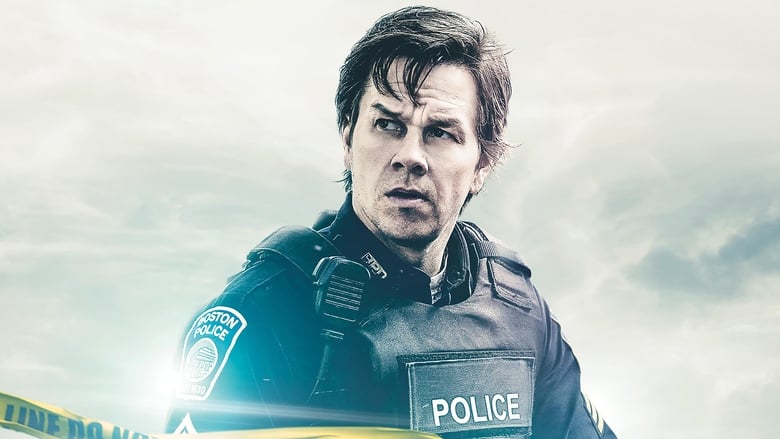
Patriots Day
2016
-

Triple 9
2016
-
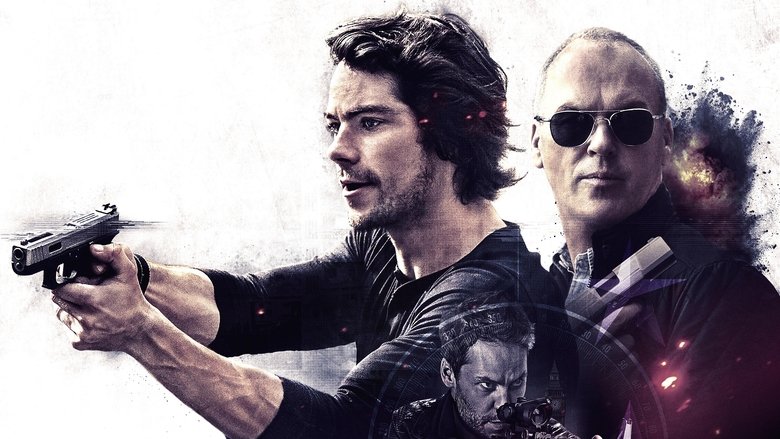
American Assassin
2017
-
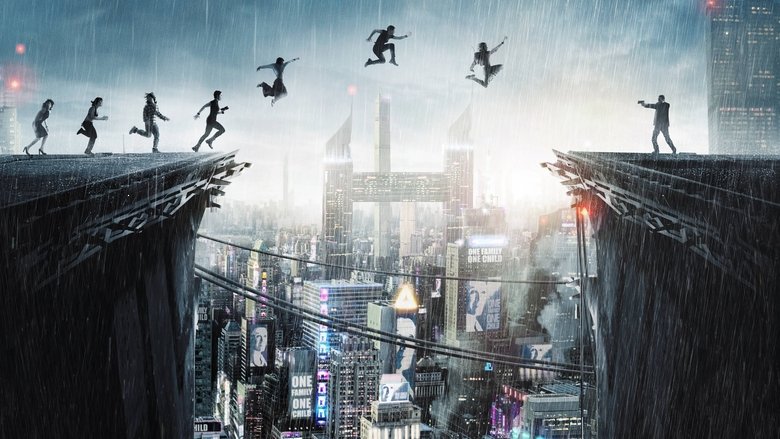
What Happened to Monday
2017
-

Death Wish
2018
-
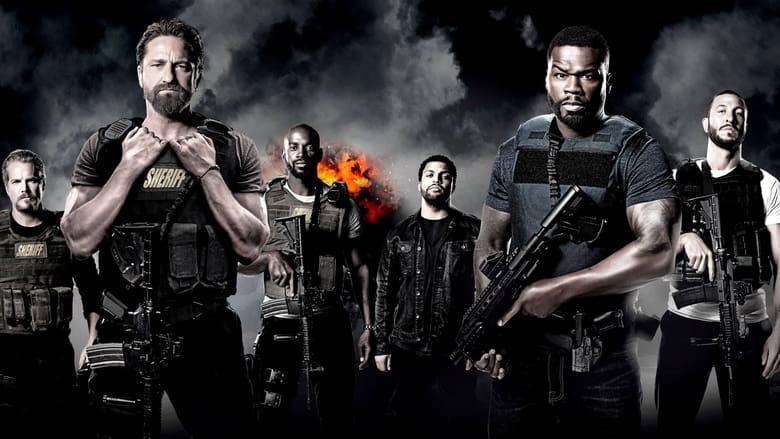
Den of Thieves
2018
-
Hunter Killer
2018
-

Mile 22
2018
-

Peppermint
2018
-
Sicario: Day of the Soldado
2018
-

Anna
2019
-
Greenland
2020
-
The Hunt
2020
-

In the Heart of the Sea
2015
-
Point Break
2015
-
Run All Night
2015
-
Terminator Genisys
2015