Paper Towns
"She’s a mystery, not a miracle."
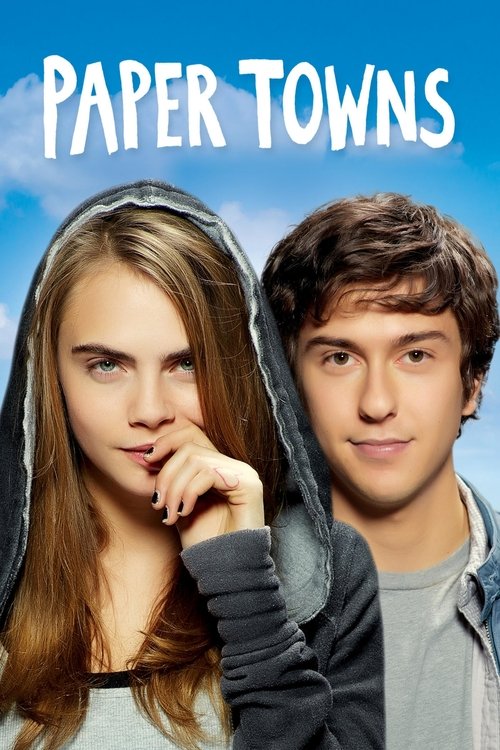
In 2015, we were living in the absolute peak of the "John Green Cinematic Universe." It was a brief, shimmering window of time when mid-budget adolescent dramas could still command a theatrical release and a massive cultural footprint before that entire genre migrated permanently to the Netflix queue. Coming off the back of the tear-soaked phenomenon The Fault in Our Stars, Jake Schreier’s adaptation of Paper Towns arrived with a different mission: instead of making us cry, it wanted to make us think about the dangerous ways we idolize the people we love.
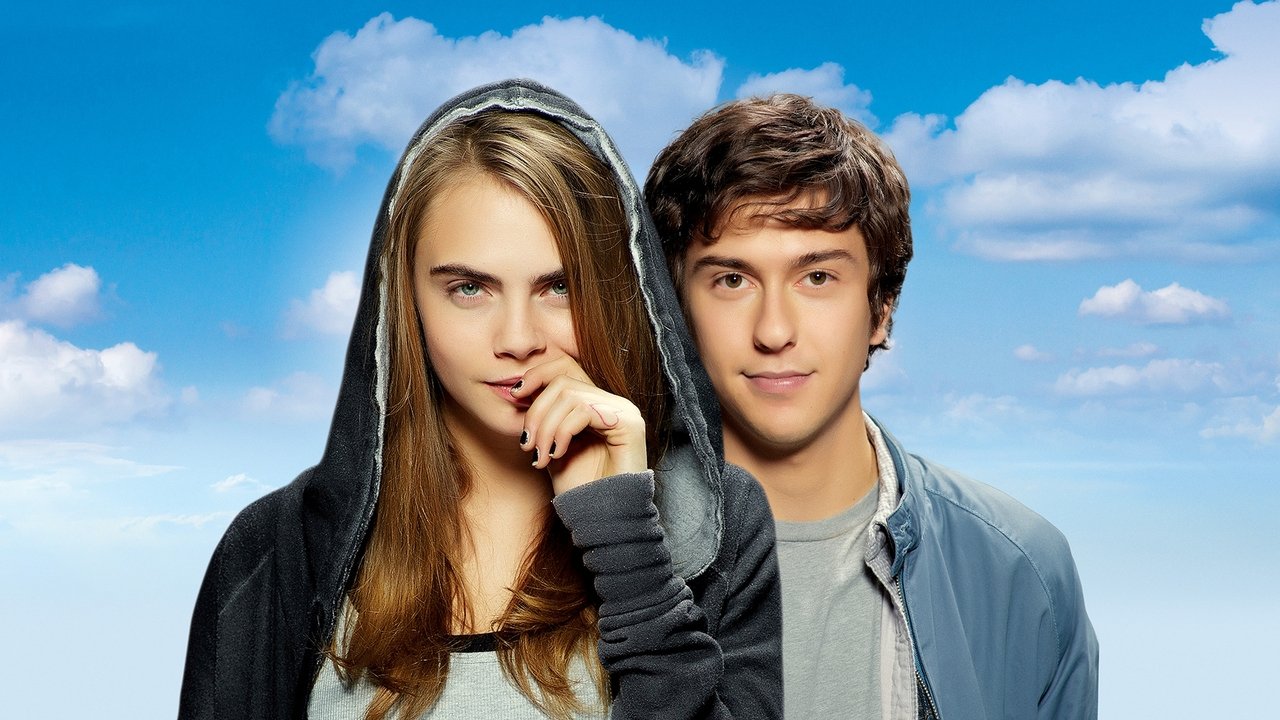
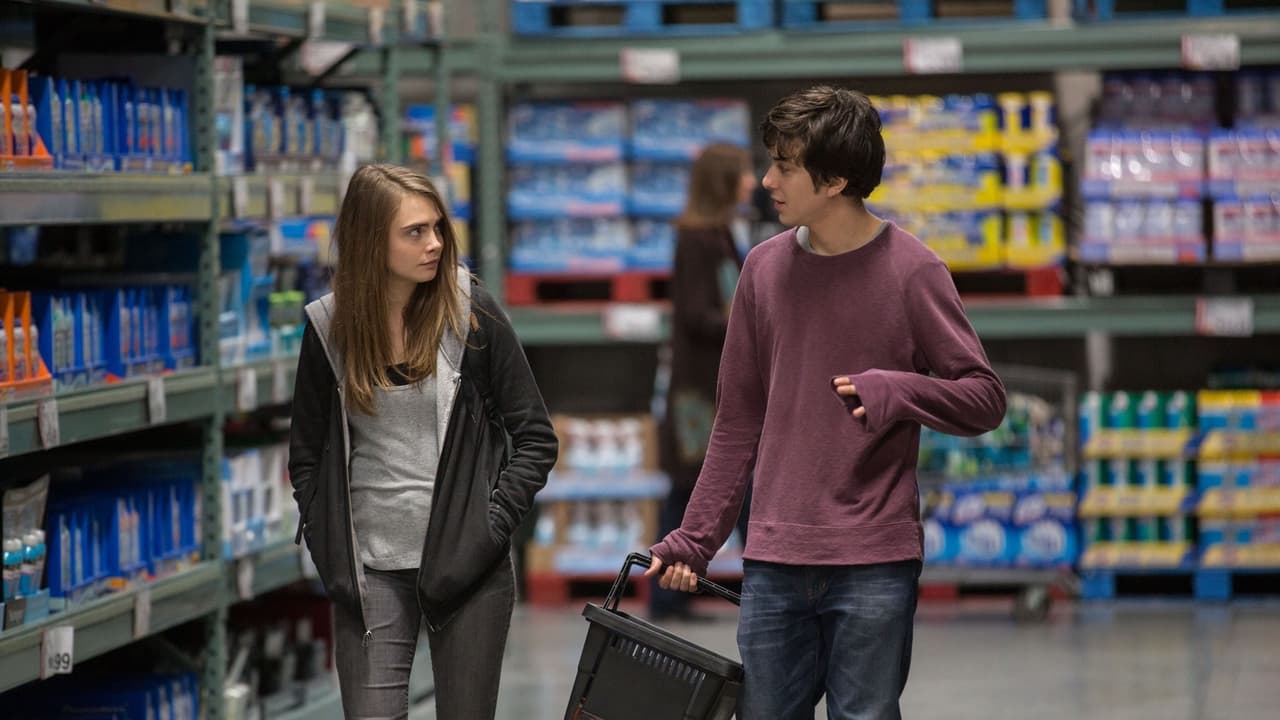
I watched this recently on a laptop with a screen so covered in fingerprint smudges that I spent the first twenty minutes convinced Nat Wolff was wearing a very textured gray sweater. It turns out my screen was just dirty, but that messy, obscured view actually fits the film’s central conceit rather well.
The Deconstruction of the Muse
The story follows Quentin, played with a perfect "anxious-but-hopeful" energy by Nat Wolff (The Stand, Death Note), who has been in love with his neighbor Margo Roth Spiegelman since they were kids. Margo, played by Cara Delevingne (Suicide Squad, Only Murders in the Building), is the neighborhood enigma—the girl who runs away to join the circus or breaks into SeaWorld just because it’s Tuesday. When she disappears after a night of high-stakes revenge pranks, leaving a trail of clues behind, Quentin assumes he’s the protagonist in a grand romantic mystery.
The genius of the screenplay by Scott Neustadter and Michael H. Weber (the duo behind 500 Days of Summer) is that it effectively subverts the "Manic Pixie Dream Girl" trope. While the marketing suggested a whimsical scavenger hunt for a soulmate, the film is actually a bit of a localized tragedy about a boy who refuses to see a girl as a human being. Quentin is essentially stalking a ghost he invented, and watching that realization slowly dawn on him is far more rewarding than any standard "guy gets the girl" ending could ever be.
A Road Trip for the Rest of Us

While the mystery of Margo drives the plot, the soul of the movie lives in the backseat of a minivan. The chemistry between Nat Wolff, Austin Abrams (Euphoria), and Justice Smith (Dungeons & Dragons: Honor Among Thieves) is genuinely infectious. Abrams, in particular, delivers a breakout performance as Ben, a kid desperate to be "cool" but mostly just ending up charmingly pathetic.
The road trip sequence in the final act captures that specific high-school-senior-year anxiety—the feeling that the world is about to get much bigger and your friendships are about to get much smaller. There’s a scene involving a gas station, a black Santa suit, and a sing-along to the Pokémon theme song that feels so authentically "teenager" it makes most other YA films look like they were written by an AI trying to simulate youth. I genuinely think the road trip is better than the mystery itself, mostly because the destination is intentionally underwhelming, but the company is great.
The Mystery of the "Paper Town"
One of the coolest things about the production—and something that helped spark its cult following—is the lore of Agloe, New York. In the film, a "paper town" is a fake place put on maps by cartographers to catch copyright infringers. Agloe was a real-life trap town created by the General Drafting Company in the 1930s. Eventually, people actually built a general store there because it was on the map, turning the fiction into reality.
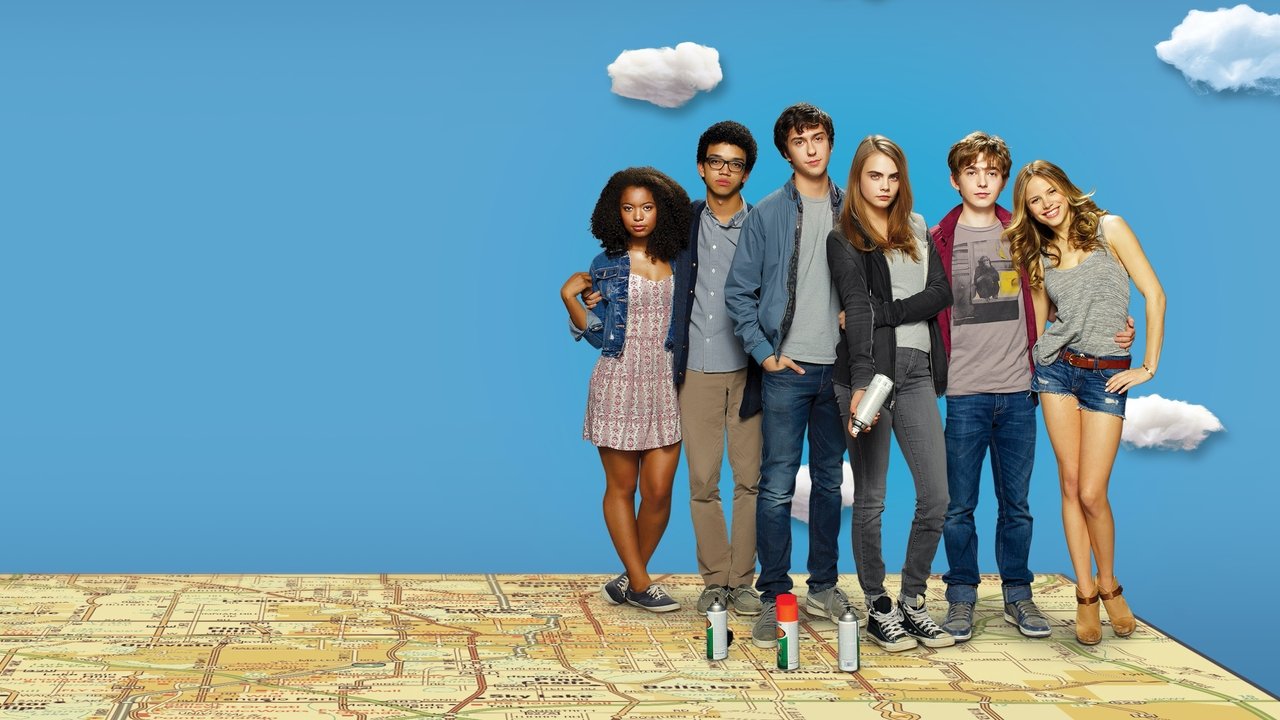
This meta-layer echoes through the film’s production. John Green, the author, actually has a voice cameo in the film as the father of a girl at a party, but he was so involved in the social media marketing that the movie felt like a collaborative event between the author and his "Nerdfighters" fanbase. It was one of the last times a film felt like a true internet-culture milestone before social media became a purely toxic wasteland of spoilers and discourse.
Stuff You Might Have Missed
Cara Delevingne was actually the first person cast, and her audition was so intense it reportedly made Nat Wolff cry in the room. The "Mountain Dew" scene—where the boys try to stay awake—was mostly improvised, capturing the genuine exhaustion of the actors during a night shoot. The film features a cameo from Ansel Elgort, the lead of The Fault in Our Stars, as a gas station clerk, bridging the "Green-verse" in a way that delighted 2015 Tumblr users. Justice Smith’s character, Radar, is obsessed with "Omnictionary," a fictional version of Wikipedia. In a bit of real-world irony, fans actually went out and populated the real Wikipedia with references to the movie.
Paper Towns is a rare breed of teen movie that respects its audience enough to tell them that their crushes are probably just people, and that "finding yourself" usually involves getting lost in a strip mall in upstate New York. It doesn't have the grand, tragic sweep of its predecessor, but it has a brain and a heart that still beat quite loudly today. It’s a reminder that the best mysteries aren’t the ones we solve, but the ones that teach us how little we actually know about the people sitting right next to us.
Keep Exploring...
-
The Ballad of Buster Scruggs
2018
-
The Discovery
2017
-
A Ghost Story
2017
-

Aloha
2015
-
The Gift
2015
-

Café Society
2016
-
Hail, Caesar!
2016
-
It Comes at Night
2017
-
The Mountain Between Us
2017
-
The Space Between Us
2017
-
Bad Times at the El Royale
2018
-

Suspiria
2018
-
Midsommar
2019
-
Rebecca
2020
-
Crimson Peak
2015
-

We Are Your Friends
2015
-
Youth
2015
-
Passengers
2016
-
Paterson
2016
-
The Disaster Artist
2017