Project Almanac
"Fix the past. Break the future."
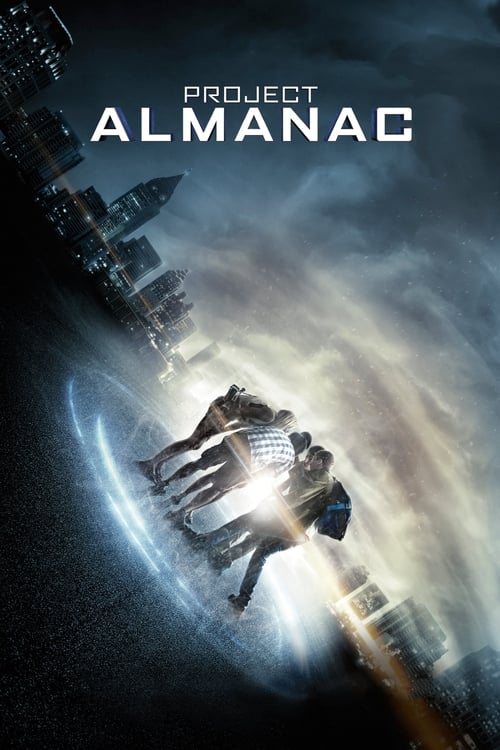
I watched Project Almanac on a Tuesday evening while trying to ignore my neighbor's leaf blower, and honestly, the chaotic drone from outside actually synced up pretty well with the movie’s frantic energy. There is a specific kind of "mid-2010s" flavor to this film—a mix of GoPro-fueled adrenaline, American Eagle outfits, and the lingering influence of the "found footage" boom—that makes it feel like a very shiny time capsule.

When it first landed in 2015, Project Almanac was met with a bit of a collective shrug. We were deep in the woods of franchise fatigue, and the found-footage gimmick was starting to feel like a house guest who had overstayed their welcome. But looking at it now, through the lens of Popcornizer’s love for the slightly overlooked, there’s a genuine charm to how this movie handles the "what if" of time travel through a teenage perspective. It’s not trying to be Tenet; it just wants to know if you’d use a flux capacitor to pass a chemistry test.
The Attic, The Camera, and The Chaos
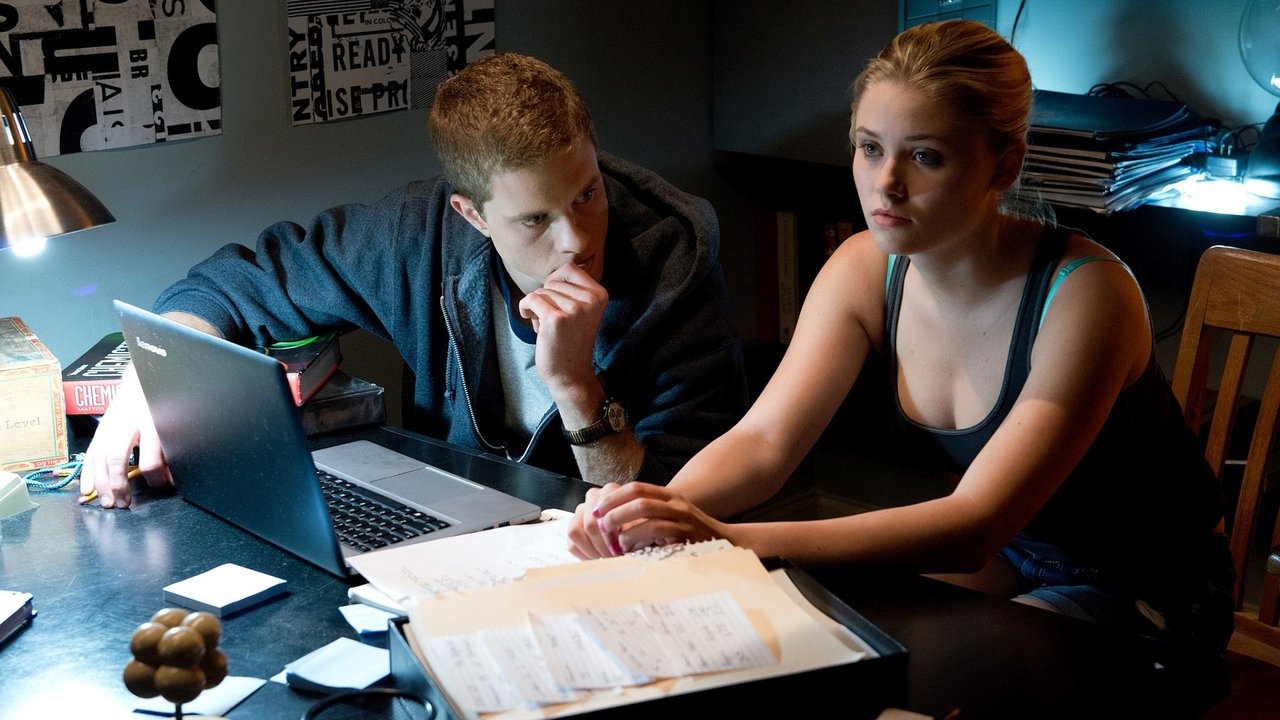
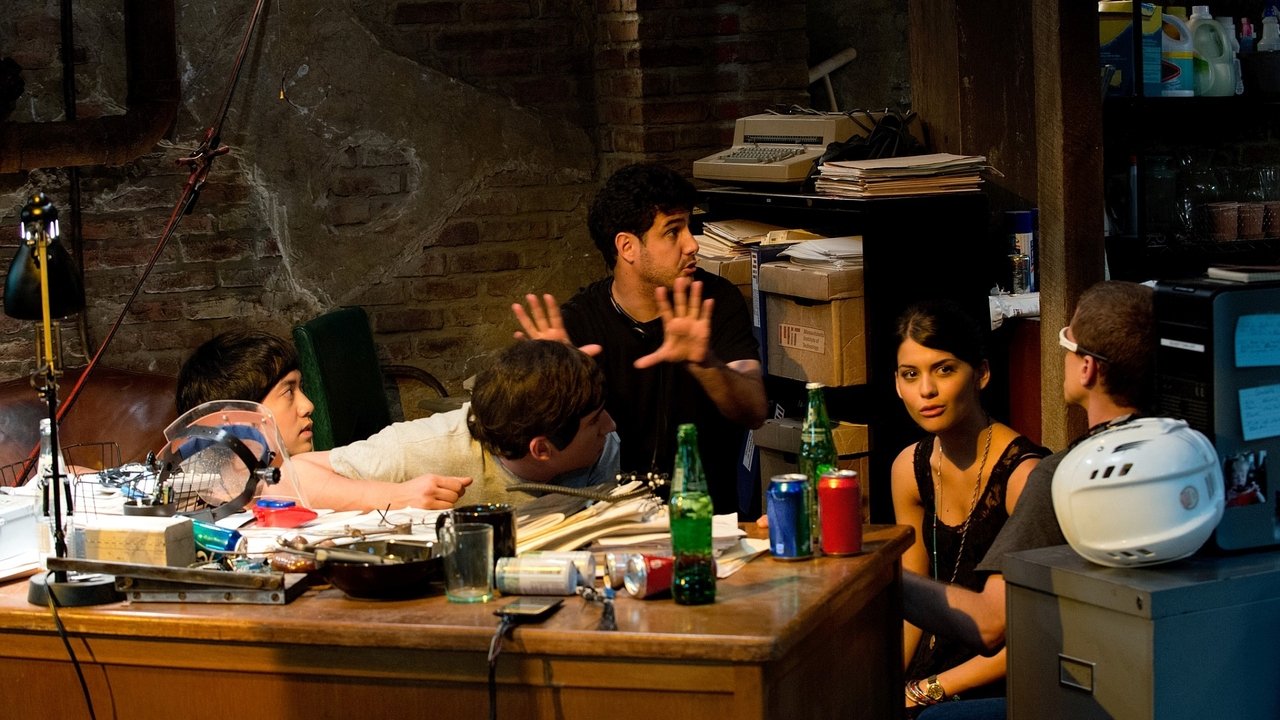
The story kicks off with David Raskin (Jonny Weston), a high school science whiz who finds his late father’s old video camera and a set of blueprints for a "temporal relocation" device. Along with his sister and his two best friends (Sam Lerner and Allen Evangelista), and eventually his crush, Jessie (Sofia Black-D'Elia), they actually build the thing.
What follows is the strongest part of the film: the "testing" phase. Director Dean Israelite, who later gave us the surprisingly decent Power Rangers (2017) reboot, captures that specific brand of teenage idiocy perfectly. They don't go back to kill Hitler or invest in Apple in 1980. They go back to win the lottery, get revenge on a bully, and attend Lollapalooza. It’s relatable, small-stakes sci-fi that feels earned because the performances feel like actual human teenagers rather than 30-year-old underwear models.
The found-footage style, produced by Michael Bay, is predictably polished. This isn't the grainy, nauseating handheld of The Blair Witch Project. It’s "Bay-lite"—lots of lens flares, beautiful people looking distressed in 4K, and a soundtrack that screams 2014. While the camera-work is technically "found," the movie frequently cheats, using angles that no teenager with a camcorder would ever actually get. It’s a bit of a stylistic lie, but it keeps the pacing from dragging.
The Butterfly Effect in a Varsity Jacket

The second half of the movie is where the "Thriller" tag in the genre description starts to earn its keep. As David starts making solo trips to perfect his romantic life with Jessie, the ripples start turning into tidal waves. This is classic "Butterfly Effect" territory, but applied to the high-stakes world of high school social hierarchies and sudden plane crashes.
I’ve always felt that Jonny Weston carries the weight of the "obsessed tinkerer" well. He goes from a likable underdog to someone whose moral compass is spinning wildly out of control, and you actually feel the anxiety of his mistakes. However, the film eventually falls into the trap of its own logic. Time travel movies are notoriously hard to stick the landing on, and Project Almanac starts to trip over its own shoelaces in the final twenty minutes. The internal rules of the "Almanac" device get a bit fuzzy, and the ending feels like it was reshuffled in the edit suite one too many times.
Stuff You Didn't Notice
One of the more interesting bits of trivia involves a major headache for Michael Bay and Paramount. The original cut of the film featured a brief clip of a real-life 1994 B-52 plane crash. After the families of the victims rightfully complained, the studio had to scramble to digitally alter the footage into a generic crash just weeks before release. It was a rare moment where the "realism" of found footage backfired spectacularly in the real world.
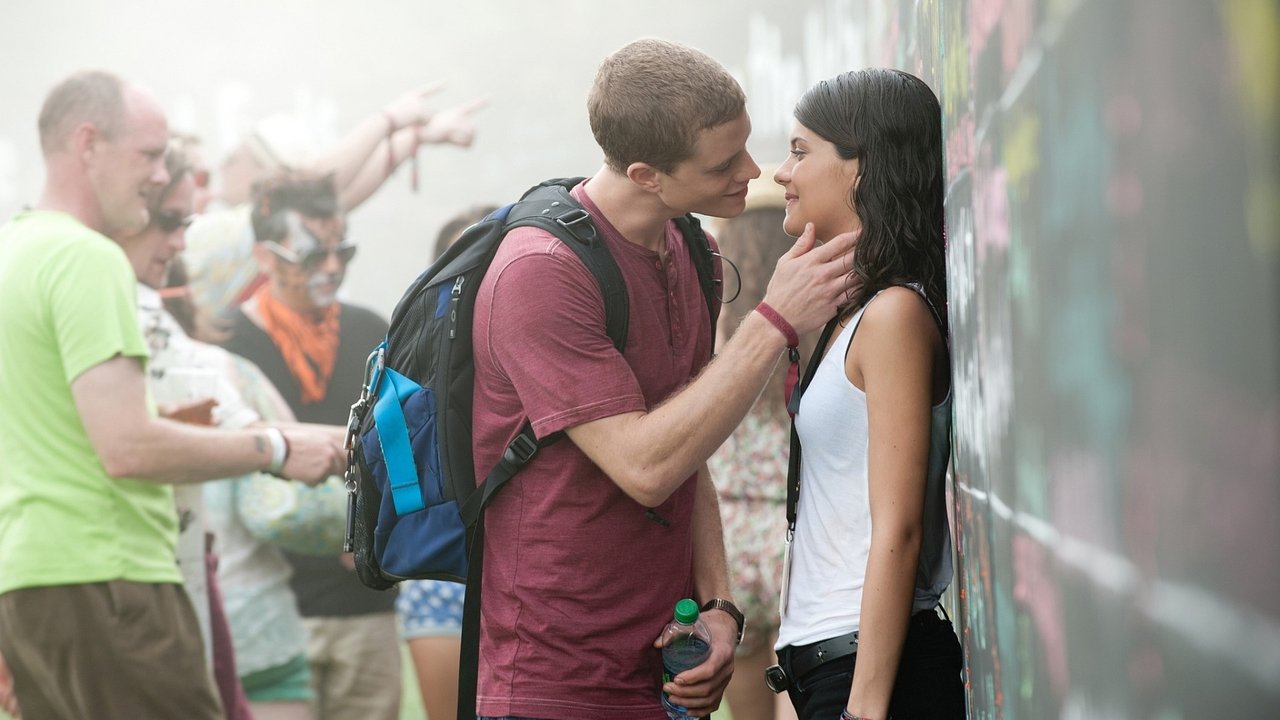
The film was also originally titled Welcome to Yesterday, and if you look closely at some of the early marketing or background props, you can still see traces of that identity. It’s a much more "indie" sounding title than the generic, tech-heavy Project Almanac. Also, those Lollapalooza scenes? Those weren't sets. The production actually hauled the cast and crew to the real festival in Chicago, filming during live sets by bands like Imagine Dragons. That’s why those scenes feel so much more alive than the rest of the movie—the sweat and the crowd-surfing are 100% authentic.
A Cult Perspective for the Smartphone Era
Is it a masterpiece? No. But found footage is often the cinematic equivalent of a heavy metal drummer who refuses to stop using the double-bass pedal—it’s loud, it’s distracting, and it’s a bit much for most people. Yet, Project Almanac uses that energy to capture a very specific cultural moment. It’s a film about the first generation that grew up documenting every single second of their lives, now given the power to actually edit those seconds.
For a contemporary audience, the film serves as a bridge between the "shaky cam" era of the 2000s and the "vlogger" aesthetic of today. It’s a cult favorite for a reason: it’s fun, it’s fast, and it doesn't overstay its welcome. If you can forgive the leap in logic toward the end, it’s a solid "what if" story that reminds us why we should probably just leave the past alone and focus on the cold burrito in front of us.
At its heart, Project Almanac is a polished B-movie with an A-list budget that manages to be more than the sum of its parts. It captures the frantic, hormonal desperation of being seventeen with a degree of honesty that the sci-fi trappings can’t totally obscure. It’s a perfect "bus ride" movie—fast-paced enough to keep you hooked, but light enough that you won't feel like you missed a philosophical treatise if you blink. Check it out if you’re in the mood for a thrill that doesn't require a physics degree to enjoy.
Keep Exploring...
-
Power Rangers
2017
-
Greenland
2020
-
Self/less
2015
-

Victor Frankenstein
2015
-

Underworld: Blood Wars
2016
-
What Happened to Monday
2017
-
Terminator Genisys
2015
-

Alien: Covenant
2017
-

Geostorm
2017
-

Gemini Man
2019
-
I Am Mother
2019
-

Terminator: Dark Fate
2019
-
Tenet
2020
-

Don't Worry Darling
2022
-

Companion
2025
-

Insurgent
2015
-
10 Cloverfield Lane
2016
-

Morgan
2016
-
The Discovery
2017
-

Anon
2018