Regression
"Don't believe everything you remember."
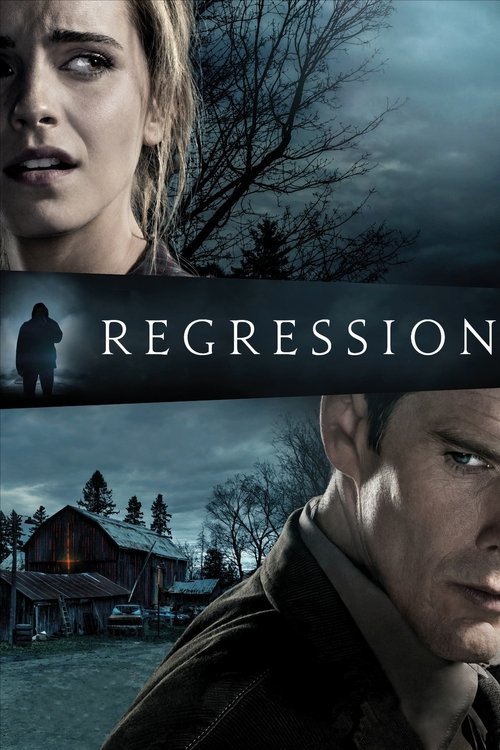
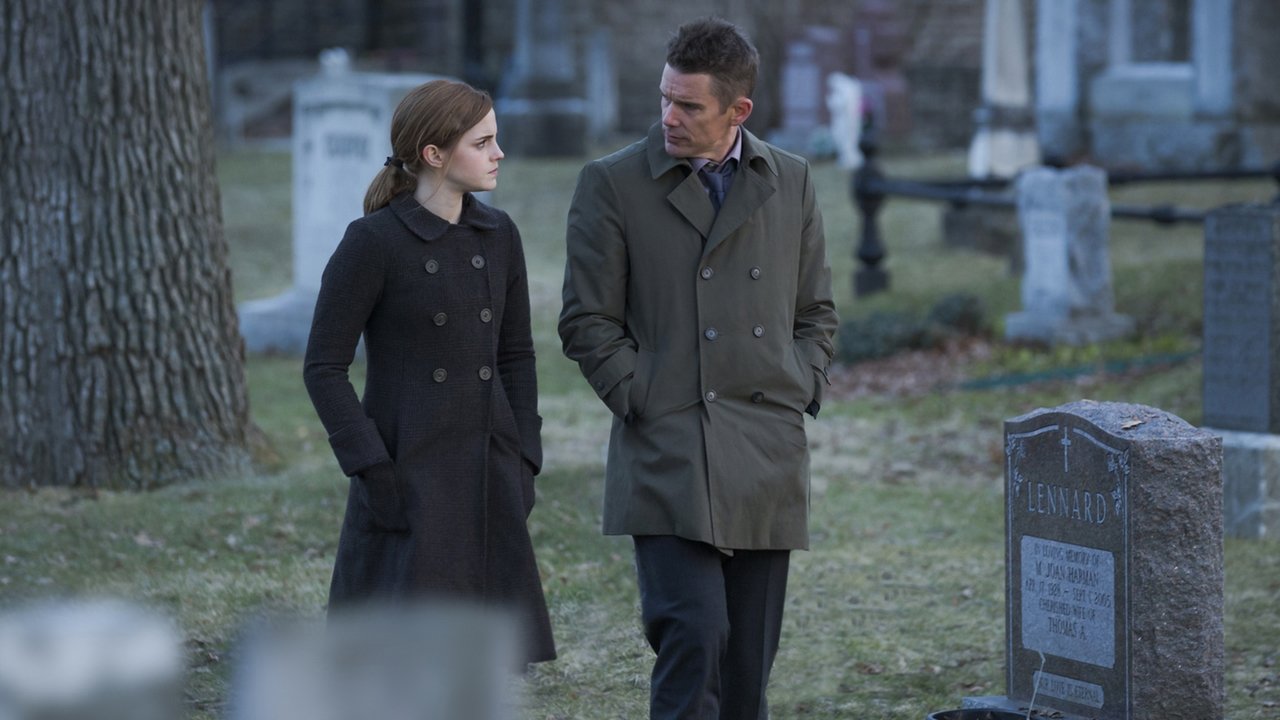
I distinctly remember the marketing campaign for Regression. It was 2015, and the posters featured Emma Watson looking absolutely terrified, leaning into a dark corner, while Ethan Hawke looked, well, like Ethan Hawke usually looks when he’s investigating something supernatural: tired, stubbly, and deeply concerned about his life choices. After his success with Sinister (2012), it felt like Hawke was becoming the patron saint of the "Gritty Dad vs. The Occult" subgenre.
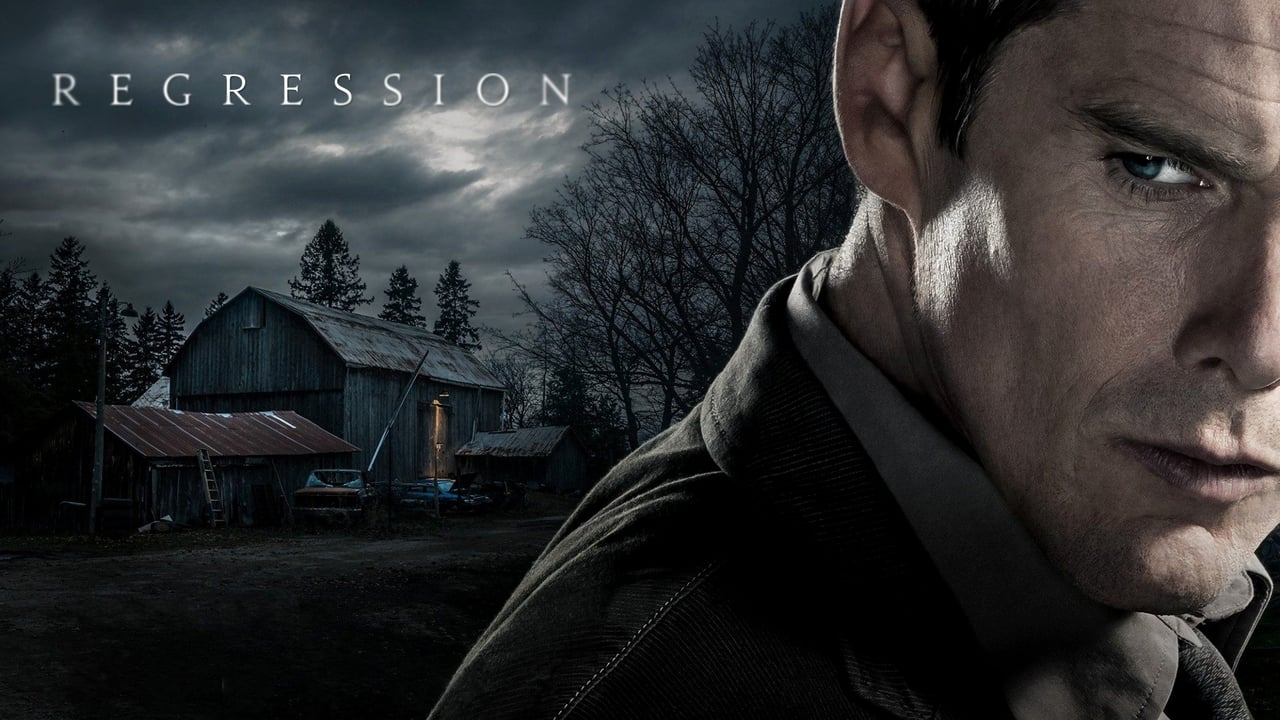
I watched this film on a Tuesday evening while eating a bowl of slightly burnt popcorn, and honestly, the smell of charred kernels was more evocative of a hellish ritual than most of the movie’s actual scares.
The Shadow of the Satanic Panic
Set in 1990s Minnesota, the film follows Detective Bruce Kenner (Ethan Hawke) as he investigates a young girl named Angela (Emma Watson) who accuses her father of a horrific ritualistic crime. The twist? The father (David Dencik) admits guilt but has zero memory of the event. Enter David Thewlis (our beloved Remus Lupin from the Harry Potter series) as Professor Raines, a man who uses "regression therapy" to help witnesses recover buried memories of hooded figures and baby-sacrificing cults.
Director Alejandro Amenábar, who previously gave us the chillingly perfect The Others (2001), clearly wanted to tap into the real-world "Satanic Panic" that gripped North America in the late 80s. In the current era of misinformation and internet rabbit holes, the movie’s themes of mass hysteria and suggestibility feel surprisingly relevant. However, Regression suffers from a weird identity crisis. It wants to be a psychological deconstruction of fear, but it presents its "memories" with the heavy-handed aesthetics of a direct-to-video horror flick.
Hermione and the Secret of the Bad Accent
The casting is a bit of a mixed bag. Emma Watson was at a pivotal moment in 2015; she was aggressively trying to shed the Hogwarts robes and prove her dramatic mettle. In Regression, she spends most of her time crying or looking haunted, but the script doesn't give her much to work with beyond "Victim Number One." Her American accent is a bit of a rollercoaster ride—sometimes Midwest, sometimes "I learned this from a dialect coach in London."
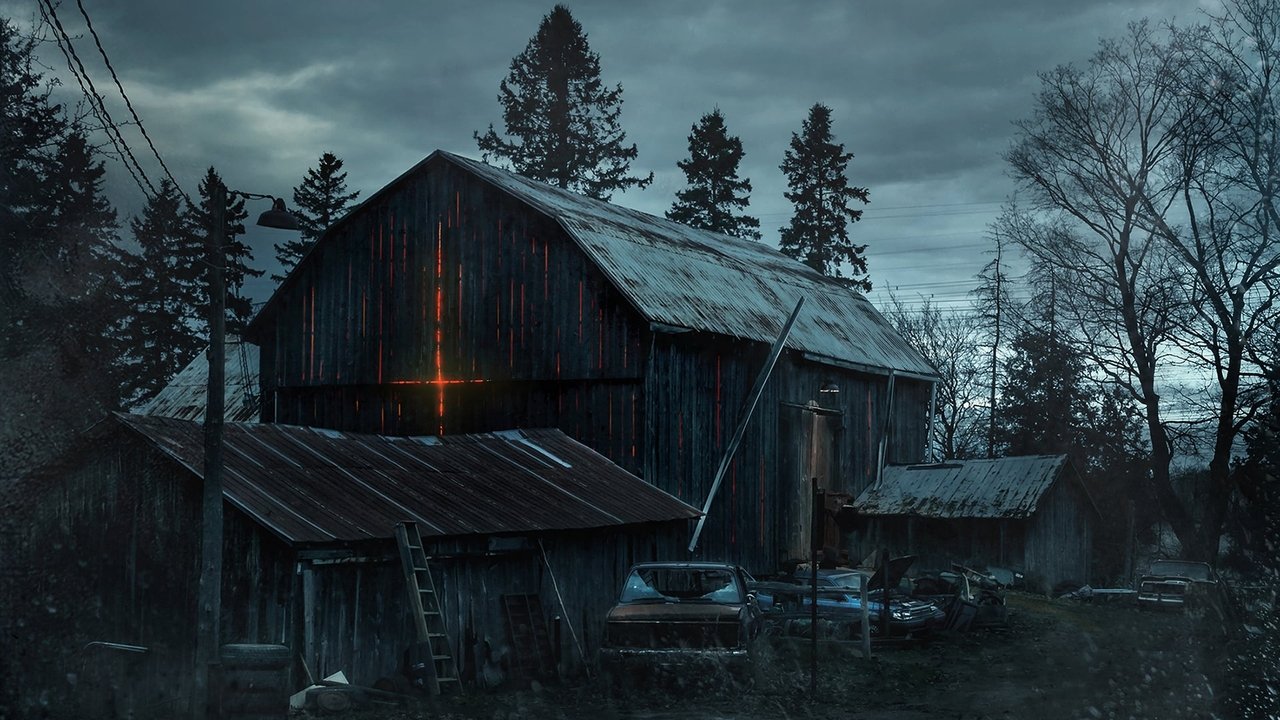
Ethan Hawke, on the other hand, is the film's anchor. He plays Kenner as a man who is slowly being gaslit by his own investigation, and he’s excellent at portraying that specific brand of escalating paranoia. He’s supported by Lothaire Bluteau as a stern reverend and the legendary Dale Dickey, who shows up to provide some much-needed rural grit. The problem isn't the actors; it's that the film's pacing is so glacial that you start wishing the Satanists would actually show up just to liven things up.
Atmosphere vs. Payoff
Visually, Alejandro Amenábar and cinematographer Daniel Aranyó nail the "gloomy Minnesota" vibe. Everything is blue, grey, and damp. It captures that specific early-90s aesthetic—boxy cars, corduroy jackets, and a general sense of isolation. The score by Roque Baños (who worked on the 2013 Evil Dead reboot) is suitably creepy, full of discordant strings and low-frequency drones designed to make your skin crawl.
But here’s the thing: Regression is a thriller that’s terrified of its own shadows. It builds a decent amount of tension around the idea of a massive, nationwide conspiracy, only to pull the rug out in a way that feels intellectually honest but cinematically deflating. By the time the third act rolls around, the movie has transitioned from a horror film into a PSA about the dangers of unreliable psychology.
It’s an interesting footnote in the "Pre-Elevated Horror" era. Released just as films like The Witch and It Follows were redefining what scary movies could be, Regression felt old-fashioned the moment it hit theaters. It lacks the guts to be a full-blown slasher and the wit to be a top-tier detective thriller. It’s essentially a "What If?" scenario that ends with a shrug.
Stuff You Didn't Notice
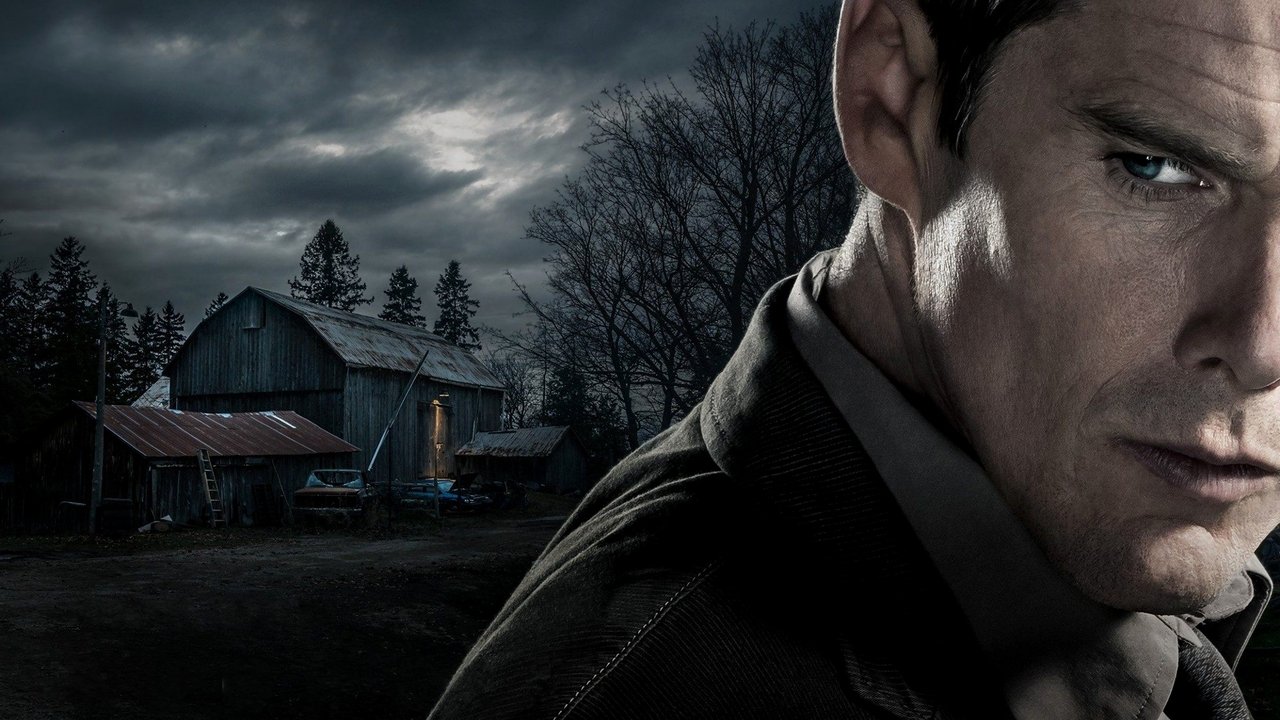
Interestingly, the film's production was a bit of a global hodgepodge. Despite being set in the American Midwest, it was mostly filmed in Ontario, Canada, which explains why the trees look slightly "off" to anyone from Minnesota. This was also Alejandro Amenábar's first English-language film in 14 years, and you can tell he was struggling to capture the specific American cultural anxiety of that period.
The box office was equally grim. With a $20 million budget, it barely scraped together $17 million worldwide. It’s one of those films that appeared, confused everyone with its tonal shifts, and promptly vanished into the depths of streaming libraries. It’s not a "bad" movie—it’s just a movie that tells you "fear is a liar" so many times that you eventually stop being afraid and start checking your watch.
Ultimately, Regression is a handsome, well-acted misfire. It’s worth a look if you’re a completionist for Ethan Hawke’s "Paranoid Cop" era or if you’re interested in the history of the Satanic Panic, but don’t expect to lose any sleep over it. It’s a film about the power of suggestion that, unfortunately, fails to suggest anything particularly memorable. It’s the cinematic equivalent of a cold cup of coffee: you finish it because it’s there, but you aren't exactly rushing back for a refill.

Keep Exploring...
-

Brahms: The Boy II
2020
-
Color Out of Space
2020
-
Gretel & Hansel
2020
-

Polaroid
2019
-

Immaculate
2024
-
The Boy
2016
-
Escape Room
2019
-
Circle
2015
-

The Lodge
2020
-
Secret in Their Eyes
2015
-

Survivor
2015
-

Morgan
2016
-
The Other Side of the Door
2016
-
Cult of Chucky
2017
-

Suburbicon
2017
-
The Discovery
2017
-

Wish Upon
2017
-

Anon
2018
-

Assassination Nation
2018
-
Hell Fest
2018