Room
"The world is bigger than you think."
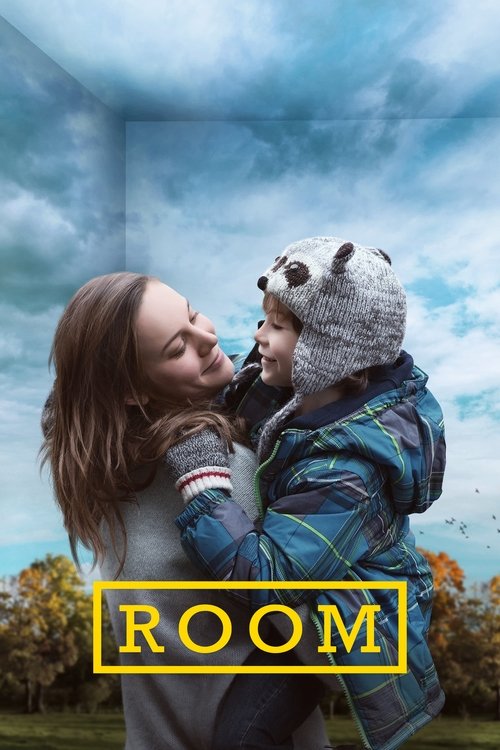
The square of blue glass in the ceiling is the only thing that doesn’t lie to Jack. Everything else in his life—the rug, the wardrobe, the flickering television—is part of a carefully constructed mythology designed to protect him from a reality he isn't old enough to survive. In 2015, Room arrived like a silent explosion in the middle of a cinema landscape increasingly dominated by digital noise and caped crusaders. It didn't need a multiverse or a $200 million budget to make the air in the theater feel thin; it just needed four walls and a mother’s desperate imagination.
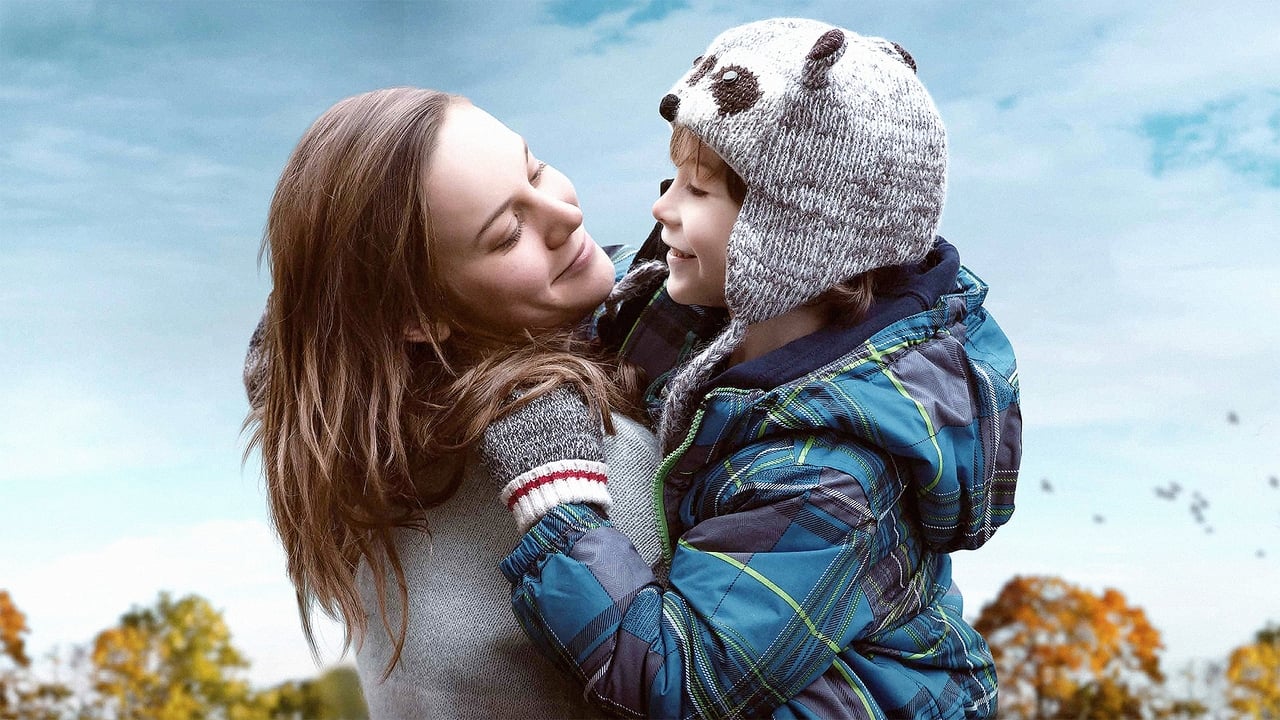
I first sat down to watch this while wrapped in a weighted blanket that was slightly too heavy, and as the walls of the "Room" closed in on the characters, I felt like the blanket was trying to swallow me whole. It was the most uncomfortable I’ve been while sitting on a couch, and I mean that as a high compliment.
A Universe in Eleven Feet
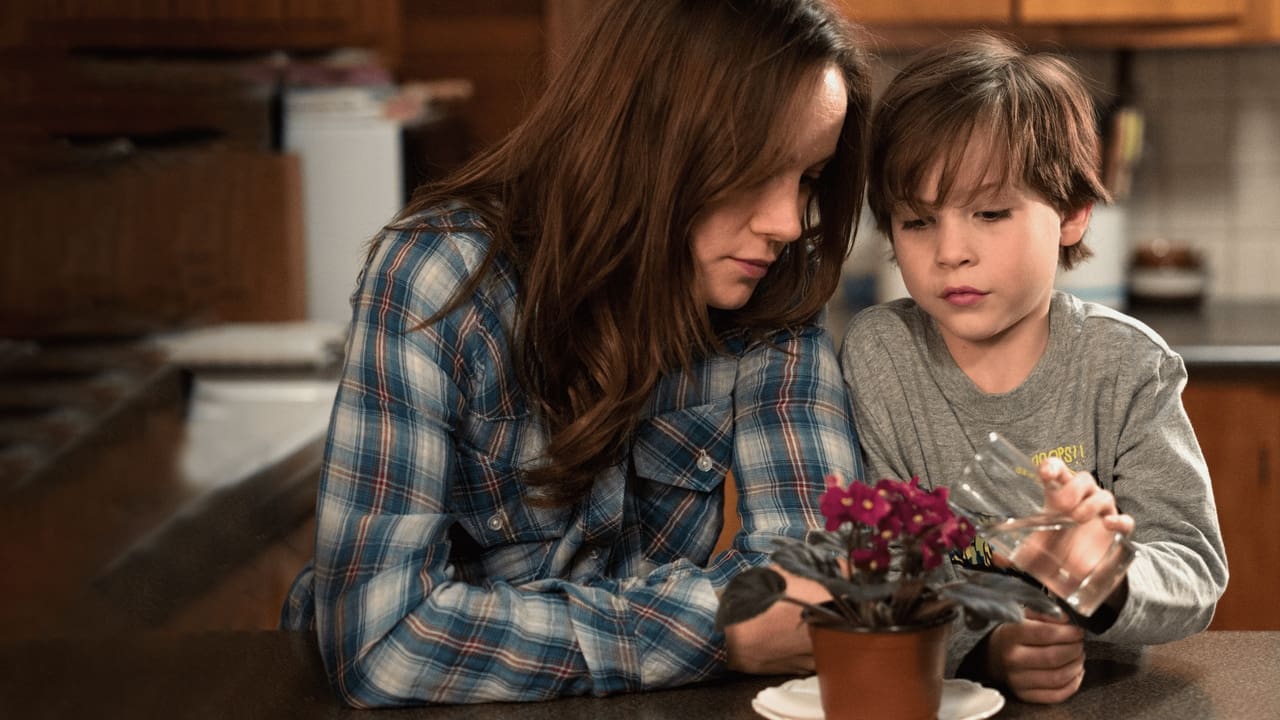
Directed by Lenny Abrahamson, who previously showed us the oddities of the human psyche in Frank (2014), Room is a film of two distinct halves. The first is a claustrophobic masterclass in psychological endurance. We meet Ma, played by Brie Larson, and her five-year-old son Jack, played by Jacob Tremblay. They live in a 11x11-foot shed. To Jack, this is the entire universe. To Ma, it’s a prison where she has been held captive by "Old Nick" (Sean Bridgers) for seven years.
The technical achievement here is staggering. Lenny Abrahamson and his cinematographer Danny Cohen (who lensed The King's Speech) managed to shoot in a space the size of a walk-in closet without it ever feeling repetitive. They used a modular set where panels could be removed to fit the camera, but they kept the perspective tied to Jack’s eye level. Apparently, Brie Larson went to extreme lengths to inhabit Ma’s headspace, avoiding the sun for months to achieve a sickly, "shed-pale" complexion and staying away from the crew to maintain a sense of isolation. Her Oscar win wasn't just prestige bait; it was an acknowledgment of a performance that felt like watching someone’s soul being slowly sanded down.
The Miracle of Tremblay
While Brie Larson provided the emotional anchor, Jacob Tremblay provided the film’s heartbeat. It’s a common trope to say a child actor is "wise beyond their years," but Tremblay’s performance is something else entirely. He isn't playing a miniature adult; he’s playing a child whose entire developmental logic has been forged in a vacuum. Jacob Tremblay was the real lead of this movie, and the Academy’s refusal to nominate him for Best Actor was a collective hallucination.
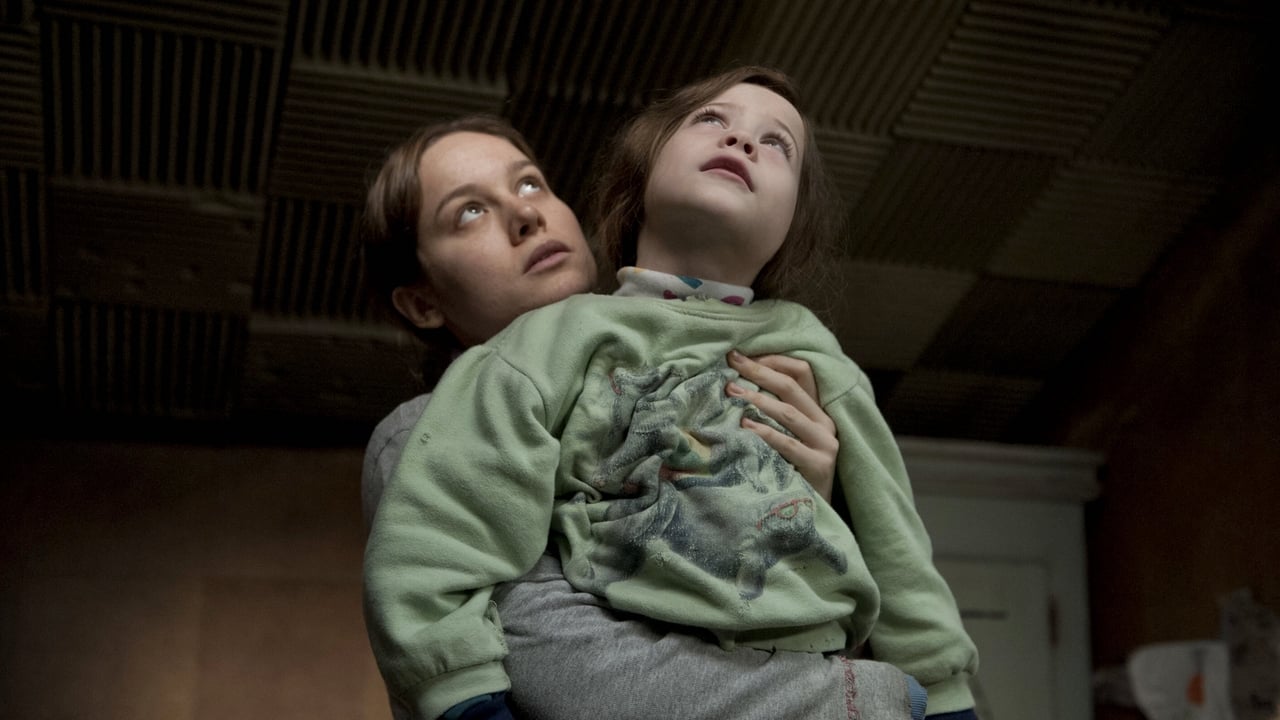
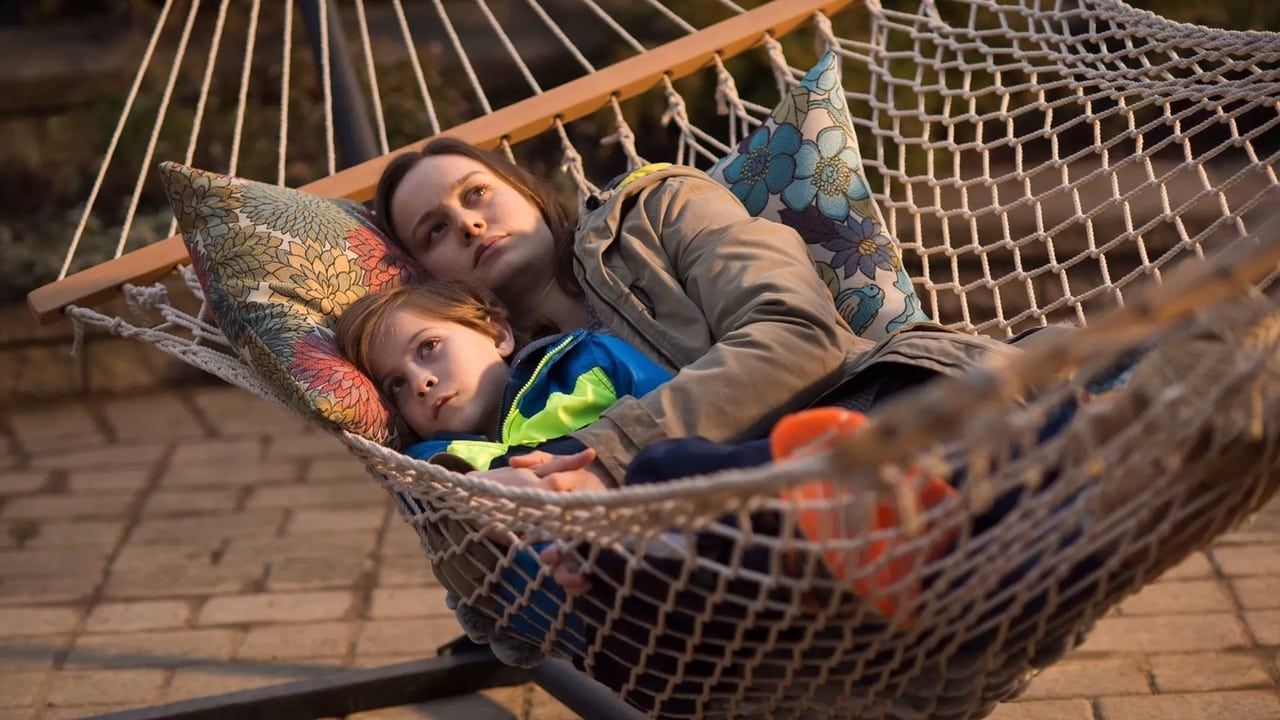
The chemistry between the two is what saves the film from becoming "misery porn." There’s a scene where they’re screaming at the skylight, trying to "send" their voices out, and you realize that for Jack, this is a game, while for Ma, it’s a guttering candle of hope. The script, adapted by Emma Donoghue from her own bestselling novel, captures the specific, heartbreaking dialect that exists only between a parent and child. It’s a drama that uses the language of a thriller to discuss the mechanics of love.
The Cruelty of Freedom
Most films would end at the moment of escape. Room is far more ambitious. It understands that the physical exit is just the beginning of the real struggle. When the world finally opens up, the film shifts from a claustrophobic thriller into a devastating exploration of PTSD and the predatory nature of the 24-hour news cycle.
We see Ma struggle to reintegrate into a family that has moved on in fractured ways. Joan Allen is magnificent as the grandmother trying to bridge a seven-year gap with sheer willpower, while William H. Macy plays a character so subtly detestable I wanted to reach through the screen and shake him. He plays Ma’s father, a man who cannot bring himself to look at Jack because the boy is a living reminder of her trauma. It’s a brief role, but it highlights the film’s central question: How do you handle a "miracle" when the miracle is messy, loud, and born of horror?
In our current era of "prestige" cinema, where films often feel like they are checking boxes for social relevance, Room feels startlingly organic. It doesn't lecture the audience on trauma; it invites you to drown in it and then shows you how to swim back to the surface. It was a massive critical darling for a reason, grossing over $35 million on a modest $13 million budget and proving that audiences are still hungry for stories that prioritize human intimacy over spectacle.
Stuff You Didn't Notice
One of the reasons the performances feel so lived-in is that Lenny Abrahamson chose to shoot the film almost entirely in chronological order. This is a nightmare for producers and budget-crunchers, but it allowed the bond between Brie Larson and Jacob Tremblay to grow naturally. By the time they "escaped" the set of the Room, they had spent weeks in that tiny, grimy box together.
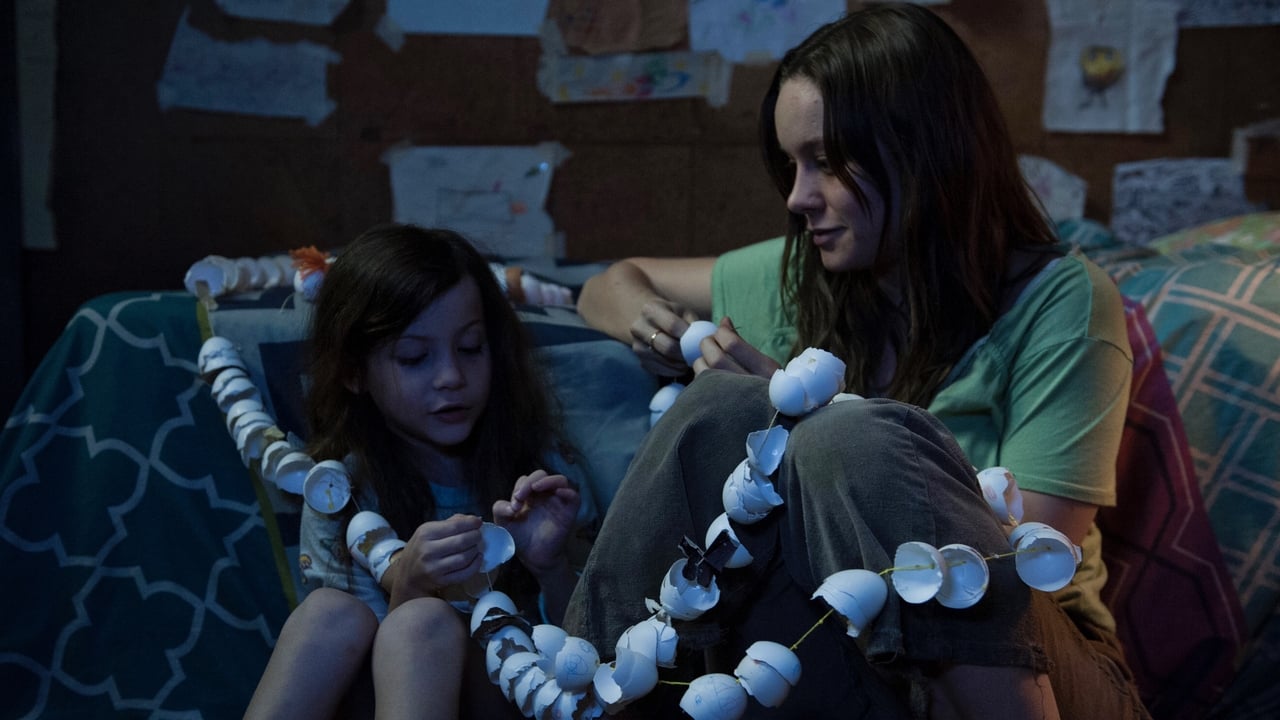
Also, look closely at the "toys" in the Room. They were all created by the production design team to look like things a mother could realistically fashion out of trash—eggshells, toilet paper rolls, and old clothes. There’s a tangible, tactile reality to their prison that makes the transition to the bright, sterile outside world feel genuinely jarring.
Room is a difficult watch, but a necessary one. It’s a film that respects its audience enough to be dark, trusting that we can handle the shadows if the light at the end is earned. It remains one of the most powerful explorations of the parent-child bond ever put to celluloid, anchored by two performances that should be studied by every aspiring actor. If you haven't seen it since 2015, it's time to go back; the world looks a little different when you’ve spent some time in the shed.
Keep Exploring...
-

The Handmaiden
2016
-
Joker
2019
-
Parasite
2019
-

The Invisible Guest
2017
-

Bridge of Spies
2015
-
Nocturnal Animals
2016
-
Patriots Day
2016
-

Snowden
2016
-
The Accountant
2016
-

Detroit
2017
-
It
2017
-

Dark Waters
2019
-
Hotel Mumbai
2019
-
The Lighthouse
2019
-

Uncut Gems
2019
-
Promising Young Woman
2020
-

Batman vs. Robin
2015
-
Eye in the Sky
2015
-
Suburra
2015
-
13 Hours: The Secret Soldiers of Benghazi
2016