San Andreas
"Dwayne Johnson vs. The Earth. Bet on the Rock."
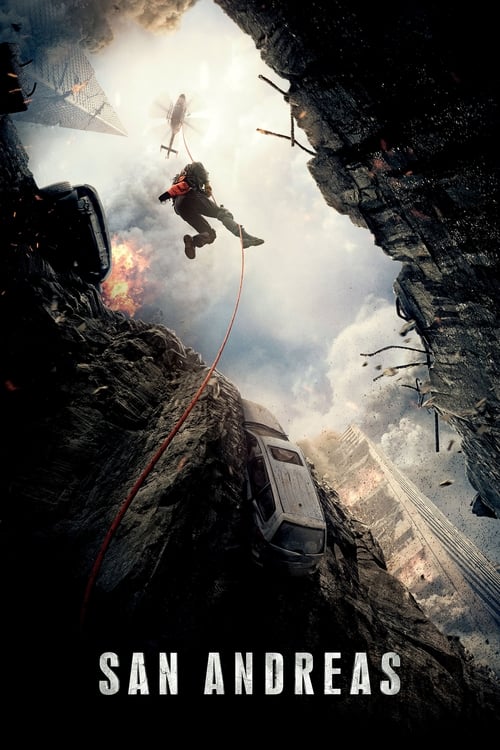
I watched San Andreas for the third time last Tuesday while my neighbor was relentlessly using a leaf blower right outside my window. Normally, that’s a recipe for a migraine, but strangely, the high-pitched whine and the slight vibration of my floorboards created a DIY 4DX experience that perfectly complemented the sight of California sliding into the Pacific. It’s that kind of movie—best enjoyed when you lean into the chaos and stop asking the tectonic plates for a permit.
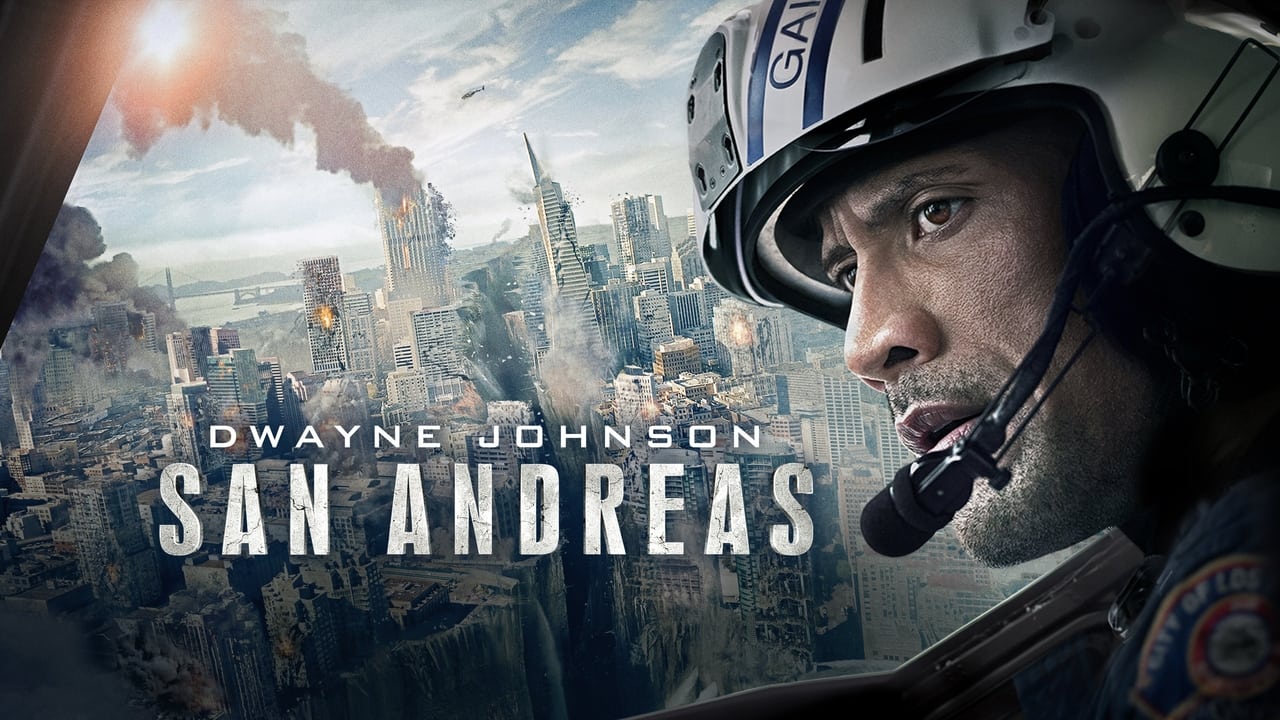
The Seismic Brawn of the Dwayne Era
In 2015, we were deep in the "Imperial Phase" of Dwayne Johnson (or The Rock, if you’re still feeling nostalgic for the Attitude Era). This was the moment where he stopped being a "wrestler turned actor" and became a human franchise. In San Andreas, he plays Ray Gaines, a search-and-rescue pilot who seems to have more flight certifications than the entire FAA combined. When the San Andreas Fault finally decides to quit its day job and destroy everything from Los Angeles to San Francisco, Ray doesn't wait for FEMA. He just grabs a helicopter and starts a cross-state commute to save his estranged wife, Emma (Carla Gugino), and daughter, Blake (Alexandra Daddario).
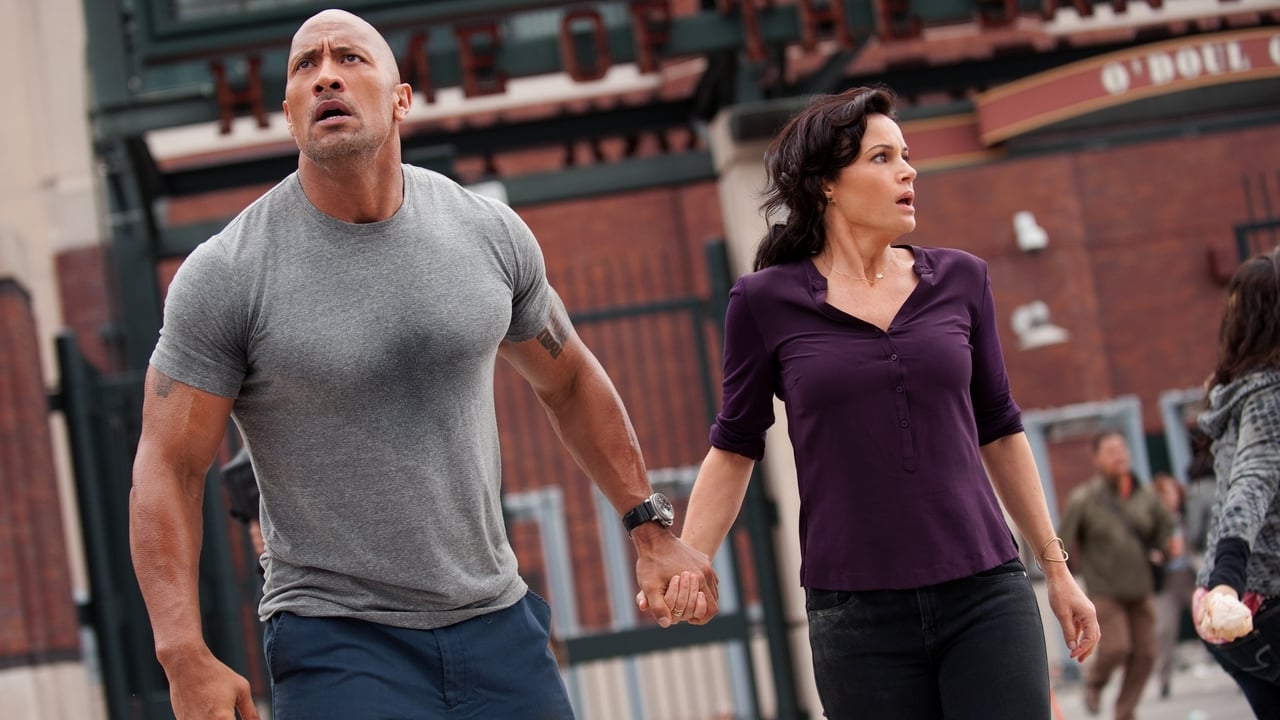
What makes this work, despite the sheer impossibility of Ray’s survival rate, is the chemistry. Carla Gugino, who was fantastic in Watchmen (2009) and Spy Kids, brings a grounded emotional weight to the "estranged parents" trope. It’s a formula as old as Twister or The Abyss, but Johnson and Gugino sell it. You actually want them to get back together, even if it takes a 9.6 magnitude earthquake and a tsunami to facilitate the therapy session. My hot take? The Rock could probably punch a Tsunami and win, and I wouldn't even question the physics.
Practical Grit Meets Digital Mayhem
Director Brad Peyton (who also worked with Johnson on Journey 2: The Mysterious Island) understands that a disaster movie is only as good as its scale. This film was a massive win for Village Roadshow and New Line, raking in over $473 million worldwide. While the contemporary era of cinema is often criticized for "CGI sludge," San Andreas actually handles its destruction with a surprising amount of clarity.
There’s a sequence where Blake is trapped in a car in a sinking parking garage in San Francisco. It’s claustrophobic, wet, and genuinely tense. Unlike the "chaos cinema" of the early 2000s where you couldn't tell who was being crushed by what, the action choreography here is remarkably readable. Steve Yedlin, the cinematographer who later brought a gorgeous eye to Star Wars: The Last Jedi (2017) and Knives Out (2019), keeps the camera steady enough that you can appreciate the sheer geometry of a skyscraper collapsing like a house of cards.

And let’s talk about Paul Giamatti. Every great disaster flick needs the "Oracle of Doom"—the scientist who sees it coming but no one listens to. Giamatti, coming off years of prestigious work like Sideways (2004), looks like he’s having the time of his life as Dr. Lawrence Hayes. He spends most of the movie under a desk or staring at a monitor, but he delivers lines about "the Big One" with the gravitas of a Shakespearean tragedy. It’s a beautiful bit of character-actor paycheck work that adds just enough legitimacy to the lunacy.
Trivia From the Fault Line
For a film about total destruction, the production was surprisingly meticulous about the "how."
Dwayne Johnson actually performed many of his own stunts, including a 150-foot rappel from a helicopter. It turns out that when you’re built like a mountain, gravity is more of a suggestion than a law. The film’s marketing campaign faced a major real-world hurdle. Following the devastating April 2015 earthquake in Nepal, Warner Bros. pivoted their strategy to include information on how to help relief efforts and shifted the focus toward earthquake preparedness. While the "science" is largely Hollywood magic (real seismologists will tell you a tsunami can't actually happen that way on the San Andreas Fault), the production hired Thomas Jordan, director of the Southern California Earthquake Center, as a consultant to get the vibe of the destruction right. The budget was a cool $110 million, and a huge chunk of that went into creating the massive water tanks in Australia—the same ones used for The Chronicles of Narnia: The Voyage of the Dawn Treader—to film the climactic flooding of San Francisco.
A Modern Blockbuster Blueprint
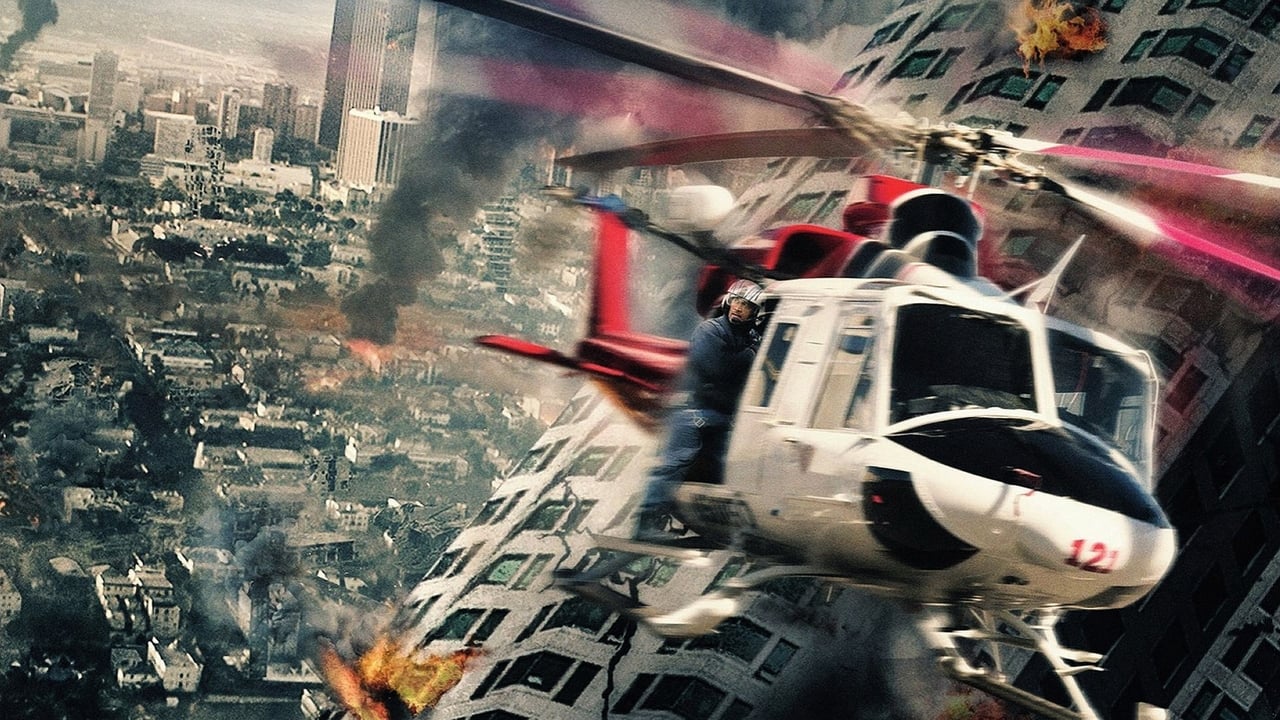
Looking at San Andreas now, it represents a specific peak in contemporary action: the "Competence Porn" era. Ray is just incredibly good at his job. Blake is incredibly good at survival. Even the "villain"—Ioan Gruffudd as the cowardly stepdad Daniel—is mostly there to show how much better the Gaines family is at staying alive. The real villain isn't the fault line; it's Daniel’s lack of a moral compass during a structural collapse.
This isn't a film trying to redefine the genre or win an Oscar for representation (though seeing a diverse cast in a massive blockbuster was a step in the right direction for 2015). It’s a film that knows exactly what it is: a high-octane, emotionally simple, visually spectacular thrill ride. It’s the kind of movie that reminds you why we go to the theater—to see things we hope never happen in real life, performed by people who look like they could stop a tectonic plate with a well-placed bicep curl.
San Andreas is the ultimate "Saturday afternoon" movie. It doesn't demand your intellectual submission, and it doesn't try to launch a twenty-film cinematic universe. It just gives you a giant man in a helicopter, some very impressive crumbling masonry, and a reminder to always carry a sturdy pair of boots. If you can ignore the geographical impossibilities, it’s a total blast.

Keep Exploring...
-
Rampage
2018
-

In the Heart of the Sea
2015
-
Jack Reacher: Never Go Back
2016
-
The Finest Hours
2016
-
Rambo: Last Blood
2019
-
Journey 2: The Mysterious Island
2012
-
Skyscraper
2018
-
Allied
2016
-
Patriots Day
2016
-
The Wall
2017
-
Death Wish
2018
-
Extinction
2018
-
Black and Blue
2019
-
Faster
2010
-
Jurassic World
2015
-
Maze Runner: The Scorch Trials
2015
-
Jason Bourne
2016
-
The Fate of the Furious
2017
-
The Mummy
2017
-
Creed II
2018