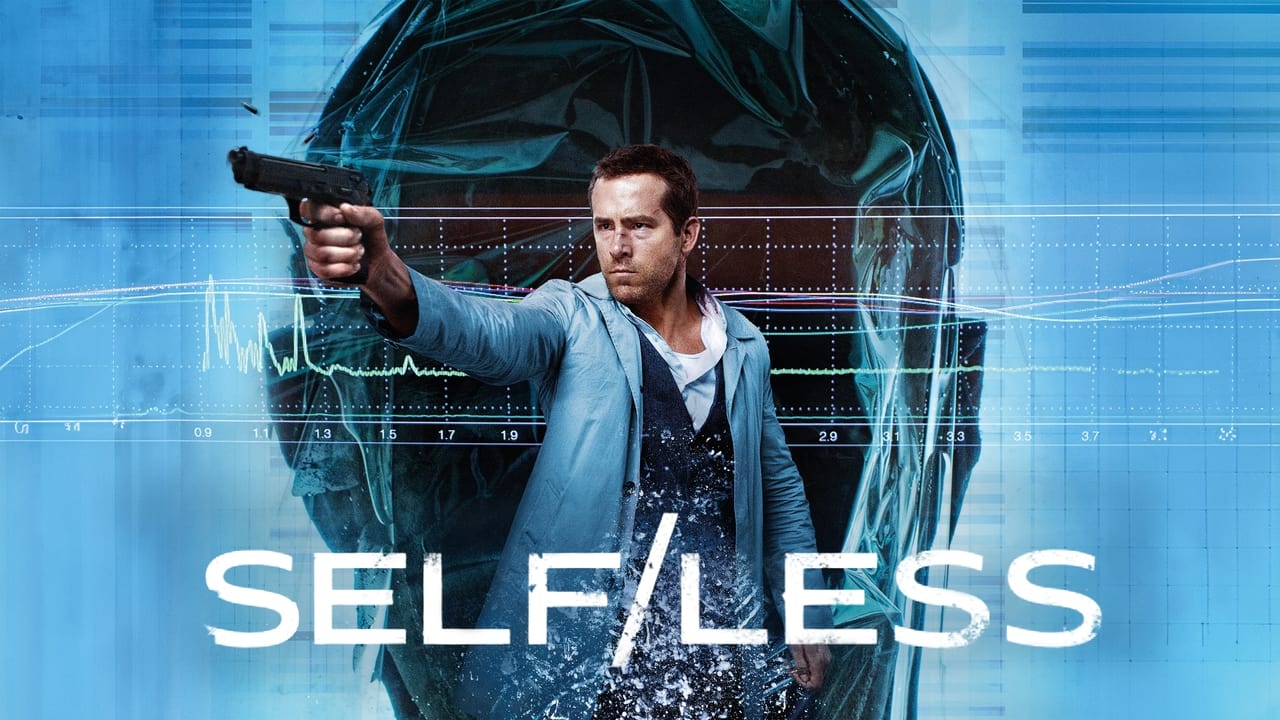
Self/less
"Your soul has a new home. The rent is murder."

In the sweltering summer of 2015, while the rest of the world was busy losing their minds over Jurassic World and the burgeoning MCU, a sleek, mid-budget sci-fi thriller quietly slipped into theaters and then almost immediately into the bargain bins of our collective memory. Tarsem Singh, a director usually known for the sort of visual maximalism that makes your retinas ache—think the fever-dream costumes of The Fall (2006) or the surreal gore of The Cell (2000)—decided to trade his usual kaleidoscopic flair for something surprisingly grounded. I watched this on a Tuesday night while my neighbor was very loudly practicing the tuba, and honestly, the brassy, repetitive drone from next door added a weirdly menacing layer to the film’s increasingly paranoid score.
A Gilded Cage for the Soul
The premise is pure Black Mirror by way of a 1960s pulp novel. Ben Kingsley plays Damian Hale, a billionaire industrialist who has spent his life building New York City but is now losing a battle with terminal cancer. He’s the kind of guy who lives in a penthouse so gold-leafed and cavernous it makes Midas look like a minimalist. Fun fact: the production actually filmed in Donald Trump’s real-life penthouse, which tells you everything you need to know about the "more money than God" aesthetic they were chasing.
Damian opts for a radical, underground procedure called "shedding," orchestrated by the chillingly calm Albright (played with a delightful, serpentine stillness by Matthew Goode, who I’m convinced was born to play high-IQ villains). The pitch? Transfer your consciousness into a healthy, lab-grown body. Enter Ryan Reynolds. For a brief moment, the movie feels like a meditation on the ethics of the 1%, but it quickly ditches the philosophy for a Glock and a GPS, because it turns out that "lab-grown" body wasn't grown in a vat—it was a guy named Mark who had a life, a wife, and a very inconvenient set of muscle-memory reflexes.
The Tarsem Paradox: Style vs. Substance
What’s fascinating about Self/less is how much Tarsem Singh restrains himself. Usually, a Tarsem movie is a riot of color and impossible architecture, but here, he leans into a sterile, cold, high-tech realism. The cinematography by Brendan Galvin (who worked with Tarsem on Immortals) treats the New Orleans locations with a crisp, humid clarity. It’s a handsome movie, but I couldn't help but feel like the director was wearing a straightjacket made of studio notes.
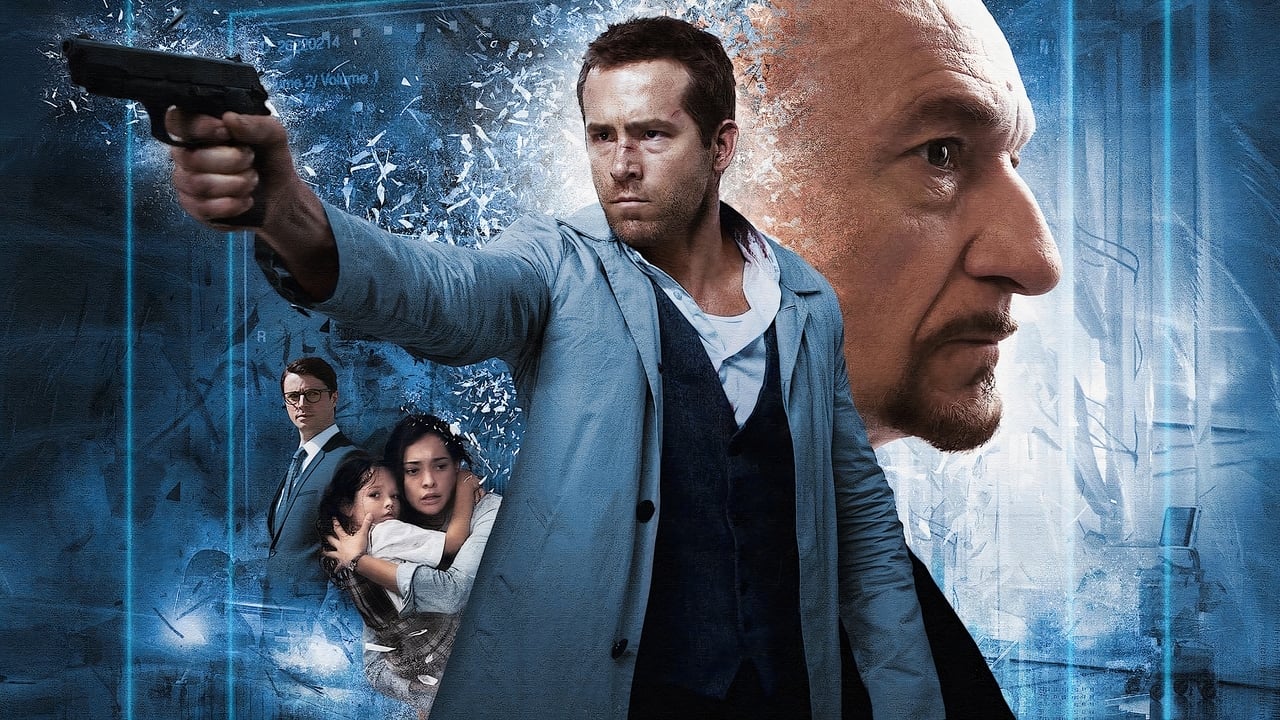
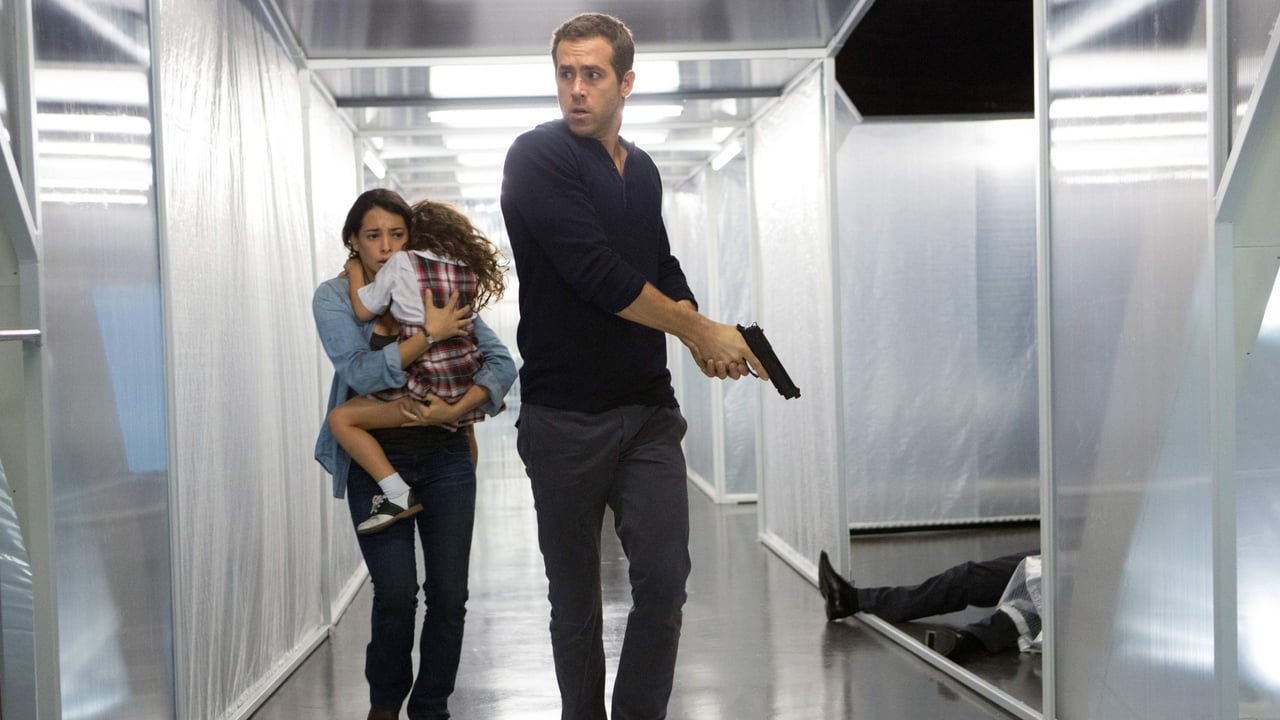
The action choreography, however, is where the movie finds its pulse. Once Ryan Reynolds takes over, the film shifts into a "Bourne-lite" chase movie. There’s a specific crunchiness to the fights. Because Damian’s mind is in Mark’s body, there’s this weird disconnect where the character is surprised by his own lethality. Ryan Reynolds is actually a better dramatic actor when he isn’t allowed to be funny. In 2015, we were just months away from him becoming the "Merc with a Mouth" in Deadpool, but here, he’s playing it straight, haunted, and physically capable. The way he handles a handgun or disarms a mercenary feels heavy and consequential, not like the CGI-assisted acrobatics we see in modern superhero fatigue-fests.
The Cost of Living Forever
As a "Cult Classic" in training, Self/less works because it feels like a throwback to those high-concept 90s thrillers like Face/Off or Seconds (1966), but updated for an era obsessed with bio-hacking and Silicon Valley immortality. Apparently, the screenwriters, David Pastor and Àlex Pastor, were obsessed with the idea of the "identity thief" on a biological level. They give us just enough science-babble about "shedding" and "rejection" to make the stakes feel real, even if the logic eventually collapses under a few too many explosions.
The supporting cast earns their keep, too. Natalie Martinez brings a much-needed emotional anchor as Madeline, the wife of the man whose body Damian is currently inhabiting. Her chemistry with Reynolds is awkward in exactly the right way—he looks like her husband, but the "soul" is a complete stranger. It’s an effective bit of tension that keeps the middle act from sagging while the secret organization tries to "clean up" the mess.
While the film didn't set the box office on fire—barely clawing back its $26 million budget—it has found a second life on streaming services. It’s the perfect "I want something smart but I also want to see a car flip over" movie. It captures that 2015 moment where we were starting to get really uncomfortable with the power of the ultra-wealthy, but weren't quite ready to stop watching them be the protagonists.
Self/less is a polished, professional thriller that perhaps plays it a bit too safe given the pedigree of its director. It’s a "meat and potatoes" sci-fi story served on a gold-plated platter. While it doesn't quite reach the visionary heights of Tarsem's earlier work, the combination of Kingsley’s gravitas and Reynolds’ physical performance makes for a solid, engaging watch. It’s the kind of movie that makes you think twice about your digital footprint—and maybe your organ donor card.

Keep Exploring...
-

Underworld: Blood Wars
2016
-

What Happened to Monday
2017
-

Greenland
2020
-

Terminator Genisys
2015
-

Geostorm
2017
-

Gemini Man
2019
-

Terminator: Dark Fate
2019
-
Tenet
2020
-

6 Underground
2019
-

Insurgent
2015
-

The Predator
2018
-

Kin
2018
-
Captive State
2019
-

Captain America: Brave New World
2025
-
Criminal
2016
-
The Hitman's Bodyguard
2017
-

Hitman's Wife's Bodyguard
2021
-

Batman vs. Robin
2015
-
Jurassic World
2015
-

Maze Runner: The Scorch Trials
2015