Shaun the Sheep Movie
"Small sheep. Big city. Zero words."
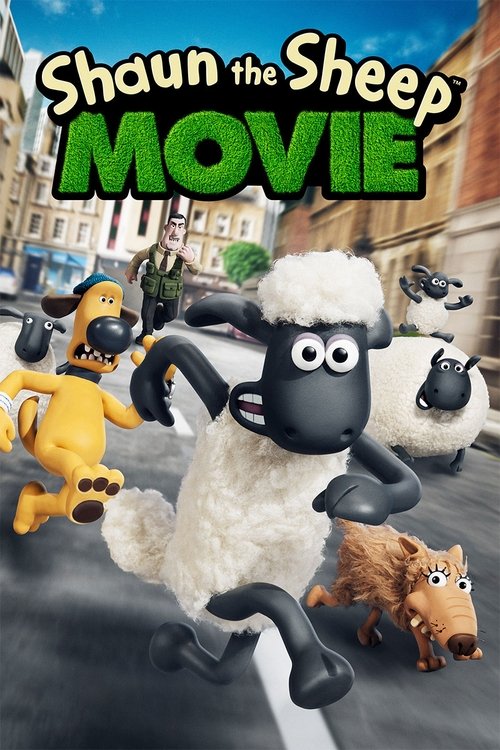
In an era where every major animated release feels like it’s competing in a high-stakes shouting match—stuffed to the gills with celebrity voice casts, pop-culture quips, and enough frantic energy to power a small nation—there is something profoundly rebellious about a movie that refuses to say a single word. I sat down to watch Shaun the Sheep Movie in a room that was exactly 68 degrees, drinking a lukewarm cup of peppermint tea that I’d forgotten to steep, and within ten minutes, I realized I hadn't checked my phone once. In 2015, while the rest of the cinematic world was leaning into "loud," Aardman Animations went impressively, confidently quiet.
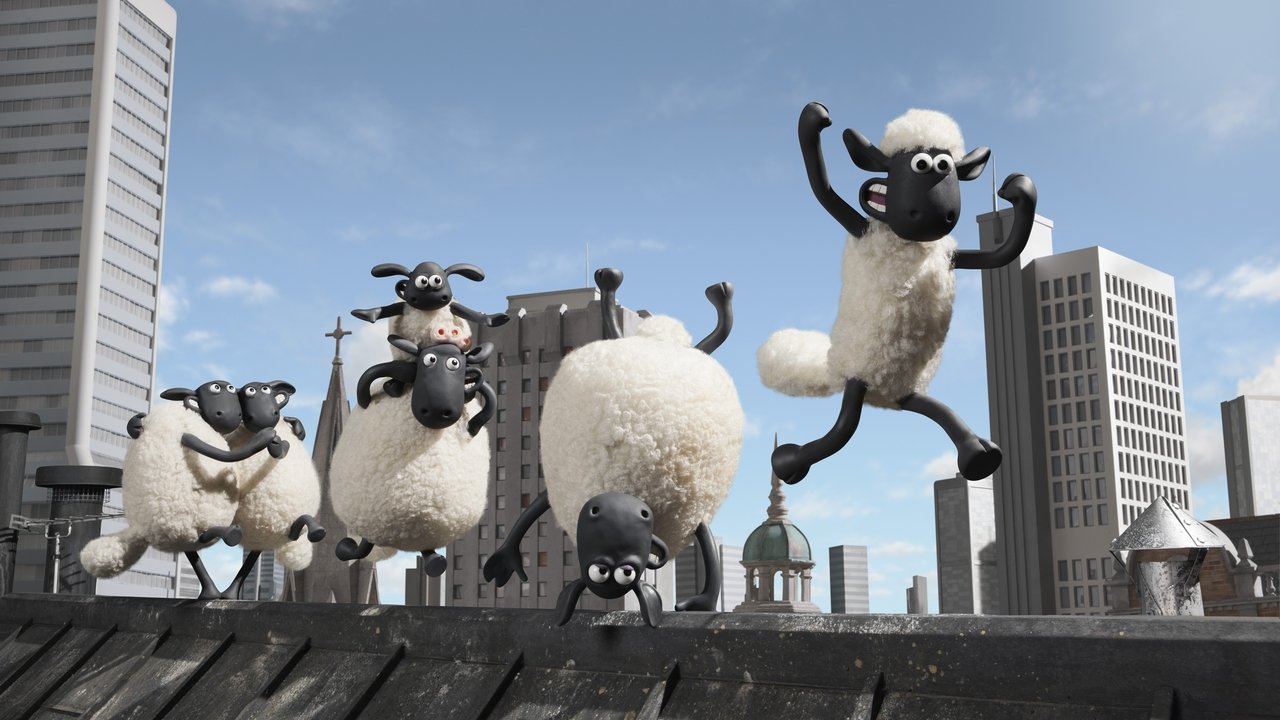
The premise is a classic "be careful what you wish for" adventure. Shaun, the resident mischief-maker of Mossy Bottom Farm, decides he needs a day off from the grind of eating grass and being sheared. He orchestrates a plan to put the Farmer to sleep, but through a series of escalating slapstick disasters, the Farmer’s runaway caravan ends up in the Big City. This leaves Shaun, Bitzer the dog, and the rest of the flock to mount a rescue mission.
The Silent Power of Clay
What Mark Burton and Richard Starzak achieved here is essentially a 21st-century silent comedy that would make Charlie Chaplin or Buster Keaton weep with joy. Without a line of dialogue—aside from some expressive grunts and bleats from Justin Fletcher and John Sparkes—the film communicates complex emotions, intricate plot points, and top-tier comedic timing.
It’s a bold move in the contemporary landscape. We live in an age of "second-screen viewing," where audiences often scroll through social media while a movie plays in the background. You cannot do that with Shaun. If you look away for thirty seconds, you’ll miss a visual gag hidden in a shop window or a subtle change in Bitzer’s weary facial expressions. This film demands—and earns—your full attention by treating the audience as smart enough to follow a story through action alone.
I’ve always found that Aardman’s stop-motion style feels more "human" than even the most expensive CGI. You can practically see the thumbprints in the clay. In a world of seamless, AI-adjacent digital perfection, seeing Rich Webber’s Shirley (the massive sheep) being used as a literal battering ram feels tangible and weighted. Aardman makes Pixar look like they're just pushing buttons on a cold calculator.
A Villain for the Instagram Age
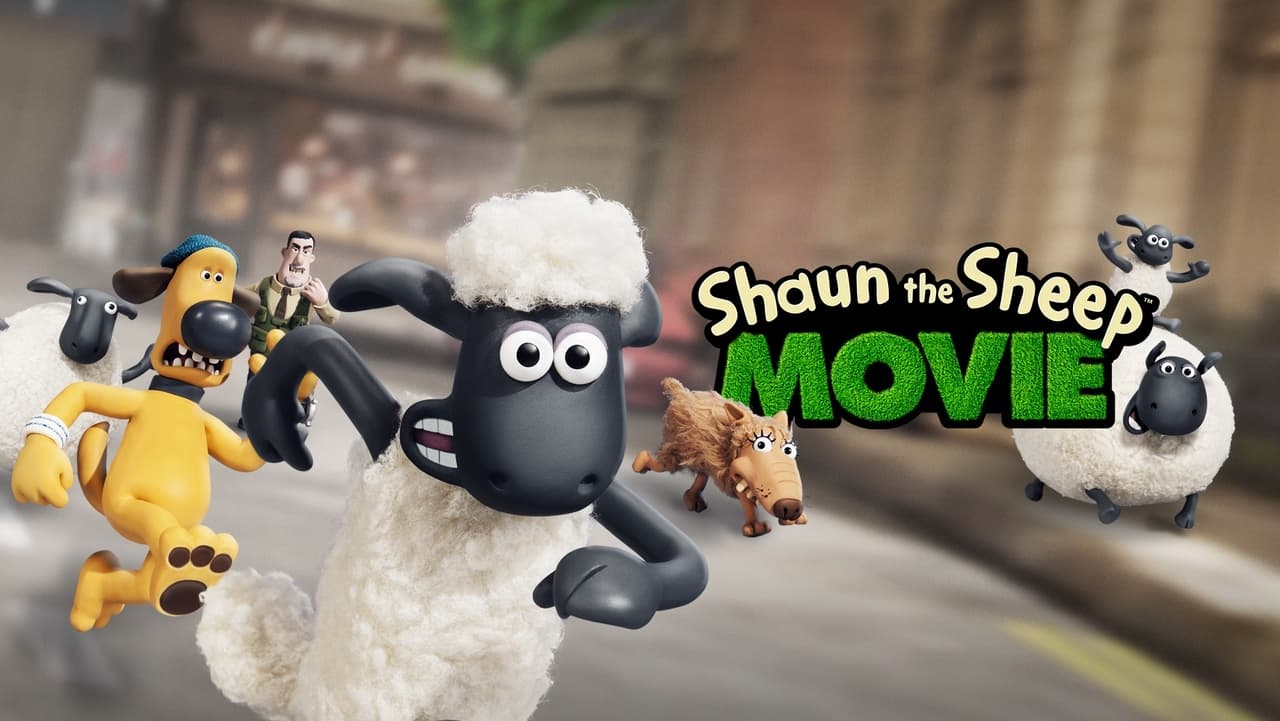
Every great adventure needs a foil, and in the Big City, the flock encounters A. Trumper (voiced by Omid Djalili), an animal containment officer who takes his job with a terrifying, self-serious zeal. Trumper is a fascinating contemporary villain; he’s not a dark lord or an alien invader, but a man obsessed with his own perceived authority and his high-tech gadgets. Trumper is basically a low-rent James Bond villain who peaked in middle school, and his descent into madness as he tries to capture a group of sheep in sweaters is a masterclass in escalating stakes.
The "Big City" itself is a wonderful piece of production design. It isn't a specific metropolis, but it captures that universal feeling of urban anonymity that feels especially relevant in our current era of sprawling, disconnected cities. The way the sheep have to blend in—donning human clothes and sitting in a high-end restaurant—is some of the funniest physical comedy I’ve seen in the last decade. The scene where they try to mimic the behavior of diners, only to have their animal instincts take over, is a sequence I’ve rewatched at least five times, and it hits every single time.
The Craft Behind the Chaos
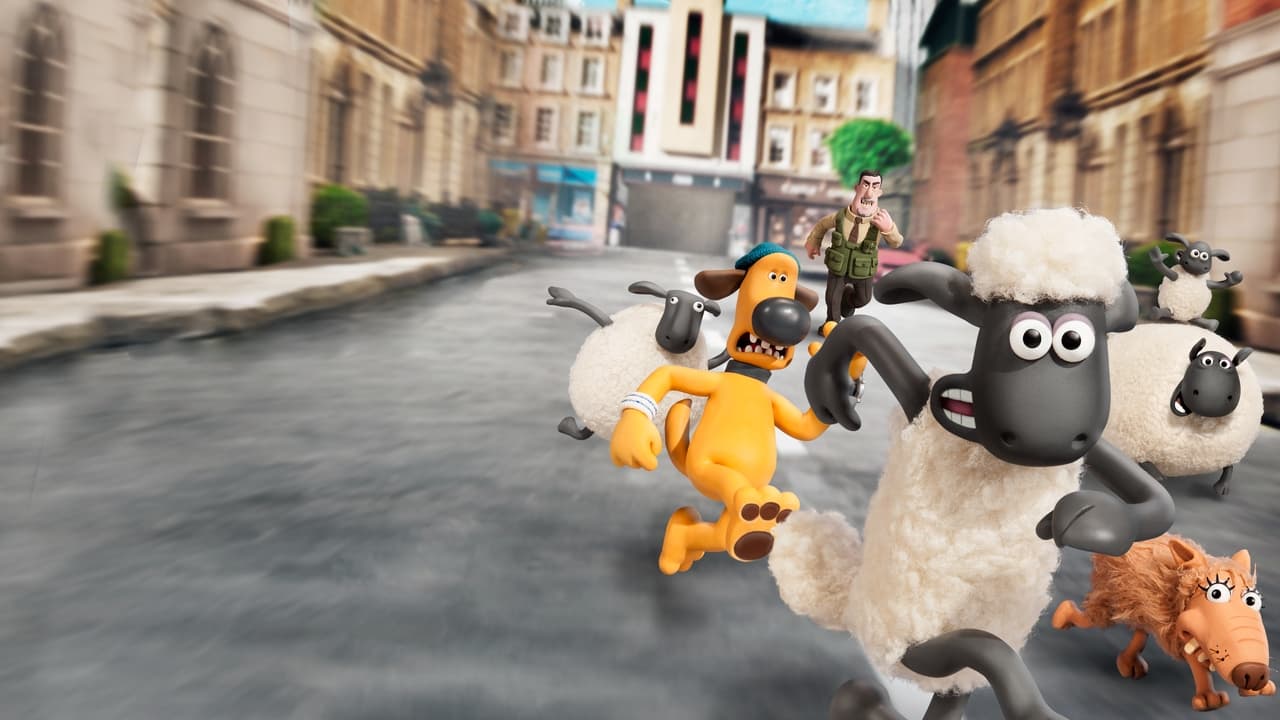
It’s easy to forget how much work goes into eighty-five minutes of stop-motion. While we’re used to seeing franchise films churned out every eighteen months, this was a labor of absolute obsession.
Slow Motion: The animators typically produced about two seconds of footage per day. To put that in perspective, the entire 85-minute runtime represents years of agonizingly slow frame-by-frame adjustments. The Breaking Bad Nod: Despite being a family film, there’s a great Easter egg in the animal lock-up scene where a cat is seen drawing a sketch of "Heisenberg" from Breaking Bad on the wall. It’s a nod to the parents in the room that says, "We see you." Budgeting Brilliance: The film cost $25 million to make. In the same year, Pixar’s Inside Out cost $175 million. While I love both, the fact that Aardman achieved this level of world-building on a fraction of the budget is a testament to their ingenuity. Blue Peter Heritage: One of the characters, the orphan dog Slip, was actually designed by a young fan who won a contest on the British children's show Blue Peter.
Shaun the Sheep Movie is a rare gem that bridges the gap between generations without feeling cynical. It doesn't rely on "minion-style" gibberish or loud explosions to keep kids engaged; it relies on the fundamental joy of discovery and the warmth of a found family. In an era where we are constantly told that shorter attention spans are ruining cinema, Shaun proves that if the craft is good enough, we’ll happily sit still and watch a sheep in a bus driver’s uniform for an hour and a half. It’s charming, it’s technically brilliant, and it’s a much-needed reminder that sometimes, the best way to tell a story is to just shut up and let the characters move.

Keep Exploring...
-
Ballerina
2016
-
Early Man
2018
-
The SpongeBob Movie: Sponge Out of Water
2015
-
Finding Dory
2016
-
Kung Fu Panda 3
2016
-
Moana
2016
-
The Secret Life of Pets
2016
-
Zootopia
2016
-
Ralph Breaks the Internet
2018
-
Frozen II
2019
-
Toy Story 4
2019
-
The Croods: A New Age
2020
-
PAW Patrol: The Movie
2021
-
Asterix: The Secret of the Magic Potion
2018
-
Red Shoes and the Seven Dwarfs
2019
-

Minions: The Rise of Gru
2022
-
The Bad Guys
2022
-
Migration
2023
-
The Super Mario Bros. Movie
2023
-
Inside Out 2
2024