Southpaw
"Redemption is a bloody business."
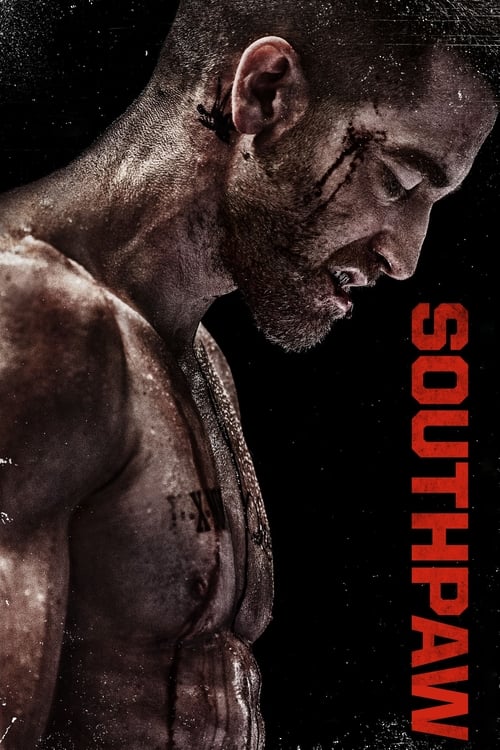
I remember watching Southpaw for the first time on a laptop in a crowded airport terminal while the woman next to me was aggressively peeling a hard-boiled egg. The smell was distracting, but honestly, it kind of fit the vibe. This isn’t a movie that smells like roses; it smells like stale gym sweat, copper-tinged blood, and the kind of desperation that only hits when you’ve fallen from a very high penthouse.
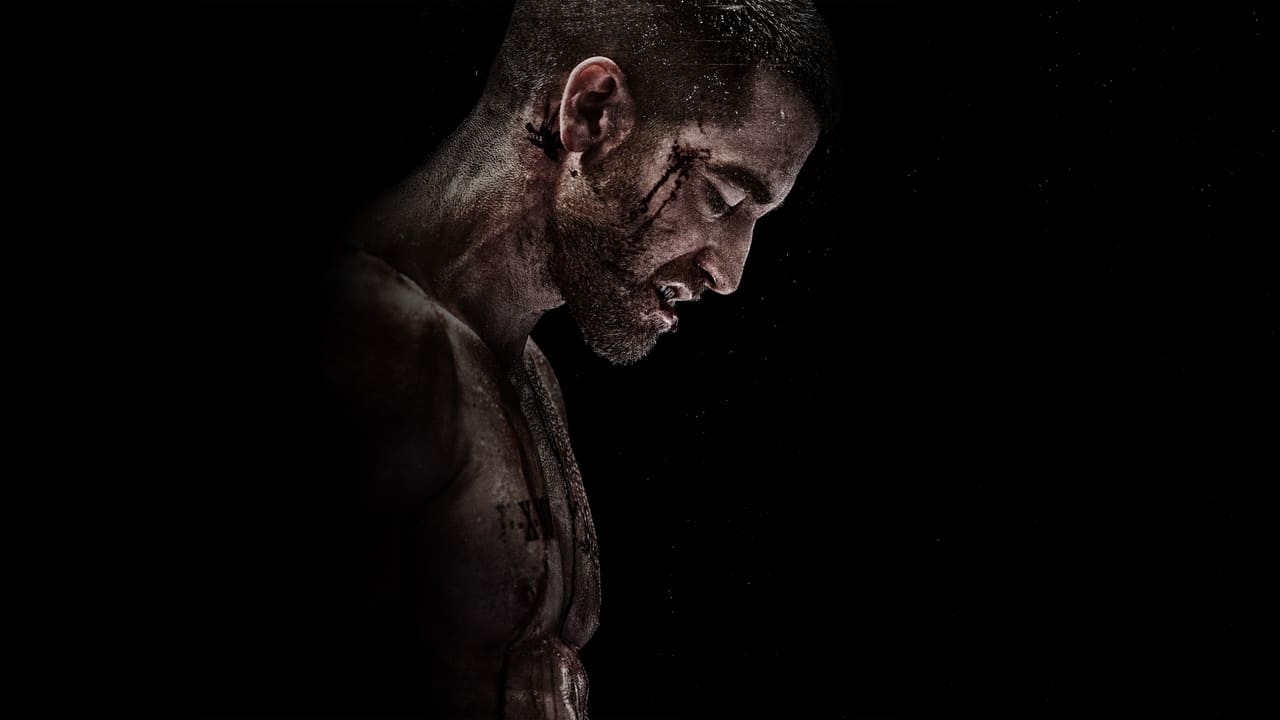
Released in 2015, Southpaw arrived at a weird crossroads in cinema. We were right in the thick of the "Gyllenhaissance," that glorious period where Jake Gyllenhaal decided to stop being a traditional leading man and start being a human chameleon with a death wish. It was also a time before the mid-budget drama was swallowed whole by streaming services. Seeing a gritty, character-driven boxing flick in a theater felt like a heavyweight bout in itself.
The Transformation of a Madman
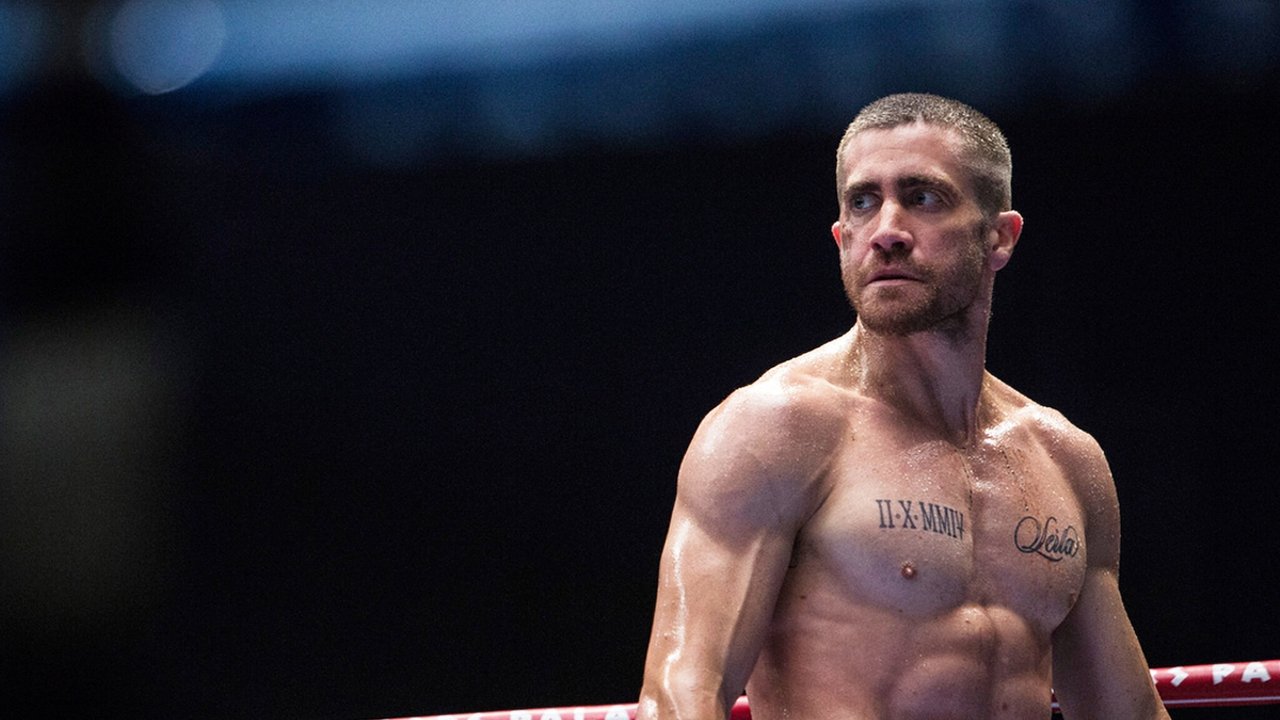
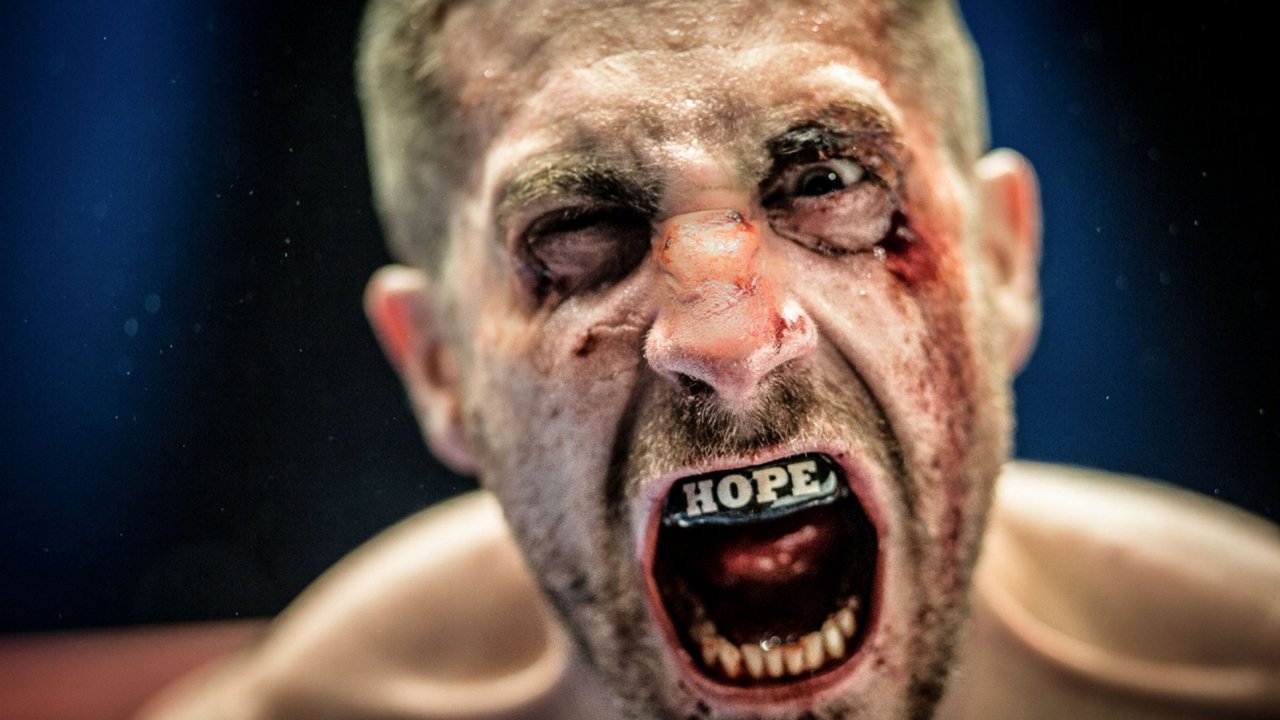
Let’s talk about Jake Gyllenhaal as Billy "The Great" Hope. I’ve always been a fan, but the physical commitment here is bordering on terrifying. He plays Billy not as a polished athlete, but as a wounded animal. In the opening scenes, his fighting style is basically "hit me until I get angry enough to kill you." It’s a defense strategy that relies entirely on his chin and his pride, and Gyllenhaal wears every bruise like a badge of honor.
Gyllenhaal’s lats have more screen presence than most Marvel villains, and that’s not an exaggeration. He reportedly gained 15 pounds of pure muscle and trained twice a day, seven days a week. You can see it in the way he moves—he doesn't walk; he prowls with a heavy-set, punch-drunk gait that makes you worry for his actual neurological health. When the tragedy strikes—and it strikes hard and fast—the movie shifts from a sports flick to a grueling character study. The scene where he loses his daughter, Oona Laurence (who is heartbreakingly good here), to the foster care system is harder to watch than any of the actual boxing matches.
The Brutal Geometry of the Ring
Director Antoine Fuqua (the man behind Training Day) knows how to film violence. He doesn't go for the slow-motion, balletic beauty of the Rocky franchise. Instead, he treats the ring like a claustrophobic cage. He brought in HBO Boxing’s legendary camera operators to film the fight sequences, and it shows. There's a technical clarity to the choreography that makes every hook to the ribs feel like it's knocking the wind out of you in your seat.
But the action isn't just about the punches. It’s about the silence in between. When Billy loses everything and crawls to a run-down gym run by Titus "Tick" Wills, played by the eternally soulful Forest Whitaker, the movie finds its rhythm. Whitaker is doing some of his best work here, playing a man who has clearly seen too much but still cares enough to yell at a former world champion for not cleaning the toilets correctly. Their chemistry is the soul of the film. Tick isn't just teaching Billy how to lead with his right; he’s teaching him how to be a father who doesn't solve every problem with a closed fist.
From Detroit Rap to Boxing Brutes
One of the coolest things about Southpaw is its "what could have been" history. Writer Kurt Sutter (the creator of Sons of Anarchy) originally wrote this as a spiritual sequel to 8 Mile. The role of Billy Hope was intended for Eminem, with the story mirroring the rapper's own struggles with personal loss and his relationship with his daughter. While Marshall Mathers eventually dropped out to focus on music, his DNA is all over the film. He produced the soundtrack, and his song "Phenomenal" provides the jagged, high-energy pulse that drives the training montages.
Speaking of the score, this was the final film completed by the legendary James Horner (Titanic, Braveheart) before his tragic death in a plane crash. In a beautiful bit of trivia, Horner actually scored the film for free because he loved the story so much. His music here is subtle, somber, and miles away from his epic orchestral sweeps, proving that even a boxing movie can have a delicate heart.
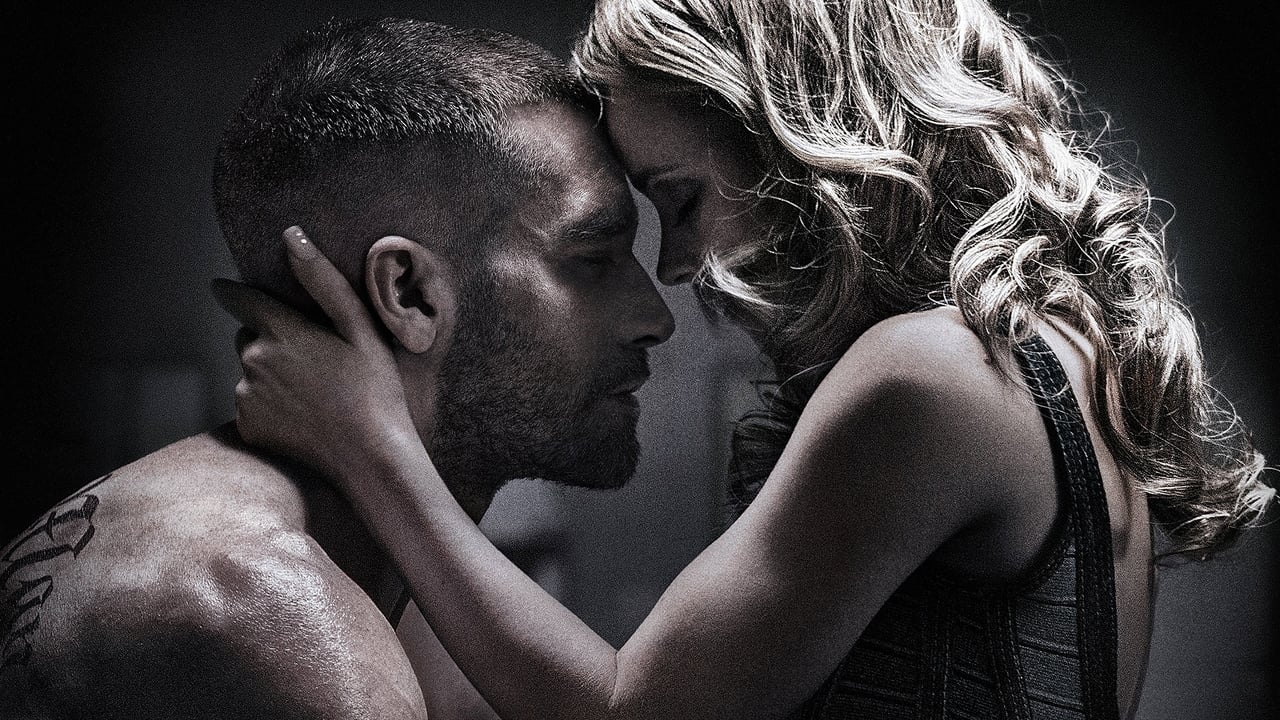
The supporting cast is equally stacked. Rachel McAdams is radiant as Maureen, the brains behind the brawn. She has this way of looking at Billy that tells you their entire history without a word of dialogue. 50 Cent shows up as a predatory manager, and he plays the role with a slick, corporate chill that makes you want to check your pockets for your wallet every time he’s on screen.
Southpaw doesn't reinvent the boxing movie wheel. It hits every trope you expect: the fall from grace, the grumpy trainer, the climactic title fight, and the "one last chance" at redemption. If you’re looking for a subversion of the genre, you might find it a bit predictable. However, it executes those tropes with such raw intensity and high-caliber acting that it’s hard not to get swept up in the drama.
It’s a film about the difference between being a "fighter" and being a "boxer"—the former is about rage, while the latter is about discipline. By the time the final bell rings, I wasn't just rooting for Billy to win a belt; I was rooting for him to finally be able to look his daughter in the eye. It’s a heavy, sweaty, emotional gut-punch of a movie that reminds us why we love a good underdog story, even when we know exactly how it’s going to end. If you haven't seen it, grab some popcorn (and maybe skip the hard-boiled eggs) and let Gyllenhaal take you twelve rounds.

Keep Exploring...
-
The Guilty
2021
-
The Magnificent Seven
2016
-
Ambulance
2022
-
The Darkest Minds
2018
-
Training Day
2001
-
Patriots Day
2016
-
Logan Lucky
2017
-

21 Bridges
2019
-
The Equalizer 3
2023
-
Demolition
2016
-
Tears of the Sun
2003
-
Shooter
2007
-

In the Heart of the Sea
2015
-
13 Hours: The Secret Soldiers of Benghazi
2016
-
Deepwater Horizon
2016
-
American Made
2017
-

King Arthur: Legend of the Sword
2017
-
The Equalizer 2
2018
-
Rambo: Last Blood
2019
-
Black and Blue
2019