Spectre
"The past is a ghost that never stops haunting."
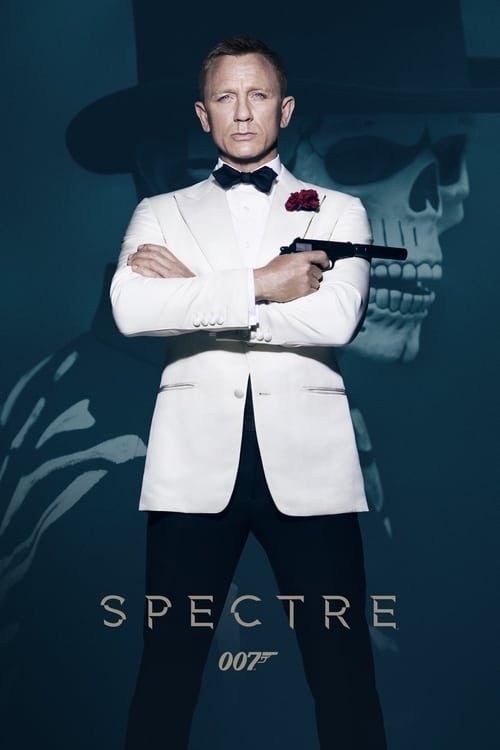
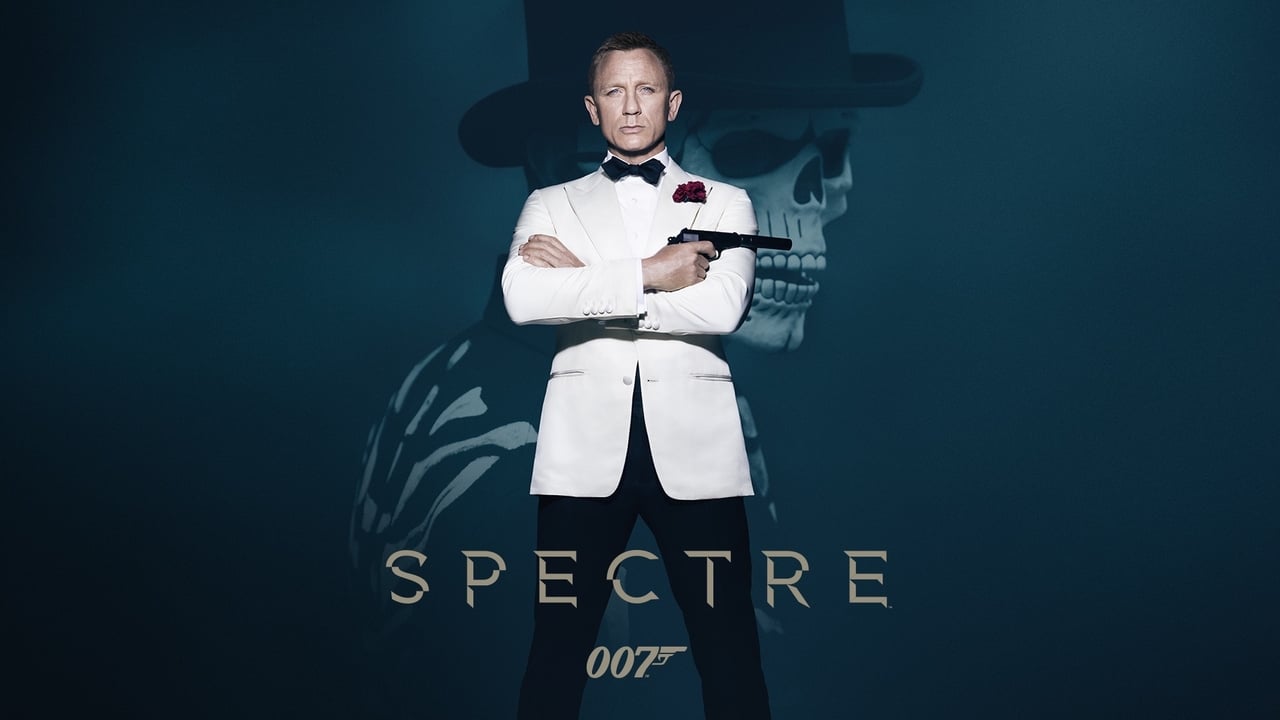
I remember shifting in my seat during the opening of Spectre, not because the IMAX chair was uncomfortable, but because that four-minute "continuous" tracking shot through Mexico City’s Day of the Dead parade is pure, uncut cinema. It’s a sequence that makes you forget to breathe. Somewhere between the 1,500 extras in skeleton costumes and Daniel Craig casually walking across a crumbling rooftop, I dropped an entire box of Raisinets. The sound of them pattering against the floor like tiny, chocolatey raindrops was honestly better timed than some of the pacing in the film’s second act.
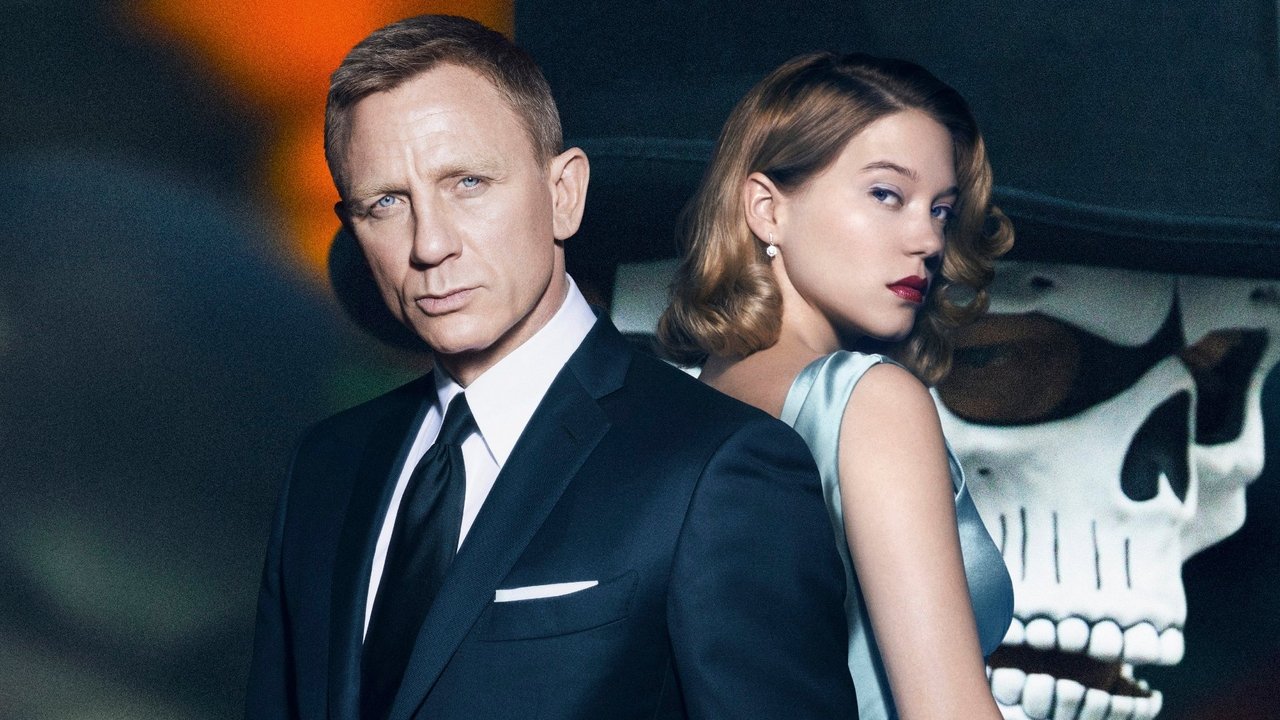
Released in an era where the Marvel Cinematic Universe had convinced every studio that "everything must be connected," Spectre is a fascinating look at a franchise trying to have its cake and eat it too. It wants to be a standalone globe-trotting adventure, but it’s also desperate to tell you that every bad thing that happened to James Bond since 2006 was part of one giant, sinister plan. It’s the "Legacy Sequel" fever that gripped the mid-2010s, applied to a series that was already five decades old.
The Art of the Practical Spectacle
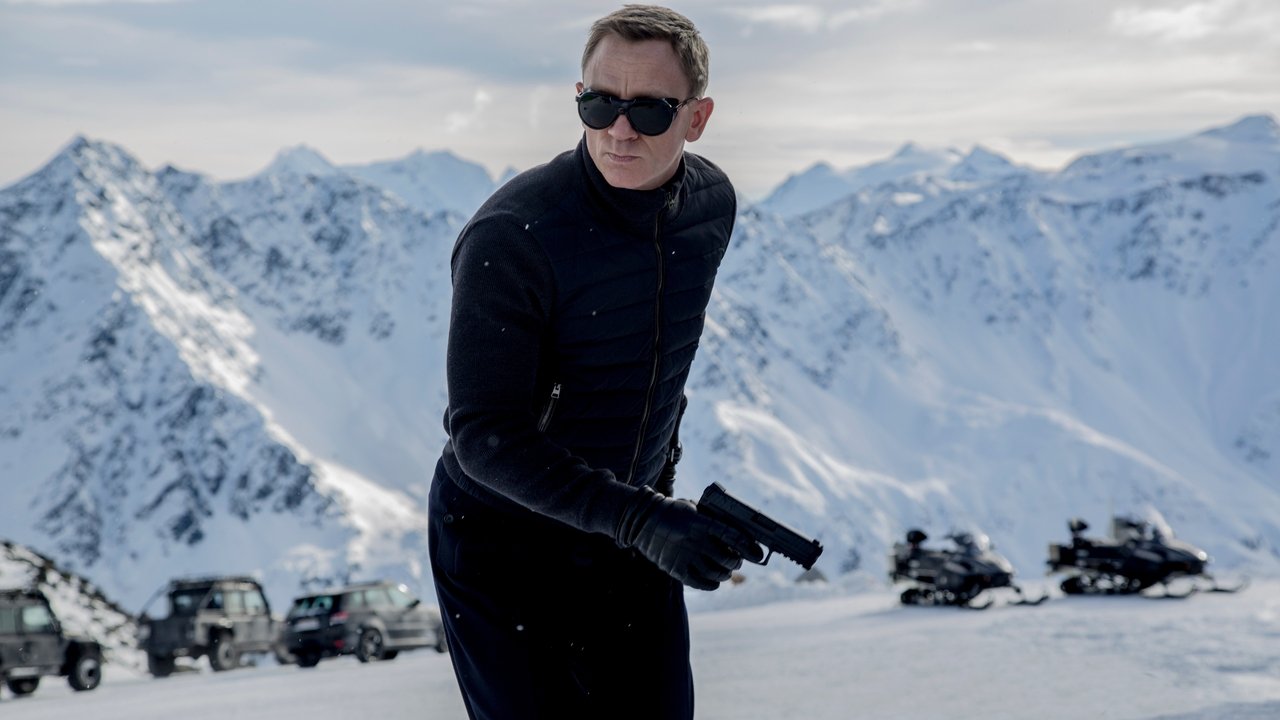
If there’s one thing Sam Mendes (who also gave us the gorgeous Skyfall) understands, it’s how to spend a $245 million budget so that every cent screams at you from the screen. In a contemporary landscape where we are often drowned in muddy, weightless CGI, Spectre feels refreshingly heavy. When a plane loses its wings and sleds through a mountain village in Austria, you feel the crunch of the metal.
The film actually earned a spot in the Guinness World Records for the largest film stunt explosion ever—the destruction of the desert base in Morocco used 8,418 liters of fuel and 33 kilograms of explosives. Seeing that level of practical commitment is a joy for those of us tired of "The Volume" and digital backdrops. Even the cars are bespoke; the Aston Martin DB10 was designed specifically for this movie, with only ten ever made. Most of them were crashed, which is enough to make any gearhead weep, but that’s the price of a chase scene through the streets of Rome that actually feels like it’s happening in real-world space.
The action highlight for me, however, isn’t an explosion. it’s the train fight between Bond and Mr. Hinx, played by Dave Bautista (Guardians of the Galaxy). It’s a brutal, close-quarters slugfest that recalls the legendary fight in From Russia with Love. It has rhythm, it has impact, and it reminds us that Daniel Craig's greatest contribution to the role was his ability to look like he was genuinely one punch away from a permanent headache.

The "Bro-feld" Problem
Where the film stumbles—and it stumbles like a man who’s had three too many Vesper martinis—is in its narrative insistence on being a "Grand Unified Theory" of the Craig era. We are introduced to Christoph Waltz as Franz Oberhauser, who eventually reveals himself to be the iconic Ernst Stavro Blofeld. Waltz is an actor I usually find magnetic, but here he is saddled with a script that makes the head of a global terror organization feel like a petty, jealous younger brother.
The twist that Bond and Blofeld grew up together is, quite frankly, an expensive soap opera move that nobody asked for. It shrinks the world. Bond is at his best when he’s a blunt instrument used by the state to fight global shadows; he’s at his most frustrating when his mission turns into a family therapy session with C4. It felt like the producers were looking at the "interconnectedness" of modern franchises and decided that Bond needed a personal through-line, forgetting that the character's mystery is his greatest asset.
A Masterclass in Atmosphere (and Sepia)
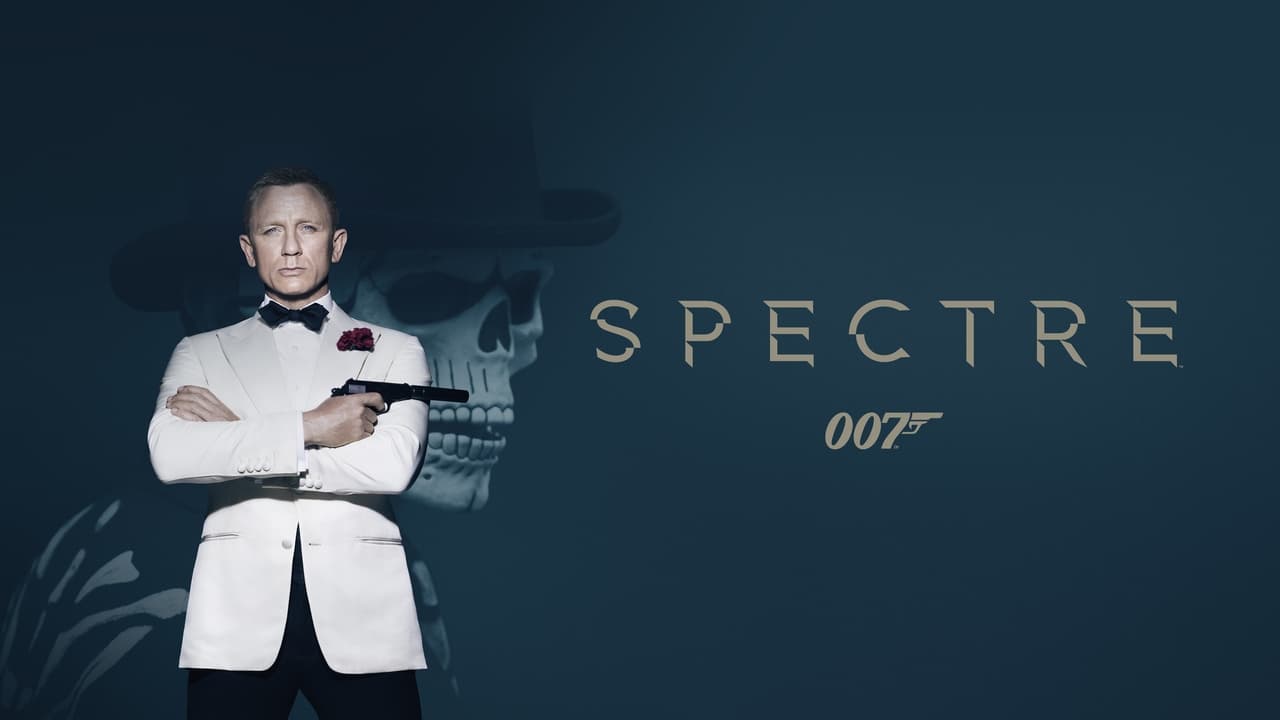
Despite the script’s reaches, the craft remains top-tier. Hoyte van Hoytema (who later lensed Oppenheimer and Dunkirk) takes over cinematography duties here, bathing the film in a hazy, golden-sepia tone that feels like a vintage postcard. It’s a departure from the high-contrast vibrance of Skyfall, but it fits the theme of "ghosts" and memory.
The cast is equally formidable, even if some are underutilized. Léa Seydoux (Dune: Part Two) brings a cold, sharp intelligence to Madeleine Swann, a character who would eventually become the emotional anchor of the entire Craig saga. Meanwhile, the MI6 "Scooby Gang"—Ralph Fiennes as M, Ben Whishaw as Q, and Naomie Harris as Moneypenny—get more to do here than in almost any other entry, giving the film a warm, ensemble feel that balances Bond’s lone-wolf tendencies.
I also have to mention Monica Bellucci. She was the "oldest Bond girl" at the time (a title she rightfully hated), and her presence as Lucia Sciarra is hauntingly brief. It’s one of those "Popcornizer" moments where you wish the movie would just stop and spend another hour with her character instead of rushing off to the next set piece.
Spectre is a film caught between two worlds. It’s a stunningly shot, expertly choreographed action epic that nonetheless feels weighed down by its own ambition to be "important." While it doesn't quite reach the heights of Casino Royale, it remains a high-budget spectacle that demands to be seen on the biggest screen possible. It’s a flawed, beautiful, often frustrating ghost story that proves even a "lesser" Bond movie is still more exciting than most other blockbusters on the shelf.
Keep Exploring...
-
No Time to Die
2021
-

Skyfall
2012
-
Quantum of Solace
2008
-
Die Another Day
2002
-
GoldenEye
1995
-
Tomorrow Never Dies
1997
-
Casino Royale
2006
-
Thunderball
1965
-
You Only Live Twice
1967
-
Live and Let Die
1973
-
Moonraker
1979
-
For Your Eyes Only
1981
-
Never Say Never Again
1983
-
Octopussy
1983
-
A View to a Kill
1985
-
The Living Daylights
1987
-
Licence to Kill
1989
-

The World Is Not Enough
1999
-
Dr. No
1962
-

Goldfinger
1964