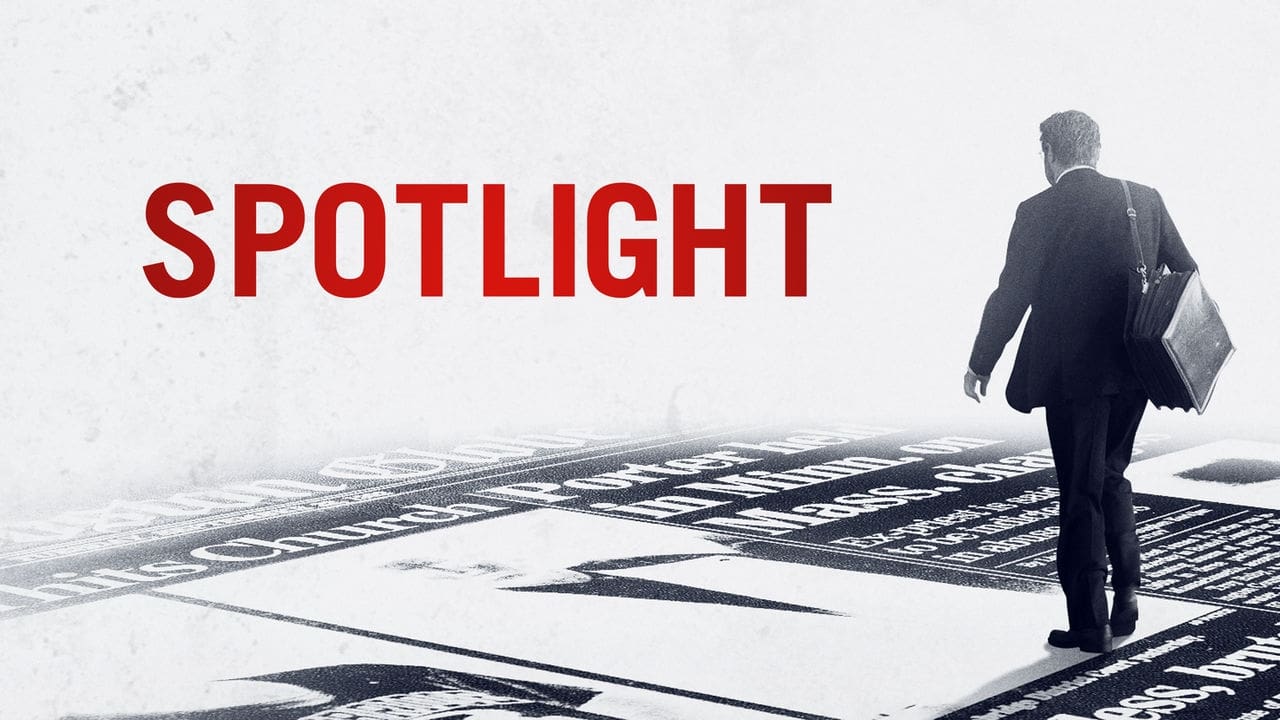
Spotlight
"To find the truth, you have to follow the silence."
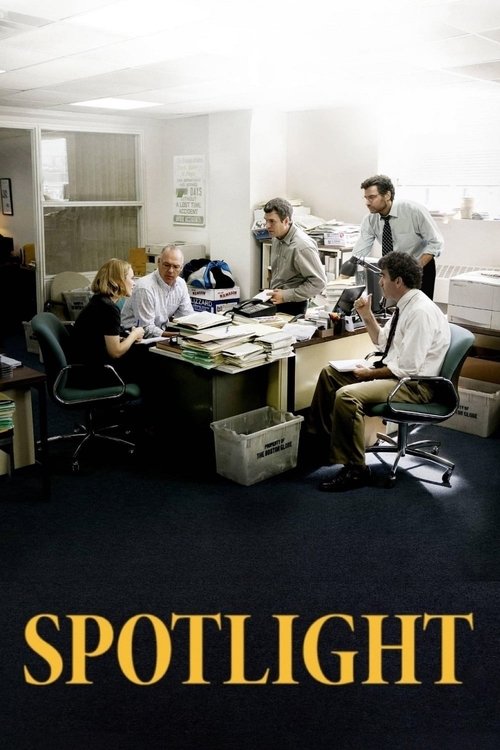
The first thing I noticed about Spotlight is how much it loves the sound of scratching pens. In a world of high-octane thrillers where investigative journalists usually end up in high-speed car chases or meeting Deep Throat in shadowy parking garages, Tom McCarthy’s 2015 masterpiece dares to suggest that the most world-shaking work happens in basement archives and over cold coffee. I watched this on a rainy Tuesday while wearing a sweater that was just a bit too itchy, and honestly, that low-level physical discomfort felt like the perfect companion to a movie that is entirely about the unease of realizing your hometown is built on a lie.
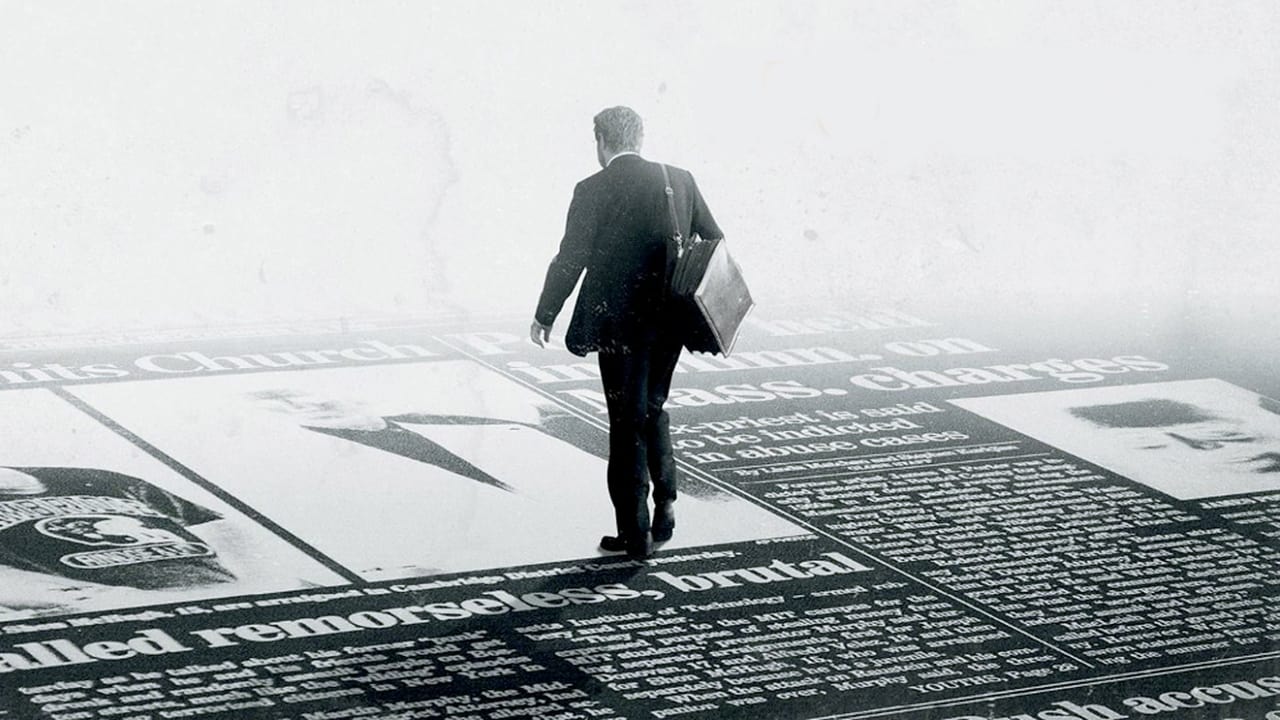
The Unsexy Thrill of the Paper Trail
Spotlight follows the true story of the Boston Globe’s investigative team as they stumble upon a localized story of priest molestation that spirals into a global indictment of the Catholic Church’s systemic cover-ups. It’s a procedural in the purest sense. There are no soaring monologues until the very end, and even then, they feel earned rather than scripted.
The film is set in 2001, a time when the internet was a screeching dial-up nuisance and newsrooms were still cathedral-like spaces of fluttering paper and ink-stained hands. What makes this film so intellectually satisfying is how it treats the audience like an adult. It assumes we care about the "boring" stuff: the cross-referencing of directories, the legal maneuvering to unseal documents, and the slow, grinding work of knocking on doors. It is essentially a two-hour movie about professional filing and it is absolutely electrifying.
Director Tom McCarthy and co-writer Josh Singer understand that the real drama isn't just the crime itself—it’s the realization of how many "good" people looked the other way. This isn't just a "bad apples" story; it’s a "rotten orchard" story. It asks a terrifying philosophical question: How do you dismantle a system when the system is the very fabric of your community?
A Masterclass in Ego-Free Ensemble
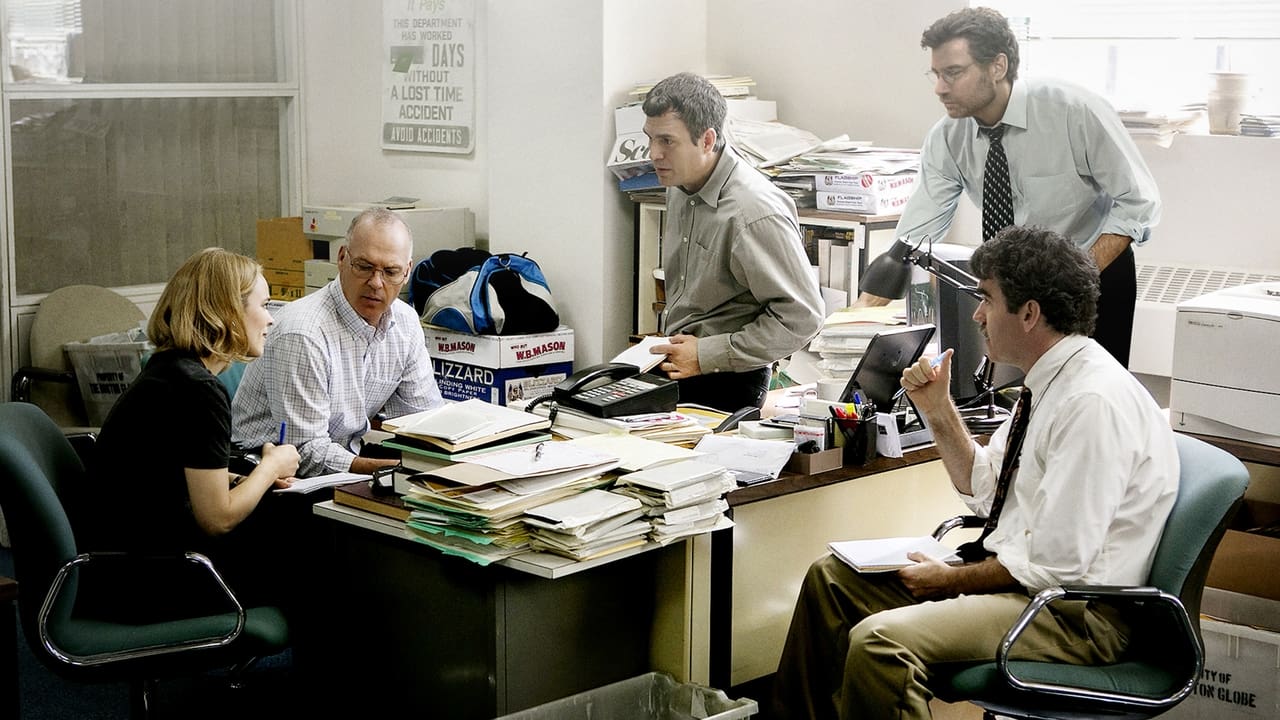
The cast here is a miracle of restraint. You have Michael Keaton as Walter 'Robby' Robinson, the team leader who has to reconcile his role as a journalist with his status as a "Boston boy" who went to the same schools as the people he’s investigating. Keaton plays him with a steady, weathered grace, showing us a man who realizes he might have missed the story of a lifetime years ago because he was too much of an insider.
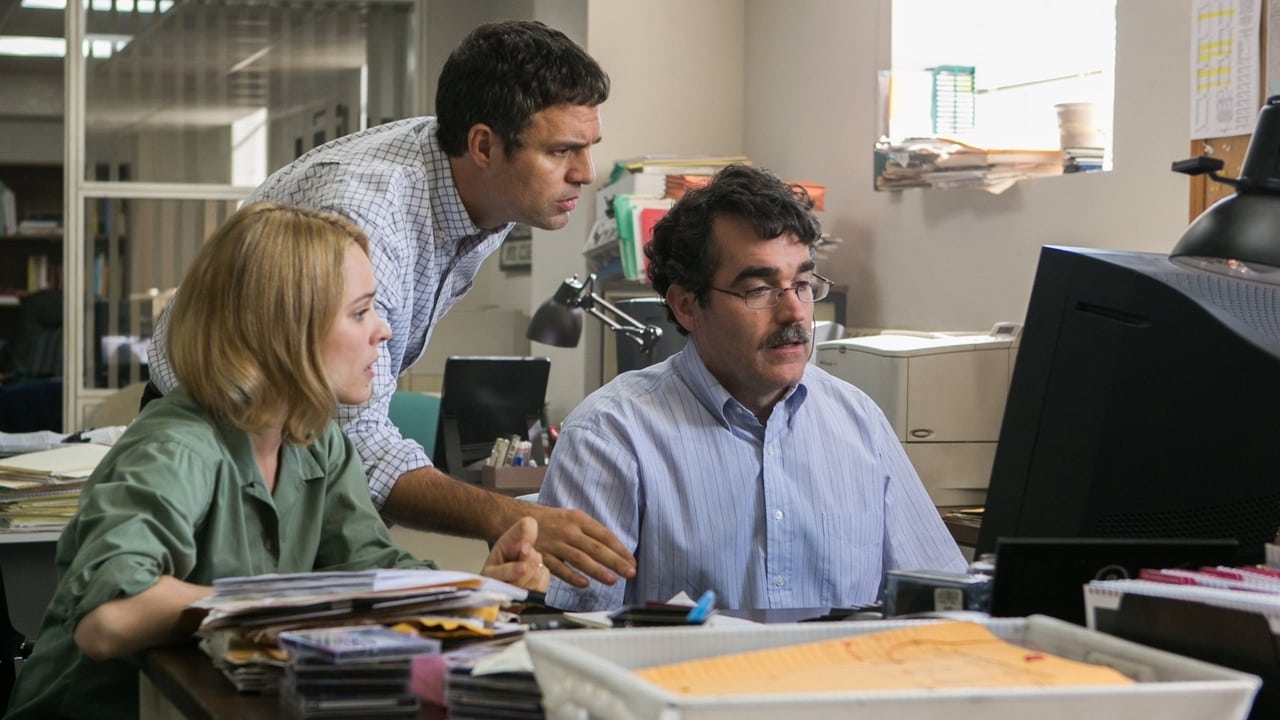
Then there’s Mark Ruffalo as Michael Rezendes. Ruffalo is the emotional engine of the group, all hunched shoulders and nervous, kinetic energy. He captures that specific journalistic "itch"—the obsessive need to get the quote, to meet the deadline, to shout the truth from the rooftops. Opposite him is Rachel McAdams as Sacha Pfeiffer, who provides the film’s heart. Her job is often just to listen, and McAdams is incredible at showing how a journalist’s empathy is their greatest tool.
The catalyst for the whole thing is Marty Baron, played with a brilliant, stone-faced dryness by Liev Schreiber. As the outsider and the new editor-in-chief, Baron is the one who can see the forest because he hasn't spent his whole life climbing the local trees. His interactions with John Slattery’s Ben Bradlee Jr. provide a sharp look at the friction between "the way we’ve always done it" and the way it needs to be done now.
The Silence of a City
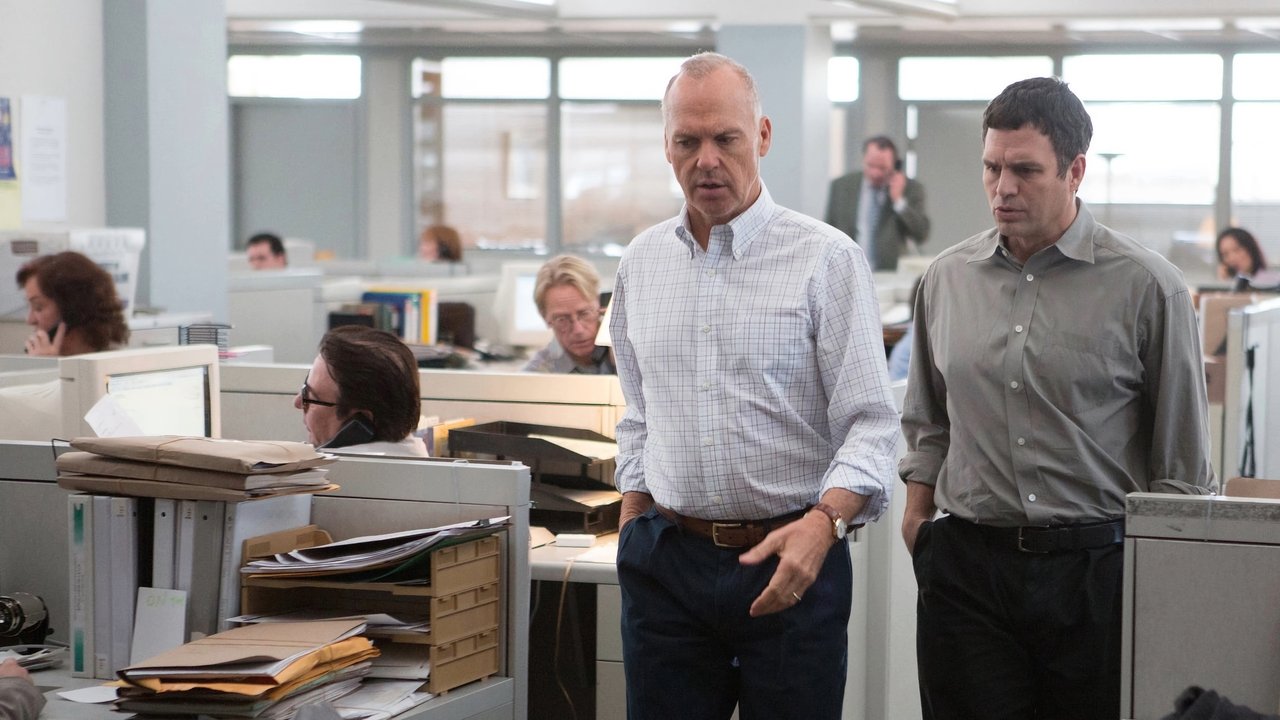
What stays with me after the credits roll isn't just the horrific details of the scandal, but the geography of the silence. Masanobu Takayanagi’s cinematography doesn't try to make Boston look like a postcard. It looks like a city of heavy stone and gray skies—a place where tradition carries weight.
In our current era of "fake news" discourse and the rapid collapse of local print journalism, Spotlight feels like a transmission from a lost civilization. It reminds me that the truth doesn't just "come out"—it has to be dragged into the light by people who are willing to be unpopular at cocktail parties. Apparently, the production was so obsessed with accuracy that the real-life journalists were stunned by the sets; they even recreated the specific mess on Sacha Pfeiffer’s desk. That level of detail matters because the movie itself is a tribute to the importance of the small, verifiable fact.
The film was a massive "prestige" success, famously winning Best Picture at the 88th Academy Awards in a bit of an upset against the much flashier The Revenant. It only won two Oscars—Picture and Original Screenplay—making it the first film since 1952’s The Greatest Show on Earth to win the top prize with so few other trophies. But that feels right. Spotlight isn't about the trophies; it’s about the work.
Spotlight is a rare breed of drama that manages to be intellectually rigorous without ever becoming dry. It treats the pursuit of truth as a sacred, messy, and deeply human endeavor. By the time the final crawl of cities appears on the screen, you don't just feel like you’ve watched a movie; you feel like you’ve been deputized into the long, hard struggle of keeping the world honest. It’s a film that respects your intelligence and rewards your attention, proving that sometimes the quietest stories are the ones that scream the loudest.
Keep Exploring...
-

Straight Outta Compton
2015
-
Little Women
2019
-
Ford v Ferrari
2019
-
The Trial of the Chicago 7
2020
-

Hidden Figures
2016
-
Green Book
2018
-
A Taxi Driver
2017
-
Loving Vincent
2017
-
Portrait of a Lady on Fire
2019
-
Society of the Snow
2023
-

Captain Fantastic
2016
-

Wonder
2017
-
Love, Simon
2018
-

Five Feet Apart
2019
-
Hacksaw Ridge
2016
-
The Post
2017
-

First Man
2018
-
1917
2019
-
The Iron Claw
2023
-
The Boy Who Harnessed the Wind
2019