Star Wars: The Force Awakens
"A thunderous return to form that reminds us why we fell for the stars."
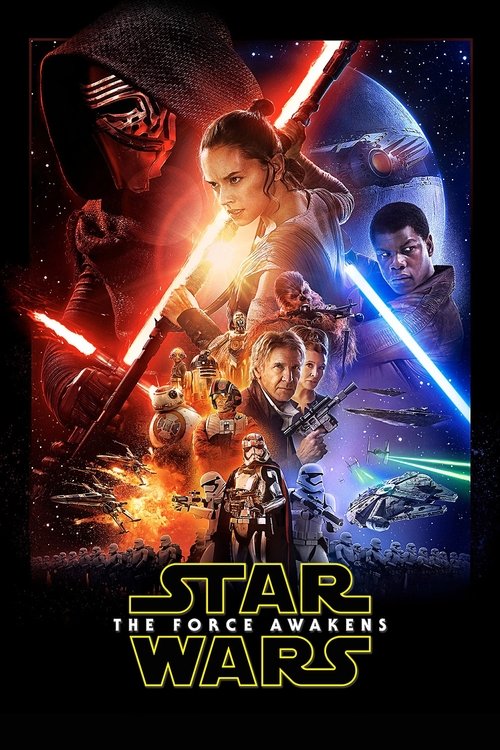
I remember sitting in a sticky vinyl seat in December 2015, clutching a bucket of popcorn that had so much salt it felt like I was eating a handful of Crait’s mineral crust. The theater was vibrating. Not from the speakers, but from the collective holding of breath by three generations of nerds. When those yellow letters finally punched through the darkness to the tune of John Williams’ iconic brass, the guy next to me actually sobbed. That’s the kind of baggage J.J. Abrams was carrying when he took the helm of The Force Awakens.
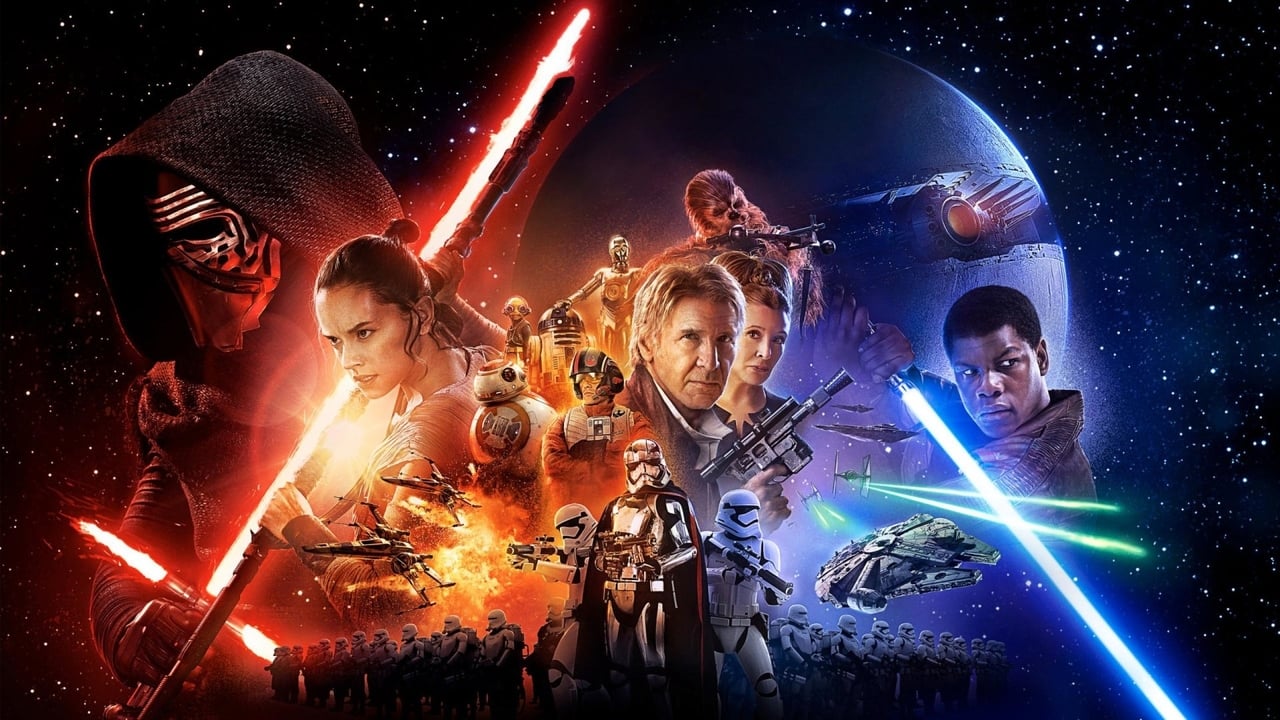
This wasn’t just a movie; it was a $245 million apology for the Midichlorians. And for the most part, it worked. Looking back from our current era of "franchise fatigue" and endless streaming spin-offs, The Force Awakens feels like a miracle of pacing and practical charm.
A High-Stakes Remix
Let’s address the Bantha in the room: yes, this is essentially a beat-for-beat cover version of A New Hope. We’ve got a desert orphan, a hidden map inside a droid, a masked villain in black, and a big spherical "uh-oh" that blows up planets. But in 2015, we didn't want a subversion of the mythos; we wanted the mythos to feel real again. J.J. Abrams (who previously rebooted Star Trek) and veteran writer Lawrence Kasdan (the man behind The Empire Strikes Back) understood that the secret sauce of Star Wars isn't politics or trade routes—it's momentum.
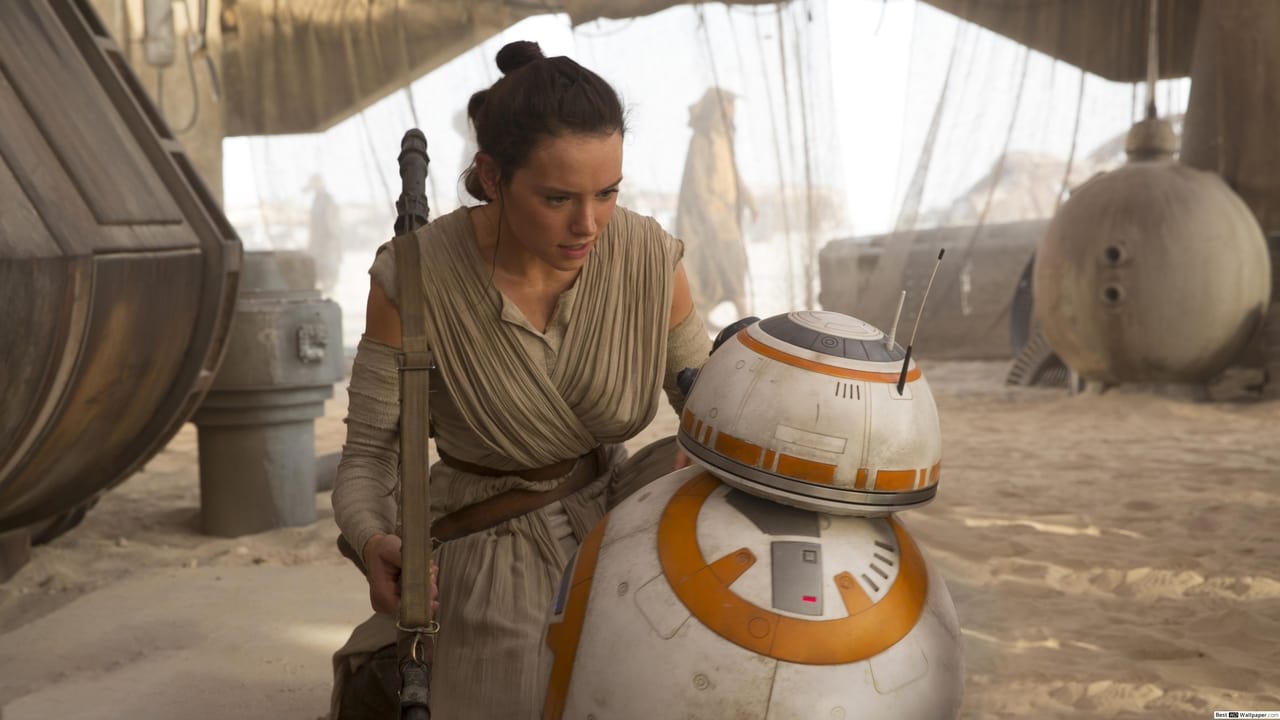
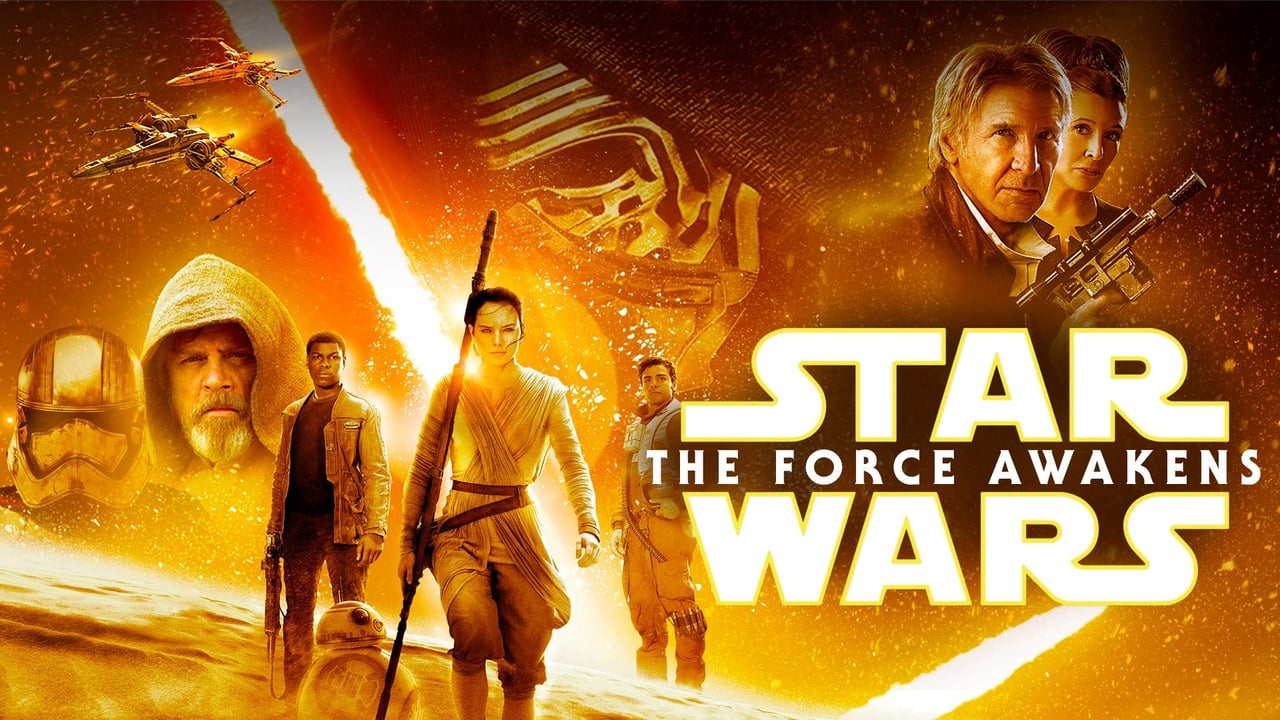
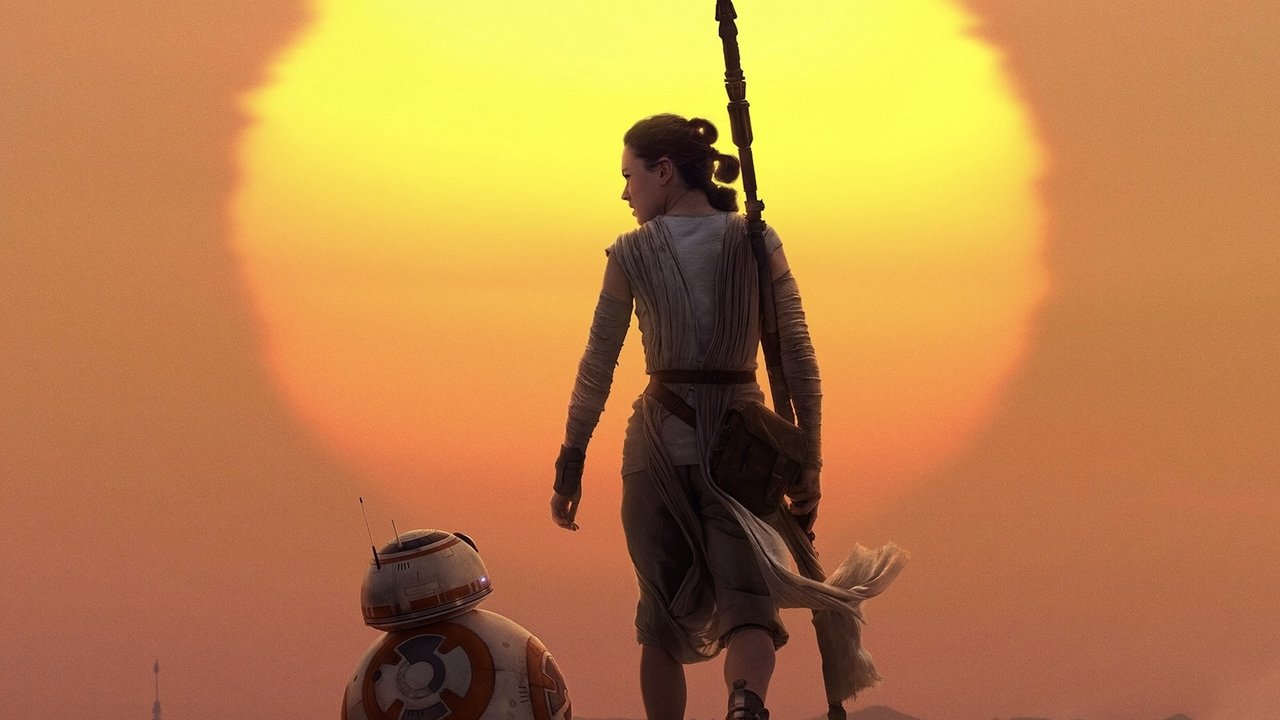
The film introduces Daisy Ridley as Rey, a scavenger who eats green bread and dreams of the horizon. Ridley carries the film with an earnestness that’s infectious. When she meets John Boyega’s Finn—a Stormtrooper who decides he’s done with the whole "genocide" thing—the movie finds its heartbeat. Their chemistry is immediate, frantic, and fun. It reminded me that Star Wars is at its best when it feels like a group of friends trying to outrun a disaster.
Dirt, Sweat, and Sabers
In an era where CGI can often feel like watching someone else play a very expensive video game, The Force Awakens opted for "tactile" over "technical." You can feel the heat of the Jakku sun and the grit of the mechanical wreckage. The action choreography here is a massive departure from the spinning-ballet style of the prequels.
The climactic lightsaber duel in a snowy forest is my favorite sequence in the modern trilogy. It’s messy. It’s brutal. The sabers don’t just hum; they crackle and spit like downed power lines. When Adam Driver (Kylo Ren) thumps his own bleeding wound to psych himself up, you realize this isn't a polished warrior—he’s a ticking time bomb. Adam Driver gives arguably the best performance in the entire franchise, portraying Kylo not as a cool villain, but as a petulant man-child with a god complex and a glowing cross. He’s the personification of the dark side's toxic insecurity.
The Legend and the Legacy
Then there’s the return of the old guard. Seeing Harrison Ford step back into the Millennium Falcon was the ultimate "shut up and take my money" moment. Ford isn't phoning it in here; he gives Han Solo a weary, paternal weight that makes his eventual confrontation with Kylo Ren genuinely gut-wrenching. Carrie Fisher returns as General Leia, trading her royal robes for a tactical vest, grounding the film’s fantastical stakes in a very human story of broken families.
The production was a beast of its own. Apparently, Harrison Ford actually broke his leg on set when a hydraulic door on the Millennium Falcon closed on him. While that sounds like a nightmare, Abrams later said the production hiatus actually allowed him to rework the script to better develop the friendship between Rey and Finn. It’s a rare case where a set injury actually resulted in a better movie.
Commercially, the film was a juggernaut, raking in over $2 billion. It proved that the "legacy sequel" was the new gold standard for Hollywood—a trend that would eventually lead us to Top Gun: Maverick and Spider-Man: No Way Home. It also showed the power of representation; having a female lead and a Black lead in the biggest movie on Earth wasn't just a "box-checking" exercise—it was a way to make the galaxy feel as big as it always should have been.
The Mystery Box Era
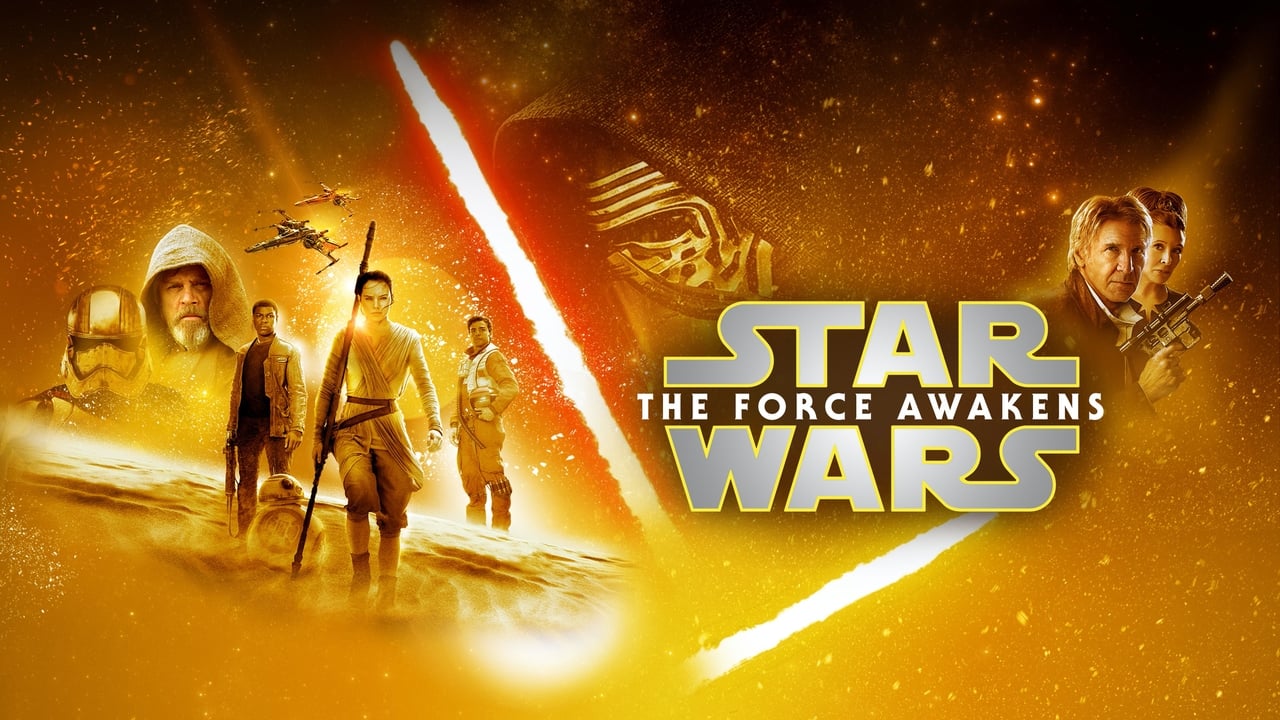
Looking at it now, The Force Awakens represents the peak of the "Mystery Box" era of filmmaking. It’s a movie designed to spark a thousand "Who are Rey's parents?" YouTube theories. While the subsequent films struggled to answer those questions in a way that satisfied everyone, this first chapter is undeniable in its energy. It’s a film that prioritizes the feeling of cinema—the roar of a TIE Fighter, the lens flare of a sunset, the way a character's face lights up when they realize the Jedi are real.
Is it a perfect film? No. It’s safe, it’s nostalgic, and the Starkiller Base is a lazy retread of a plot point we’ve seen twice before. But as an engine to restart the most beloved franchise in history, it’s an absolute triumph of craft and charisma.
Ultimately, this movie succeeds because it treats the Force like something magical rather than something clinical. It’s a reminder that we don’t go to the movies just to see things blow up; we go to see characters we love do the right thing when the odds are impossible. I walked out of that theater in 2015 feeling ten years younger, and honestly, even with all the salt in that popcorn, I’d do it all again.
Keep Exploring...
-
Star Wars: The Rise of Skywalker
2019
-
Star Wars: The Last Jedi
2017
-
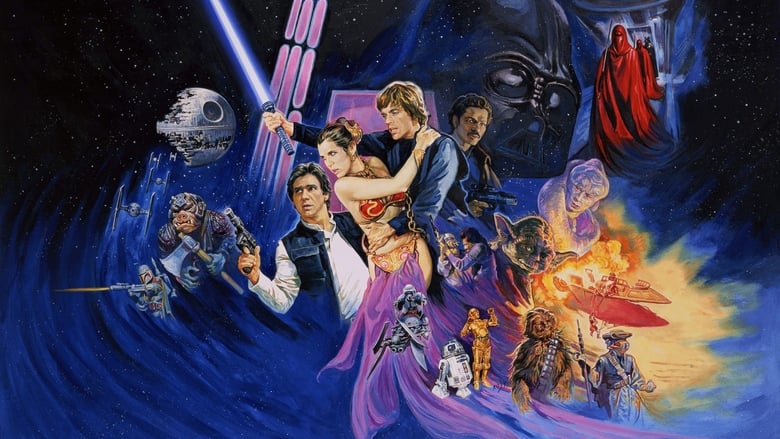
Return of the Jedi
1983
-
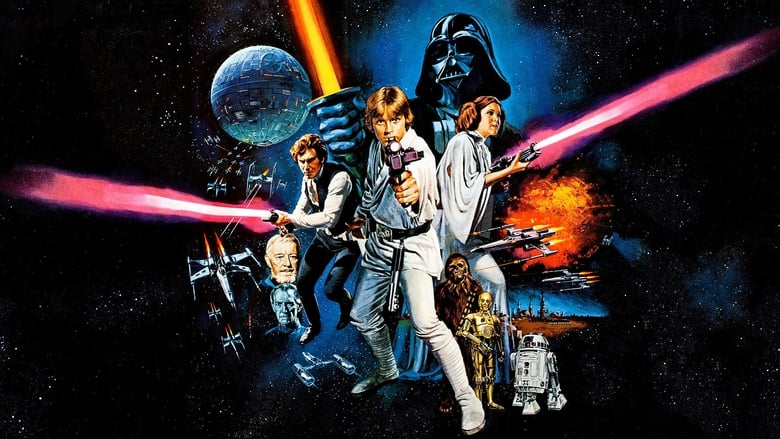
Star Wars
1977
-
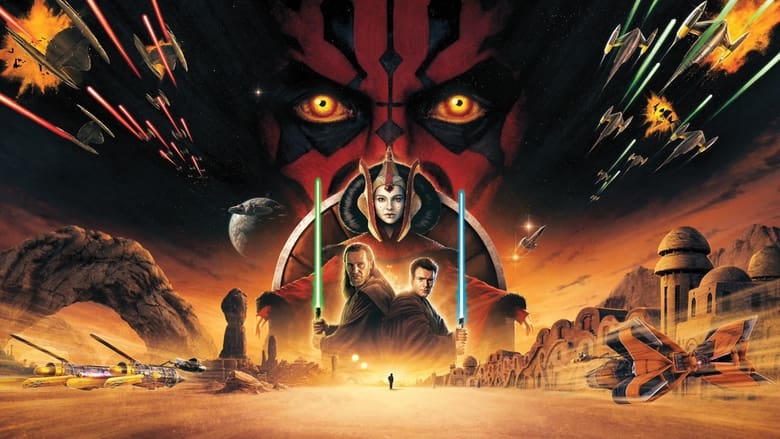
Star Wars: Episode I - The Phantom Menace
1999
-
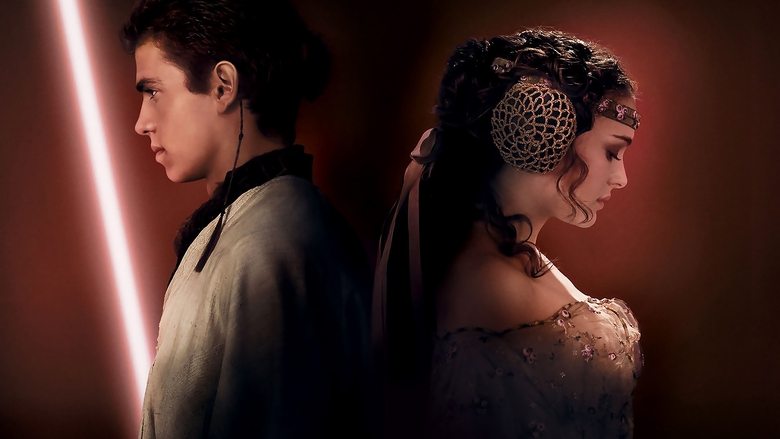
Star Wars: Episode II - Attack of the Clones
2002
-

Star Wars: Episode III - Revenge of the Sith
2005
-
The Empire Strikes Back
1980
-

Black Panther
2018
-
Ant-Man
2015
-
Avengers: Age of Ultron
2015
-
Jurassic World
2015
-
Maze Runner: The Scorch Trials
2015
-
The Hunger Games: Mockingjay - Part 2
2015
-
Captain America: Civil War
2016
-
Rogue One: A Star Wars Story
2016
-
Guardians of the Galaxy Vol. 2
2017
-
Spider-Man: Homecoming
2017
-
Thor: Ragnarok
2017
-
Ant-Man and the Wasp
2018