Suffragette
"Justice isn't polite; it's a riot."

The air in the commercial laundry where Maud Watts spends her days is thick enough to chew. It’s a humid, suffocating haze of lye and steam, a place where fingers are crushed in mangles and skin is perpetually raw. This isn't the Edwardian London of parasols and polite garden parties we usually see in Masterpiece Theatre imports. This is the London of the working poor, a city that smells like wet wool and desperation.
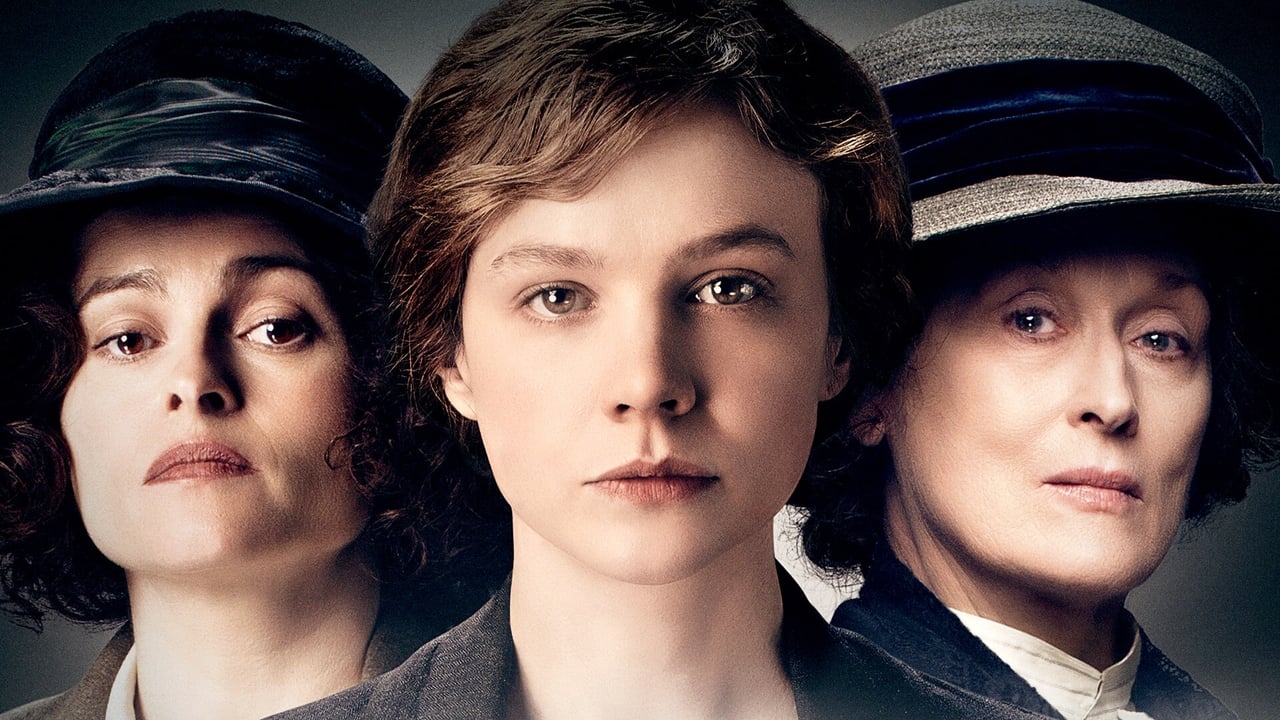
When I sat down to watch Suffragette, my radiator started doing that rhythmic, metallic clanking thing it does every winter, and for a second, I thought it was part of the film's percussive, industrial soundscape. It fit. This is a film that wants you to feel the grime under your fingernails and the bruise on your ribs. Released in 2015, just as the conversation around gender parity in Hollywood was reaching a fever pitch (and two years before #MeToo would reshape the industry), Sarah Gavron’s drama felt like a necessary, if slightly flawed, reclaiming of the female narrative.
The Foot Soldiers of the Movement
While historical dramas usually gravitate toward the luminaries—the women whose names are on the statues—Suffragette wisely pivots. Carey Mulligan plays Maud, a fictionalized amalgam of the thousands of working-class women who actually fueled the movement. Maud isn't a radical by choice; she’s a radical by exhaustion. Mulligan has this incredible, quiet way of vibrating with repressed emotion. You can see the gears turning as she realizes that her "good behavior" has bought her nothing but a lifetime of servitude and a husband, played with a heartbreakingly mundane cruelty by Ben Whishaw, who views her more as a piece of property than a partner.
The film excels when it treats the movement like an underground resistance. Helena Bonham Carter (playing Edith Ellyn, a character based on several real-life pharmacists) brings her trademark eccentric steel to the role of the movement’s chemist and bomb-maker. It’s basically a gritty heist movie where the 'diamond' is a ballot box. They cut telegraph wires, blow up mailboxes, and play a dangerous game of cat-and-mouse with Brendan Gleeson, who plays a police inspector with a soul-crushing understanding of how the State breaks people. Gleeson doesn’t play a mustache-twirling villain; he plays a man doing a job he knows is ugly, which is far more terrifying.
The Marketing Muddle and the Streep Factor
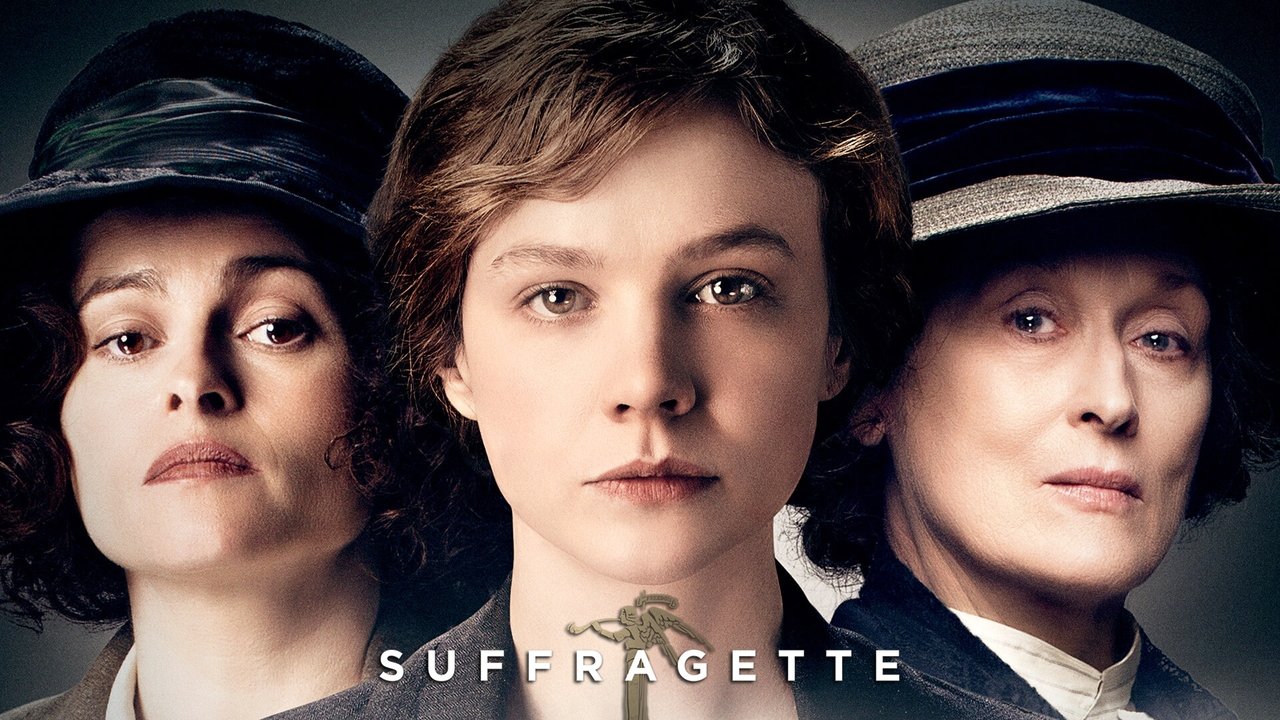
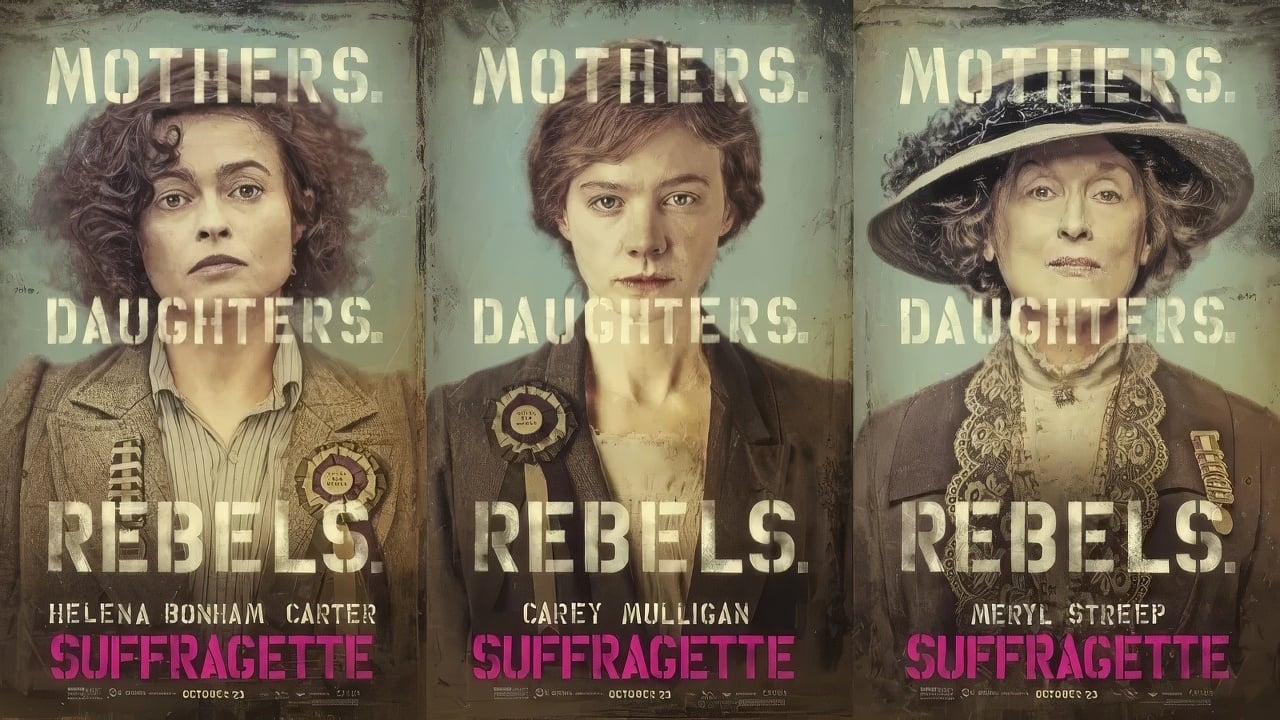
If you saw the posters back in 2015, you’d think Meryl Streep was the lead. In reality, she’s in the movie for about three minutes. She plays Emmeline Pankhurst, appearing on a balcony like a revolutionary hologram to deliver a stirring speech before vanishing back into the shadows. It was a classic "prestige bait" marketing move that probably did the film a disservice by setting up expectations for a sprawling biopic rather than the intimate, claustrophobic character study it actually is.
There’s also the 2015 context to consider. This was a film designed to be a "moment." It was the first film allowed to shoot inside the Houses of Parliament, and the production leaned heavily into its political relevance. However, it stumbled in the court of public opinion during the press tour—most notably with a photoshoot featuring the cast in T-shirts with the quote "I'd rather be a rebel than a slave." In the heightened discourse of the mid-2010s, the film’s failure to acknowledge the intersectionality of the movement (specifically the lack of women of color in the main cast, despite their historical presence in the UK suffrage movement) became a focal point of criticism. My left foot had fallen asleep about twenty minutes in, and I spent the big protest scene trying to wiggle my toes back to life, but even through that distraction, I couldn't help but notice how "white-washed" the crowd looked compared to the reality of the British Empire at the time.
Why It’s Still Worth the Watch
Despite its blind spots, Suffragette avoids the greatest sin of historical drama: it isn't boring. Anne-Marie Duff provides the film’s emotional heartbeat as Violet Miller, the woman who first lures Maud into a meeting. The scenes of force-feeding in prison are harrowing and filmed with a jarring, handheld intimacy that makes you want to look away. Gavron and screenwriter Abi Morgan (who also wrote the excellent The Iron Lady) aren't interested in making these women look like saints. They are messy, desperate, and occasionally violent.
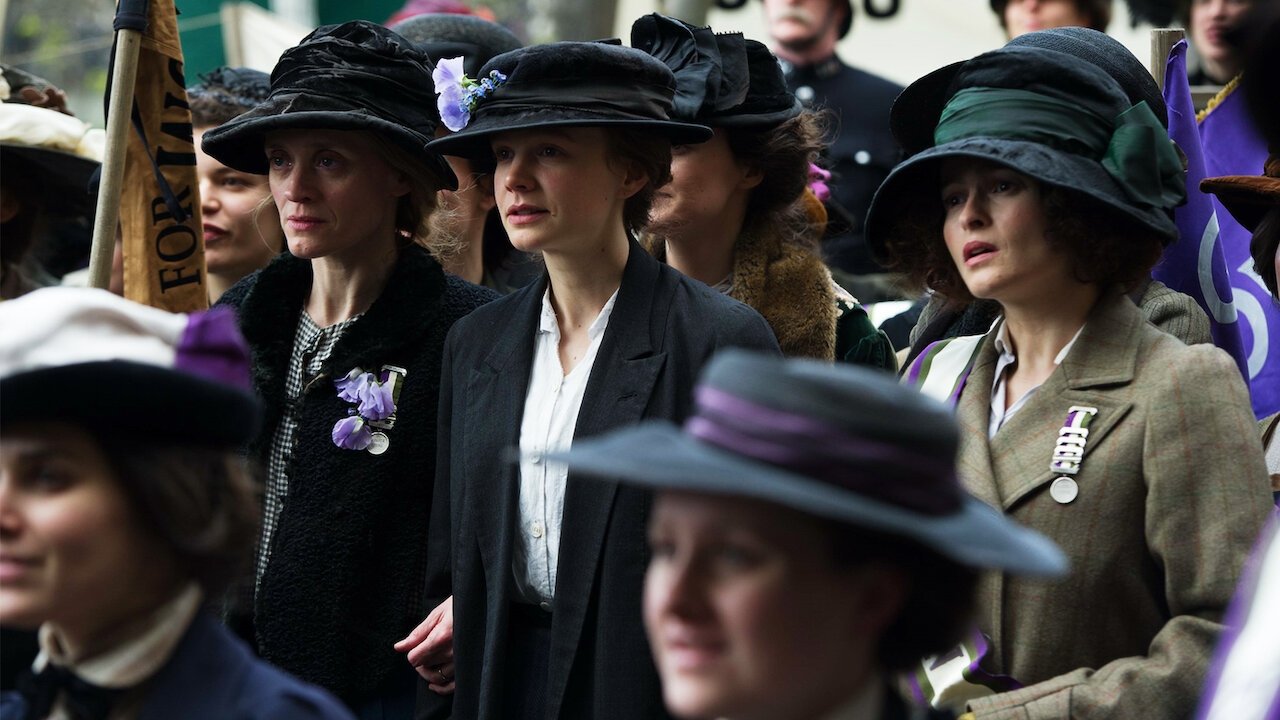
The film captures a specific kind of heartbreak—the cost of activism. When Maud is locked out of her home and separated from her son, the movie doesn't offer a soaring orchestral swell to heal the wound. It just leaves her standing in the rain. It’s the rare movie where a brick through a window feels more like a prayer than a crime. It reminds us that rights aren't "granted" by the benevolent hands of the powerful; they are clawed back, inch by agonizing inch, by people who have nothing left to lose.
Suffragette isn't a perfect historical document, but as a piece of character-driven drama, it packs a significant punch. It captures the transition from "deeds not words" with a grit that most period pieces are too polite to attempt. While it may have been overshadowed by larger franchise spectacles in its release year, it remains a vital look at the foot soldiers of history. If you can forgive its narrow focus, you'll find a story that feels uncomfortably relevant to the ongoing conversations about whose voices are heard and whose are silenced.
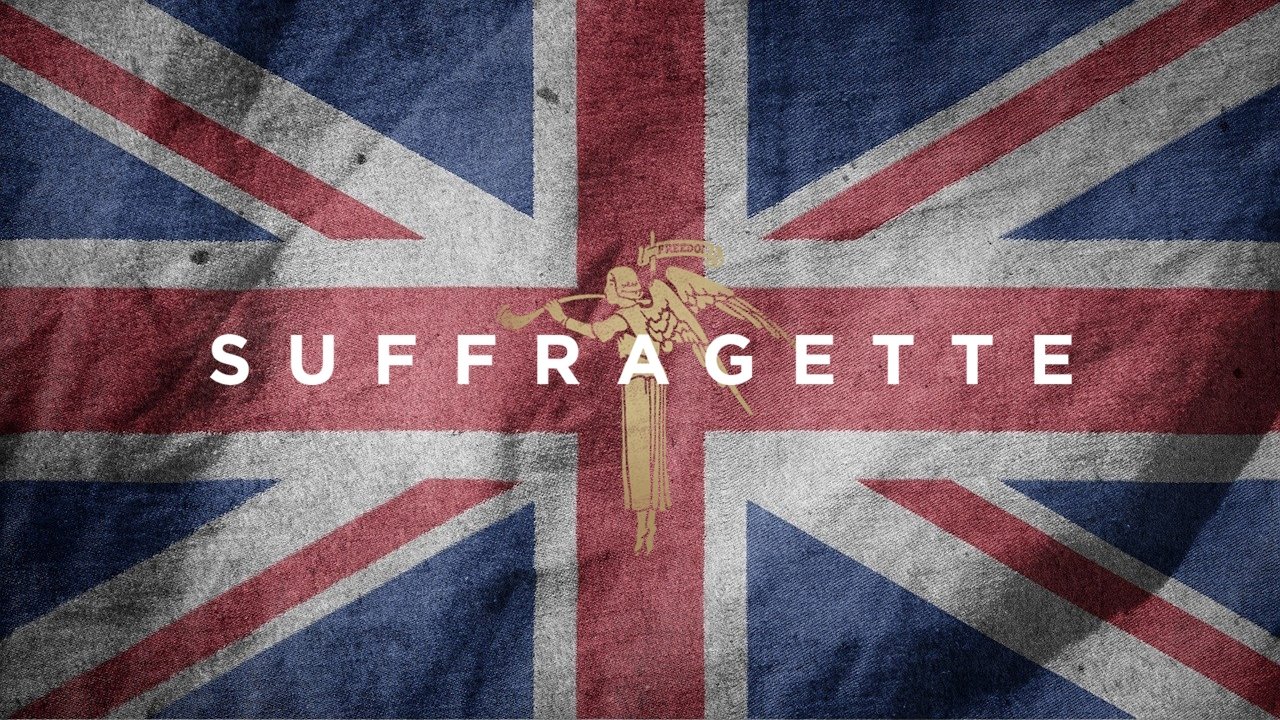
Keep Exploring...
-
The Dig
2021
-

Judy
2019
-
One Life
2023
-
Colonia
2015
-

Land of Mine
2015
-
The 33
2015
-
Race
2016
-
Risen
2016
-

A Taxi Driver
2017
-
All Eyez on Me
2017
-
Battle of the Sexes
2017
-
Borg vs McEnroe
2017
-

Detroit
2017
-
Goodbye Christopher Robin
2017
-
The Man Who Invented Christmas
2017
-

The Zookeeper's Wife
2017
-
Victoria & Abdul
2017
-
22 July
2018
-
Т-34
2018
-
Mary Queen of Scots
2018