Terminator Genisys
"The past is a moving target."
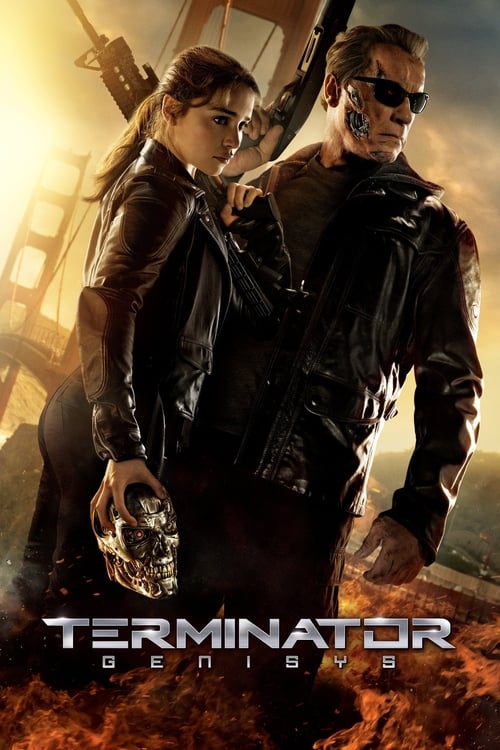
I remember watching the trailer for Terminator Genisys back in 2015 while wearing one damp sock because I’d stepped in a puddle in my kitchen, and that sense of cold, lingering discomfort turned out to be the perfect primer for the film itself. There is a specific kind of frustration that comes with watching a franchise you love try to perform open-heart surgery on its own history. As a lifelong Terminator nerd, I walked into the theater wanting to be dazzled by a "Legacy Sequel" that promised to "Reset the Future," but what I got was a movie that felt like it was trying to solve a Rubik’s Cube while falling down a flight of stairs.
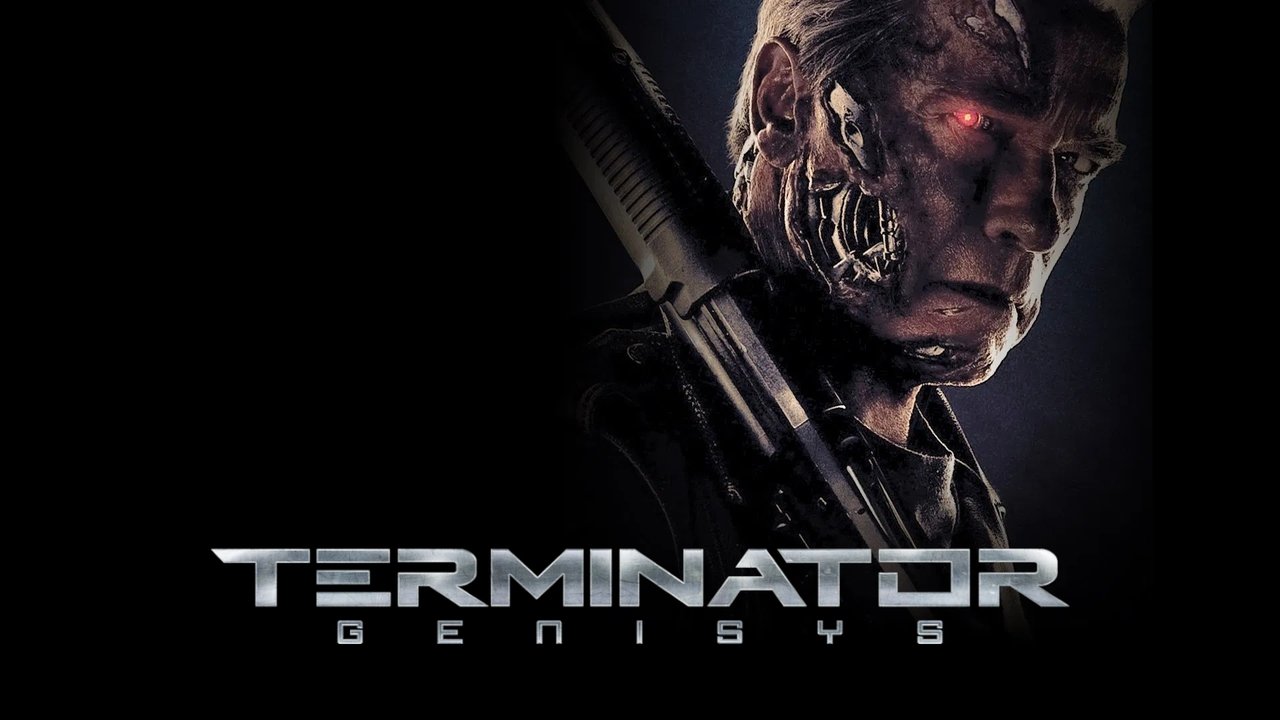
A High-Budget Identity Crisis
The 2010s were a strange time for cinema. We were right in the thick of "franchise saturation," where every studio was desperate to turn their dusty 80s IPs into sprawling cinematic universes. Genisys is the poster child for this era’s anxieties. It doesn't just want to be a sequel; it wants to be a remake, a prequel, and a pivot point all at once. The first twenty minutes are actually quite impressive—a lovingly detailed recreation of the 1984 original’s arrival sequences. Seeing a digital, de-aged Arnold Schwarzenegger from his Pumping Iron days square off against the "Guardian" (an older, weathered Arnold) is the kind of technical wizardry that defines contemporary blockbusters.
However, once the film moves past the nostalgia bait, it stumbles into a plot so convoluted that you almost need a whiteboard and three highlighters to follow the logic. We’re told the timeline has been altered, Sarah Connor is now a survivalist mentored by a Terminator she calls "Pops," and the T-1000 is already lurking in 1984. It’s an audacious "what if?" scenario, but it lacks the gritty, blue-collar desperation that made James Cameron’s original films feel so grounded. Instead of a horror-tinged chase movie, we get a polished, slightly anonymous action spectacle.
The Miscasting of the Resistance
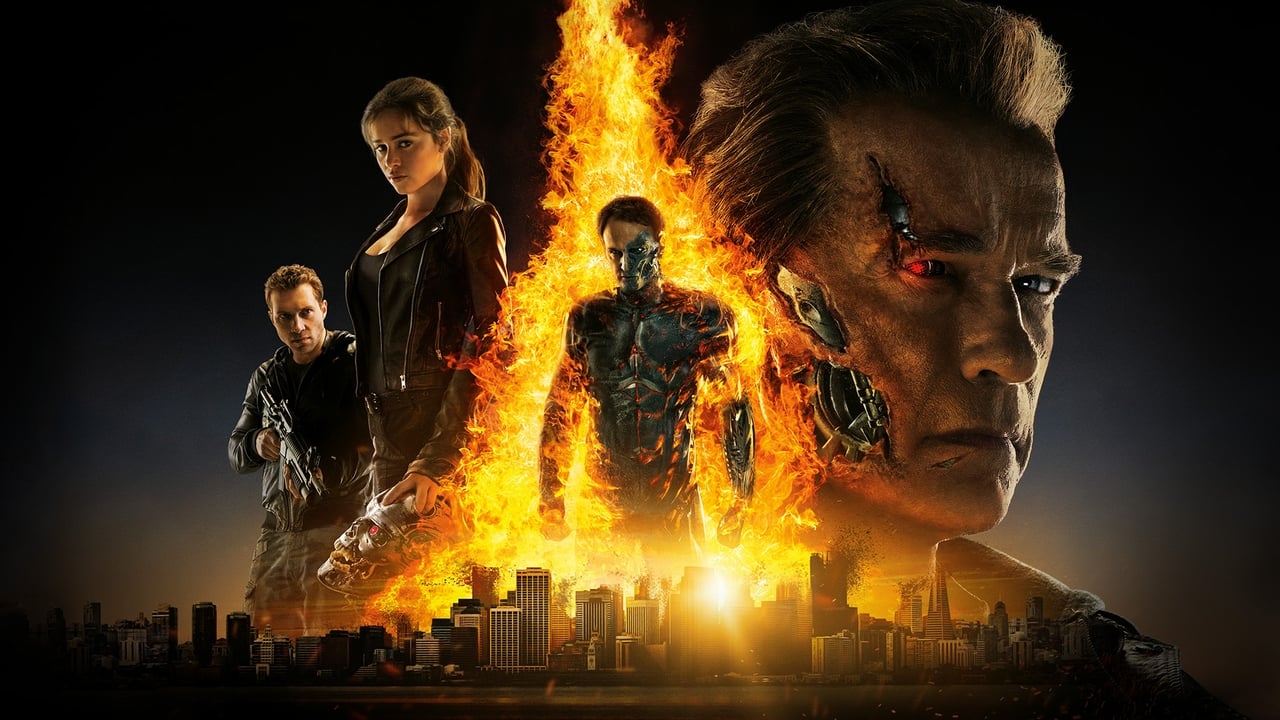
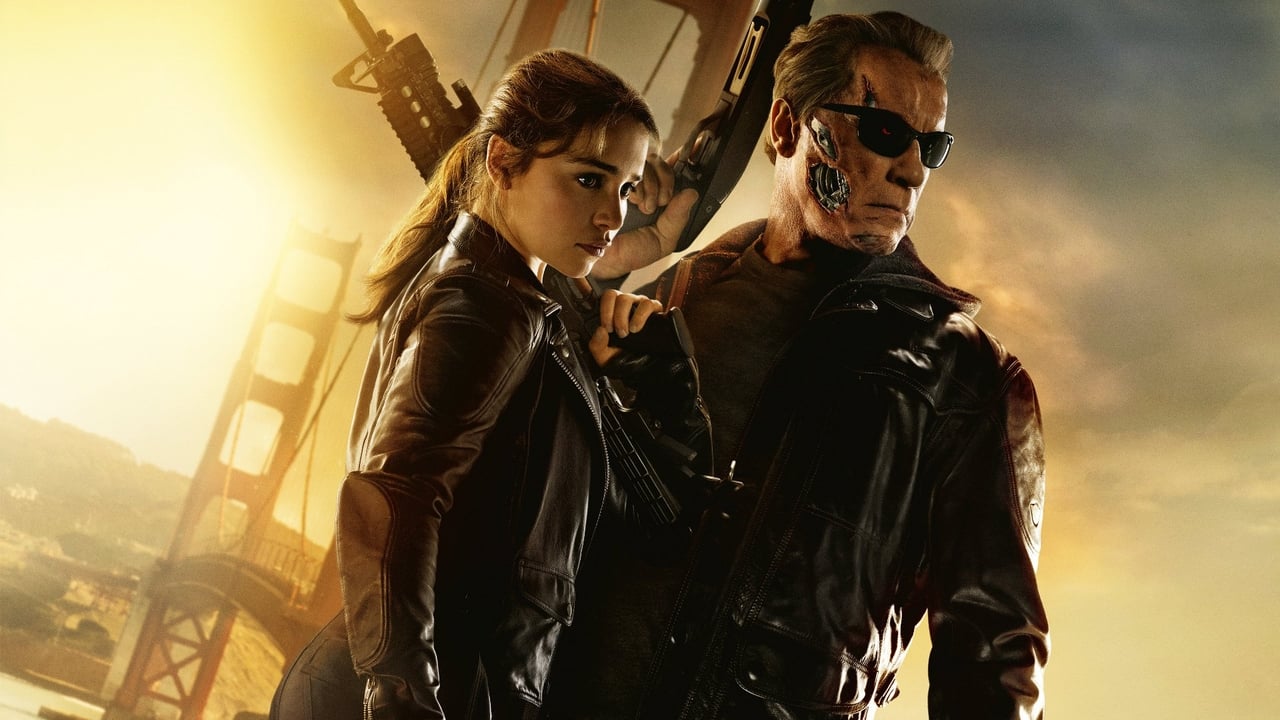
The biggest hurdle for me wasn't the time travel—it was the chemistry. Or rather, the lack of it. Jai Courtney steps into the boots of Kyle Reese, a role originally defined by Michael Biehn’s twitchy, haunted intensity. Courtney is a capable action star, but here he feels more like a CrossFit instructor who accidentally wandered onto a movie set. His Reese lacks the "soldier from a dirt trench" energy that the character requires. Opposite him, Emilia Clarke takes over as Sarah Connor. Coming off the massive success of Game of Thrones, she certainly has the screen presence, but the script traps her in a weird dynamic where she has to be both a hardened warrior and a bickering romantic lead.
Then there is Jason Clarke as John Connor. In a move that still baffles me from a marketing perspective, the trailers completely spoiled the film’s biggest twist: that John Connor has been converted into a villainous nanotech hybrid. It’s a bold swing, and Jason Clarke plays the "T-3000" with a sinister, oily charisma, but the revelation feels hollow because we never get to see the "hero" version of him long enough to care about his fall. The cast is rounded out by a criminally underused Matt Smith as the personification of Skynet and a delightful J.K. Simmons as O'Brien, a conspiracy-theorist cop who provides the only real human warmth in the entire two-hour runtime.
Stunts, CG, and the "Pops" Factor
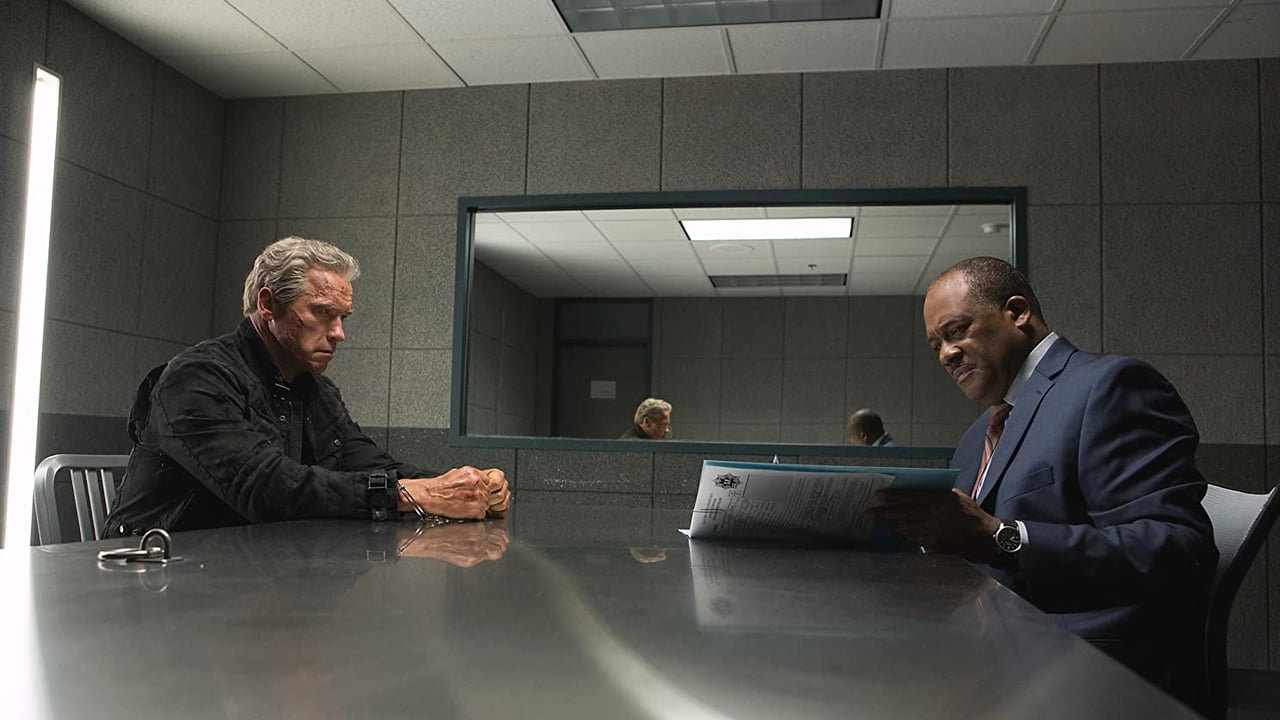
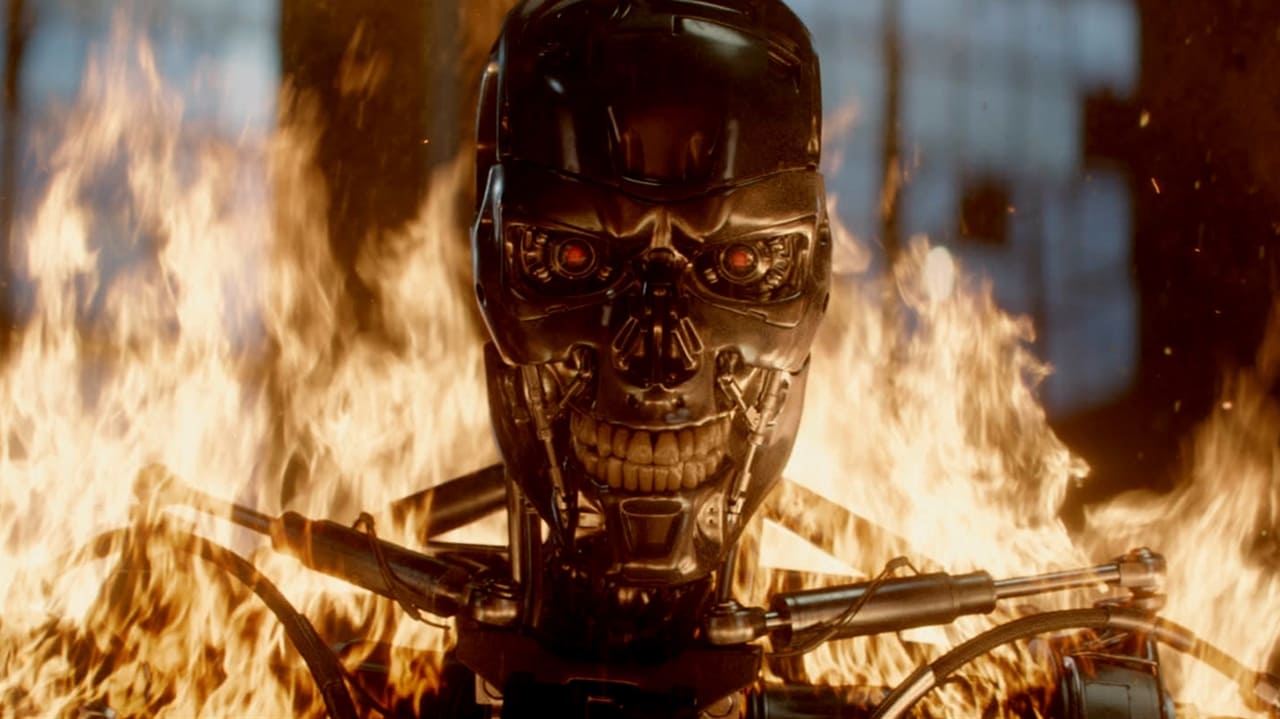
Visually, the film is a product of its time—heavy on the "Seamless CGI" and light on the practical grit. The action choreography, handled by director Alan Taylor, is clear and easy to follow, which is a blessing in an era of "shaky-cam" chaos. The helicopter chase through the San Francisco skyline is a standout, even if it defies every known law of physics. But the heart of the movie, surprisingly, is Arnold Schwarzenegger.
By 2015, Arnold had fully embraced his status as a legacy icon. His performance as the Guardian is charmingly deadpan, leaning into the "old, not obsolete" mantra that the film repeats like a prayer. He brings a genuine soul to the machine, making his bond with Sarah the only emotional anchor that actually holds. Apparently, Arnold spent months training to regain his 1984 physique for the reference shots, even though most of his "young" self was handled by body double Brett Azar and a mountain of digital effects. It’s a testament to his commitment that even in a script that feels like it was written by a confused Siri, Arnold remains the most human thing on screen.
Terminator Genisys is a fascinating relic of the "Peak Franchise" era. It’s a film that tries so hard to please everyone—the nostalgic fans, the new international audiences, the toy manufacturers—that it forgets to just be a good movie. It’s perfectly watchable as a piece of popcorn entertainment, especially if you’re a fan of the de-aging tech that has since become a staple in the MCU and beyond. While it failed to launch the planned trilogy, it remains a strange, over-ambitious curiosity that proves you can't always "reset" the magic of the past just by changing the dates.
Keep Exploring...
-
Terminator: Dark Fate
2019
-
Terminator 3: Rise of the Machines
2003
-
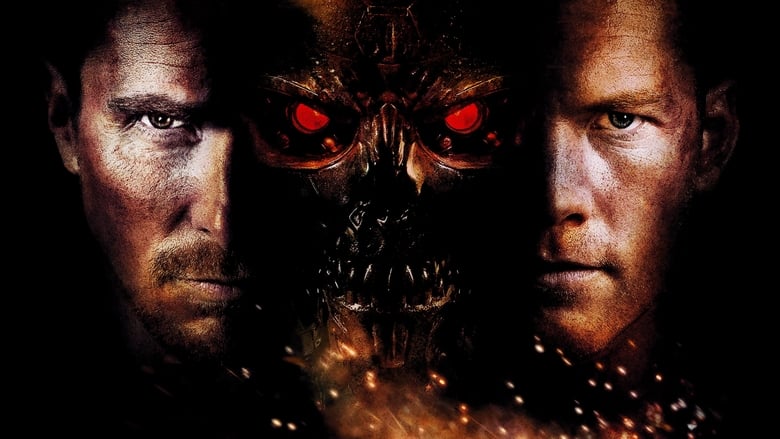
Terminator Salvation
2009
-
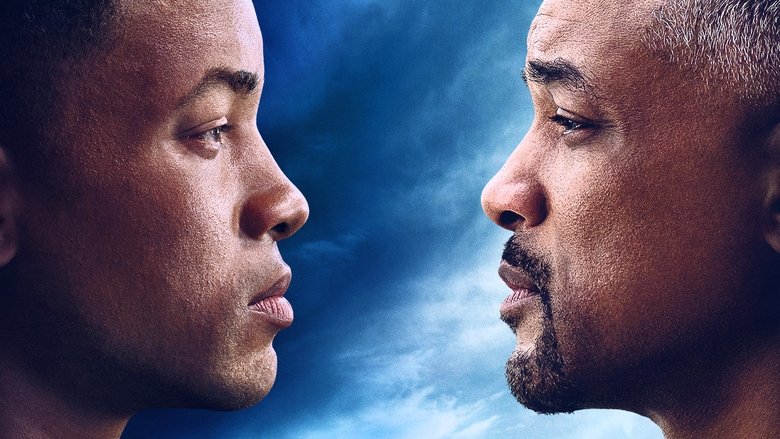
Gemini Man
2019
-
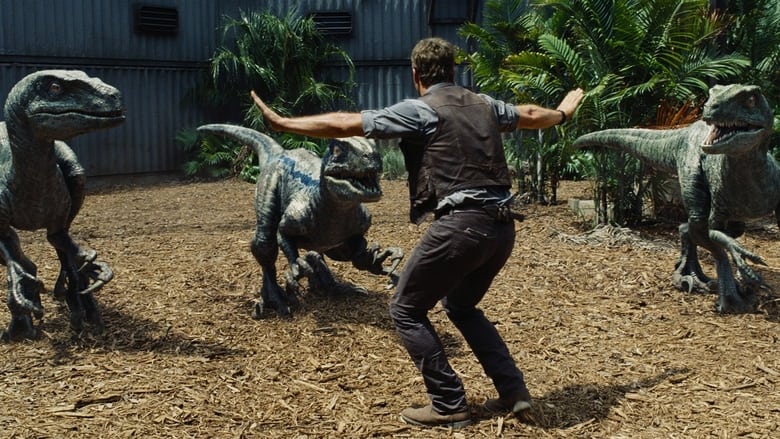
Jurassic World
2015
-
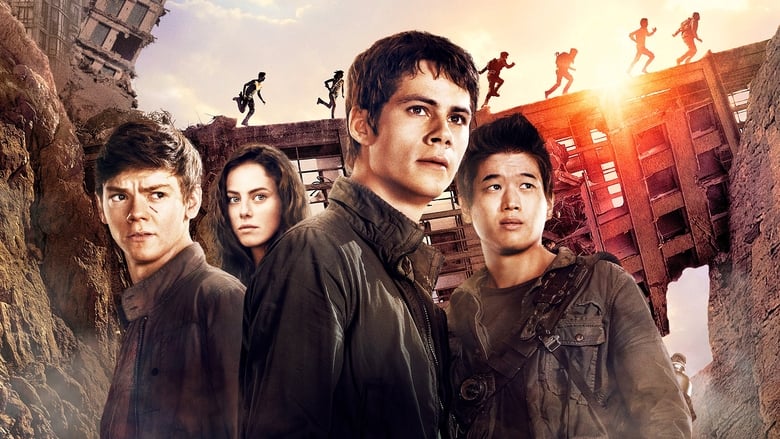
Maze Runner: The Scorch Trials
2015
-
Jurassic World: Fallen Kingdom
2018
-

G.I. Joe: Retaliation
2013
-

Insurgent
2015
-

Kin
2018
-

In the Heart of the Sea
2015
-
Point Break
2015
-
Teenage Mutant Ninja Turtles: Out of the Shadows
2016
-

Geostorm
2017
-

Justice League
2017
-
Power Rangers
2017
-
Transformers: The Last Knight
2017
-
Pacific Rim: Uprising
2018
-
Skyscraper
2018
-
Solo: A Star Wars Story
2018