The Big Short
"Bet on the end of the world."
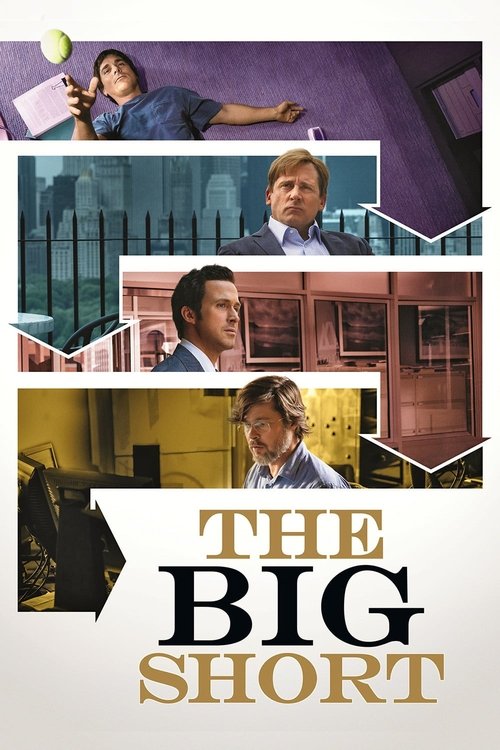
I remember sitting in a dimly lit theater in late 2015, nursing a lukewarm Diet Coke and a bag of popcorn that was roughly 40% unpopped kernels, wondering how on earth the guy who directed Anchorman was going to explain the subprime mortgage crisis to me. It felt like a trap. I expected a lecture; what I got was a middle finger dipped in neon glitter. Adam McKay didn't just adapt a Michael Lewis book; he staged a frantic, fourth-wall-shattering intervention for a society that had been robbed blind while staring at its phone.
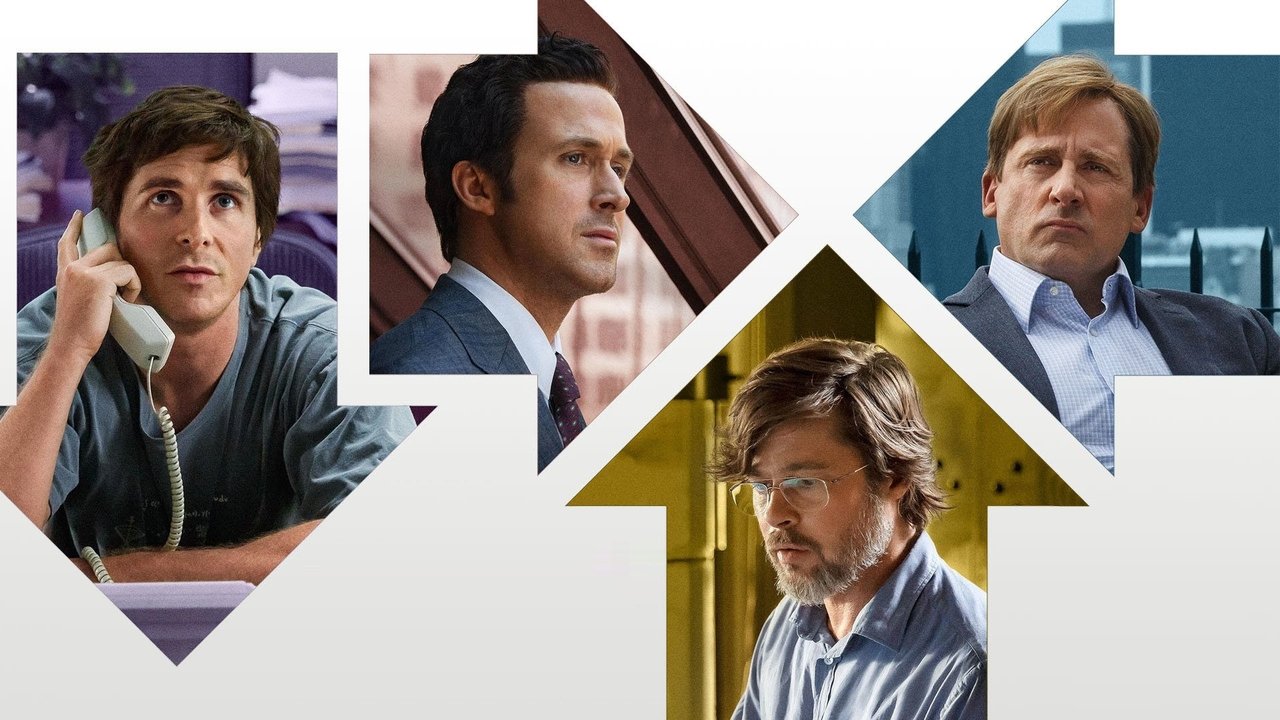
A Masterclass in Stylized Fury
The Big Short is a rare beast in contemporary cinema because it treats the audience with a very specific kind of respect: it assumes we’re distracted, but it knows we aren’t stupid. To bridge the gap between "boring banking math" and "existential dread," Adam McKay (who also gave us the brilliant but divisive Don’t Look Up) employs a frantic, jagged editing style courtesy of Hank Corwin. It feels less like a traditional narrative and more like a high-speed chase where the getaway car is fueled by sheer indignation.
The genius move—the one people still talk about at parties when they want to sound smart—is the celebrity cameos. Having Margot Robbie (The Wolf of Wall Street) explain subprime mortgages while sipping champagne in a bubble bath is a stroke of meta-commentary gold. It’s the film’s way of saying, "I know you’re only paying attention because she's in a tub, but listen anyway." Whether it's Anthony Bourdain comparing toxic assets to three-day-old halibut or Selena Gomez at a blackjack table, these interludes turn the "streaming era" desire for bite-sized, shareable content into a Trojan horse for financial literacy.
The Men Who Saw the Void
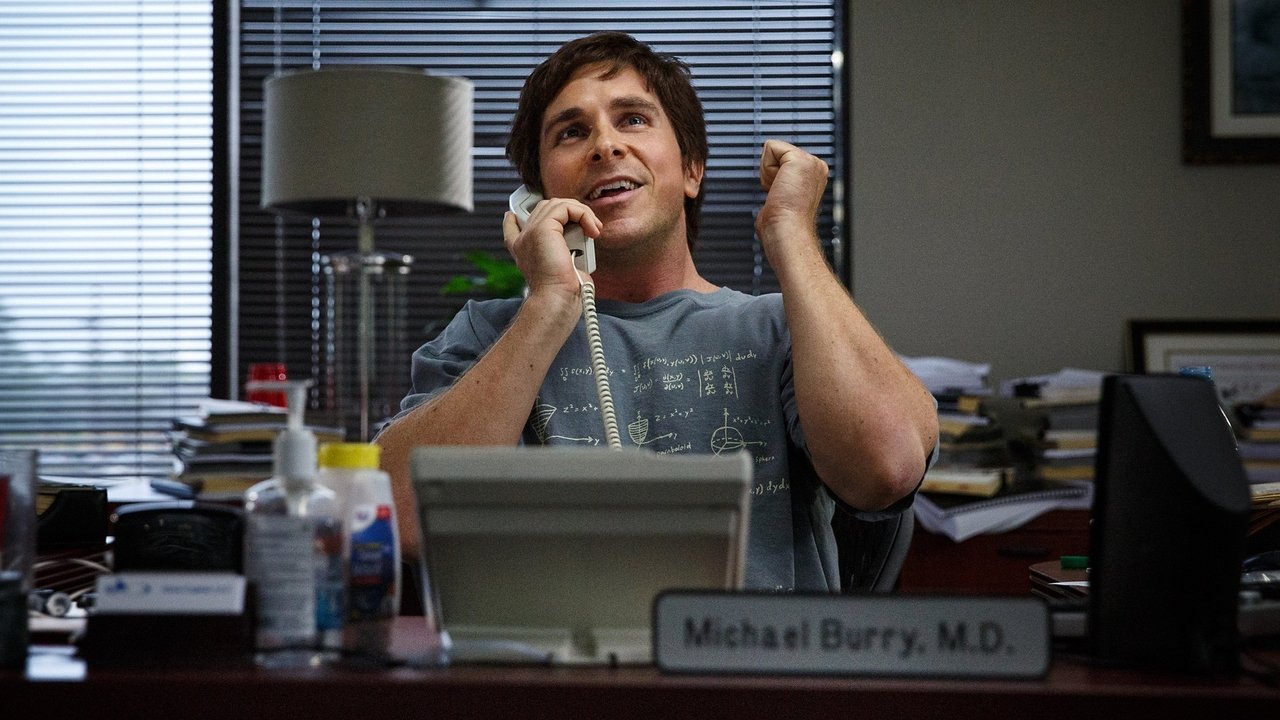
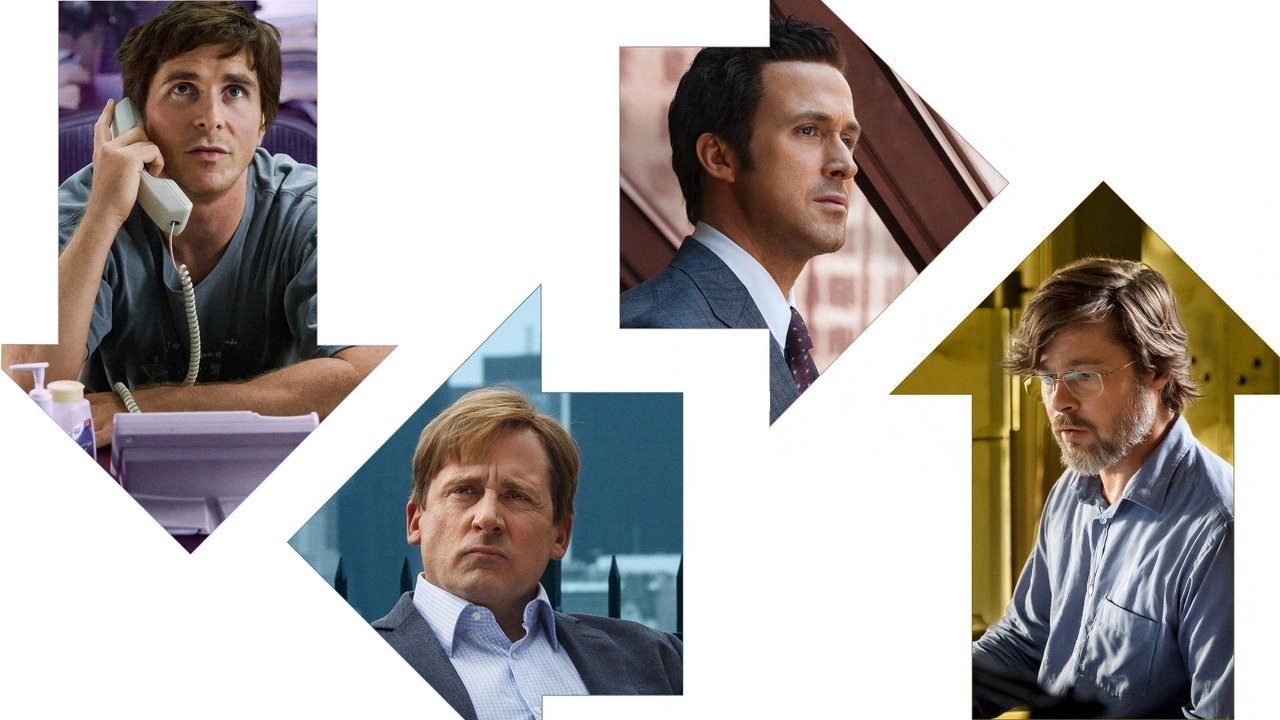
The ensemble here is doing some of the most electric work of their careers, mostly because they aren't playing heroes. Christian Bale as Michael Burry is a fascinating study in neurodivergent isolation. Apparently, Bale spent a significant amount of time with the real Burry, even borrowing the man's actual cargo shorts and t-shirt for the role. He captures that singular, heavy-metal-blasting focus of a man who sees the math while everyone else sees the party.
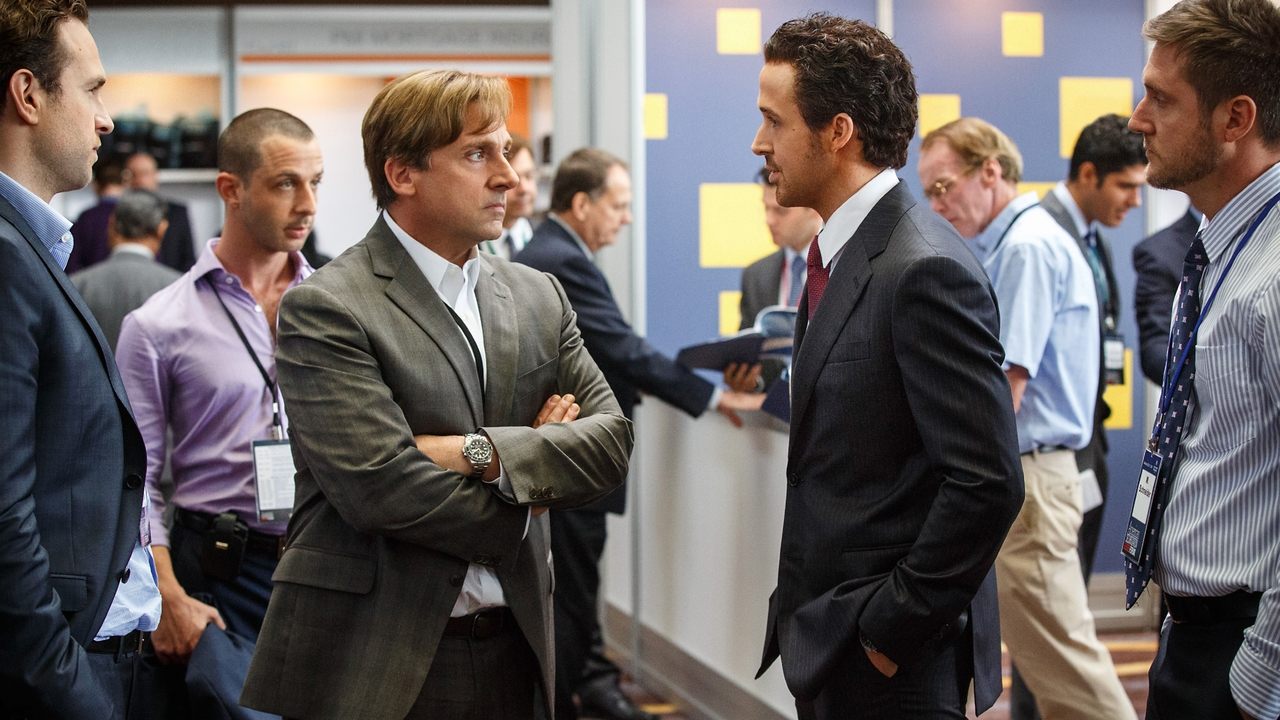
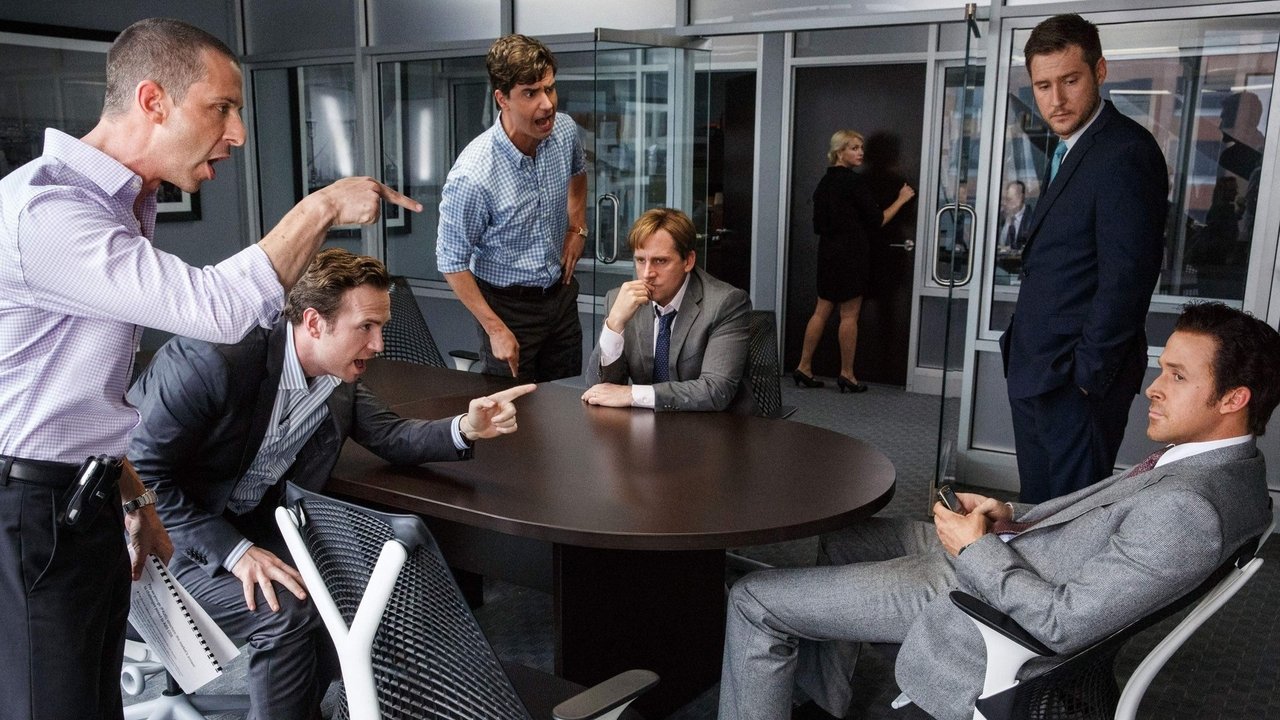
Then you have Steve Carell as Mark Baum, the moral compass who is constantly spinning out of control. Carell brings a physicalized agony to the role—he looks like a man who is permanently smelling something foul, which, considering he's investigating the American housing market, is entirely appropriate. His chemistry with the "outsider" team, including a delightfully cynical Ryan Gosling as Jared Vennett, provides the film's comedic backbone. Gosling, rocking a permanent tan and a wig that I’m convinced should have been nominated for its own Supporting Actor Oscar, serves as our narrator, breaking the fourth wall to tell us exactly how much we're being screwed.
And let's not forget Brad Pitt as Ben Rickert. While he’s a producer on the film, his on-screen presence as the retired, paranoid trader provides the necessary "adult in the room" vibe. The moment he scolds the younger traders for celebrating their predicted win—reminding them that a market crash means people lose their homes—is the chilling anchor the movie needs to prevent it from becoming a purely cynical heist flick.
Why It Hits Differently Now
Viewing The Big Short in the current climate is a surreal experience. Released just before the massive shifts of the late 2010s, it feels like a precursor to the "eat the rich" subgenre that has dominated recent years. It captures the exact moment the "American Dream" was revealed to be a house of cards, but it does so without the nostalgic distancing we usually grant period pieces.
The film’s production was a bit of a gamble itself. With a modest $28 million budget, it managed to pull in over $133 million, proving that audiences were hungry for something that spoke to their systemic anxieties. It’s a "blockbuster" not because of explosions, but because of the sheer scale of the fraud it uncovers. In an era of franchise dominance, seeing a high-concept, character-driven drama command this much cultural real estate is heartening.
I watched this again recently while eating a piece of cold pepperoni pizza that had been sitting on my counter for slightly too long, and honestly, the grease on my fingers felt like a fitting tactile accompaniment to the grimy world of synthetic CDOs. It’s a movie that makes you want to wash your hands, not because it’s gross, but because it’s so effectively honest about the dirt under the fingernails of global finance.
Ultimately, The Big Short succeeds because it refuses to be polite. It’s a comedy that leaves a metallic taste in your mouth and a drama that makes you bark with laughter at the absurdity of it all. It’s the definitive cinematic autopsy of the 2008 crash, delivered with the energy of a punk rock concert. It doesn't just tell you a story; it drags you into the room where the world ended and shows you exactly who was holding the match. If you haven't seen it yet, or if it's been a few years, it’s time for a re-watch—just maybe keep your bank app closed for an hour afterward.
Keep Exploring...
-
Vice
2018
-
Don't Look Up
2021
-
Once Upon a Time... in Hollywood
2019
-
Hustlers
2019
-
The Upside
2019
-
Bridget Jones's Baby
2016
-
Dangal
2016
-
The King of Staten Island
2020
-
Ticket to Paradise
2022
-
Welcome to Marwen
2018
-
Love & Other Drugs
2010
-
Crazy, Stupid, Love.
2011
-
Anomalisa
2015
-
Dope
2015
-

Café Society
2016
-
Demolition
2016
-

Eddie the Eagle
2016
-
La La Land
2016
-
The Edge of Seventeen
2016
-

A Dog's Purpose
2017