The DUFF
"Labels are for soup cans, not for you."
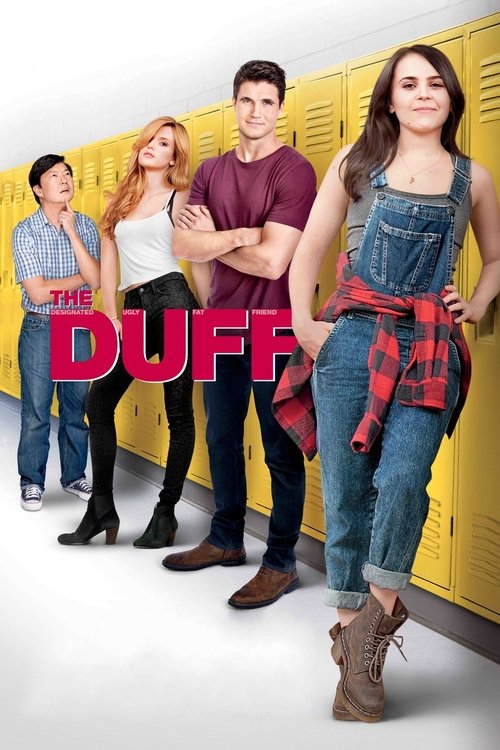
In 2015, we were living in a strange cultural purgatory. Vine was still the king of comedy, the "indie sleaze" aesthetic was gasping its final breaths, and the high school movie was desperately trying to figure out how to incorporate smartphones without looking like a "How Do You Do, Fellow Kids?" meme. Into this landscape dropped The DUFF, a film that took a truly heinous acronym—the Designated Ugly Fat Friend—and tried to turn it into a manifesto for self-acceptance.
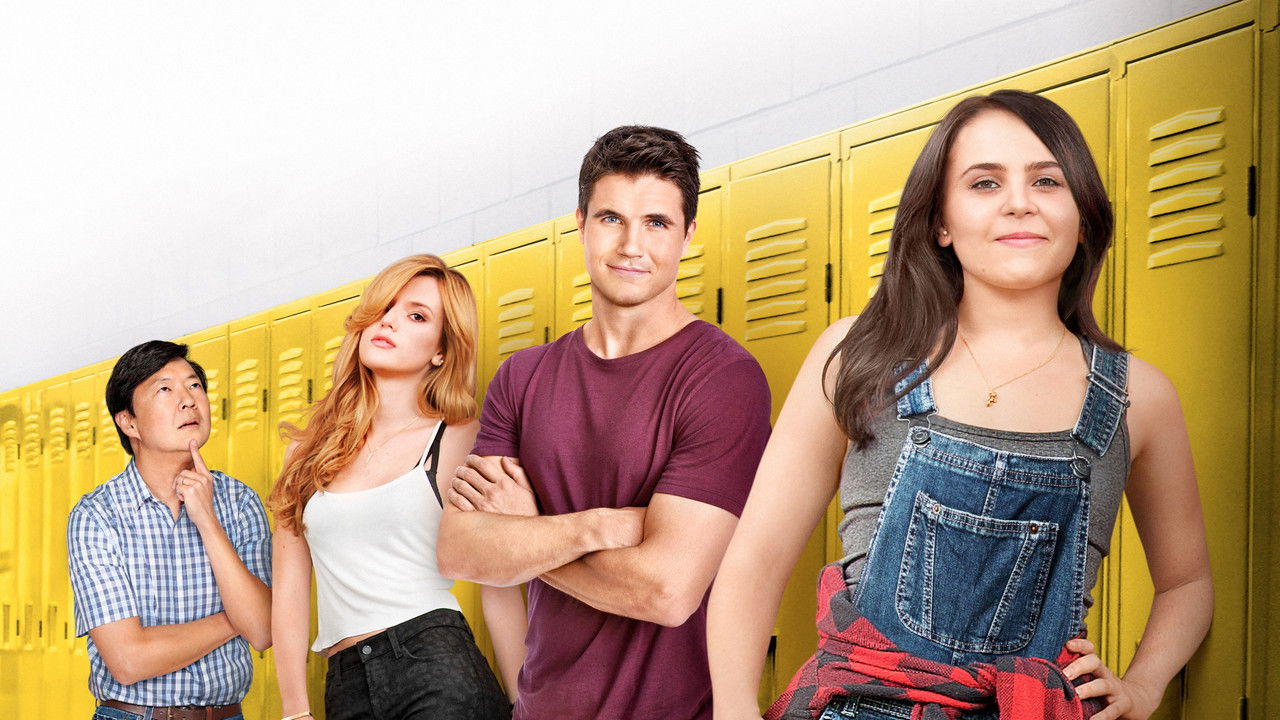
I actually watched this for the first time while recovering from a wisdom tooth extraction, nursing a bowl of lukewarm mashed potatoes and feeling like a literal swamp creature. In that state of drug-induced vulnerability, the movie didn’t just make me laugh; it felt like a hug from a very cynical but well-meaning older sister. It’s a film that shouldn’t work—it’s built on a premise that is objectively mean-spirited—but it survives on the sheer, unadulterated charisma of its lead.
The Whitman Factor
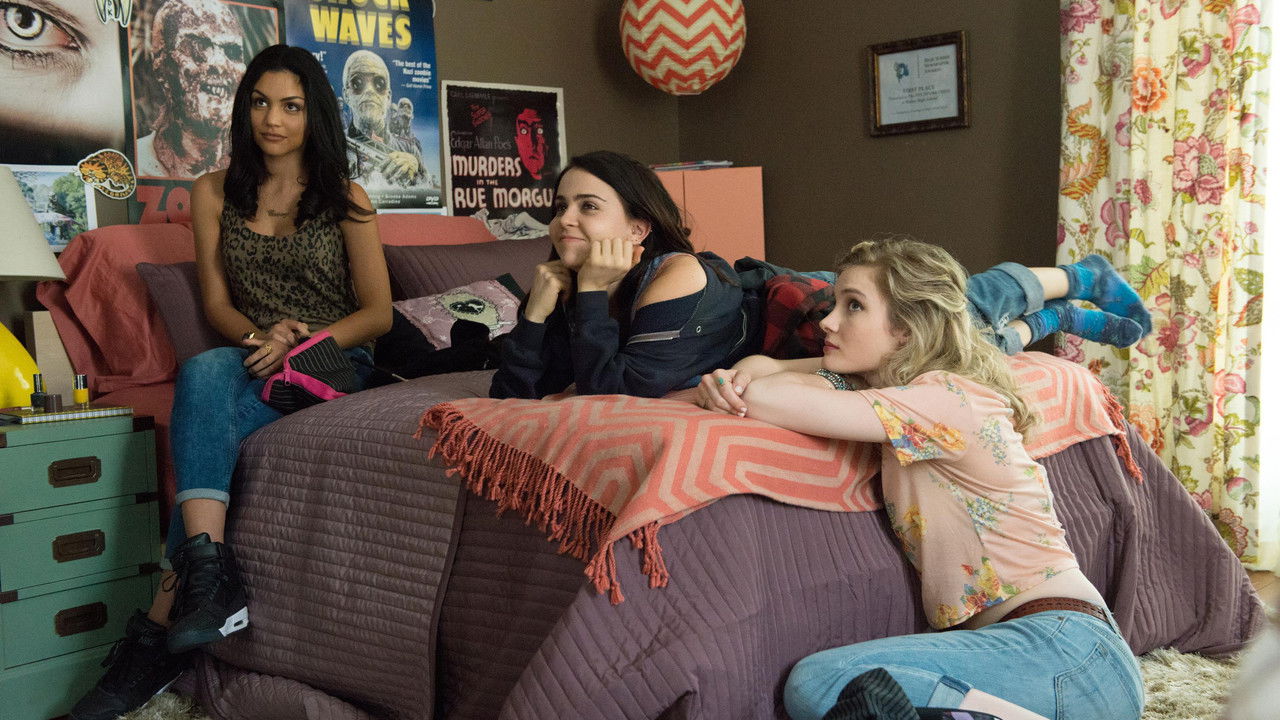
Let’s be honest: Mae Whitman is the only reason this movie isn't a forgotten relic of a bargain bin. As Bianca Piper, she is tasked with the impossible: making us believe she is the "ugly" one in a trio that includes Skyler Samuels and Bianca A. Santos. She isn’t, of course. Hollywood’s version of "ugly" usually just means "wears flannels and has a personality," which is a trope as old as She’s All That. But Mae Whitman plays Bianca with such a jagged, defensive wit that you actually buy into her insecurity.
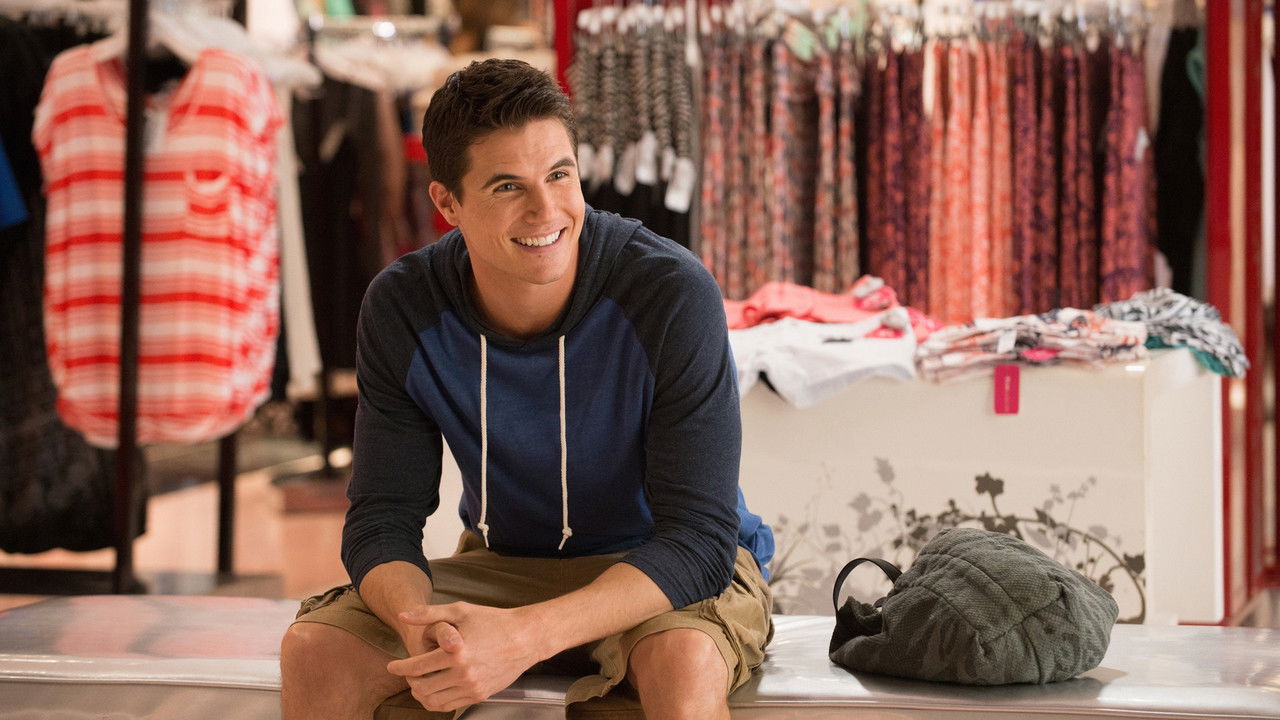
She doesn’t do the "clumsy girl" routine that usually anchors these rom-coms. Instead, she’s prickly, judgmental, and deeply relatable to anyone who ever used sarcasm as a shield in a hallway full of Abercrombie models. Opposite her, Robbie Amell plays Wesley Rush, the jock-next-door who delivers the "DUFF" news to her with the casual cruelty only a childhood friend can muster. Robbie Amell has the jawline of a Greek god, but he also has surprisingly sharp comedic timing. Their chemistry is the engine of the film; it’s less about a makeover and more about two people learning to be humans together in a social ecosystem designed to turn them into caricatures.
A Time Capsule of Mean
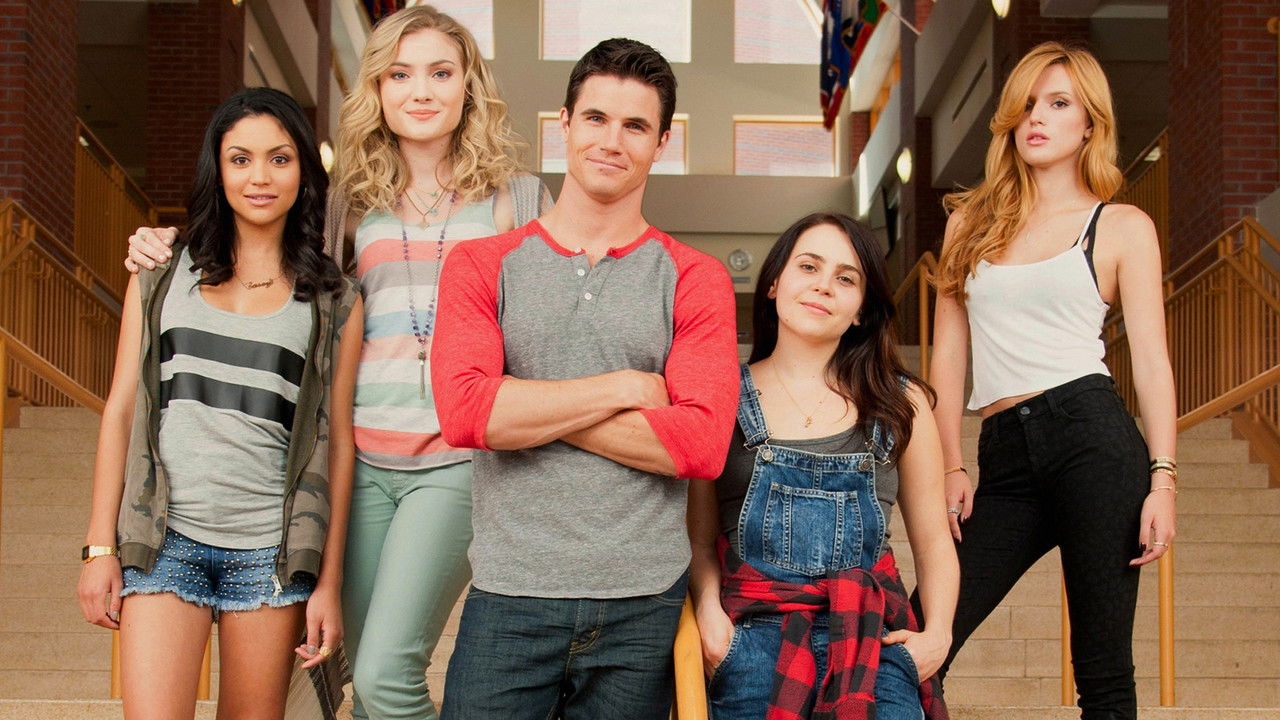
If you want to see what "Mean Girl" energy looked like right before it migrated entirely to Instagram comments, look at Bella Thorne as Madison Morgan. She plays the school’s antagonist with a sneering, theatrical villainy that feels like a precursor to the "influencer" culture that was about to explode. The way the film uses social media—specifically a viral video of Bianca having a meltdown in a department store—captures that specific 2015 anxiety of your worst moment being archived forever in 480p.
The film is essentially a '90s teen movie wearing a 2010s digital skin, and that’s a compliment. It hits all the familiar beats: the big dance, the falling out with friends, the realization that the "cool" kids are actually miserable. But it does so with a self-awareness that feels contemporary. It knows the tropes it's playing with. When Bianca enlists Wesley to help her un-DUFF herself, it’s less about her clothes and more about her posture—literally and figuratively. The makeover is an internal software update rather than a hardware replacement.
Stuff You Might Not Have Known
Written by a Teenager: The source novel was written by Kody Keplinger when she was only 17 years old. She actually came up with the "DUFF" concept after hearing it used in her own high school. The Age Gap: Despite playing high schoolers, Mae Whitman was 26 during filming. Meanwhile, Bella Thorne, the "queen bee" senior, was only 17—the only actual teenager in the main cast. Improvised Chaos: The scene where Bianca and Wesley are in the department store and she starts playing with the mannequins was largely improvised. Mae Whitman was just trying to make Robbie Amell break character. A Family Affair: Robbie Amell is the cousin of Arrow star Stephen Amell. Apparently, the "being ridiculously attractive and athletic" gene runs very strong in that family. Casting Logic: The director, Ari Sandel, specifically wanted Mae Whitman because she didn't look like a typical "movie nerd." He wanted someone who felt like a real person who just happened to be surrounded by people who looked like airbrushed posters. Cult Rebirth: While it did decent business at the box office, The DUFF found a massive second life on streaming platforms, where a new generation of Gen Z viewers reclaimed it as a body-positivity classic.
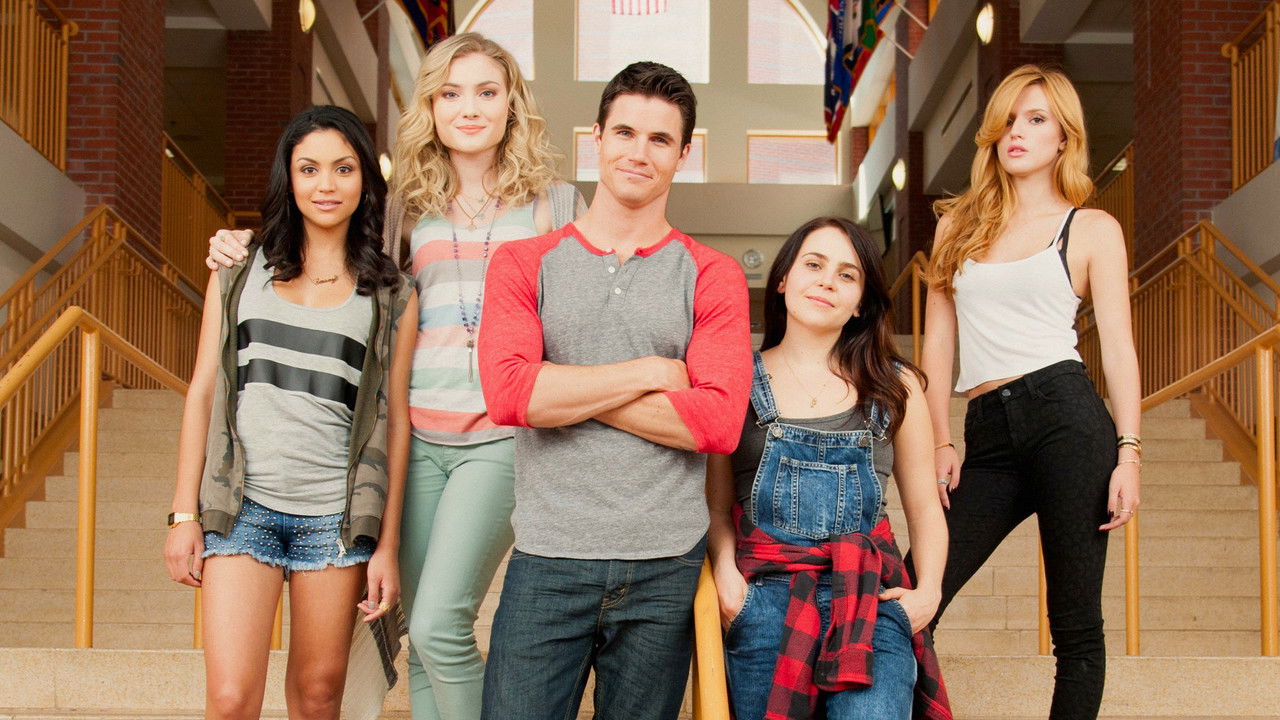
The DUFF succeeds because it refuses to take its own premise too seriously. It’s a breezy, 100-minute comedy that understands the hierarchy of high school is a temporary fever dream we all eventually wake up from. The film’s greatest trick is convincing you that Robbie Amell’s abs are a secondary plot point to Mae Whitman’s self-esteem. It’s a charming, frequently hilarious time capsule of the mid-2010s that still holds a surprising amount of heart for anyone who ever felt like the "extra" in their own friend group.
If you’re looking for a movie that pairs perfectly with a Friday night and a giant bowl of popcorn, this is it. It’s not reinventing the wheel, but it’s certainly making the wheel look a lot more relatable. Just don't let the acronym fool you—this movie has way more "Designated Awesome" energy than its title suggests.
Keep Exploring...
-
When We First Met
2018
-
Pride and Prejudice and Zombies
2016
-

We Are Your Friends
2015
-
Paterson
2016
-

Set It Up
2018
-
The Ballad of Buster Scruggs
2018
-
The Princess Switch
2018
-
The Perfect Date
2019
-

To All the Boys: P.S. I Still Love You
2020
-
Licorice Pizza
2021
-

Ghosted
2023
-

Anora
2024
-
Goosebumps 2: Haunted Halloween
2018
-

The Kissing Booth
2018
-
Anomalisa
2015
-
I, Tonya
2017
-
Overboard
2018
-
Second Act
2018
-

The Princess Switch: Switched Again
2020
-

To All the Boys: Always and Forever
2021