The Hunger Games: Mockingjay - Part 2
"The revolution will be televised, then militarized, then mourned."
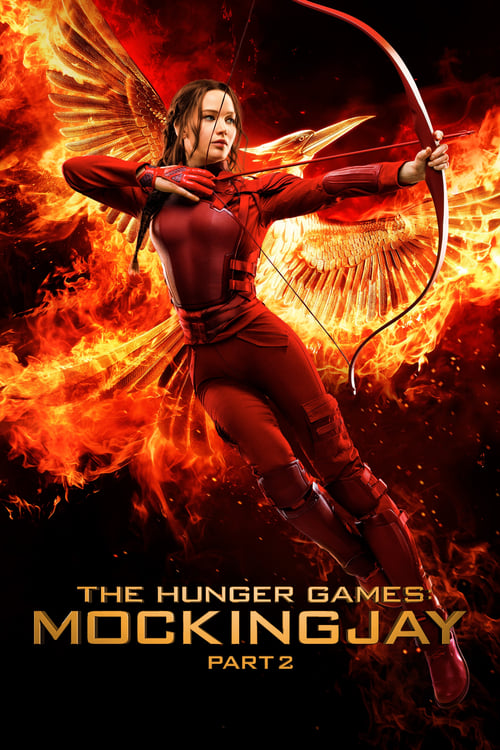
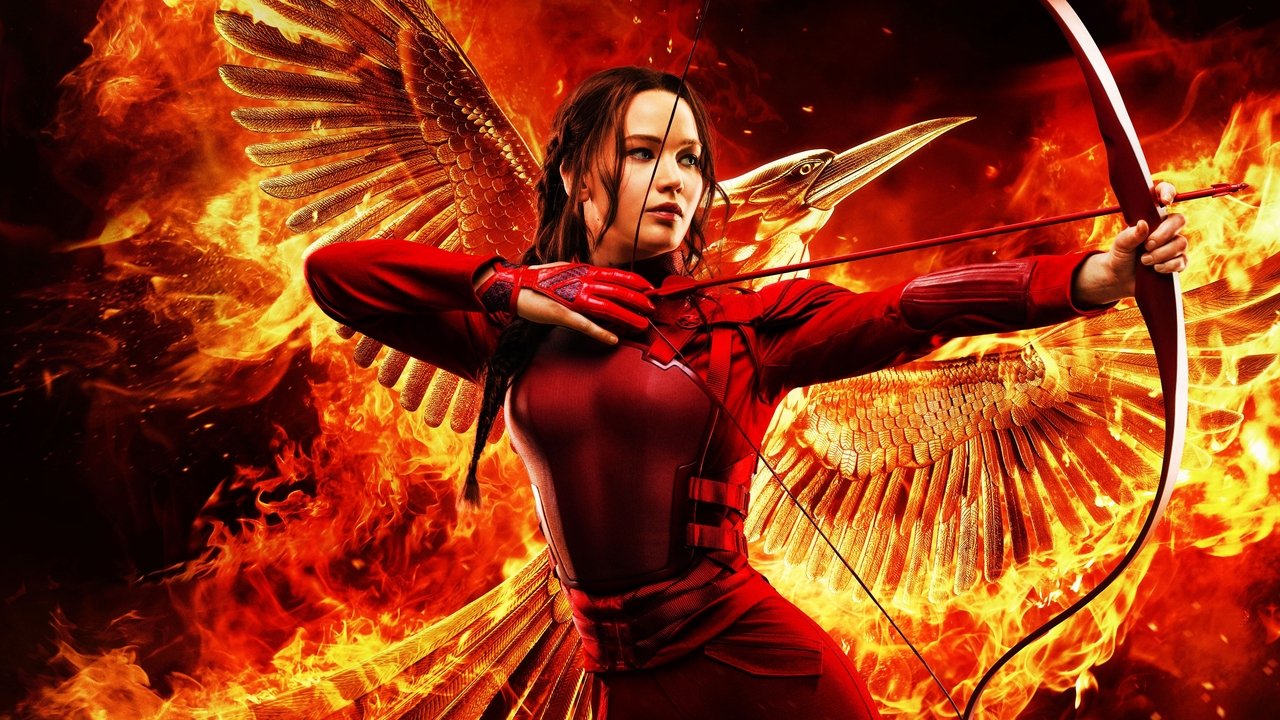
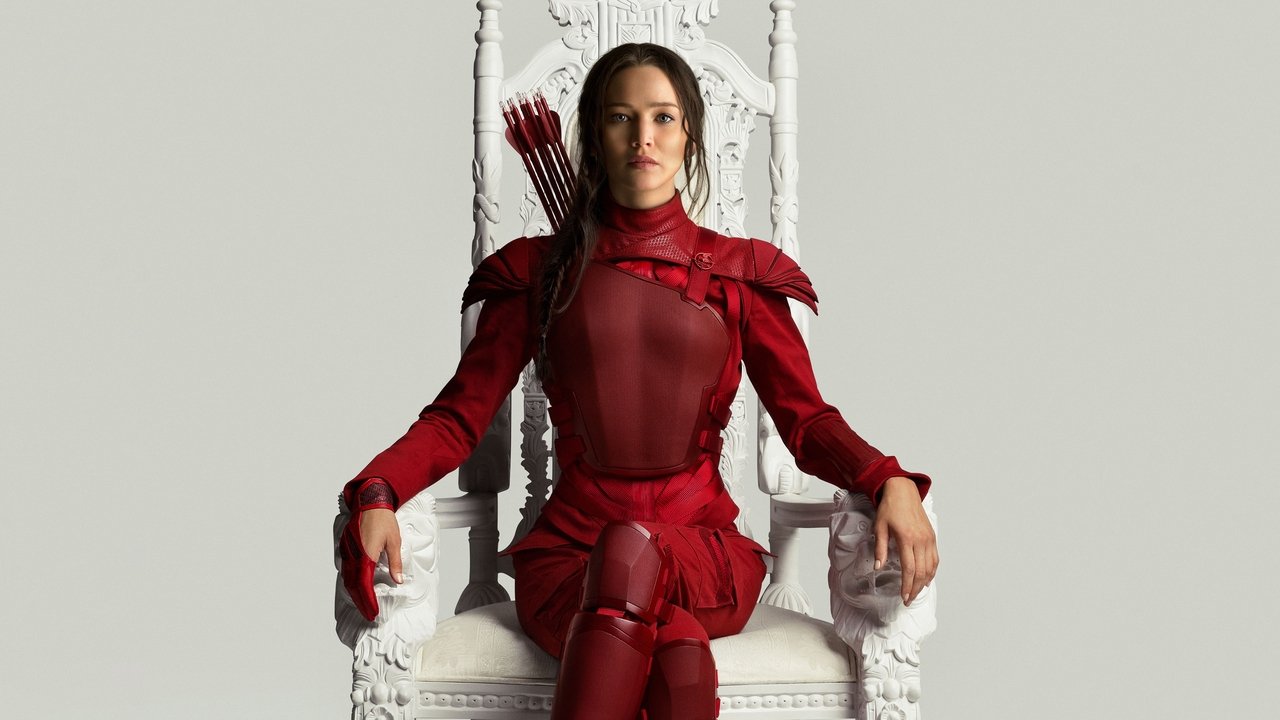
I distinctly remember watching The Hunger Games: Mockingjay - Part 2 in a theater where the air conditioning was stuck on high, and the lady two seats down was aggressively unwrapping what sounded like a never-ending supply of Werther’s Originals. The chill in the room actually suited the film perfectly. This isn't the vibrant, fire-and-gold spectacle of the first two entries; it’s a cold, gray, and remarkably dour war film that happens to be dressed up in Young Adult clothing.
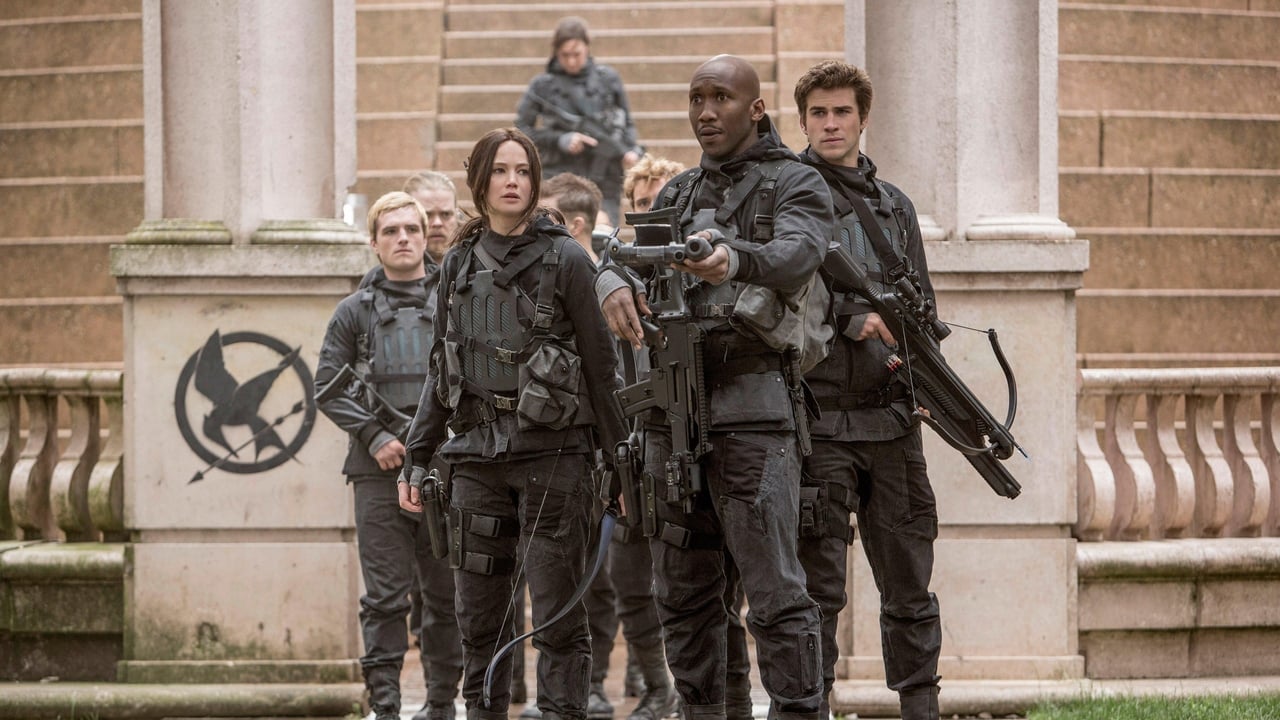
By the time 2015 rolled around, we were at the absolute saturation point of the "Split the Final Book" trend. Following in the footsteps of Harry Potter and Twilight, Lionsgate decided that Suzanne Collins’ final novel needed two movies to breathe. While that might have been great for the box office—this finale raked in over $650 million—it was a bit of a disaster for the film’s pacing. This is a movie that crawls when it should sprint, yet it remains one of the most uncompromisingly cynical blockbusters ever released by a major studio.
The Urban Minefield of the Capitol
Director Francis Lawrence (who really found his groove with Catching Fire) turns the glitzy Capitol into a literal deathtrap. The conceit of the "Pods"—hidden lethal traps scattered throughout the city—allows the movie to reclaim some of the "Games" DNA without actually being in an arena. One of the standout sequences involves a tidal wave of black oil rushing through the streets, a practical effect that apparently required 100,000 gallons of the stuff. It looks incredible, and it gives the action a tactile weight that feels missing from the CGI-heavy MCU entries of the same era.
The highlight of the film’s action, however, is the terrifying tunnel sequence. When Katniss (Jennifer Lawrence) and her squad are hunted by "Lizards"—mutated, pale-skinned monstrosities—the movie briefly pivots into a full-blown horror flick. The choreography here is frantic and claustrophobic. It’s one of the few times the film feels like it has real stakes, mostly because splitting the final book into two parts meant the first hour of this movie is essentially just people walking through rubble and talking about their feelings.
I’ve always felt that Liam Hemsworth and Josh Hutcherson were overshadowed by the sheer gravity of Jennifer Lawrence’s performance, but here, the "Peeta vs. Gale" love triangle finally feels secondary to the actual trauma of war. Hutcherson’s performance as a "hijacked" Peeta is genuinely unsettling, and it’s a reminder that this franchise was always more interested in PTSD than it was in who Katniss was going to go to prom with.
The Brutality of a Franchise Finale
Looking at this through a 2024 lens, Mockingjay - Part 2 feels like the end of an era. It was the peak of the YA Dystopia craze before the genre collapsed under the weight of its own clones (looking at you, Divergent). It also features the final performance of Philip Seymour Hoffman as Plutarch Heavensbee. Hoffman passed away during production, and rather than using a digital recreation for his remaining major scenes, the production team wisely rewrote them or used letters read by other characters. It’s a respectful choice, though you can feel the vacuum his presence left in the final act.
One thing that still strikes me is how political this movie is. Julianne Moore as President Coin is a chilling look at how revolutions often replace one tyrant with another. The ending isn't a celebratory fireworks display; it’s a quiet, haunted acknowledgment of loss. The refusal to give the audience a traditional "hero" moment is a ballsy move for a hundred-million-dollar franchise. It’s not "fun," but it is honest.
The production design by Philip Messina deserves a shout-out for how it utilized real-world locations to ground the sci-fi. They shot extensively in Berlin and Paris, using the monumental architecture of the Tempelhof Airport and the "Abraxas" apartment complex in Noisy-le-Grand to give the Capitol a sense of looming, fascist history. It makes the world feel lived-in and terrifyingly plausible.
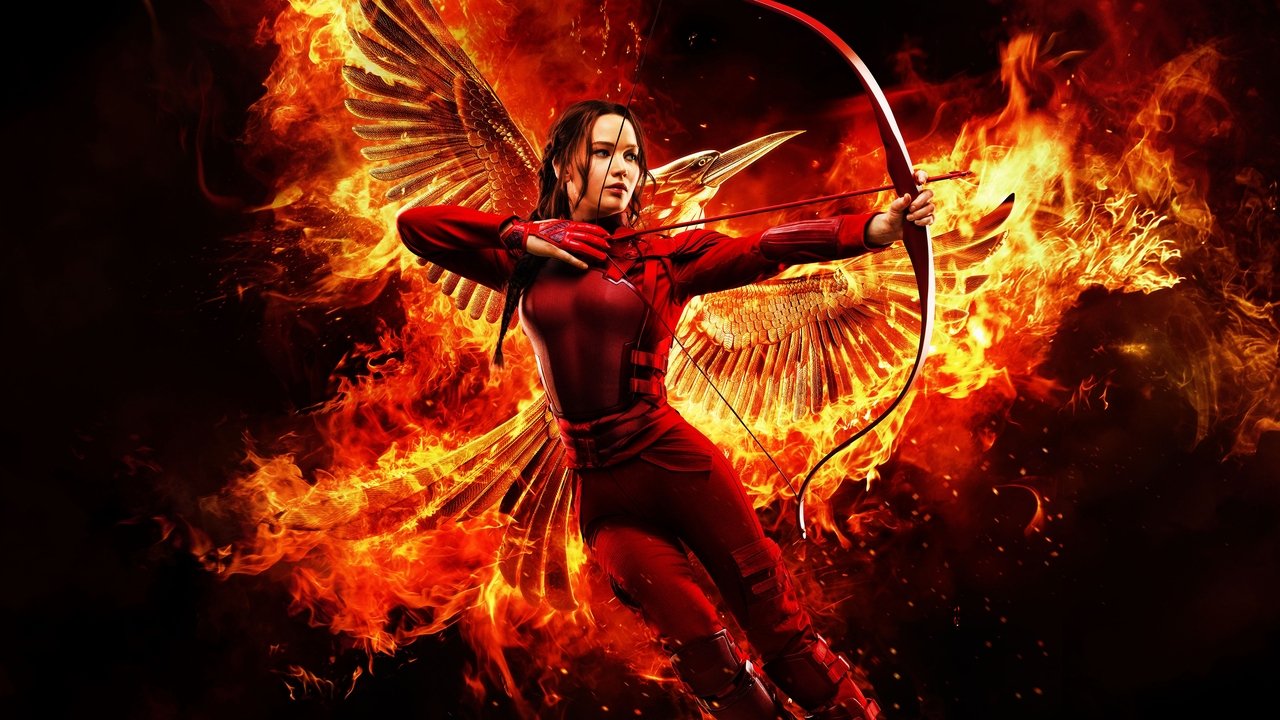
While Mockingjay - Part 2 succeeds as a grim meditation on the cycle of violence, it fails to escape the trap of its own release strategy. It’s half a movie stretched to two-plus hours, and the middle section drags like a heavy sled through slush. Still, it’s a significant piece of 2010s cinema history that treated its audience with more intellectual respect than most modern "multiverse" movies do today.
It is the cinematic equivalent of a heavy rainstorm—impressive to watch and deeply atmospheric, but you’ll probably want to wrap yourself in a warm blanket the second it’s over. It concludes the story of Katniss Everdeen not with a bang, but with a weary, well-earned sigh. If you’re looking for the high-octane thrill of the earlier films, you might be disappointed, but if you want to see a blockbuster that actually has something to say about the cost of power, it’s worth the slog through the gray.
Keep Exploring...
-
The Hunger Games: Mockingjay - Part 1
2014
-
The Hunger Games: Catching Fire
2013
-
The Hunger Games
2012
-
The Hunger Games: The Ballad of Songbirds & Snakes
2023
-
Ant-Man
2015
-
Avengers: Age of Ultron
2015
-
Jurassic World
2015
-
Maze Runner: The Scorch Trials
2015
-
Star Wars: The Force Awakens
2015
-
Rogue One: A Star Wars Story
2016
-
X-Men: Apocalypse
2016
-
Guardians of the Galaxy Vol. 2
2017
-
Spider-Man: Homecoming
2017
-
Star Wars: The Last Jedi
2017
-
Ant-Man and the Wasp
2018
-
Bumblebee
2018
-
Jurassic World: Fallen Kingdom
2018
-
Maze Runner: The Death Cure
2018
-
Rampage
2018
-
Ready Player One
2018