The Last Witch Hunter
"Eight hundred years of hunting, and he’s just getting started."

If you’ve ever sat around a kitchen table at 2 AM arguing about whether a Level 20 Paladin could survive a fall from a skyscraper, you’ve basically already seen the blueprint for The Last Witch Hunter. Released in 2015, a year dominated by the absolute peak of the Marvel Cinematic Universe and the return of Star Wars, this film felt like a weird, blocky relic from a different era. It wasn’t a reboot or a sequel; it was a high-concept, $90 million "homebrew" Dungeons & Dragons campaign brought to life by Vin Diesel’s sheer force of will.
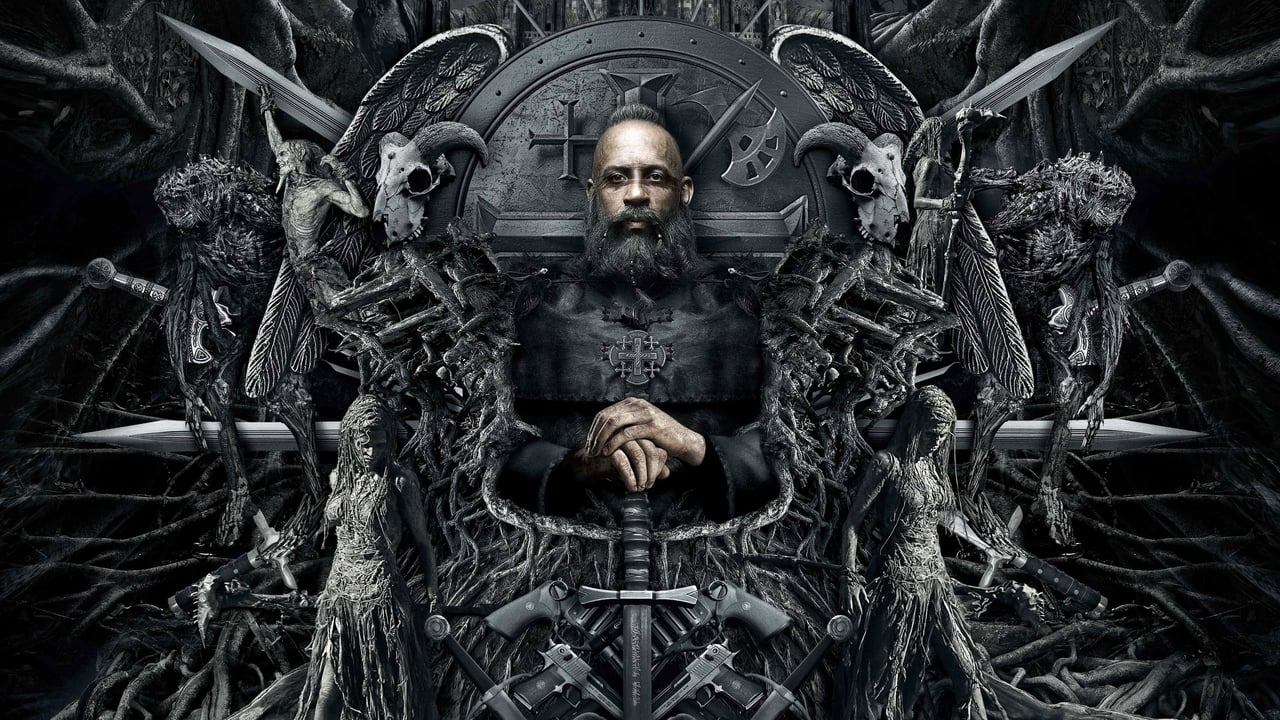
I watched this on a Tuesday night while trying to ignore the smell of my roommate’s burnt microwave popcorn, and honestly, the scent of charcoal really added to the 13th-century plague-doctor vibe of the opening scene.
A Passion Project in a Franchise World
In an era where every leading man was desperately trying to secure a cape and a multi-film contract, Vin Diesel decided to build his own sandbox. The film follows Kaulder, a man cursed with immortality by a Witch Queen (Julie Engelbrecht) in the Middle Ages. Fast forward to modern-day New York, and Kaulder is a dapper, penthouse-dwelling enforcer for "The Axe and Cross," a secret society that keeps the peace between humans and the witches living hidden among us.
What makes this work better than it has any right to is that Vin Diesel is clearly having the time of his life. We usually see him as the mumble-growl patriarch of the Fast & Furious movies, but here, he gets to lean into his inner nerd. It’s well-documented that Kaulder is based on Melkor, a character Diesel played in D&D for years. That personal connection translates into a protagonist who feels lived-in, even if he is essentially a glorified fashion model for high-end knitwear and flaming broadswords.
The "Dolan" Dynamic and World-Building
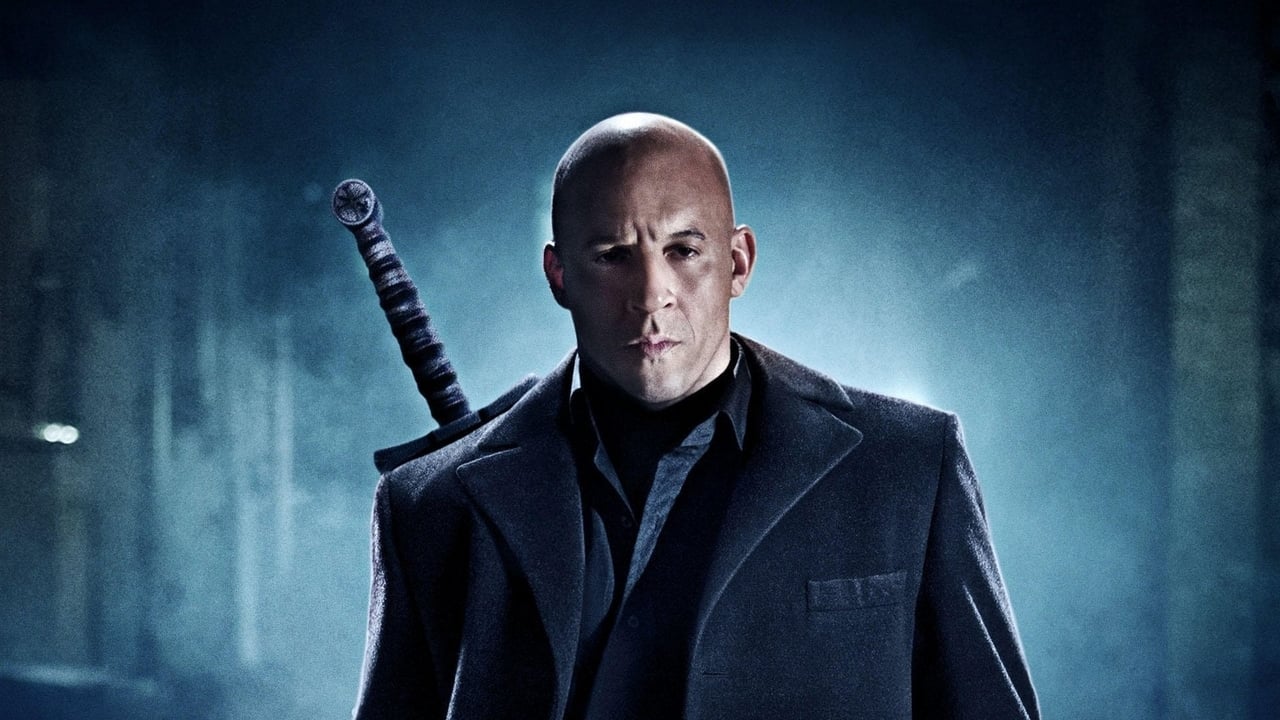
The supporting cast is surprisingly prestigious for a movie about magical trees and soul-eating butterflies. Michael Caine shows up as the 36th "Dolan," Kaulder’s handler and only real friend. Caine could read a grocery list and make it sound like Shakespeare, so his presence gives the secret society lore a much-needed weight. When he’s inevitably replaced by Elijah Wood (the 37th Dolan), the movie shifts into a "buddy cop" dynamic that keeps the pacing from sagging.
Then there’s Rose Leslie (hot off her Game of Thrones fame) as Chloe, a "dream-walker" who owns a witchy neon-lit bar. Her chemistry with Diesel is less romantic and more about mutual survival, which is a refreshing change for 2010s action cinema. The way director Breck Eisner (The Crazies) visualizes the magic—especially the dream-walking sequences—feels distinct. It’s not just sparkles and light shows; it’s rotting wood, swarms of insects, and distorted memories. The CGI sometimes looks like a high-end PlayStation 4 cinematic, but the art direction is strong enough to carry it through the wobblier moments.
Action, Lore, and the "Melkor" Connection
As an action film, The Last Witch Hunter prioritizes "cool" over "clarity." The choreography is decent, but the real star is the production design. The final confrontation takes place in a cavernous, root-choked lair that looks like it was ripped straight from a Dark Souls boss fight. Steve Jablonsky (Transformers) provides a score that thumps with appropriate Gothic intensity, punctuating the clank of steel against supernatural chitin.
If you’re looking for quirky trivia, here are a few things that explain how this oddity came to be:
The film’s entire existence is due to Vin Diesel mentioning his D&D hobby to writer Cory Goodman. Michael Caine supposedly agreed to the role because it didn't require him to do any "heavy lifting" or complex stunts—just look classy and provide exposition. The "Axe and Cross" symbol is actually hidden in the background of several scenes as a bit of early franchise-building that never quite bore fruit. The "Beard of Justice" that Diesel wears in the flashbacks took hours to apply and was apparently his favorite part of the costume. * Despite a lukewarm US box office, the film became a massive hit internationally and on streaming, proving that global audiences will always show up for Vin Diesel hitting things with a fire-stick.

Why It’s a Cult Classic in the Making
We live in a time of "franchise fatigue," where everything feels like it was designed by a committee to appeal to everyone. The Last Witch Hunter is the opposite; it feels like it was designed by one very famous guy who really loves tabletop RPGs. It’s earnest, slightly goofy, and remarkably committed to its own internal logic. It doesn’t wink at the camera or apologize for its tropes.
Is it a masterpiece of contemporary cinema? No. But it’s a beautifully shot, imaginative fantasy-actioner that respects its audience's intelligence enough to build a complex world without explaining every single blade of grass. It’s the kind of movie that feels better on a second viewing when you’re not worried about the plot and can just soak in the atmosphere of a rainy, witch-infested Manhattan.
Ultimately, The Last Witch Hunter is a cozy blanket of a movie for genre fans. It’s a reminder that sometimes, the best way to spend a massive studio budget is to let a massive movie star play out his childhood fantasies. It’s flawed, it’s flashy, and it’s unapologetically weird. If you’ve got 106 minutes and a penchant for urban arcana, you could do a lot worse than joining Kaulder on his eternal hunt.
Keep Exploring...
-

Gods of Egypt
2016
-
The Great Wall
2016
-

The Legend of Tarzan
2016
-
Warcraft
2016
-
Pacific Rim: Uprising
2018
-
Tomb Raider
2018
-
Hellboy
2019
-
Pokémon Detective Pikachu
2019
-
Mulan
2020
-

Wonder Woman 1984
2020
-

Pan
2015
-
Robin Hood
2018
-
Monster Hunter
2020
-
Bloodshot
2020
-
Aquaman and the Lost Kingdom
2023
-
Damsel
2024
-

Underworld: Blood Wars
2016
-
Batman v Superman: Dawn of Justice
2016
-

Suicide Squad
2016
-
X-Men: Apocalypse
2016