The Little Prince
"Reclaim the stars you forgot to count."
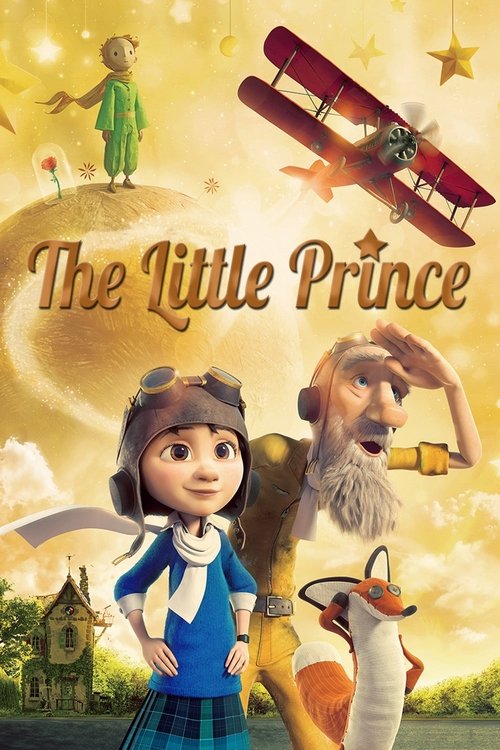
I remember watching this while trying to assemble a piece of complicated Swedish furniture, and halfway through, I just threw the hexagonal wrench across the room, ignored the instructions, and started building a fort out of the cardboard boxes instead. That is the exact energy Mark Osborne (who previously gave us the surprisingly soulful Kung Fu Panda) taps into with his 2015 adaptation of Saint-Exupéry’s The Little Prince. It’s a film that understands that the most dangerous thing in the world isn't a dragon or a desert—it’s a "Life Plan" printed on a gray piece of cardstock.
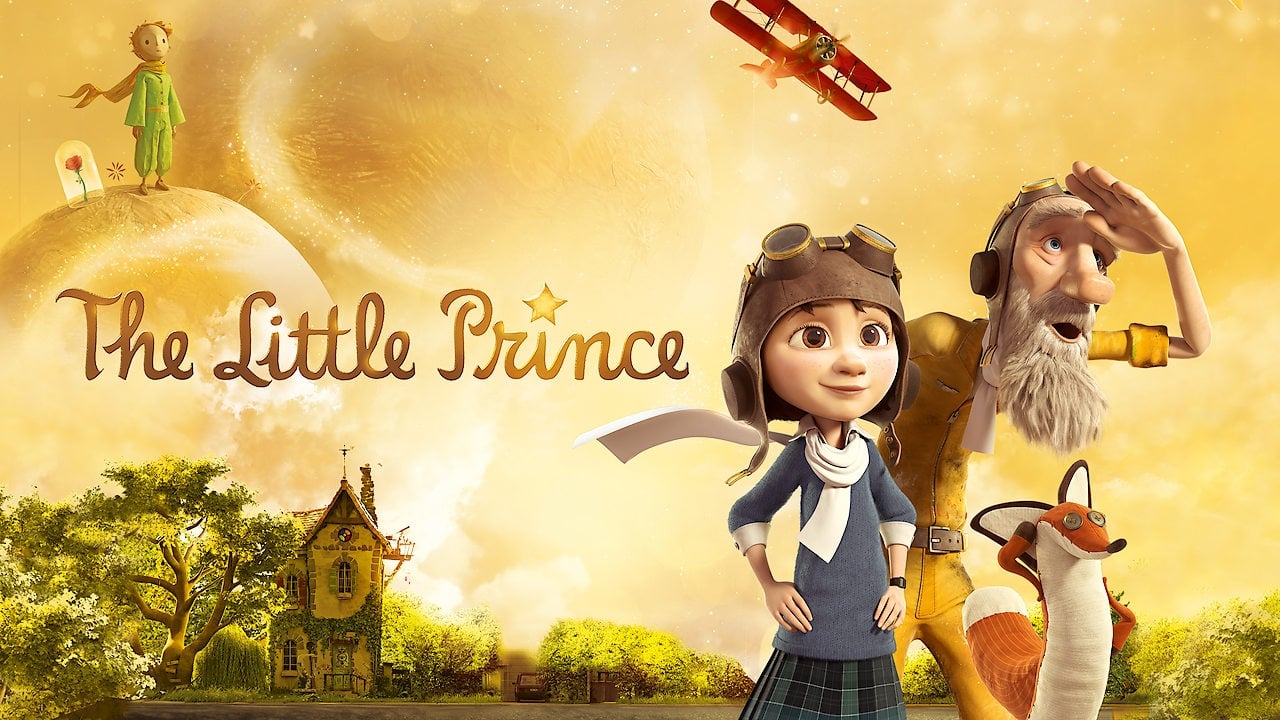
The film makes a bold, controversial choice right out of the gate: it doesn't just adapt the book. It builds a modern, CG-animated cage around it. We follow a Little Girl (Mackenzie Foy, delivering a grounded, weary performance) whose Mother (Rachel McAdams) has mapped out every second of her daughter’s existence to ensure she gets into the prestigious Werth Academy. Their world is a monochromatic grid of square houses and square cars, a visual manifestation of the "efficiency" we’ve all been tricked into worshipping in the 21st century.
Then, a propeller blade smashes through their wall.
The Magic of Mixed Media
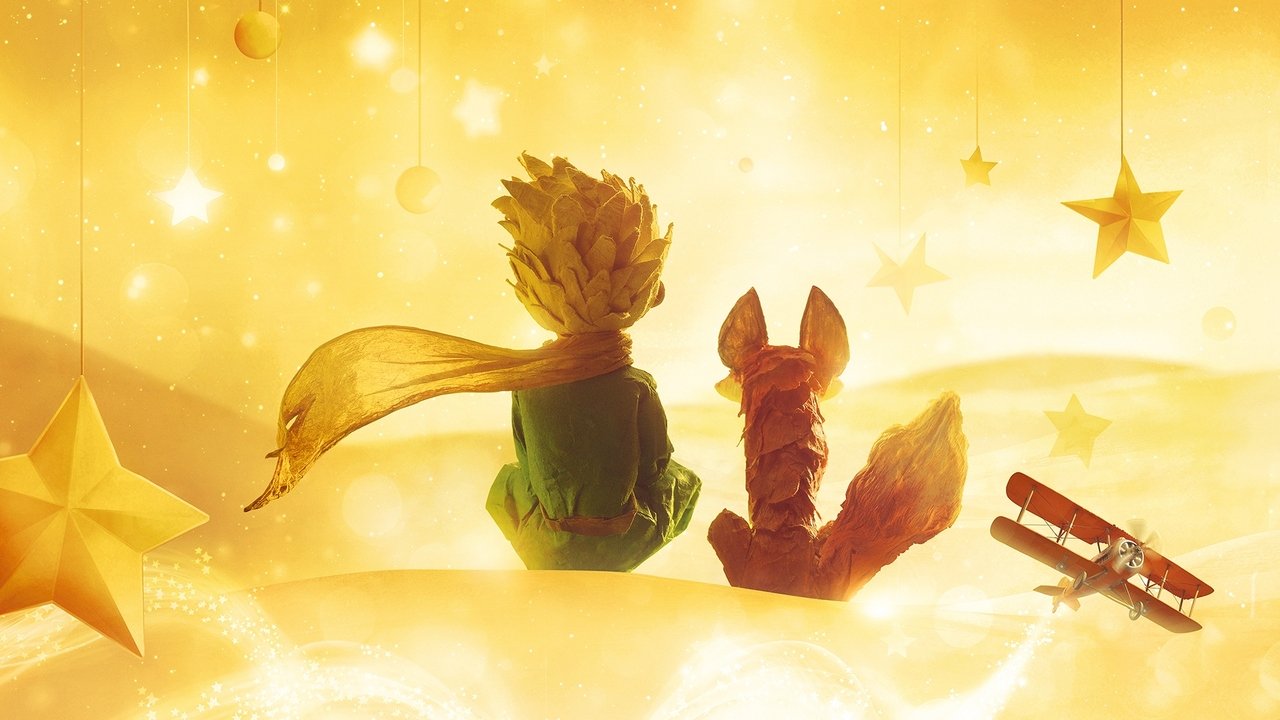
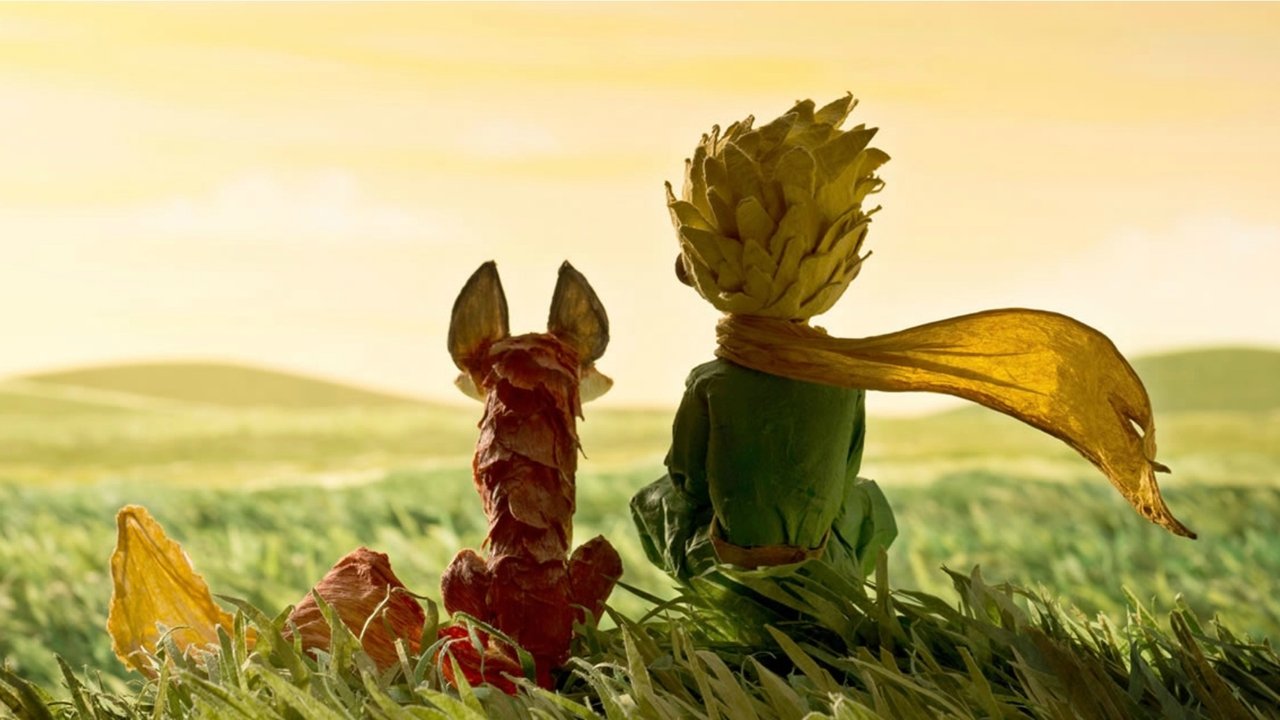
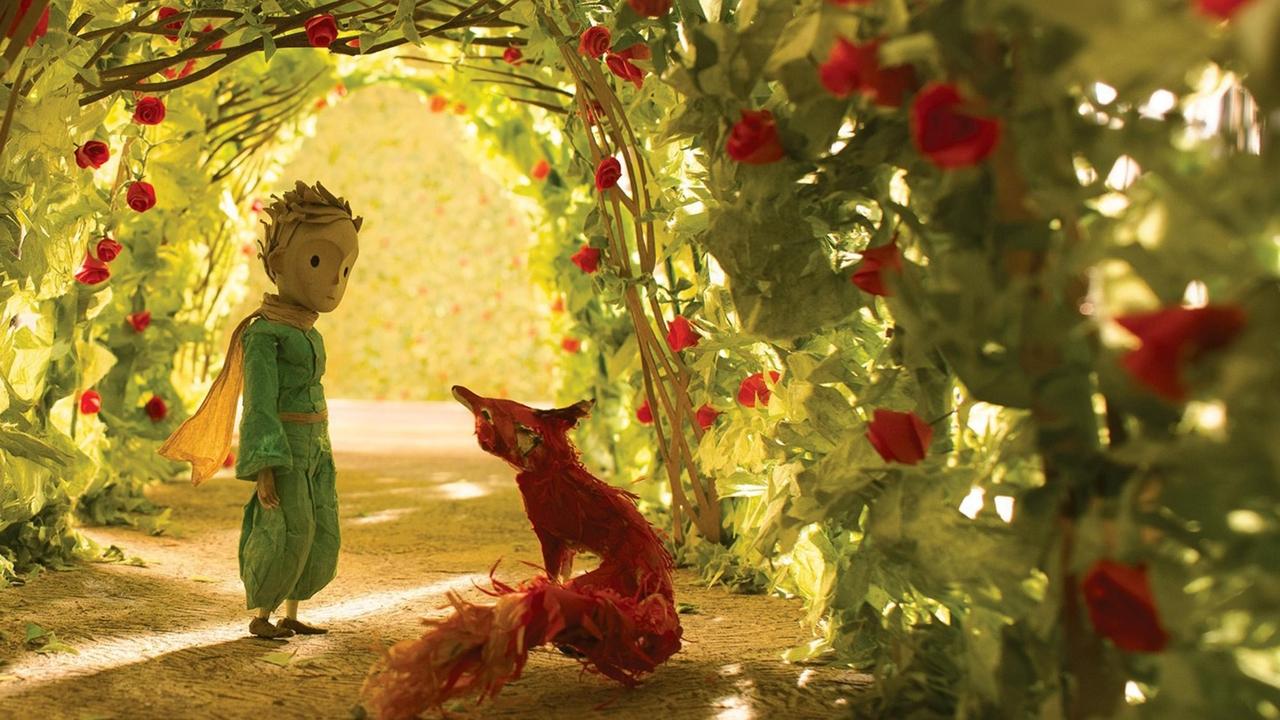
The genius of this film lies in its schizophrenia. Whenever the story shifts from the Little Girl's gray reality to the tales of the Aviator (Jeff Bridges, sounding like he’s made of warm sandpaper and old leather), the animation style transforms. We leave the polished, Pixar-adjacent CG behind and enter a world of stop-motion paper-mâché and hand-painted textures.
It’s breathtaking. The Prince himself (Riley Osborne) looks like he was folded out of the very pages of the novella. Seeing the wind catch the Prince’s yellow scarf—made of actual rippling silk—creates a sense of tactile wonder that 100 million dollars of digital rendering can’t touch. This stylistic choice reinforces the central philosophy: the "real" world of adults is artificial and rigid, while the "imaginary" world of the desert is textured, fragile, and alive.
Hans Zimmer and Richard Harvey provide a score that avoids the usual bombastic orchestral swells, opting instead for something that feels like a French cafe at twilight. It’s whimsical but carries a heavy undercurrent of "le mal du pays"—a homesickness for a place you’ve never actually been.
A Masterclass in Legacy Casting
The voice cast here is an embarrassment of riches, and Mark Osborne uses them with surgical precision. Marion Cotillard as The Rose is perfection; she manages to sound both insufferably vain and heartbreakingly lonely in the same breath. James Franco brings a weary, clever edge to The Fox that avoids the "sassy sidekick" tropes of modern animation.
But it’s the Aviator who anchors the film. Jeff Bridges plays him not as a wise mentor, but as a slightly eccentric neighbor who might be losing his marbles—which makes the bond between him and the Little Girl feel much more authentic. Their friendship isn't built on "teaching moments" but on the shared rebellion of throwing magnets at a star-map.
The Third Act Controversy
About an hour in, the film takes a hard left turn. It ventures beyond the ending of the book and into a surreal, dystopian fever dream where the Little Prince has grown up to become "Mr. Prince," a bumbling, overworked janitor who has forgotten his own history. Some purists hated this. They felt it "explained" too much of a story that thrives on ambiguity.
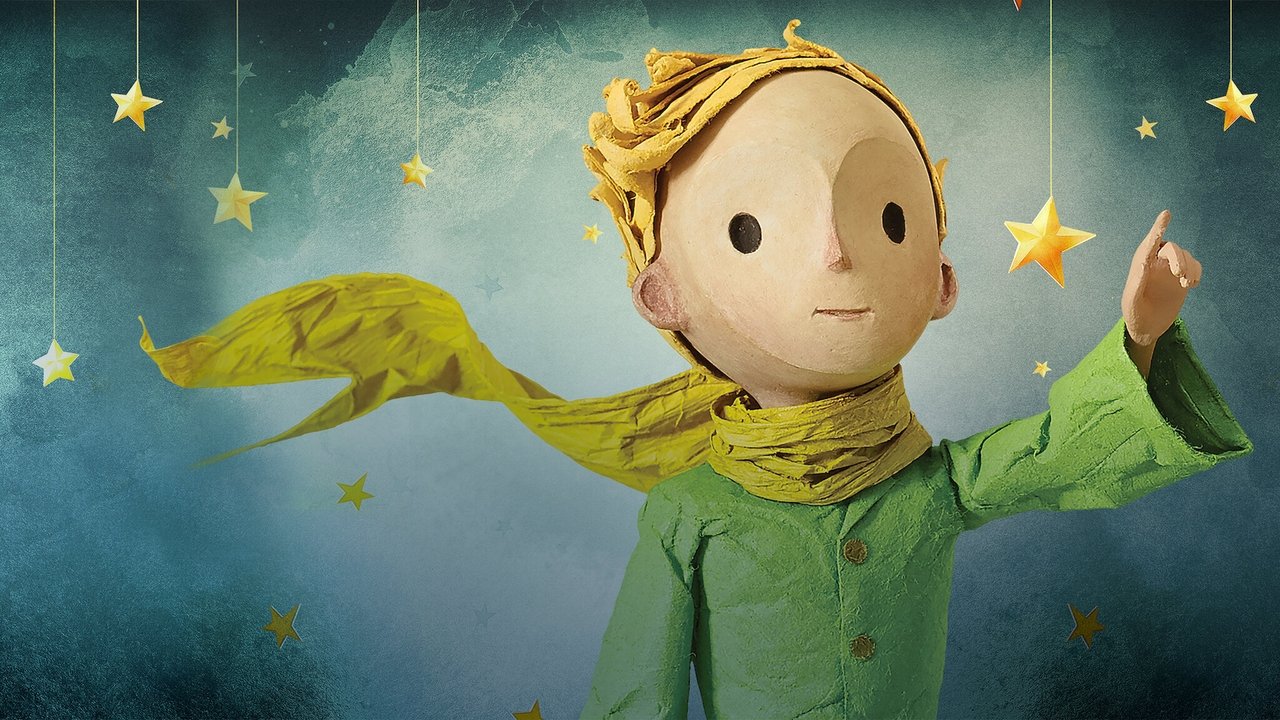
I disagree. In our current era of "hustle culture" and the systematic optimization of childhood, the third act’s jump into a corporate nightmare is exactly the kick in the teeth modern audiences needed. It’s a literalization of the book’s warning: "The grown-ups are very strange." By showing us a Prince who has lost his way, the film forces the Little Girl (and the audience) to take responsibility for the story. We aren't just passive listeners; we are the ones who have to keep the desert alive in our heads.
The "Netflix" Effect and Cult Status
The production history of The Little Prince is as chaotic as the Aviator's plane. Despite being a massive hit in France (it won the César Award for Best Animated Film), Paramount famously dropped the US theatrical release just a week before it was supposed to debut. It felt like the "Grown-ups" in the studio backlots decided the film was too poetic, too "weird" for a domestic audience obsessed with minions and talking pets.
Netflix swooped in to save it, which turned the film into a bit of a digital cult classic. It didn't get the big-screen glory it deserved in the States, but it found its way into the hearts of people who discovered it late at night on a streaming queue. It’s a "Contemporary" film that feels like a "Forgotten Oddity" because of how it was handled, making the viewing experience feel like a secret you’ve been let in on.
This isn't a movie you put on to distract your kids while you wash the dishes. It’s a movie that might make your kids look at your "Life Plan" on the fridge and ask why you’ve stopped looking at the stars. It successfully bridges the gap between the 1943 source material and the anxieties of 2015, reminding us that forgetting is a choice we make every time we prioritize "essential" work over "meaningless" play. It’s beautiful, slightly messy, and deeply human. If you can watch the scene with the Fox without feeling a lump in your throat, you might already be a Grown-up. And we all know how the Prince feels about those.
Keep Exploring...
-
Raya and the Last Dragon
2021
-

Trolls
2016
-
Onward
2020
-
Trolls World Tour
2020
-
The Boy and the Beast
2015
-
How to Train Your Dragon: Homecoming
2019
-
Wolfwalkers
2020
-
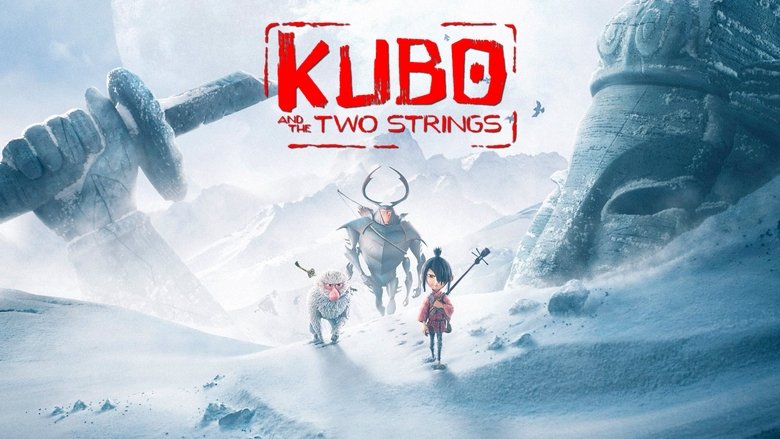
Kubo and the Two Strings
2016
-

Klaus
2019
-
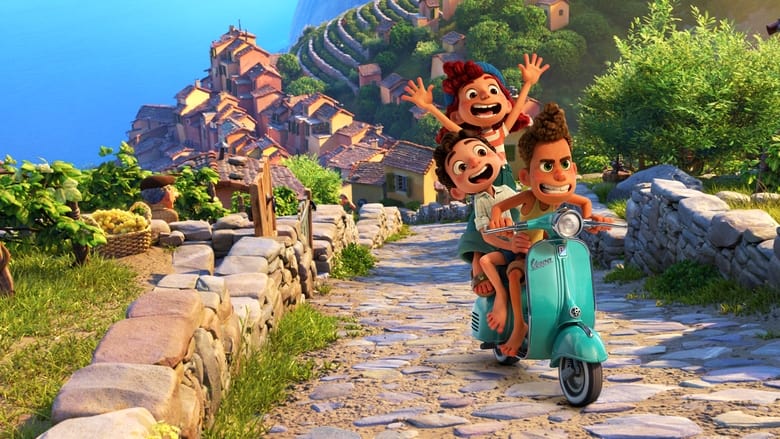
Luca
2021
-

Flow
2024
-
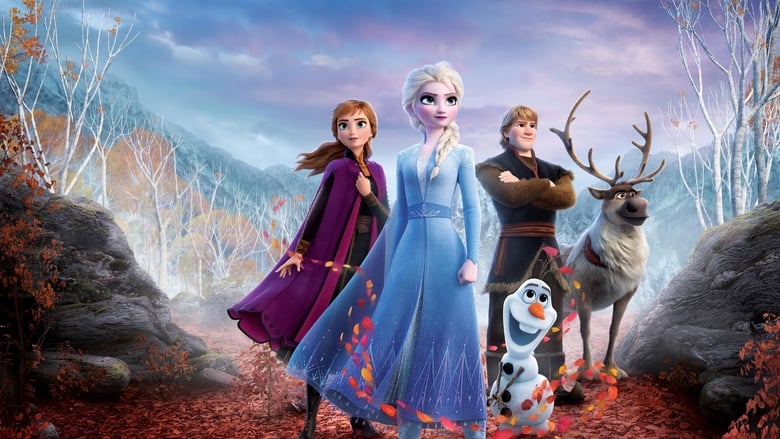
Frozen II
2019
-
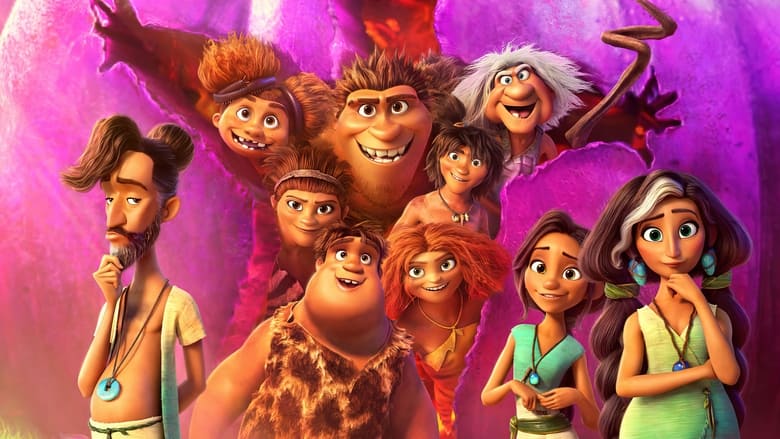
The Croods: A New Age
2020
-
Anastasia
1997
-
Treasure Planet
2002
-
How to Train Your Dragon: The Hidden World
2019
-
Mary and The Witch's Flower
2017
-
Red Shoes and the Seven Dwarfs
2019
-
Over the Moon
2020
-
Home
2015