The Lobster
"Find a partner in forty-five days, or start practicing your scuttle."
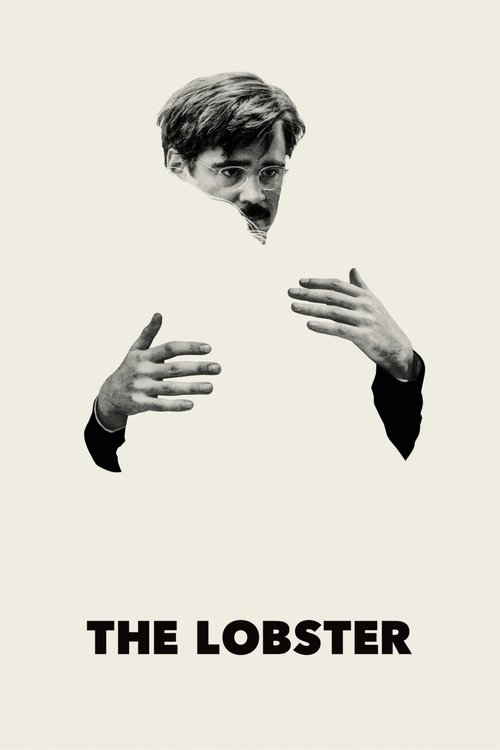
If you were told that your single status was a legal liability and that failure to find a soulmate would result in you being surgically transformed into an animal, what would you choose? Most people in Yorgos Lanthimos’s clinical, hilariously bleak world go for dogs. It’s the safe bet. It’s why there are so many dogs in the world and so few exotic mammals. But our protagonist, David, played with a magnificent, soft-bellied sadness by Colin Farrell, chooses the lobster. Why? Because they live for a hundred years, they’re blue-blooded like aristocrats, and they stay fertile their whole lives.
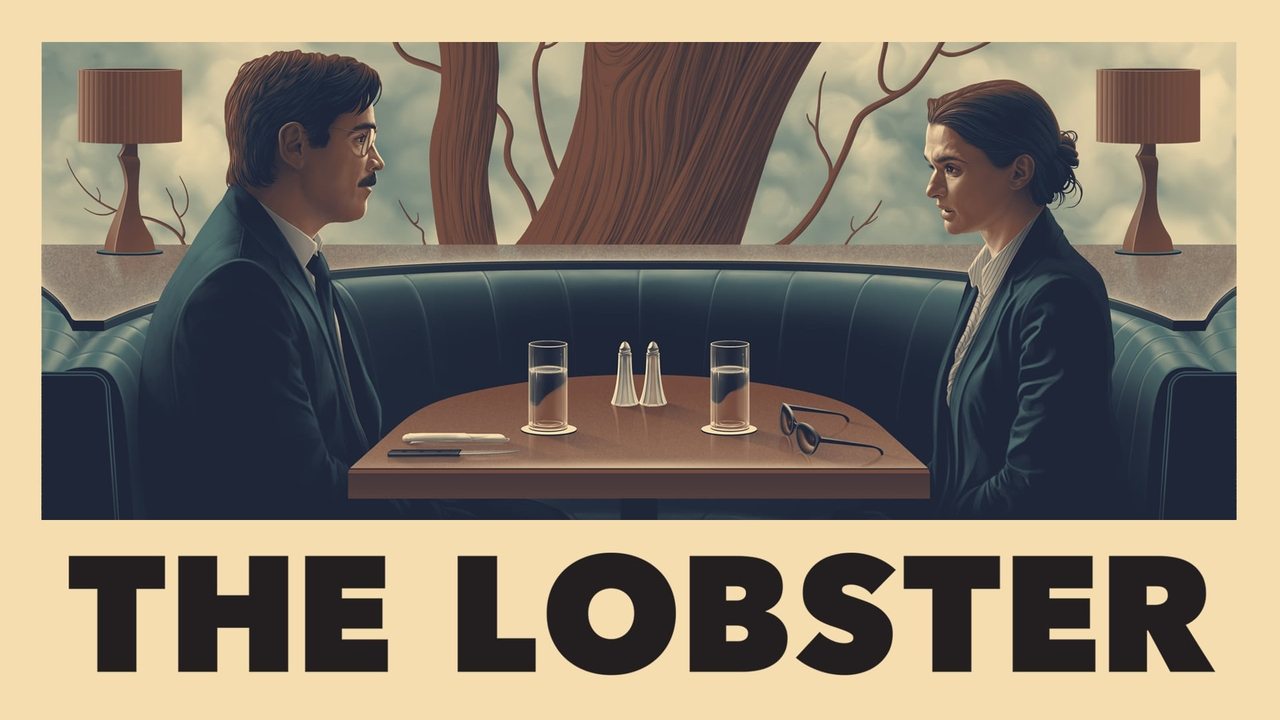
I actually watched this for the second time while my roommate was loudly blending a kale smoothie in the next room, and the aggressive whirring of the blades felt like an appropriate soundtrack to the film's clinical violence. It’s that kind of movie—it makes the mundane feel threatening and the absurd feel like a Tuesday afternoon.
Check In or Turn Into a Crustacean
The setup is pure "Greek Weird Wave" brilliance, marking the English-language debut of Lanthimos, who previously confused and delighted audiences with Dogtooth. David is dumped by his wife and checked into The Hotel. He has 45 days to pair up. The catch? You can’t just "like" someone. You need a "defining characteristic" in common. A limp, a chronic nosebleed, a cold heart, or perfect hair.
It’s a savage parody of how we approach modern dating. In an era of Tinder swipes and Hinge prompts, where we try to algorithmically solve the "problem" of loneliness, The Lobster suggests that matching with someone based on a shared chronic nosebleed is basically how dating apps work now. We look for data points rather than people.
The Hotel Manager, played with terrifyingly polite rigidity by Olivia Colman (well before her Oscar-winning turn in Lanthimos’s The Favourite), runs the place like a high-stakes corporate retreat. There are dances where everyone moves like they’ve forgotten how limbs work, and propaganda skits designed to show how "being alone leads to choking on a sandwich." It’s dry, it’s monotone, and it’s one of the funniest things I’ve seen in the last decade.
The Dad-Bod Renaissance of Colin Farrell
Colin Farrell is a revelation here. This was the peak of his transition from "troubled Hollywood heartthrob" to "preeminent weirdo character actor," and I am here for it. He put on weight for the role and wears a mustache that radiates pure defeat. His performance is entirely internal; he delivers lines in a flat, robotic cadence that somehow makes his desperation feel more real, not less.
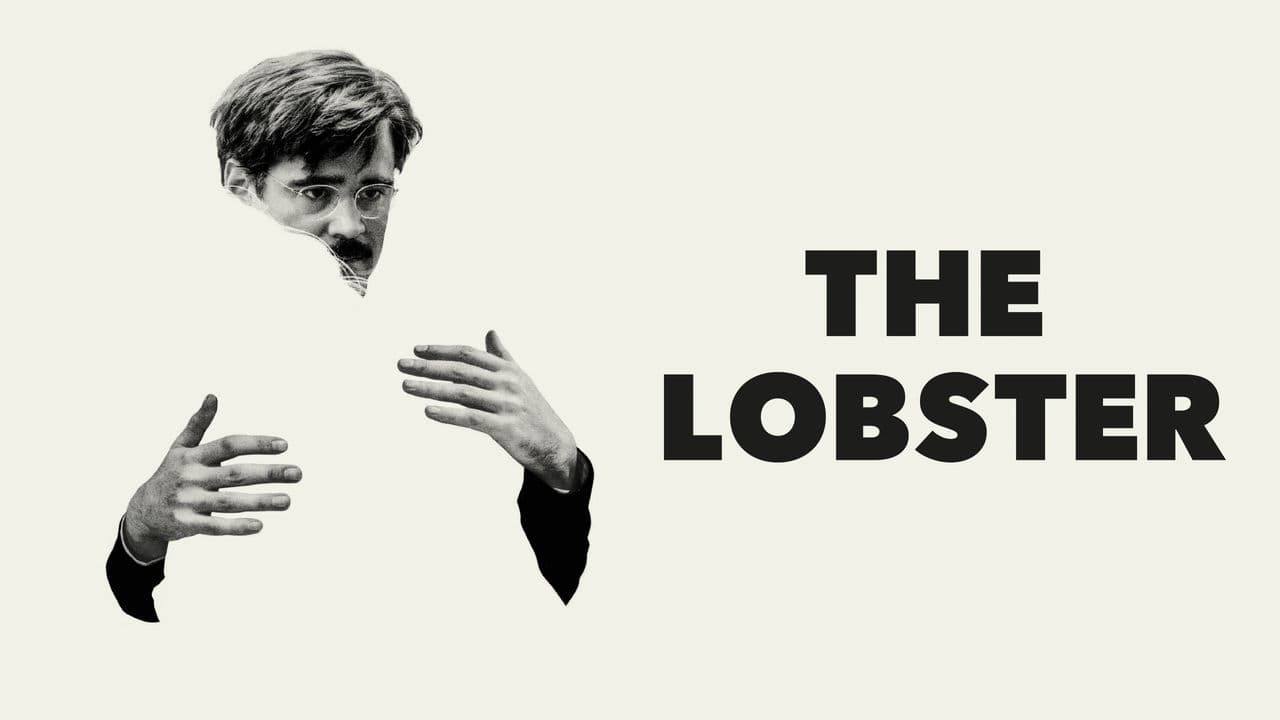
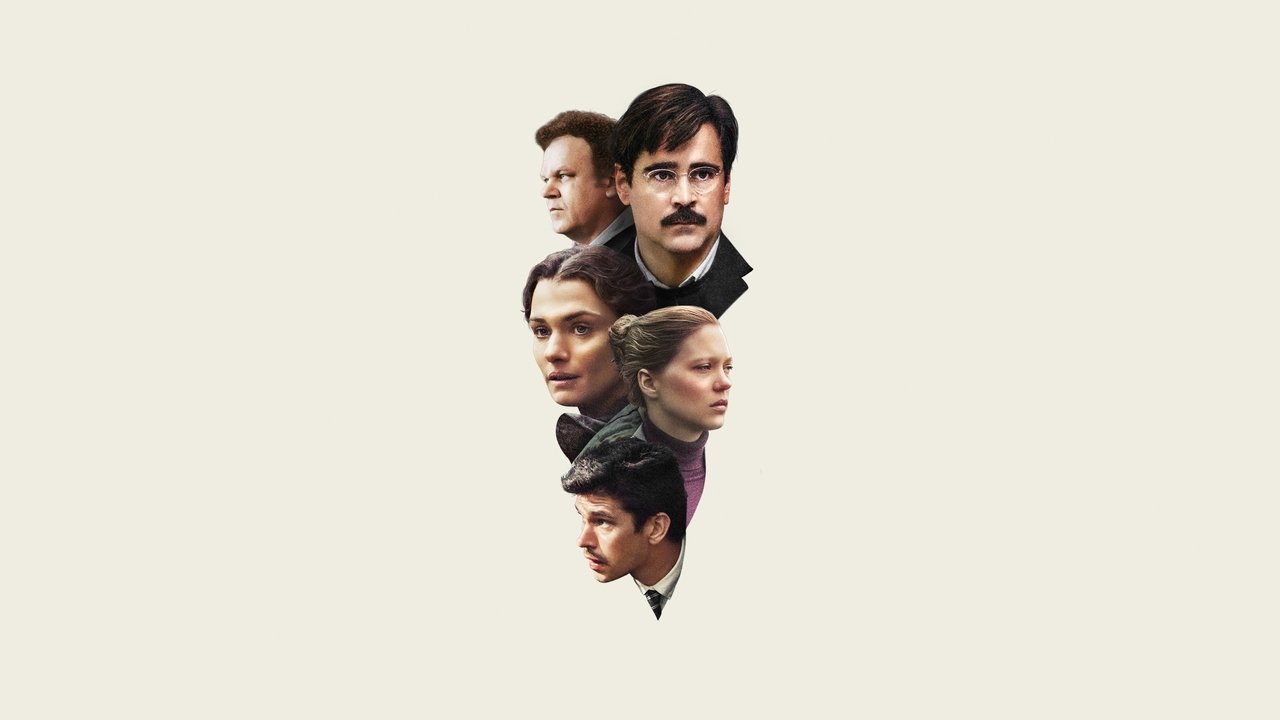
The supporting cast is equally dialed into this specific frequency. John C. Reilly (who worked with Lanthimos again in The Sisters Brothers) and Ben Whishaw are fellow guests trying to game the system. Whishaw’s character literally bashes his own nose against tables just to fake a commonality with a woman who has nosebleeds. It’s a dark, pathetic, and deeply recognizable look at how much of ourselves we’re willing to mutilate just to fit into a social box.
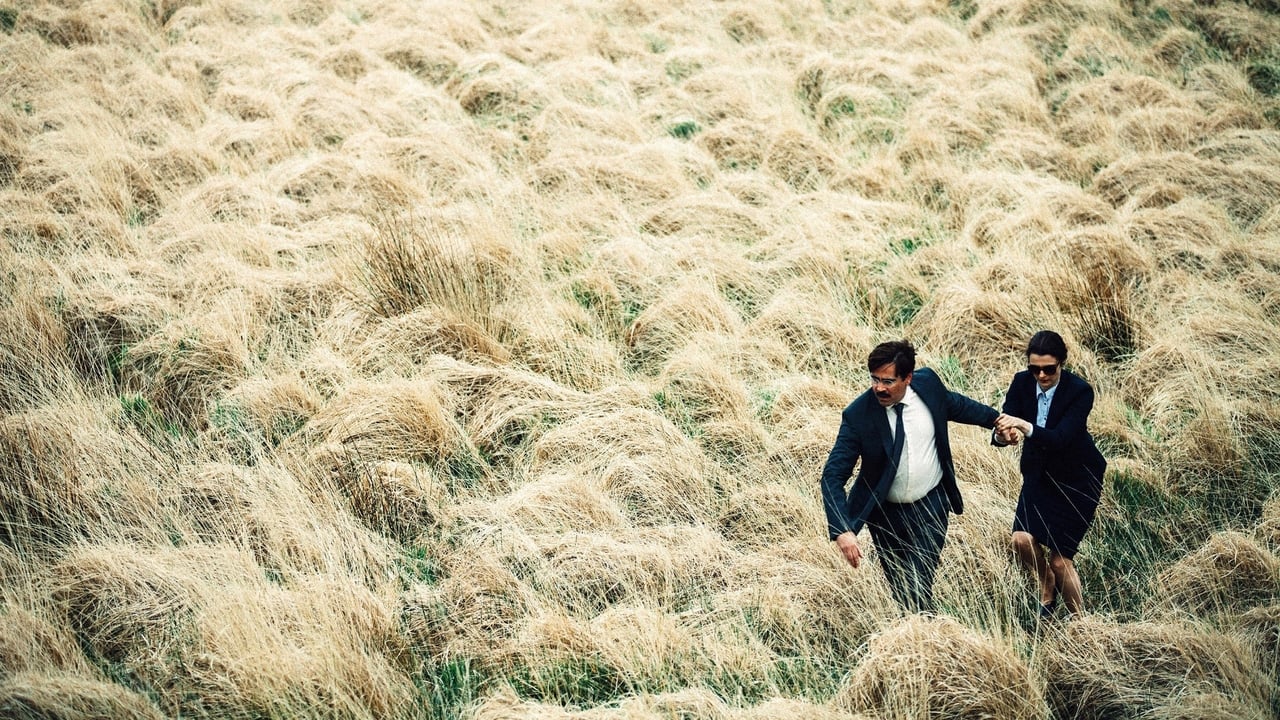
The cinematography by Thimios Bakatakis treats the Irish coastline—specifically the Parknasilla Hotel in County Kerry—like a beautiful, foggy prison. Everything is shot in natural light, giving the film a grainy, tactile reality that grounds the insanity. It cost about $4 million to make, which is basically the catering budget for a Marvel movie, yet it feels more expansive and thought-provoking than any CGI multiverse.
The Loners and the Logic of Extremes
Halfway through, the film shifts gears. David escapes to The Woods, where the "Loners" live. Led by a militant Léa Seydoux, this group is the mirror image of the Hotel. If the Hotel mandates romance, the Loners forbid it. You can’t flirt, you can’t dance together, and the punishments are… well, let’s just say they involve "Red Kisses."
This is where the movie gets really interesting for me. It’s not just satirizing the pressure to be in a couple; it’s satirizing the human urge to join any group that demands total conformity. Whether it’s the pro-marriage City or the anti-romance Loners, the individual gets crushed either way.
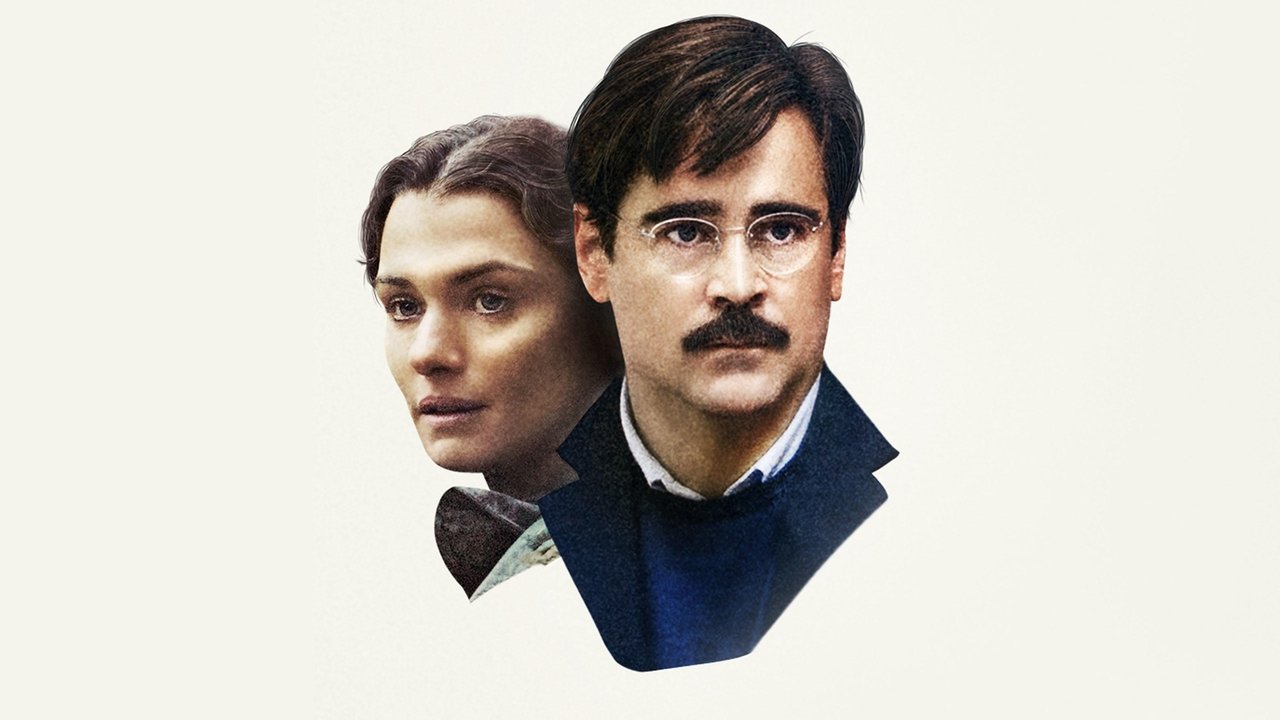
Enter the Short Sighted Woman, played by Rachel Weisz. Her chemistry with Farrell is bizarrely touching, mostly because they communicate through a secret language of hand signals while pretending to be strangers. It’s a genuine romance blooming in a place where romance is a capital offense. It’s also where the film’s "drama" tag really earns its keep. The final act is a tense, stomach-turning look at what we’re willing to sacrifice for a "shared trait."
Behind the Shell
Apparently, Lanthimos was so committed to the "natural" feel of the film that the actors wore no makeup at all. It shows—you can see every pore, every twitch of discomfort, and Farrell’s genuine awkwardness. The film was also shot almost entirely in sequence, which is a luxury most indie films can’t afford, but it helps the cast’s descent into madness feel earned.
It’s also worth noting how much this film signaled a shift in independent cinema. In 2015, we were starting to see the rise of "A24-style" elevated genre films—movies that used sci-fi or horror tropes to dissect social anxieties. The Lobster is the poster child for this movement. It doesn’t explain its world; it just drops you in the deep end and watches you swim.
Is it a "fun" watch? If you like your comedy as dry as a desert and your romance with a side of self-mutilation, then yes. Lanthimos makes movies for people who find awkward silences more stressful than jump scares. It’s a film that stays with you, popping up in your head every time you see a couple wearing matching sweaters or a single friend getting grilled at a wedding.
Ultimately, The Lobster is a beautifully photographed nightmare about the cages we build for ourselves. It’s cynical, yes, but there’s a flicker of something human in David’s desperate search for a connection. It’s one of those rare indie gems that managed to break through the noise of the streaming era because it refused to play by any rules. Just be warned: you might never look at a seafood platter—or a dating app—the same way again.
Keep Exploring...
-

The Killing of a Sacred Deer
2017
-
The Favourite
2018
-
Sing Street
2016
-
Swiss Army Man
2016
-

Kinds of Kindness
2024
-
Youth
2015
-
Poor Things
2023
-
Anomalisa
2015
-

We Are Your Friends
2015
-

Bridget Jones's Baby
2016
-
Café Society
2016
-

La La Land
2016
-
Paterson
2016
-

Home Again
2017
-
The Big Sick
2017
-

Love, Simon
2018
-
The Ballad of Buster Scruggs
2018
-

The Half of It
2020
-
Dogtooth
2009
-
Love
2015