The Man from U.N.C.L.E.
"Dressed to kill and far too cool to care."
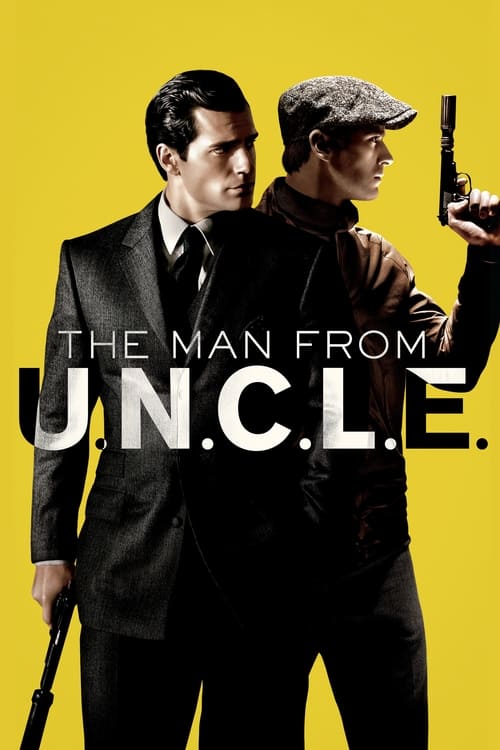
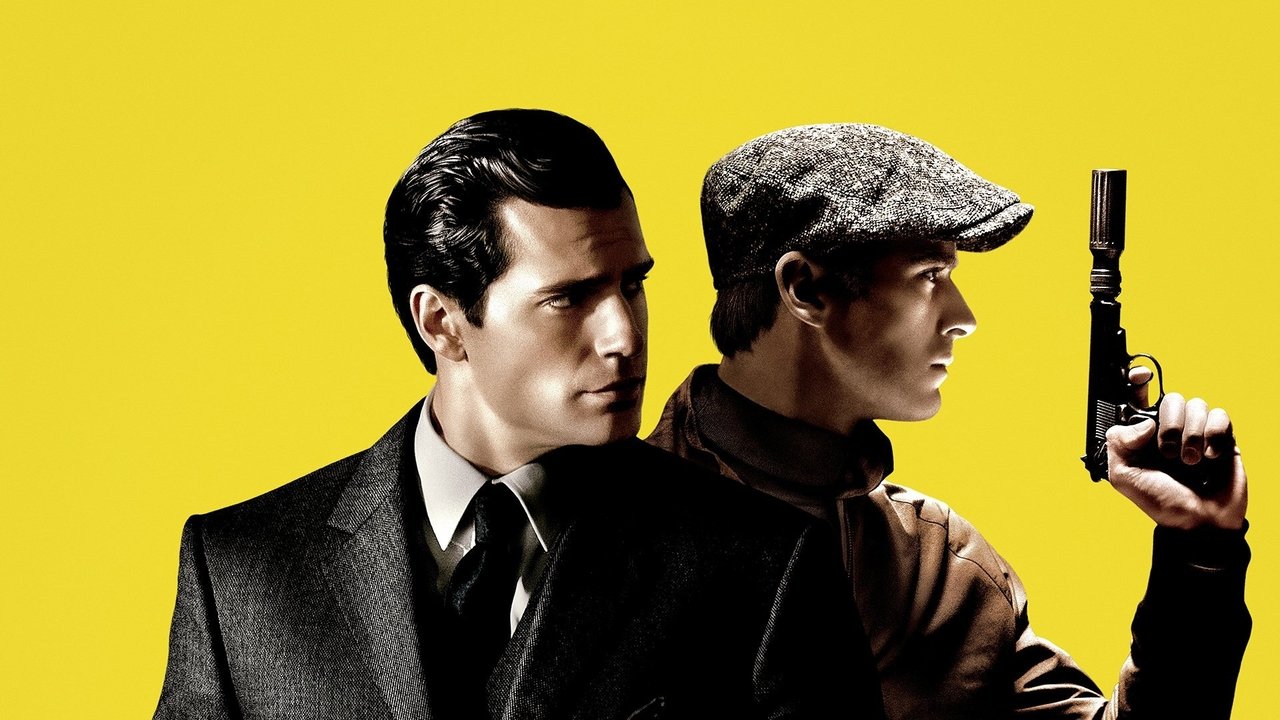
If a 1960s Vogue editorial decided to grab a suppressed Walther P38 and go for a joyride through Rome, it would look exactly like Guy Ritchie’s The Man from U.N.C.L.E. It is a film that essentially functions as a two-hour long argument for why we should all be wearing more tailored linen and drinking our martinis in high-waisted trousers. Released in the absolute glut of "The Year of the Spy" (2015), it arrived alongside the billion-dollar behemoth Spectre, the vulgar energy of Kingsman: The Secret Service, and the plane-clinging stunts of Mission: Impossible – Rogue Nation. Naturally, because the universe is often unfair, this was the one that stayed home from the prom while everyone else danced.
I watched this most recently on a Tuesday night while trying to get a stubborn piece of popcorn out of my back molar with a folded piece of a CVS receipt, and honestly, the sheer, unadulterated glamor on screen made me feel significantly less like a swamp creature. It’s that kind of movie. It invites you into a world of "effortless" cool that was clearly achieved through the Herculean effort of a production team obsessed with the tilt of a hat and the snap of a zoom lens.
The Great Spy-Off of 2015
Looking back from our current era of "franchise fatigue" and "IP mining," The Man from U.N.C.L.E. feels like a beautiful anomaly. It was a reboot of a 1960s TV show, yes, but it didn't feel like a desperate cash grab. Instead, it felt like Guy Ritchie (fresh off his Sherlock Holmes successes) finally found a sandbox that suited his restless visual style without the need for Cockney rhyming slang.
In 2015, the industry was pivoting hard toward "cinematic universes," and you can see the seeds of a franchise being planted here. But where the MCU feels like a meticulously planned suburban development, U.N.C.L.E. feels like a boutique hotel that went bankrupt because it spent too much on the wallpaper. It failed at the box office—making only $110 million against a $75 million budget—but it immediately ascended to the digital halls of cult fame. It became the ultimate "Tumblr movie," fueled by a dedicated fanbase that prioritized aesthetic, character chemistry, and Elizabeth Debicki’s height over explosions.
A Cold War Chemistry Set
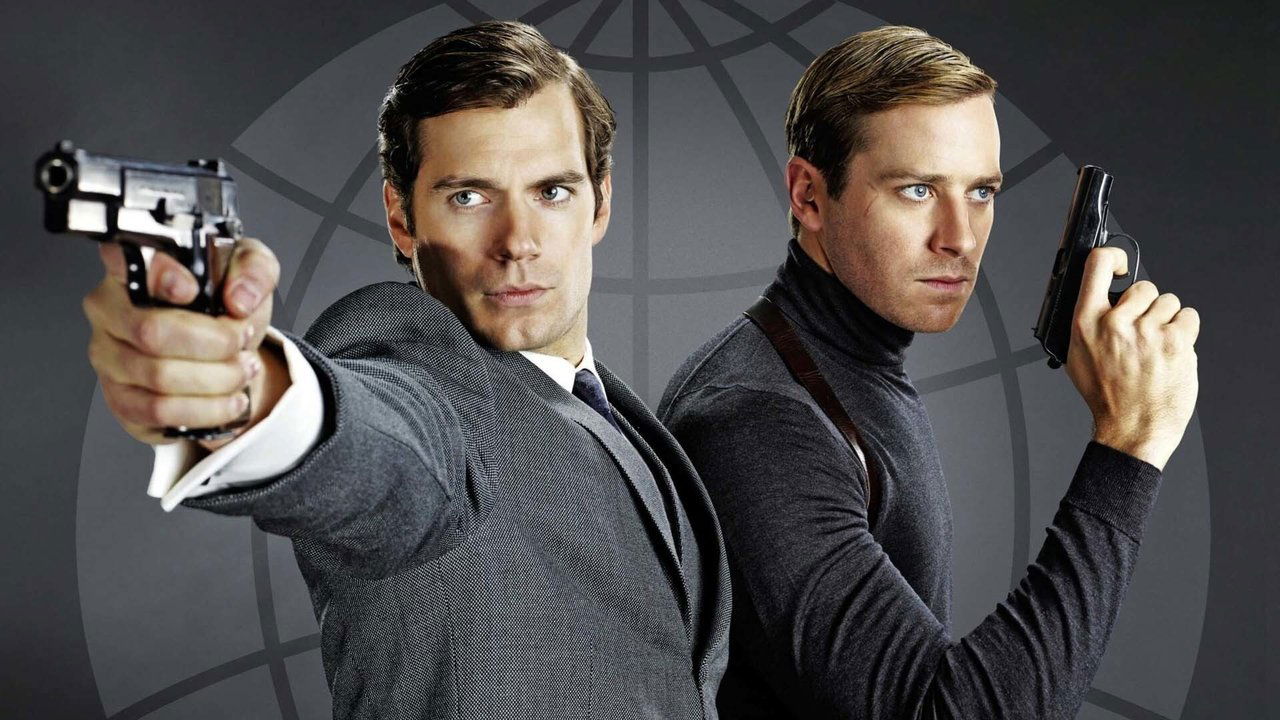
The film lives and dies on the friction between Henry Cavill’s Napoleon Solo and Armie Hammer’s Illya Kuryakin. Before he was Geralt of Rivia or being done dirty by the DCEU's mustache-removal CGI, Henry Cavill was proving here that he is essentially a Cary Grant clone grown in a laboratory. He plays Solo with a smarm that should be punchable but ends up being hypnotic. Opposite him, Armie Hammer (real-world controversies aside) turns in a surprisingly nuanced performance as a Soviet agent who is a ticking time bomb of repressed rage.
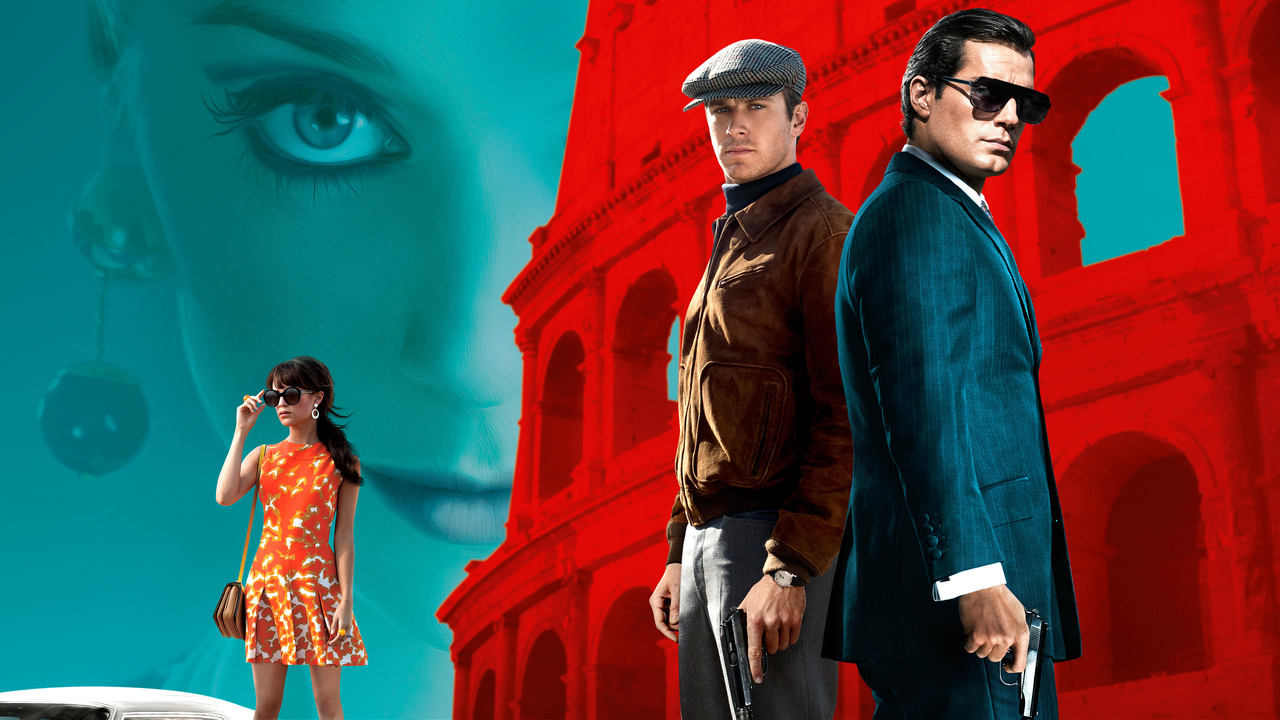
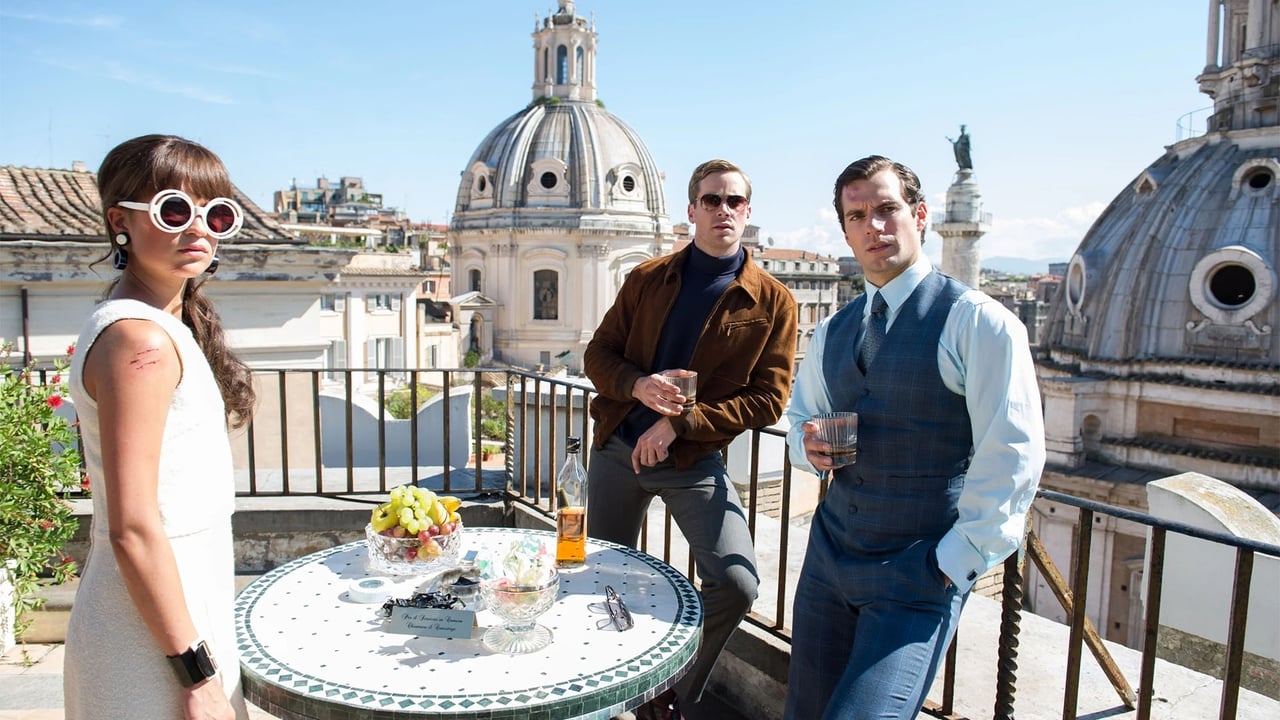
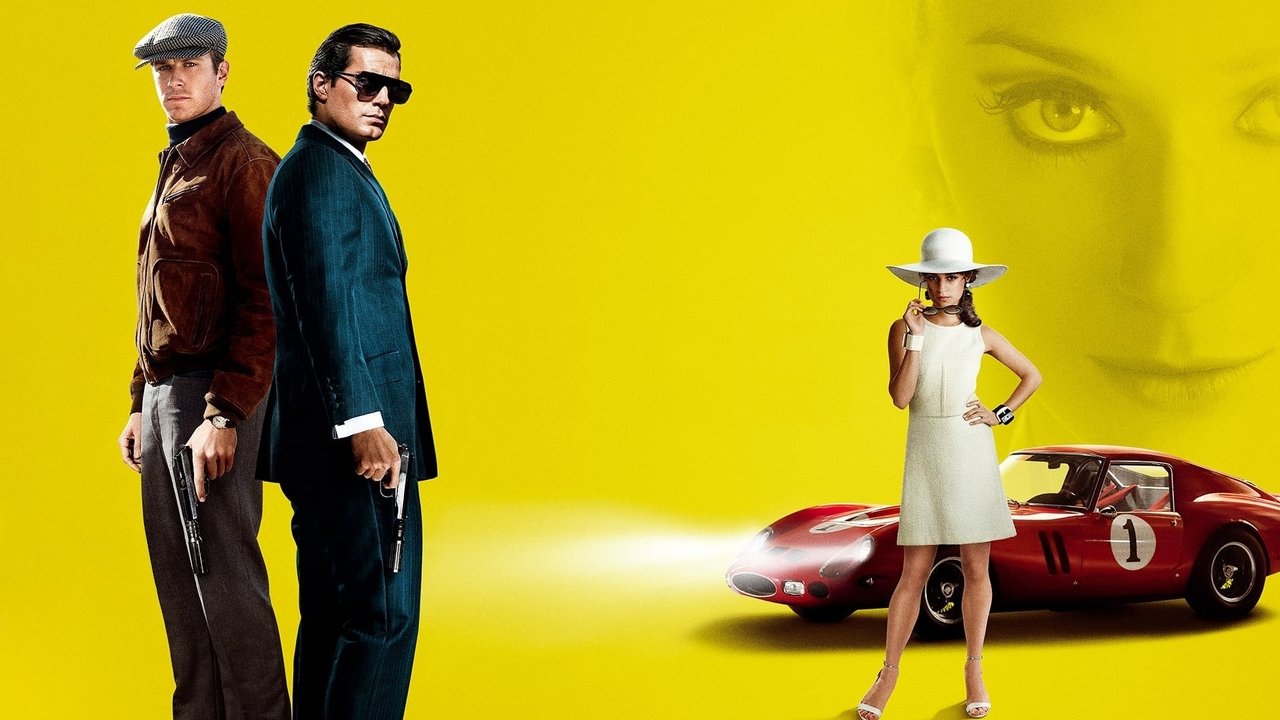
But the secret weapon is Alicia Vikander as Gaby Teller. Coming off her breakout in Ex Machina, she provides the film’s heartbeat, dancing in a hotel room in a mod dress while the world teeters on the brink of nuclear annihilation. And we have to talk about Elizabeth Debicki. As the villainous Victoria Vinciguerra, she is a literal statue of icy malevolence. Standing 6’3” and draped in monochromatic silks, she doesn't just enter a room; she colonizes it. Elizabeth Debicki is a human skyscraper of chic, and the movie knows it.
Style as Action
Guy Ritchie’s action choreography here is less about "shaky-cam" realism and more about rhythmic, almost musical sequences. Take the famous "sandwich scene." While a high-stakes boat chase is happening in the background, Solo sits in a truck, finds a nice bottle of wine and a snack, and watches his partner struggle through the window. The sandwich scene is the greatest piece of action cinema that contains zero actual action. It’s a perfect distillation of the film's ethos: why sweat when you can look good?
The production design is a feat of engineering. The crew didn't just find 60s cars; they found the right 60s cars. The costume designer, Joanna Johnston, apparently looked at the $75 million budget and decided half of it should go toward suede jackets. Behind the scenes, the film was a revolving door of talent before it settled—Tom Cruise was originally set to play Solo but dropped out for Mission: Impossible, and Steven Soderbergh was attached to direct at one point. It’s a miracle the final product feels so singular and confident.
The score by Daniel Pemberton deserves its own wing in the Smithsonian. It uses everything from harpsichords to distorted flutes, creating a soundscape that feels both retro and avant-garde. It doesn’t just support the film; it drives it, punctuating the split-screen transitions that Ritchie uses to pay homage to 60s cinema without feeling like a dusty museum piece.
The Man from U.N.C.L.E. is the coolest kid in school who unfortunately failed all his exams and had to repeat the year. It’s a film that prioritizes the "vibe" over the plot—the nuclear MacGuffin is completely forgettable—but when the vibe is this immaculate, who cares? It’s a tragedy we never got a sequel, especially given how the ending teases the formation of the actual U.N.C.L.E. agency. In an era where every mediocre action flick gets three sequels and a spin-off, the fact that we only have this one feels like a crime against cinema. Seek it out, pour a drink, and enjoy the most stylish failure of the decade.
Keep Exploring...
-

The Ministry of Ungentlemanly Warfare
2024
-
Operation Fortune: Ruse de Guerre
2023
-

King Arthur: Legend of the Sword
2017
-
Spies in Disguise
2019
-
The Lego Movie 2: The Second Part
2019
-
The Gentlemen
2020
-
Guy Ritchie's The Covenant
2023
-

Sherlock Holmes: A Game of Shadows
2011
-
The Spy Who Dumped Me
2018
-

Charlie's Angels
2019
-

Love and Monsters
2020
-
Aladdin
2019
-
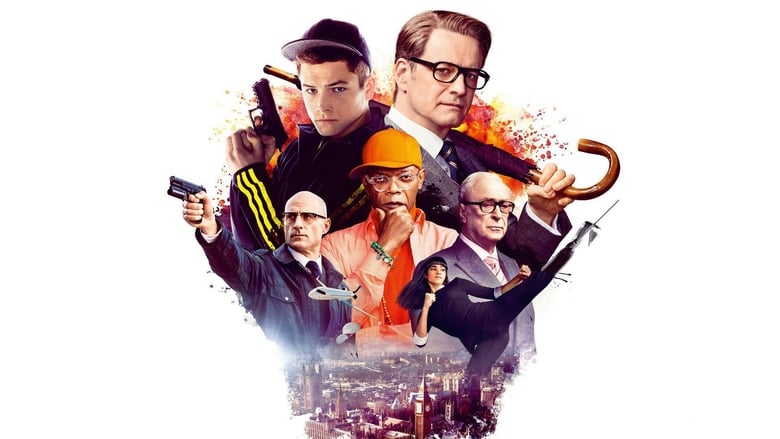
Kingsman: The Secret Service
2015
-

Jungle Cruise
2021
-
The Suicide Squad
2021
-

The Lost City
2022
-
Deadpool
2016
-
Kung Fu Panda 3
2016
-
Cars 3
2017
-
Despicable Me 3
2017