The Revenant
"A frostbitten descent into the darkest, most agonizing corners of human survival and vengeance."
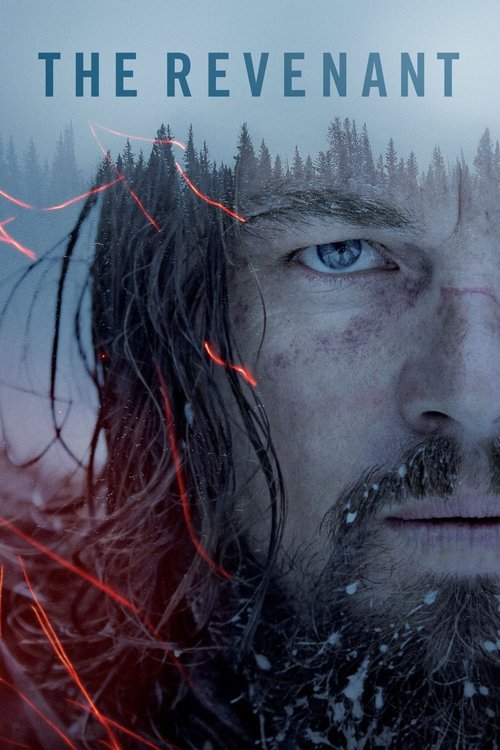
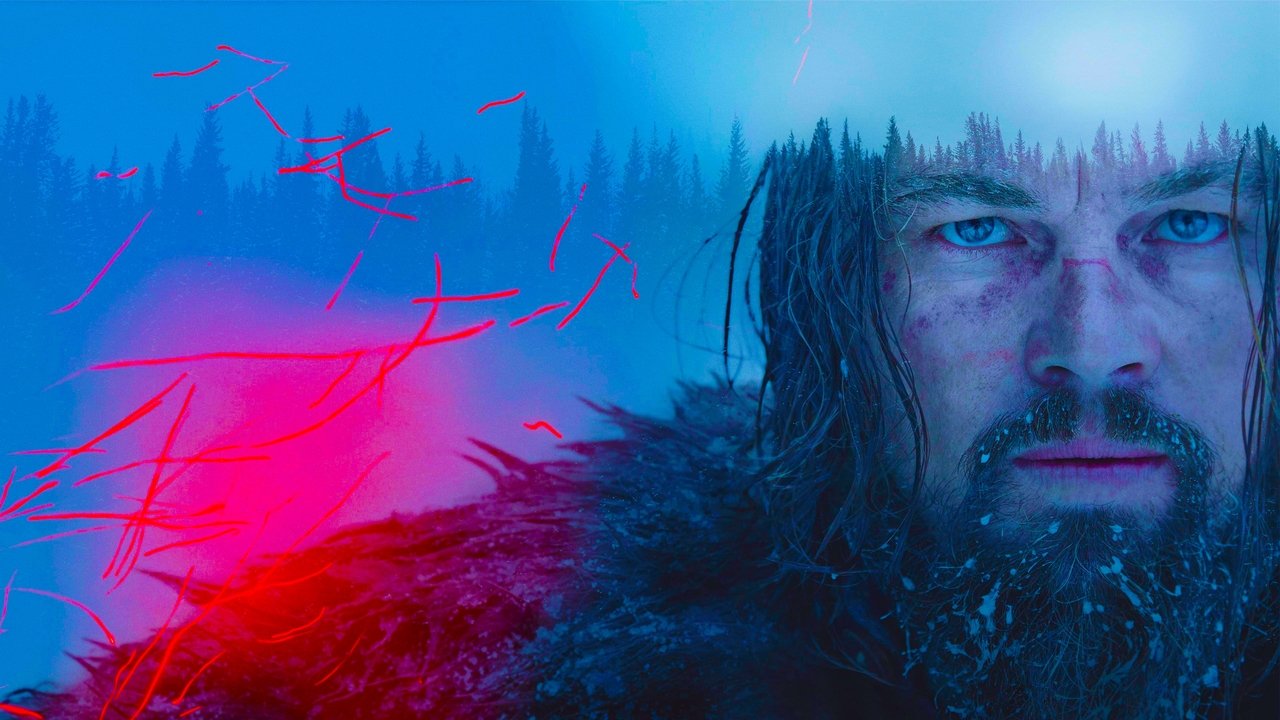
There is a specific, wet sound a human body makes when it’s being treated like a ragdoll by a five-hundred-pound grizzly bear, and I’m fairly certain it’s a sound I’ll never be able to un-hear. Watching The Revenant in a theater back in 2015 felt less like a night at the movies and more like a test of physical endurance. I remember sitting there, clutching a lukewarm bottle of sparkling water that had gone flat forty minutes in, and feeling a genuine, psychosomatic chill creeping up my spine despite the theater’s cranking heater. It’s the kind of film that makes you want to go home and apologize to your thermostat.
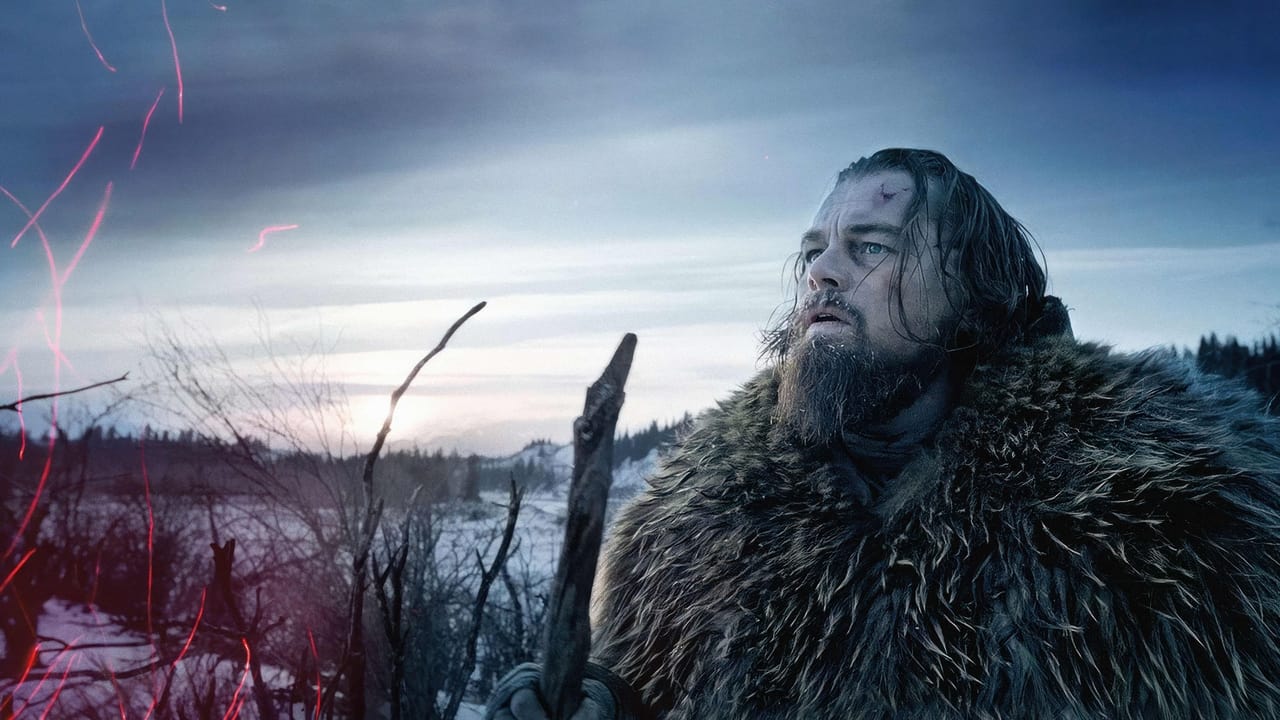
Frostbite as a Lifestyle Choice
Alejandro González Iñárritu didn’t just want to make a movie; he wanted to capture a catastrophe. By now, the production lore of The Revenant has become almost as famous as the film itself. We’re talking about a budget that ballooned from $60 million to $135 million because the director and his legendary cinematographer, Emmanuel "Chivo" Lubezki (Children of Men, Gravity), insisted on shooting exclusively with natural light in the remote wilderness of Canada and Argentina. This meant the crew often only had a ninety-minute window each day to actually film. It was a logistical nightmare that allegedly led to several crew members quitting or being fired, but the result is something I haven't seen replicated since.
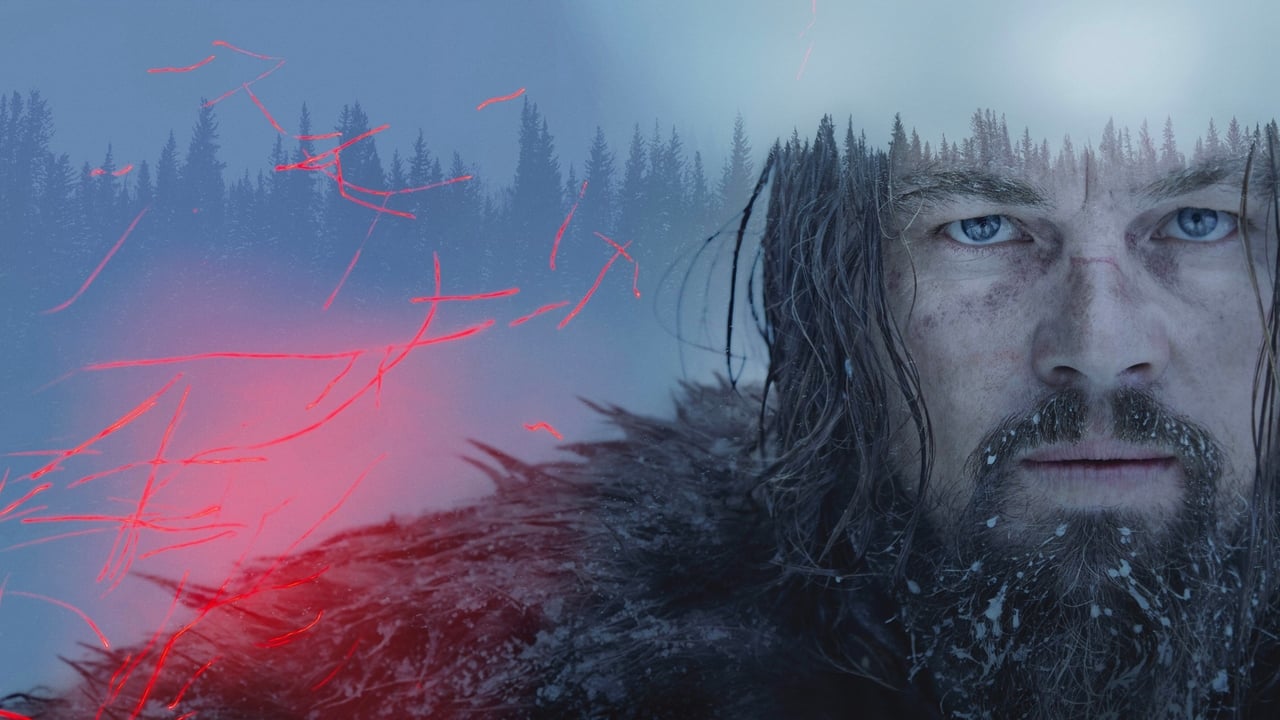
Every frame of this film looks like a Renaissance painting that’s been dipped in ice water. It avoids the "CGI soup" look that plagues so many modern blockbusters. Even though it was released in the thick of the MCU’s dominance, The Revenant felt like a defiant throwback to the era of the "Prestige Epic," proving that audiences would still shell out half a billion dollars to watch a man crawl through the dirt for two and a half hours.
The Mumble and the Moan
This was, of course, the "Leo gets his Oscar" movie. Leonardo DiCaprio (Hugh Glass) spends the vast majority of the runtime grunting, wheezing, and leaking various fluids, but the commitment is undeniable. I’ve heard people joke that it’s more of a stunt-reel than a performance, but I disagree. There’s a scene where Glass is eating raw bison liver—which, yes, DiCaprio actually did despite being a vegetarian—and you can see the genuine gag reflex and the hollowed-out desperation in his eyes. It’s basically endurance porn with a high art budget.
However, the real MVP for me has always been Tom Hardy as John Fitzgerald. While DiCaprio is doing the heavy physical lifting, Hardy is doing some of the most fascinating character work of his career. He plays Fitzgerald not as a mustache-twirling villain, but as a pragmatist who has simply run out of empathy. Hardy uses this bizarre, marbles-in-the-mouth Texas-meets-something-else accent that should be annoying, but instead makes him feel dangerous and unpredictable. Every time he’s on screen, the tension ratchets up because you’re never quite sure if he’s going to finish his sentence or slit a throat.
The supporting cast is equally sharp. A young Will Poulter (Midsommar) brings a heart-wrenching innocence to Jim Bridger, and Domhnall Gleeson (Ex Machina) plays Captain Henry with a rigid morality that feels increasingly fragile against the harsh landscape.
Nature is Not Your Friend
The narrative itself is a simple revenge western, but Iñárritu layers it with these dreamlike, spiritual sequences involving Glass’s late Pawnee wife that elevate it into something more poetic. Some critics found these moments a bit self-indulgent, but I think they provide a necessary breather from the relentless brutality. If the movie were just 157 minutes of a man cauterizing his own neck wounds, it would be unbearable.
What strikes me now, looking back from our current era of "The Volume" and seamless green screens, is how tactile The Revenant feels. When DiCaprio plunges into a freezing river, you see the actual capillaries in his face reacting. When a horse goes over a cliff (don't worry, that part was CGI), the impact feels heavy and sickening. It’s a film that respects the lethality of nature. It doesn't treat the wilderness as a backdrop; it treats it as an antagonist.
The film also holds a significant place in the conversation about representation. By casting actors like Duane Howard and Forrest Goodluck, and centering the narrative on the exploitation of Indigenous lands and people, it avoids some of the more tired tropes of the "White Savior" western, even if it still focuses primarily on Glass’s journey. It’s a film that acknowledges the blood soaked into the soil of the American frontier.
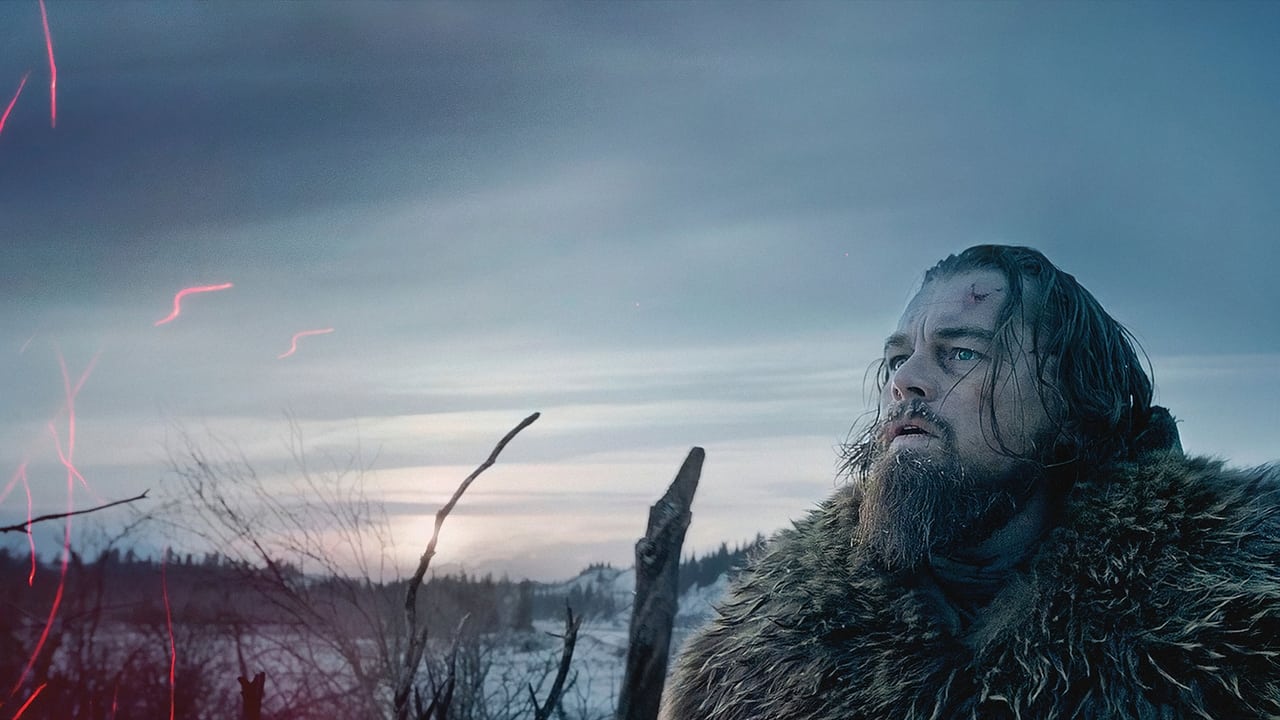
The Revenant remains a staggering achievement in pure, uncompromising filmmaking. It is a grueling, beautiful, and occasionally over-the-top masterpiece that proved high-concept dramas could still be global box office juggernauts. I don't know if I ever need to see a man sleep inside a dead horse in 4K ever again, but I’m incredibly glad that a director was mad enough to film it. It is the definitive survival movie of the 21st century.
***
Every time I see a bear in a nature documentary now, I find myself instinctively checking my own jugular. That is the lasting legacy of this film; it turned a majestic woodland creature into a literal engine of nightmare fuel. If you have the chance to see this on the biggest screen possible, do it—just remember to bring a jacket.
Keep Exploring...
-
Hostiles
2017
-
News of the World
2020
-

The Martian
2015
-
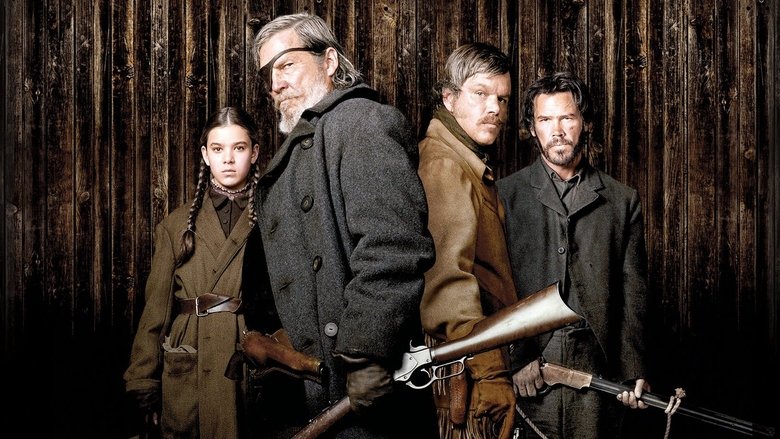
True Grit
2010
-
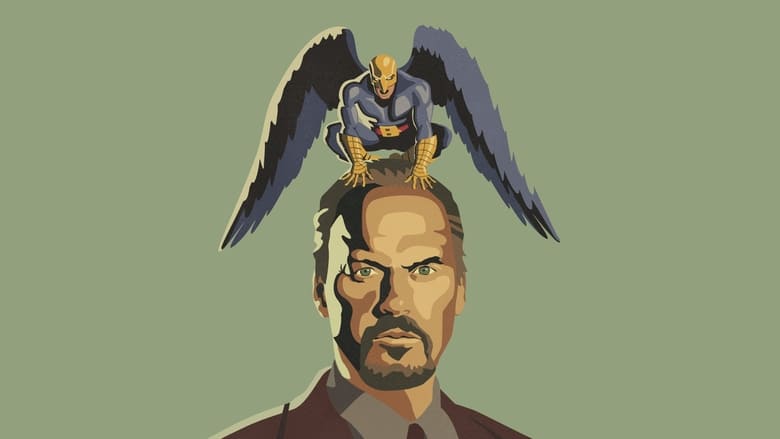
Birdman or (The Unexpected Virtue of Ignorance)
2014
-
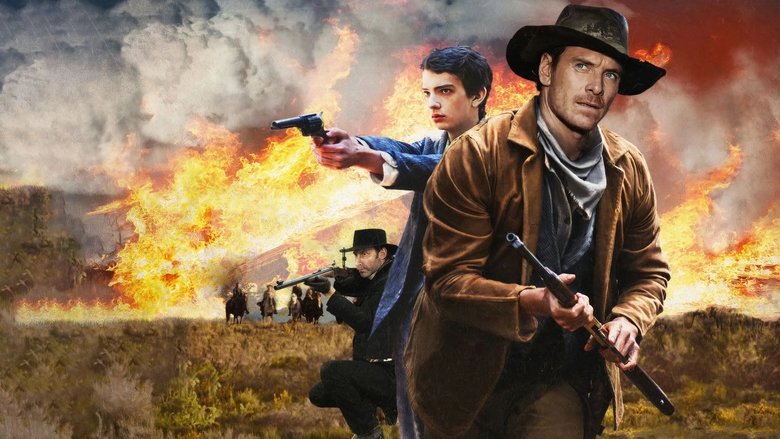
Slow West
2015
-
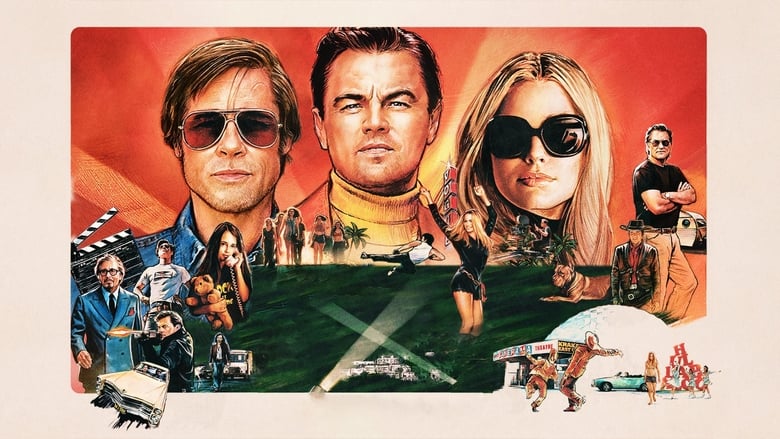
Once Upon a Time... in Hollywood
2019
-
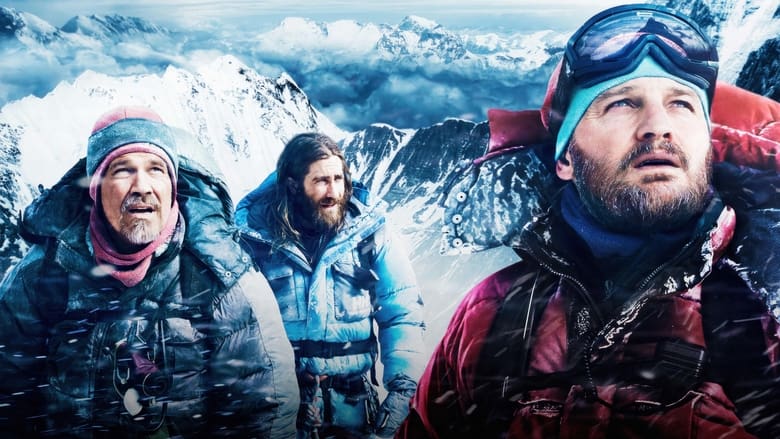
Everest
2015
-
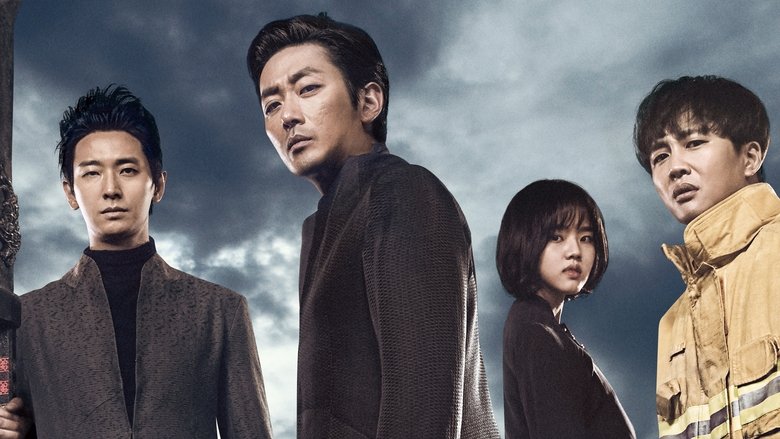
Along with the Gods: The Two Worlds
2017
-

In the Heart of the Sea
2015
-
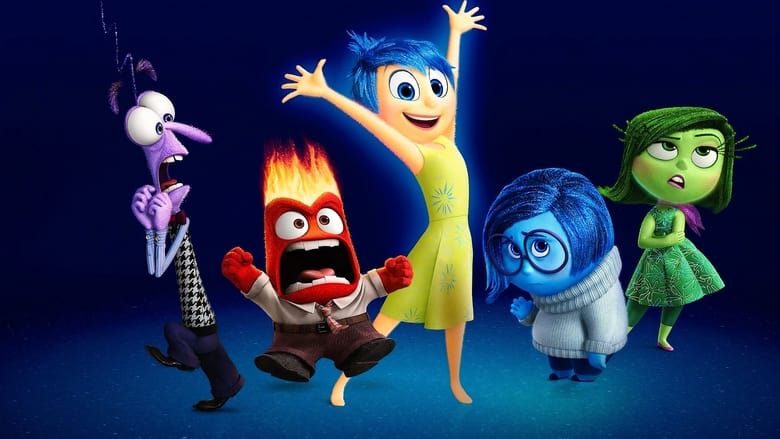
Inside Out
2015
-
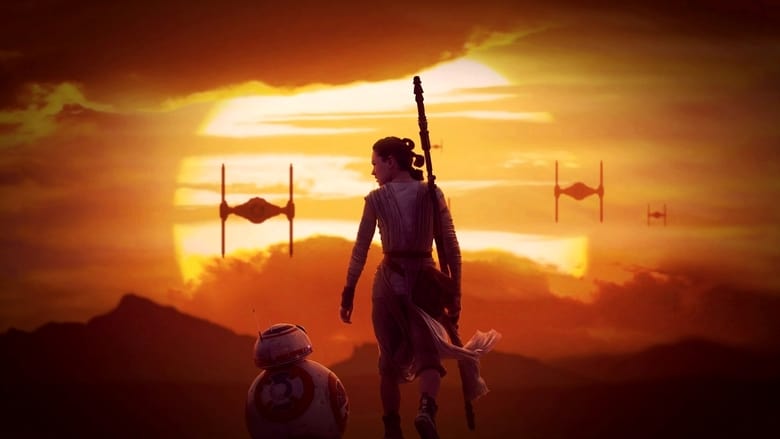
Star Wars: The Force Awakens
2015
-
Cars 3
2017
-
Dunkirk
2017
-

Okja
2017
-
Star Wars: The Last Jedi
2017
-
Maze Runner: The Death Cure
2018
-
The Lion King
2019
-
The Boy and the Heron
2023
-
Butch Cassidy and the Sundance Kid
1969