The Stanford Prison Experiment
"Power isn't given; it’s put on like a uniform."
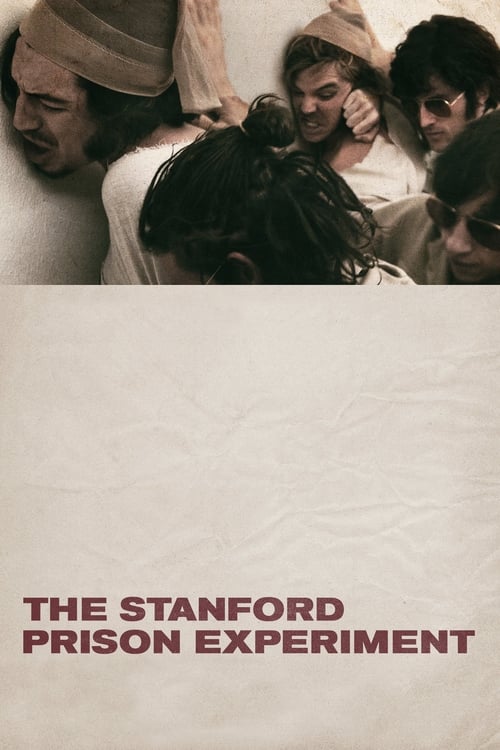
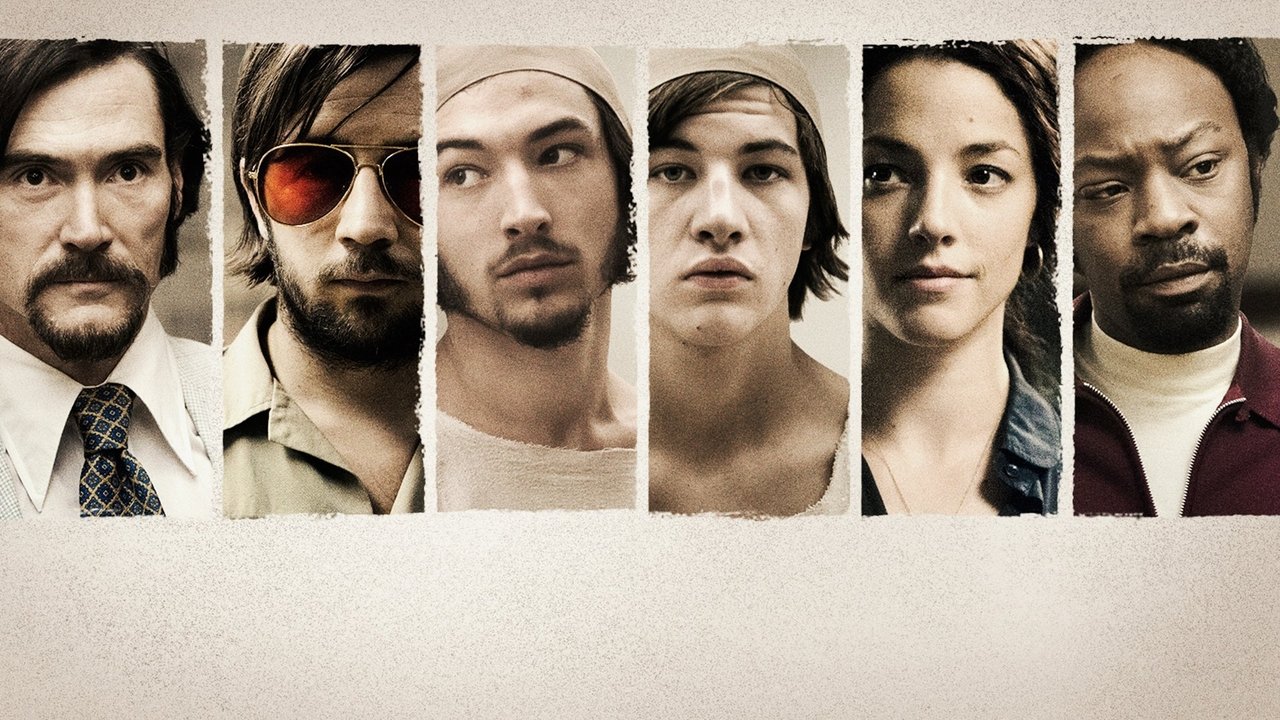
The first thing you notice in The Stanford Prison Experiment isn't the bars or the drab basement walls; it’s the facial hair. Specifically, the groomed, slightly sinister goatee belonging to Billy Crudup (who I’ve loved since Almost Famous). He plays Dr. Philip Zimbardo with a chilling, detached curiosity that makes you wonder if the real experiment wasn't on the students, but on the audience’s ability to watch a slow-motion car crash without blinking.

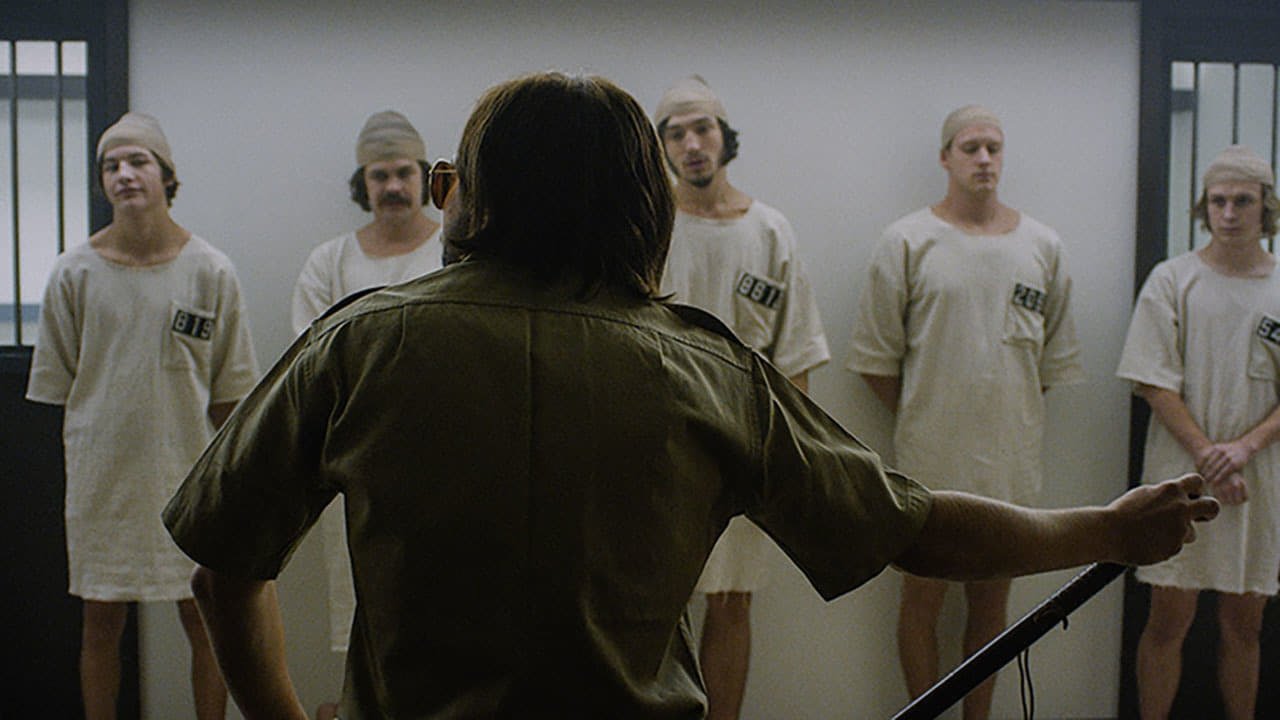
I watched this film on a rainy Tuesday while procrastinating on my taxes, nursing a cup of lukewarm chamomile tea that tasted vaguely like wet lawn clippings. There’s something about the claustrophobia of the film that paired perfectly with the feeling of being trapped by my own financial responsibilities. It’s an uncomfortable watch, but in the landscape of 2015’s mid-budget indies, it stands out as a gritty, uncompromising look at how quickly the "civilized" veneer of a college student can dissolve when you give them a pair of mirrored sunglasses and a baton.
The Architecture of a Meltdown
Director Kyle Patrick Alvarez, who previously gave us the much lighter C.O.G., creates a visual language of tight spaces and harsh fluorescent lighting. He doesn't let the camera wander. We are stuck in that hallway with the "prisoners," and the air feels just as thin for us as it does for them. The script by Tim Talbott moves with a clinical precision, documenting the day-by-day descent into madness that occurred in that Stanford basement in 1971.
What strikes me about this film now, nearly a decade after its release, is how it fits into our current skepticism of authority. In 2015, we were just beginning to see the massive shift in how social media can amplify or dissect institutional failures. If this experiment happened today, it would be live-streamed, debated on X (formerly Twitter), and shut down by a viral hashtag within forty-five minutes. But in the vacuum of 1971—and in the vacuum of this film—there is no outside world. There is only the power dynamic. The movie is basically a high-budget version of 'Lord of the Flies' for guys who take Intro to Psychology too seriously.
A Masterclass in Growing Menace
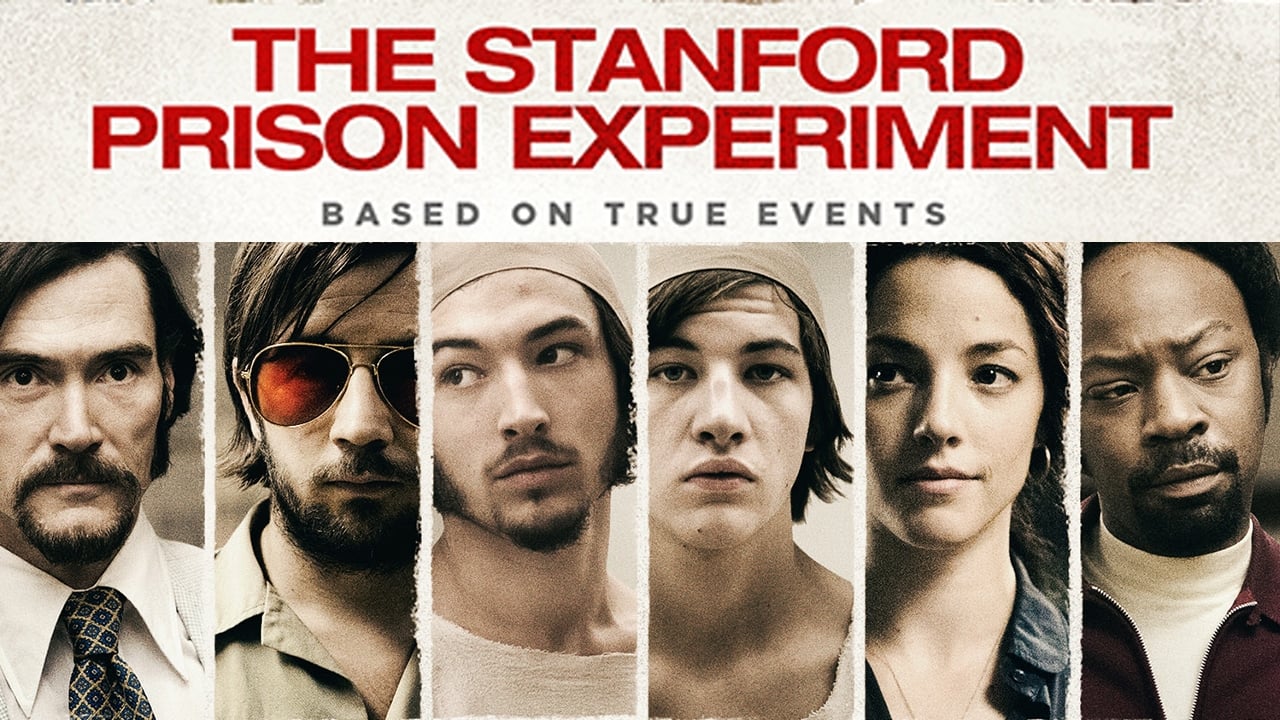
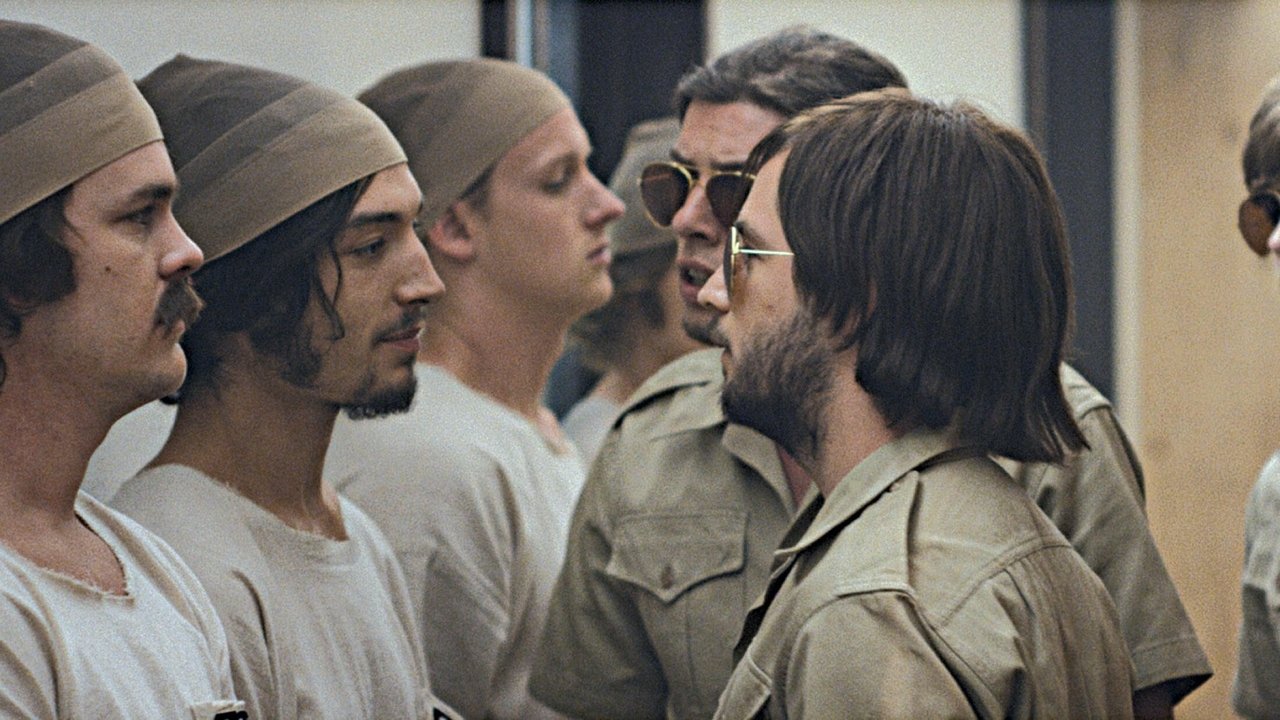
The performances are where this drama truly earns its keep. Michael Angarano is an absolute revelation as Christopher Archer, the guard who decides to adopt a "John Wayne" persona to see how far he can push the prisoners. It’s a terrifying transformation. He starts as a guy playing a part and ends as a monster who believes his own fiction. The guard’s fake Southern accent is a hate crime against acoustics, yet it’s exactly the kind of pathetic, borrowed authority that makes him so dangerous.
On the other side of the bars, Ezra Miller (long before their real-life headlines became a different kind of psychological thriller) and Tye Sheridan (of Ready Player One fame) provide the emotional heartbeat. Miller’s breakdown is erratic and loud, while Sheridan plays the quiet, simmering resentment of a person who realizes the "game" has stopped being fun. Seeing Olivia Thirlby as Dr. Christina Maslach is a relief; she’s the only character who seems to possess a functioning moral compass, and her late-stage arrival provides the necessary "What are you people doing?" moment that the audience is screaming at the screen.
Why This Film Stayed in the Basement
Despite a stellar cast and critical buzz, the film barely made a dent at the box office, grossing under $700,000. Why did it disappear? Part of it was the timing. 2015 was the year of Star Wars: The Force Awakens and the peak of the MCU's cultural dominance. A harrowing, grey-toned drama about psychological torture is a hard sell next to lightsabers. Additionally, it hit theaters just as the actual "science" behind Zimbardo’s experiment was being heavily scrutinized and partially debunked. Critics began pointing out that Zimbardo coached the guards, which the film depicts, but the "truth" of the experiment was shifting under the film’s feet.
However, I think that actually makes the film more relevant today. It isn't just a dramatization of a study; it's a study of the man who ran the study. Billy Crudup looks like he’s trying to win a ‘Most Suspicious Academic’ award, and watching his Zimbardo get sucked into his own god-complex is the real thriller here. It’s a film about the ego of the observer. In an era of reality TV and social experiments, The Stanford Prison Experiment serves as a grim reminder that when we watch people suffer for the sake of "insight," we’re usually just satisfying our own darker impulses.
Ultimately, this is a film that demands your attention but doesn't necessarily reward you with "fun." It’s an exercise in tension and a showcase for some of the best young actors of the mid-2010s. If you missed it during its blink-and-you-missed-it theatrical run, it’s well worth a stream on a night when you're feeling a bit too comfortable with the world. Just maybe skip the chamomile tea—you’ll need something stronger to get through the final twenty minutes.
Keep Exploring...
-
The Finest Hours
2016
-

Detroit
2017
-
Operation Finale
2018
-
Hotel Mumbai
2019
-
The Courier
2020
-
22 July
2018
-
An Officer and a Spy
2019
-
Official Secrets
2019
-

The Professor and the Madman
2019
-
Escape from Pretoria
2020
-

In the Heart of the Sea
2015
-
13 Hours: The Secret Soldiers of Benghazi
2016
-
Patriots Day
2016
-
Snowden
2016
-

Tetris
2023
-

Dark Places
2015
-
Batman vs. Robin
2015
-
Colonia
2015
-

Pawn Sacrifice
2015
-
The 33
2015