The Visit
"Don't leave your room after 9:30 PM."
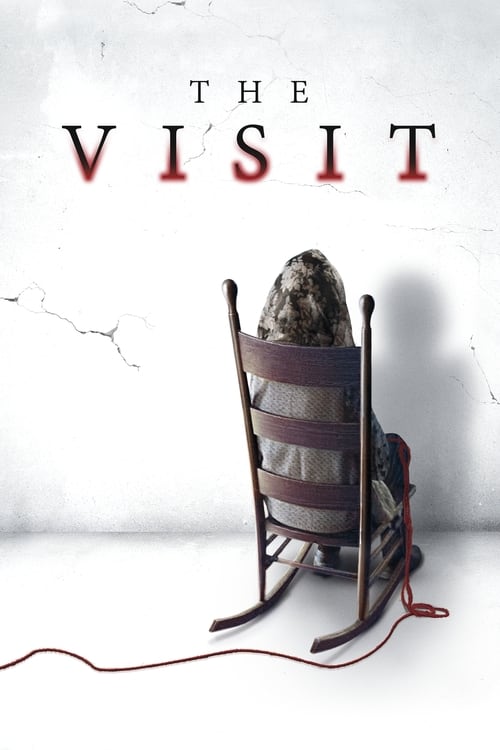
I remember the exact moment I realized M. Night Shyamalan might actually have his groove back. It wasn’t during some high-concept superhero reveal or a big-budget alien invasion; it was the sight of a grandmother in a floral nightgown frantically clawing at a hallway wall in the middle of the night. I watched this on my laptop while drinking a cup of chamomile tea that had gone tragically lukewarm, which felt strangely appropriate for a movie that weaponizes the perceived "coziness" of aging into something jagged and deeply uncomfortable.
Before The Visit dropped in 2015, being a fan of the guy who gave us The Sixth Sense was a bit like rooting for a sports team that hadn't won a game in a decade. We’d suffered through the CGI-cluttered wreckage of The Last Airbender and the weirdly wooden After Earth. Then, Shyamalan did something radical for the era of franchise bloat: he went small. He took $5 million of his own money—effectively betting on himself—and teamed up with Jason Blum’s Blumhouse Productions to make a found-footage movie about a couple of kids visiting their estranged grandparents.
The Return of the King (of Twists)
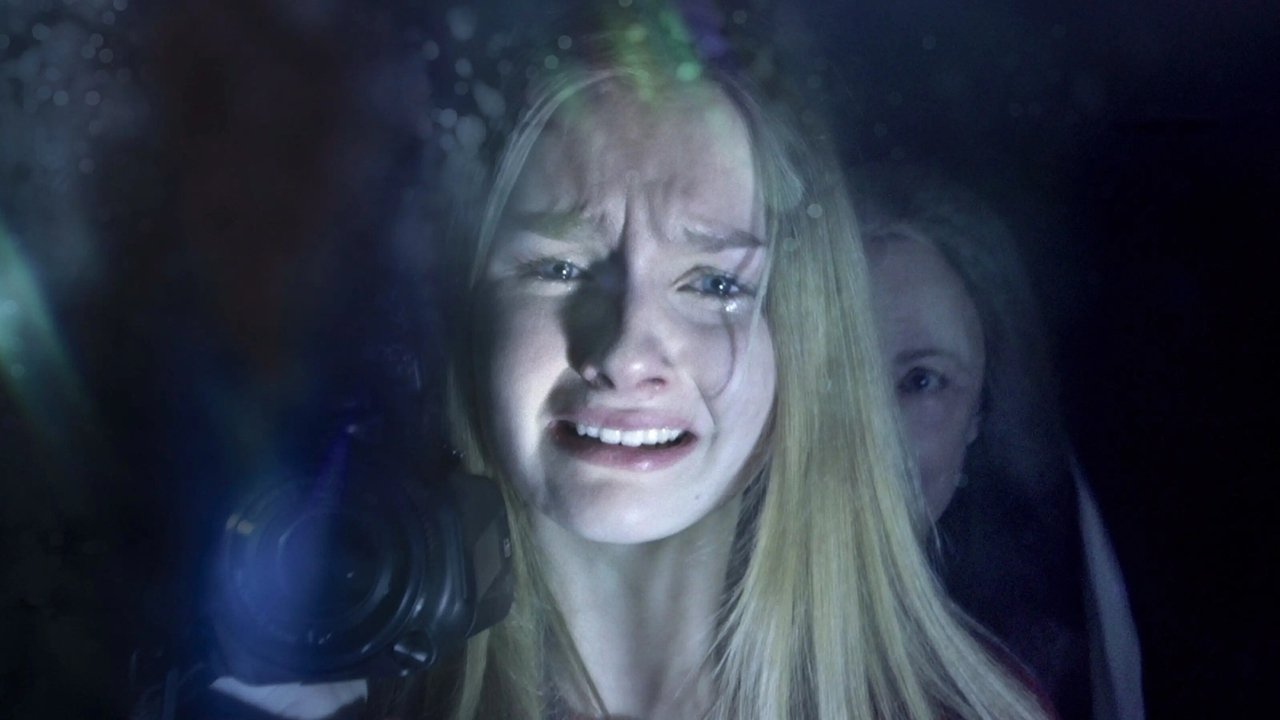
The setup is deceptively simple. Becca (Olivia DeJonge) and Tyler (Ed Oxenbould) are sent by their mother (Kathryn Hahn, who is as excellent here as she is in everything) to spend a week with Nana and Pop Pop in rural Pennsylvania. Becca is an aspiring filmmaker, which provides the diegetic excuse for the "found footage" style. Unlike the shaky-cam mess of many Paranormal Activity clones, the cinematography here—handled by Maryse Alberti, who shot The Wrestler—actually feels intentional. Becca wants her "documentary" to be cinematic, so the framing is cleaner and more deliberate than your average amateur hour.
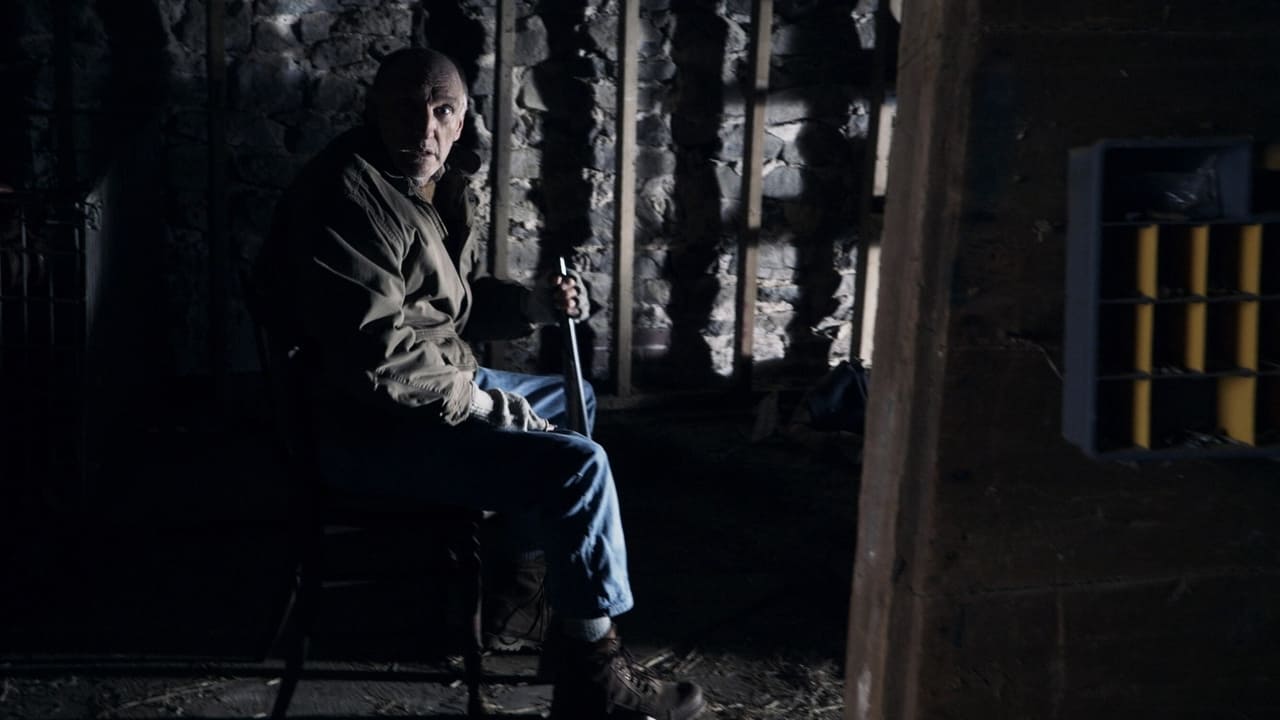
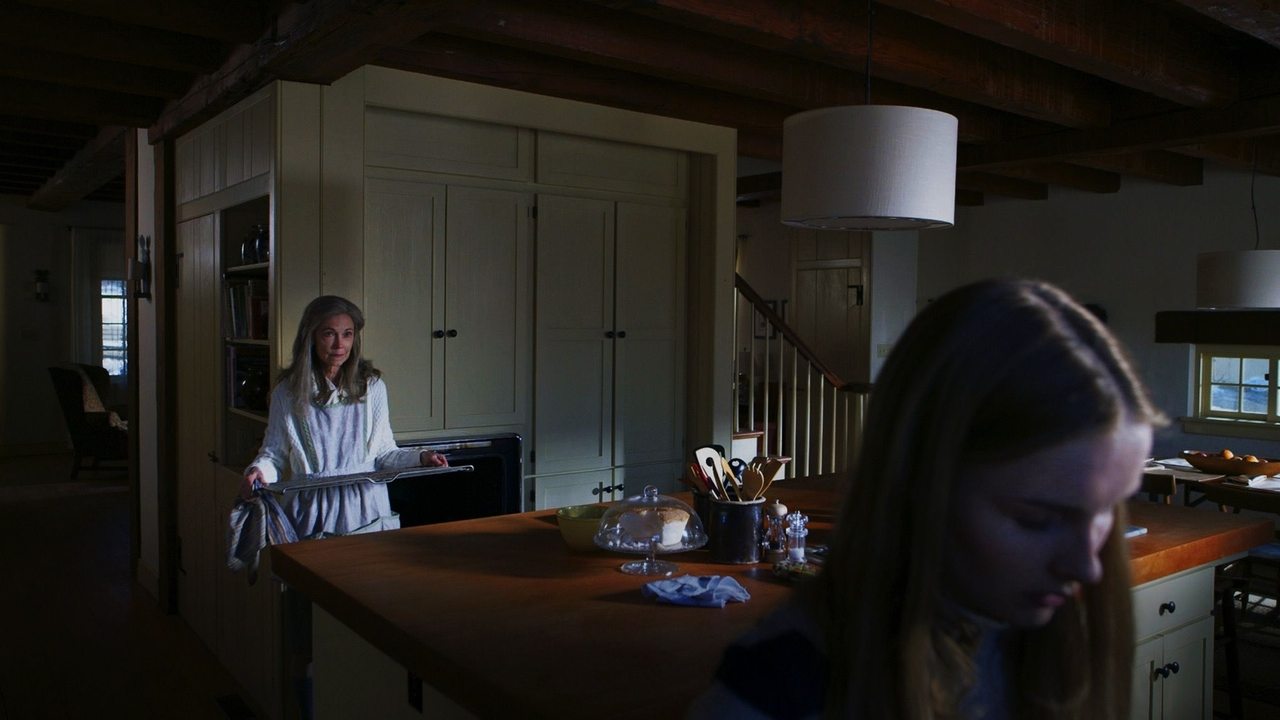
The horror isn’t immediate. It’s a slow, curdling realization that Nana (Deanna Dunagan) and Pop Pop (Peter McRobbie) aren't just "quirky" seniors. Nana’s "sundowning"—a real-life condition where dementia symptoms worsen at night—is played for maximum dread. Deanna Dunagan, a Tony-winning stage actress who apparently had never even seen a horror movie before filming this, gives a performance that is genuinely unhinged. When she asks Becca to climb inside the oven to clean it, the Hansel and Gretel vibes aren't just subtext; they’re a neon sign flashing "Run."
The Horror of the Mundane
What I appreciate most about The Visit is how it balances genuine scares with a very specific, cringe-inducing humor. Tyler, the younger brother, is a germaphobic "freestyle rapper" who goes by the name T-Diamond Stylus (or "The Polar Bear"). Ed Oxenbould plays this with such earnestness that it’s simultaneously hilarious and physically painful to watch. I’ll go on record saying the freestyle rapping is the scariest part of the movie, mostly because I felt the secondhand embarrassment in my marrow.
Interestingly, Shyamalan reportedly edited three different cuts of the film because he couldn't find the right tone. One cut was pure horror, one was pure comedy, and the third was the "middle ground" we eventually got. It was a smart move. In the post-2010 landscape, audiences were starting to get tired of the self-serious "elevated horror" or the lazy jump-scare factories. The Visit feels like a weird, mean-spirited campfire story. It’s got that "midnight movie" energy where you aren't sure if you should be screaming or laughing at the sight of a dirty adult diaper being shoved into a teenager's face.
A Masterclass in Budgetary Restraint
In an era where every horror movie seems to need a "cinematic universe" or a legacy sequel hook, The Visit feels refreshingly self-contained. It’s a reminder that you don’t need $100 million to scare people; you just need a creepy basement, a well-timed "Yahtzee!" shout, and the innate human fear that the people who are supposed to care for us might be total strangers.
Turns out, the low budget was the secret sauce. Because Shyamalan self-funded it, he had total creative control, but the constraints forced him to focus on character and atmosphere rather than big-budget spectacles. Even the "twist"—because of course there is a twist—works because it’s grounded in a terrifyingly plausible reality rather than the supernatural. It’s the kind of reveal that makes you want to immediately rewatch the first act to see all the breadcrumbs you missed while you were busy cringing at Tyler’s rap verses.
The film grossed nearly $100 million on that $5 million budget, effectively resurrecting Shyamalan's career and paving the way for Split and Glass. It’s a cult favorite now because it captures a specific 2015 moment: the pivot away from "misery porn" horror toward something more playful, experimental, and—honestly—just plain weird.
This isn't a "perfect" movie by any stretch. If you can’t stand the found-footage aesthetic or if Tyler’s "acting" for the camera grates on your nerves, you might find the 94-minute runtime a bit of a slog. But if you’re looking for a film that treats aging as a source of Lovecraftian terror and features a climax involving a very intense game of board games, this is a gem. It’s proof that sometimes, to move forward, a director needs to go back to the farm and get a little weird.
Keep Exploring...
-
Old
2021
-
Knock at the Cabin
2023
-

Trap
2024
-
Split
2017
-
Glass
2019
-

Green Room
2016
-
Pride and Prejudice and Zombies
2016
-
The Boy
2016
-

Underworld: Blood Wars
2016
-

47 Meters Down
2017
-
Bird Box
2018
-
Hereditary
2018
-
The Cloverfield Paradox
2018
-
Child's Play
2019
-

Countdown
2019
-
Crawl
2019
-

Ma
2019
-
The Hunt
2020
-
The Neon Demon
2016
-
Alien: Covenant
2017