The Wave
"Nature doesn't care if you're ready."
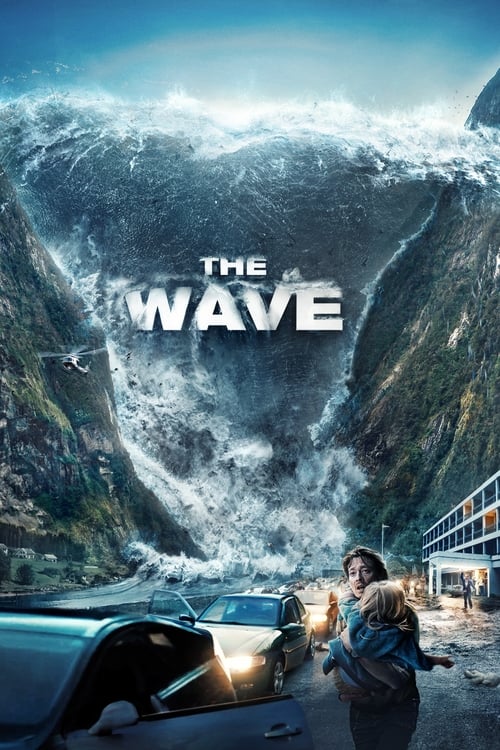
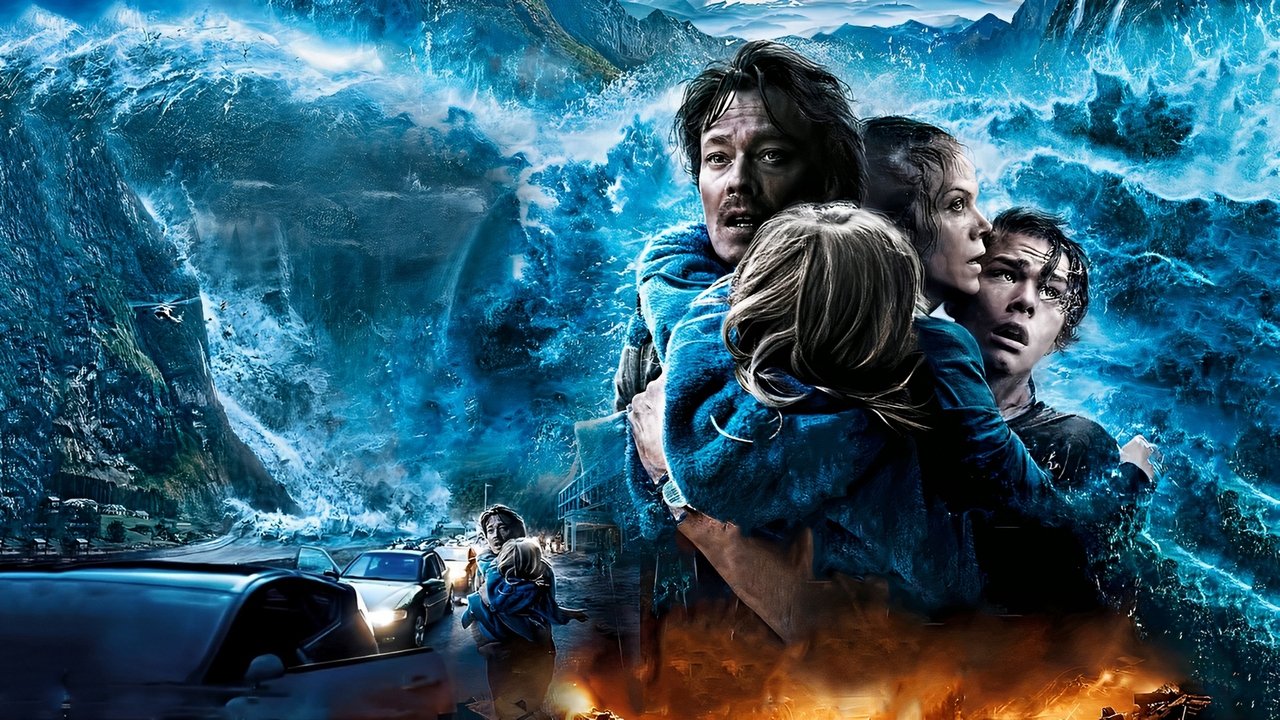
There is a specific, bone-deep sound a mountain makes when it is tired of being a mountain. It’s a low-frequency groan that you feel in your molars before you hear it with your ears. In Roar Uthaug’s 2015 disaster film The Wave (Bølgen), that sound is the herald of a nightmare that is statistically guaranteed to happen in real life. While Hollywood was busy inflating the scale of destruction to planet-cracking proportions with the likes of San Andreas, Norway decided to show us that all you really need to terrify an audience is one mountain, one narrow fjord, and a ten-minute timer.
I watched this film on my laptop while a very loud dehumidifier hummed in the corner of my basement, and the rhythmic thumping of the machine weirdly synced up with the seismic monitors on screen, ratcheting my anxiety up to unsustainable levels.
The Slow-Burn Dread of the Fjord
Geiranger is one of the most beautiful places on Earth—a postcard-perfect Norwegian tourist trap nestled at the end of a narrow waterway. But as the film’s protagonist, Kristian (Kristoffer Joner), points out, it’s also a geographic deathtrap. Kristian is a geologist about to move his family to the city for a lucrative oil job. He’s the classic "expert who knows too much," a trope as old as cinema itself, but Kristoffer Joner (who you might recognize from The Revenant or Mission: Impossible – Fallout) plays him with such twitchy, sleep-deprived sincerity that he never feels like a caricature.
The first hour is a masterclass in tension. Writers Harald Rosenløw-Eeg and John Kåre Raake don’t rush to the carnage. Instead, they let us sit with the Eikjord family—Kristian’s wife Idun (Ane Dahl Torp), their teenage son Sondre (Jonas Hoff Oftebro), and young daughter Julia (Edith Haagenrud-Sande). We see the mundane friction of a family moving house, which makes the impending geological divorce between the mountain and the Earth feel personal. When the sensors in the mountain crevice finally flatline, the shift from "scenic drama" to "survival horror" happens with the speed of a falling rock.
Ten Minutes to Live
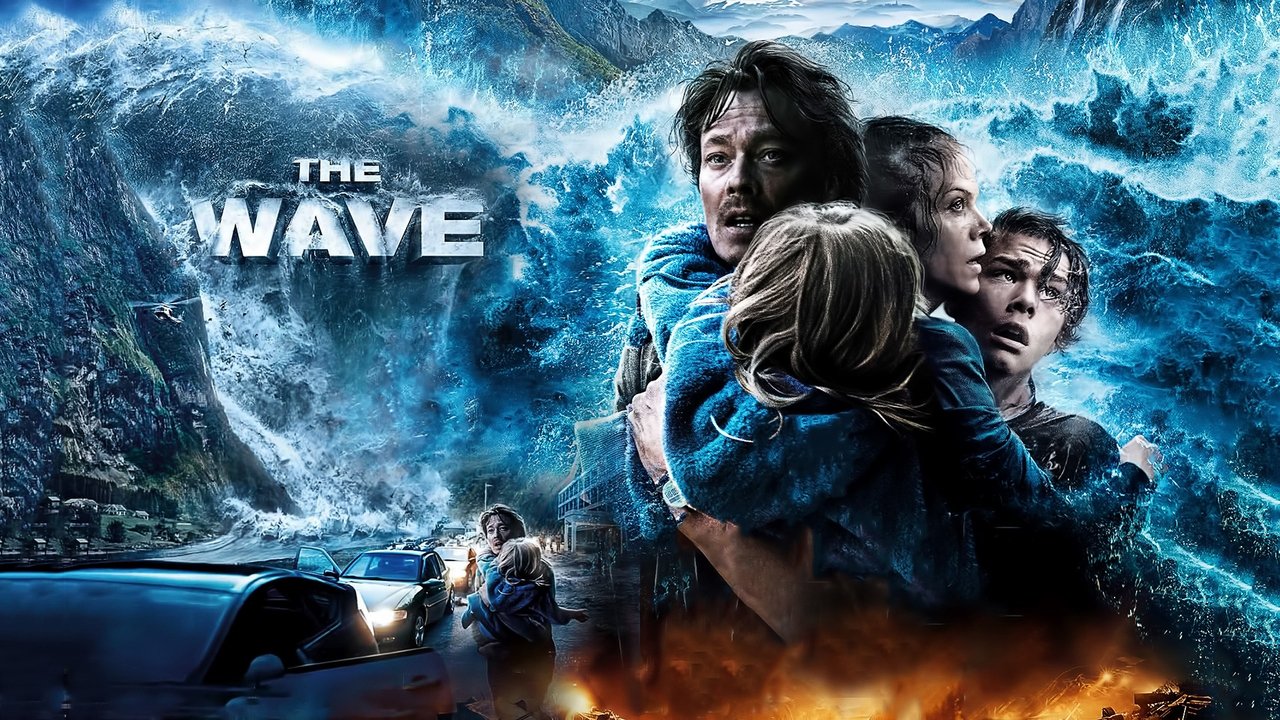
When the mountain pass finally collapses, it creates a displacement wave nearly 300 feet high. Because of the fjord’s narrow shape, the water has nowhere to go but up and forward. The town of Geiranger has exactly ten minutes to reach an elevation of 80 meters before the wave hits.
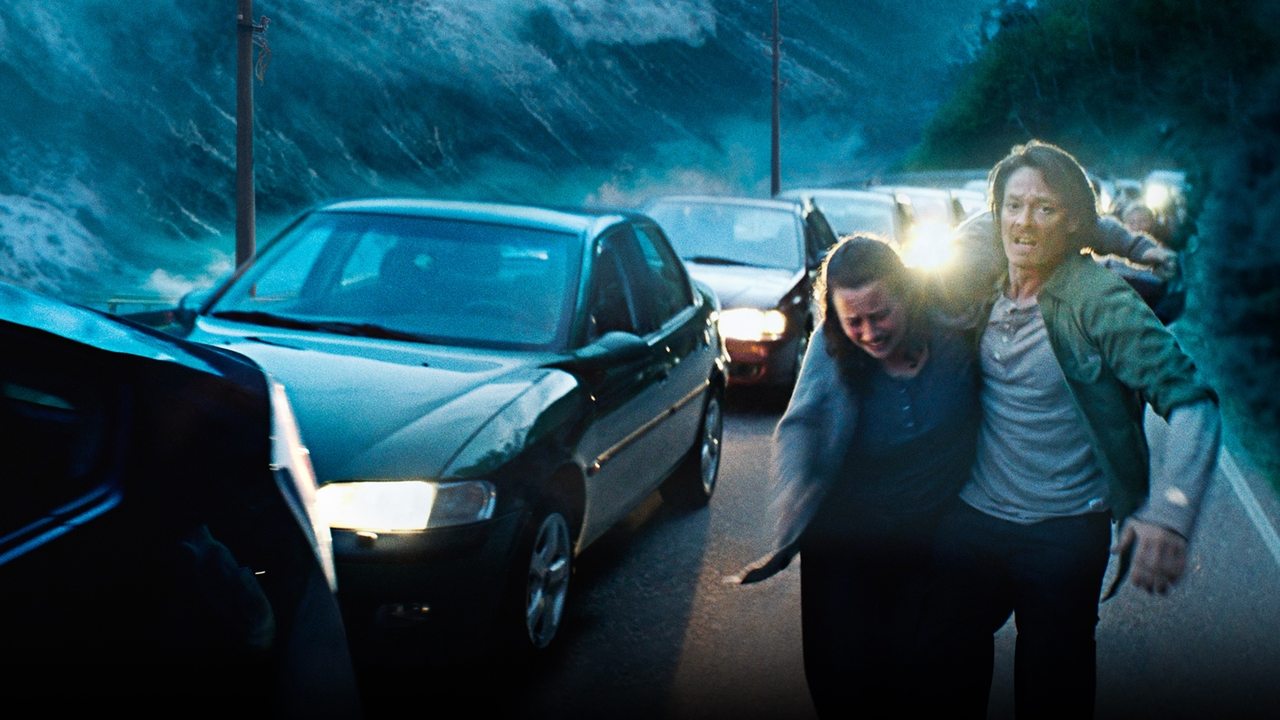
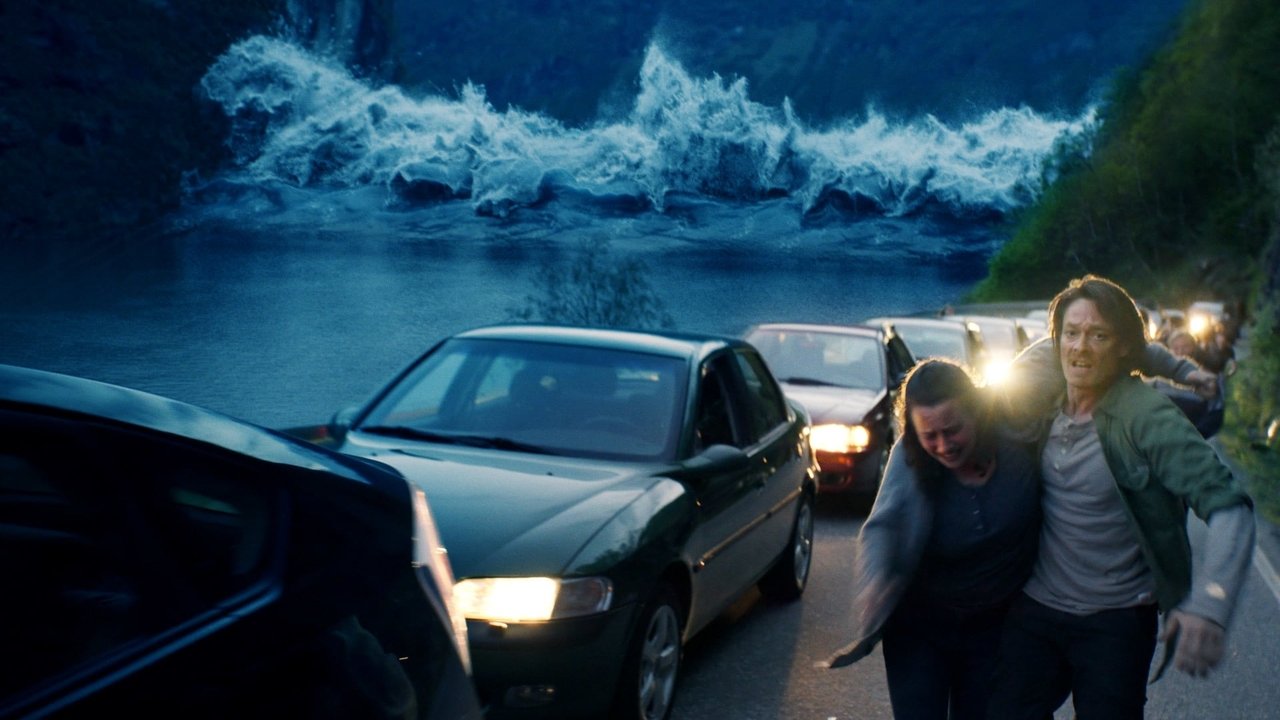
This is where Roar Uthaug’s direction shines. By narrowing the focus to a literal ticking clock, the action becomes agonizingly clear. There is no "shaky-cam" chaos for the sake of hiding a bad budget; the cinematography by John Christian Rosenlund captures the sheer scale of the wall of water as a silent, unstoppable god. The sequence where Kristian is stuck in a traffic jam on the only road up the mountain is the most effective argument for public transit I’ve ever seen, as panicked neighbors abandon their cars to scramble up the scree slopes.
The film manages to feel massive despite a budget of roughly $6 million—pockets change for a Marvel production. It’s a testament to the "Contemporary Cinema" era's technological democratization; CGI that would have looked like a PlayStation 2 cutscene a decade prior is now seamless enough to let a Norwegian indie studio drown a village with total conviction.
Practical Stakes and Cold Water
While the wave itself is a digital marvel, the aftermath is where the film gets its hands dirty. The second half shifts into a claustrophobic rescue mission inside a flooded hotel. Ane Dahl Torp is fantastic here; she isn't a damsel waiting for a geologist to save her. She’s a mother making impossible, brutal choices in a rising tide.
Apparently, the production was grueling. The cast spent countless hours in actual water tanks, and Kristoffer Joner reportedly had to undergo breath-holding training to film the climactic underwater sequences. You can see the genuine exhaustion on their faces. It reminds me of the grit found in 1970s disaster cinema, but updated with a modern sensibility regarding pacing and physics. It’s also refreshing to see a disaster movie where the "hero" isn't a former special forces operator with a hidden Glock; he’s just a guy who understands rock formations and is very, very scared.
The Wave eventually spawned a sequel, The Quake (2018), which moved the destruction to Oslo, but there is something uniquely haunting about this first entry. It taps into a very contemporary "climate anxiety"—the realization that our beautiful landscapes are indifferent to our survival. It’s a film that has largely been overlooked by North American audiences because it’s subtitled, but it’s easily one of the best action-thrillers of the last decade.
If you’re tired of city-leveling threats that feel like weightless pixels, The Wave is the antidote. It’s a lean, mean, 105-minute reminder that nature is the ultimate antagonist. It treats its characters like human beings rather than fodder, making every minute of that ten-minute countdown feel like an eternity. Just maybe turn off your dehumidifier before you hit play.

Keep Exploring...
-
Heist
2015
-
Blood Father
2016
-
Braven
2018
-

Black and Blue
2019
-
Hotel Mumbai
2019
-
Riders of Justice
2020
-
Batman vs. Robin
2015
-

Boyka: Undisputed IV
2016
-
The Finest Hours
2016
-
Extinction
2018
-
Lost Bullet
2020
-
The Marksman
2021
-
The Vault
2021
-

Troll
2022
-
Patriots Day
2016
-
Havoc
2025
-
22 July
2018
-

In the Heart of the Sea
2015
-
San Andreas
2015
-
13 Hours: The Secret Soldiers of Benghazi
2016