Tomorrowland
"The future isn't what it used to be."
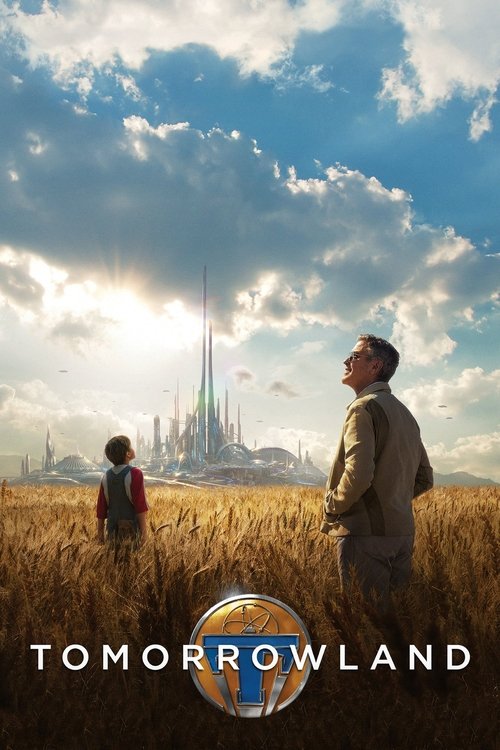
Walking into a theater to see a movie based on a theme park land usually suggests a cynical cash-grab, but what Brad Bird delivered in 2015 was something far weirder: a high-octane, big-budget sermon about the death of human optimism. Most blockbusters from the mid-2010s were busy drowning in gritty reboots or "dark and edgy" origins, but Tomorrowland arrived like a neon-blue thumb in the eye of the apocalypse. I distinctly liked it more while wearing a pair of socks with a hole in the big toe; the slight draft on my foot made me sympathize with George Clooney's character living as a grumpy hermit in a house full of booby traps.
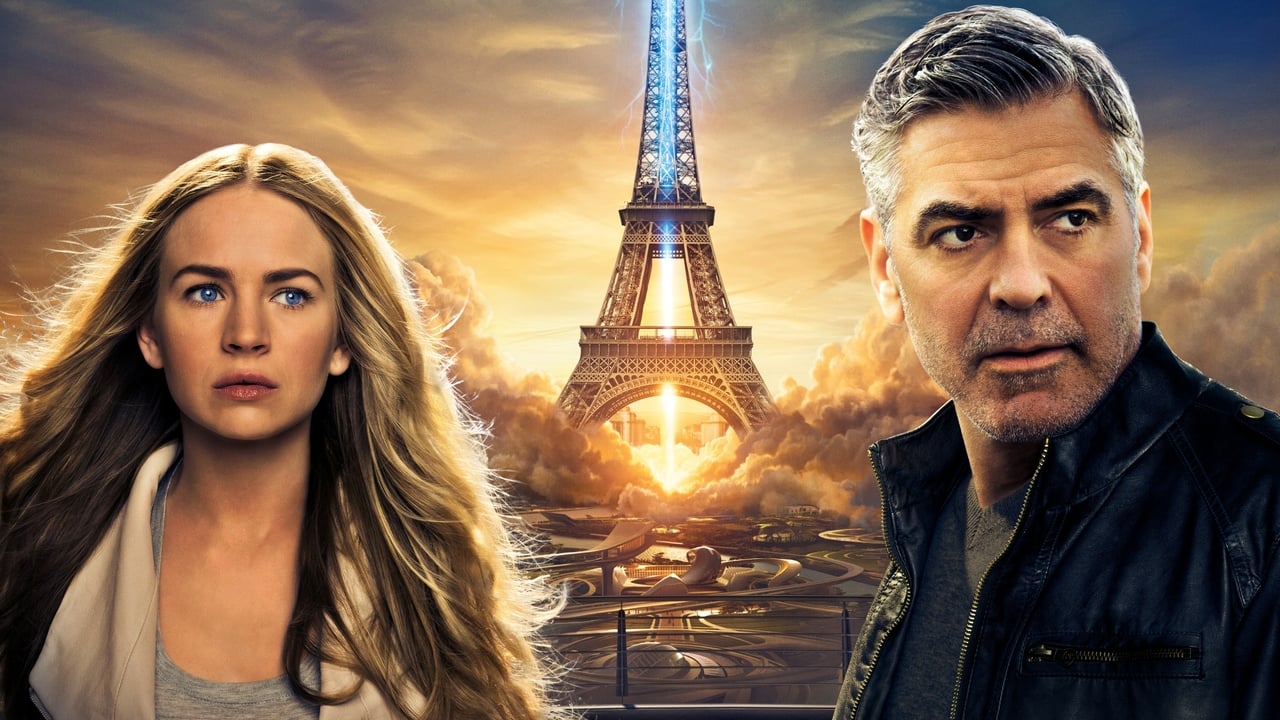
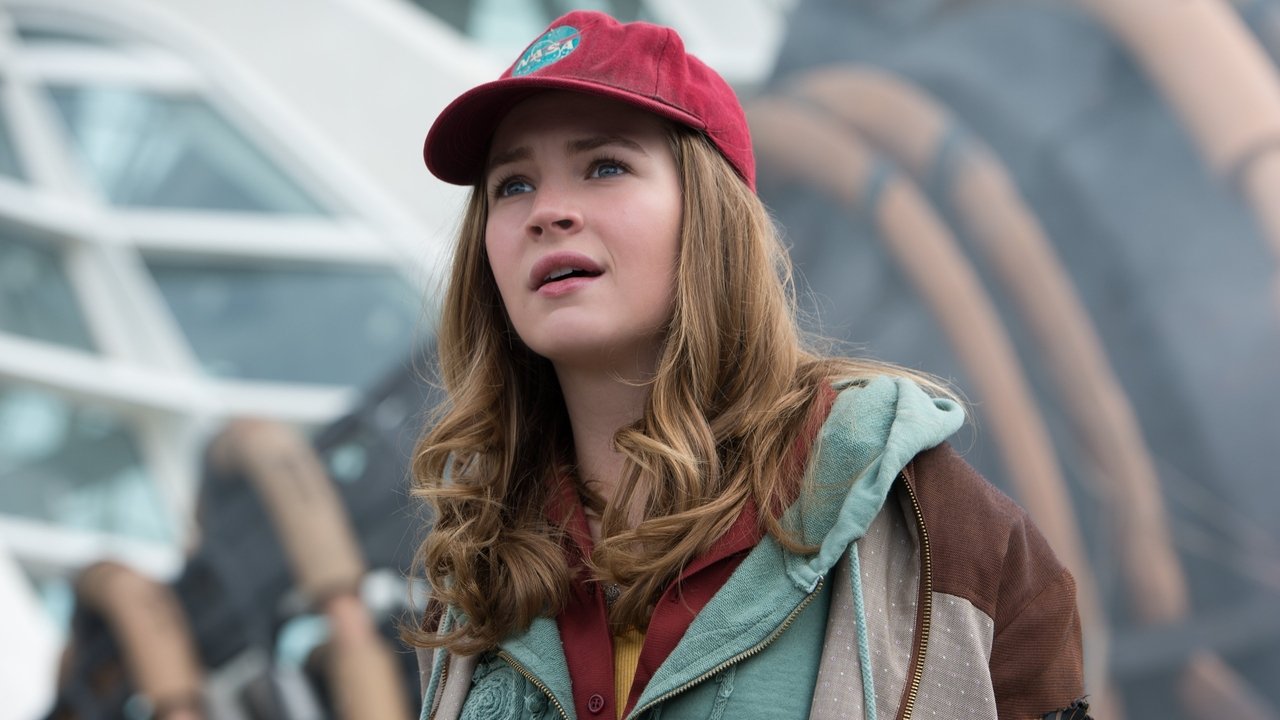
The movie follows Casey Newton (Britt Robertson), a teenager so aggressively optimistic she’s practically a human sparkler. She finds a mysterious pin that, when touched, transports her to a gleaming, Art Deco-inspired utopia. Eventually, she teams up with a disillusioned former boy-genius, Frank Walker (George Clooney), and a robotic recruiter named Athena (Raffey Cassidy) to save the world from a literal countdown to the end of everything.
A High-Budget Identity Crisis
The problem with Tomorrowland—and the reason it’s become such a fascinating "cult" curiosity today—is that it doesn’t quite know who it’s for. On one hand, you have Brad Bird (the genius behind The Incredibles and Mission: Impossible – Ghost Protocol) directing incredible, imaginative set-pieces. On the other, you have a screenplay co-written by Damon Lindelof (Lost, The Leftovers) that gets bogged down in "mystery box" mechanics and a third-act lecture that feels like being scolded by a very expensive hologram.
I’ve always felt the film’s first hour is near-perfect. When Casey first touches that pin and moves through the wheat field into a city of jetpacks and multi-layered swimming pools, it’s pure cinematic magic. The visual effects aren't just there to show off; they’re there to make you feel that "What if?" wonder that science fiction used to prioritize. Apparently, the production design for the city was heavily influenced by the work of Santiago Calatrava, and you can see that sleek, skeletal elegance in every frame. Claudio Miranda’s cinematography makes the whole thing glow with a hopeful, golden-hour warmth that you just don't see in the "gray-sludge" color grading of most modern superhero movies.
The Grumpy George and the Robot Girl
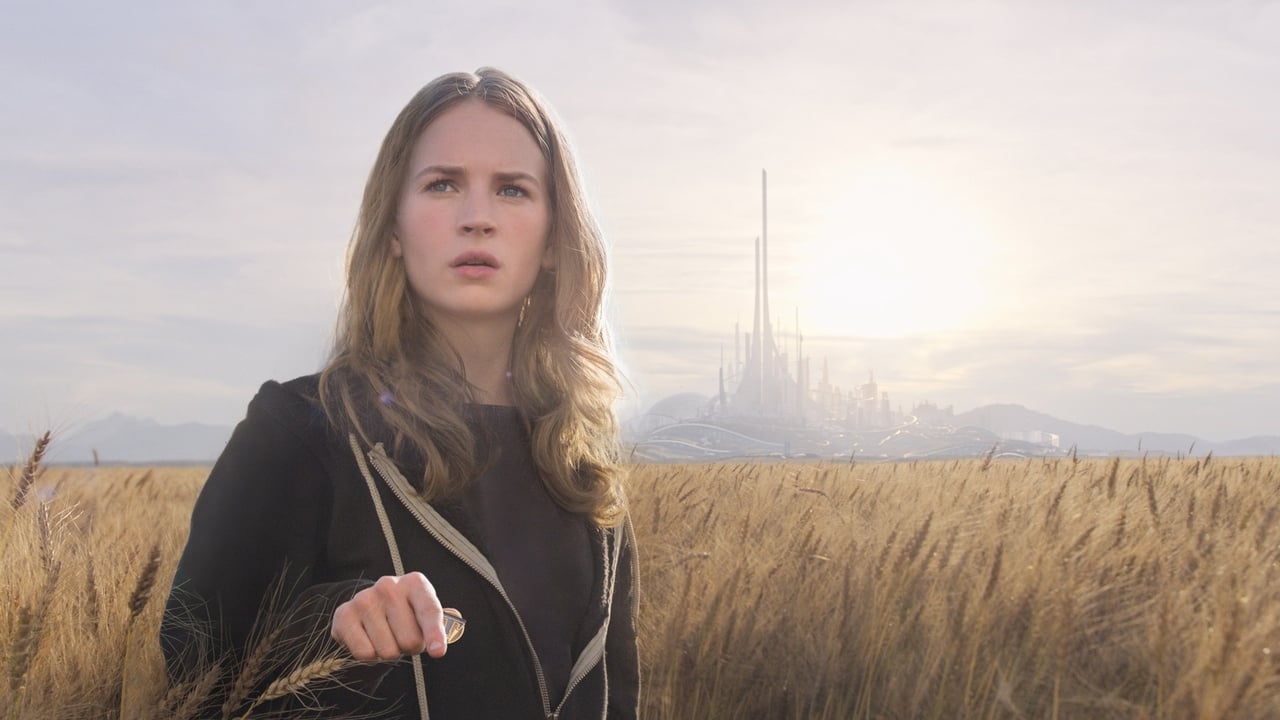
George Clooney is essentially playing the "Get Off My Lawn" version of himself, and it works. He brings a much-needed weight to a story that could have floated away on its own whimsy. However, the real heart of the film is Raffey Cassidy as Athena. She has to play a "Recruiter" droid who is simultaneously a child and a century-old observer of human failure. Raffey Cassidy actually trained in martial arts and gymnastics for the role, which pays off in a fantastic fight scene at a sci-fi memorabilia shop. That shop scene is a nerd’s fever dream, featuring everything from Star Wars figures to Iron Giant references (a nod to Brad Bird's animated masterpiece).
Despite the charm, the film is basically a $190 million TED Talk about why we should stop being so depressed. The villain, David Nix, played with sneering elegance by Hugh Laurie, doesn't even have a traditional evil plan. He’s just a bureaucrat who’s given up on us. It’s a bold choice for a Disney movie to suggest that the end of the world is being caused by our own collective "doom-scrolling" (though we didn't call it that back in 2015).
Why It’s a Cult Specimen Now
The film bombed. Hard. It lost Disney a staggering amount of money, yet it has survived in the hearts of a specific subset of fans who are tired of cinematic nihilism. It has that "Original IP" energy that we’re starving for in an era of endless sequels. Fans obsess over the "1952" box—a real-life marketing stunt where Disney claimed to have found a box of archival materials that inspired the film. While the box was a clever bit of "alternate reality" marketing, the film struggled to find an audience because it was too mature for toddlers and too earnest for cynical teens.
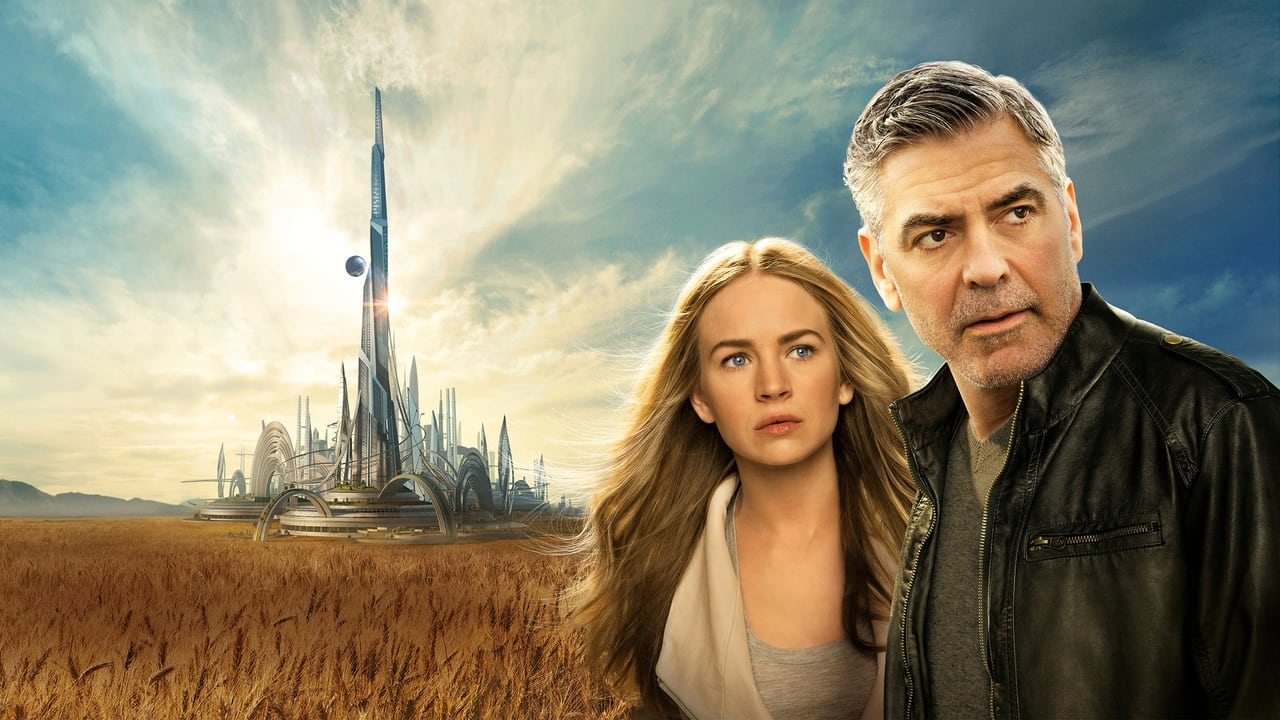
Interestingly, the movie used the code name "A113" for its production company, a famous Easter egg for CalArts alumni like Brad Bird. There’s also a blink-and-you’ll-miss-it appearance by Tim McGraw as Casey’s dad, which feels like a strange casting choice until you realize he’s there to anchor the "NASA-is-dying" subplot. The film captures a very specific 2015 anxiety about the loss of the Space Age dream, and watching it now, that message feels even more relevant. It’s the cinematic equivalent of an old World’s Fair postcard found in a gutter.
In a world of safe bets, Tomorrowland is a glorious, messy, over-ambitious swing for the fences. It fails at the finish line, devolving into a lot of talking in a giant monitor room, but the journey there is filled with more imagination than ten average blockbusters combined. If you can stomach the preachy ending, the visuals and the sense of adventure make it well worth a revisit on a rainy Sunday afternoon.

Keep Exploring...
-
Teenage Mutant Ninja Turtles: Out of the Shadows
2016
-
Incredibles 2
2018
-
Space Jam: A New Legacy
2021
-
Lightyear
2022
-
Ice Age: Collision Course
2016
-
Storks
2016
-

Chip 'n Dale: Rescue Rangers
2022
-

Hotel Transylvania: Transformania
2022
-
Allegiant
2016
-
A-X-L
2018
-
Scooby-Doo! Return to Zombie Island
2019
-
Home
2015
-
Terminator Genisys
2015
-
The Good Dinosaur
2015
-
Alice Through the Looking Glass
2016
-
Miss Peregrine's Home for Peculiar Children
2016
-
Pete's Dragon
2016
-
Star Trek Beyond
2016
-

The BFG
2016
-

Trolls
2016