Tracers
"High-stakes urban flight on a low-budget hustle."
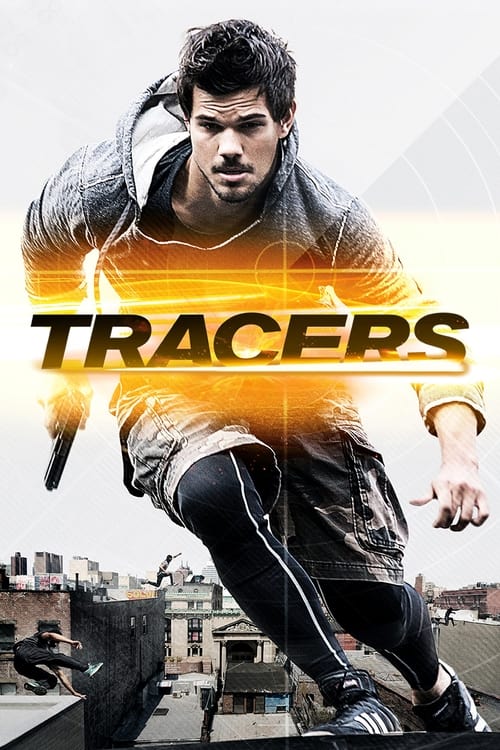
I actually watched this on a humid Tuesday while my upstairs neighbor was apparently auditioning for a heavy metal band—the constant, rhythmic thumping on my ceiling provided a weirdly appropriate 4D surround sound experience for the parkour beats. It’s fitting, really, because Tracers is a movie built entirely on the percussion of sneakers hitting concrete.
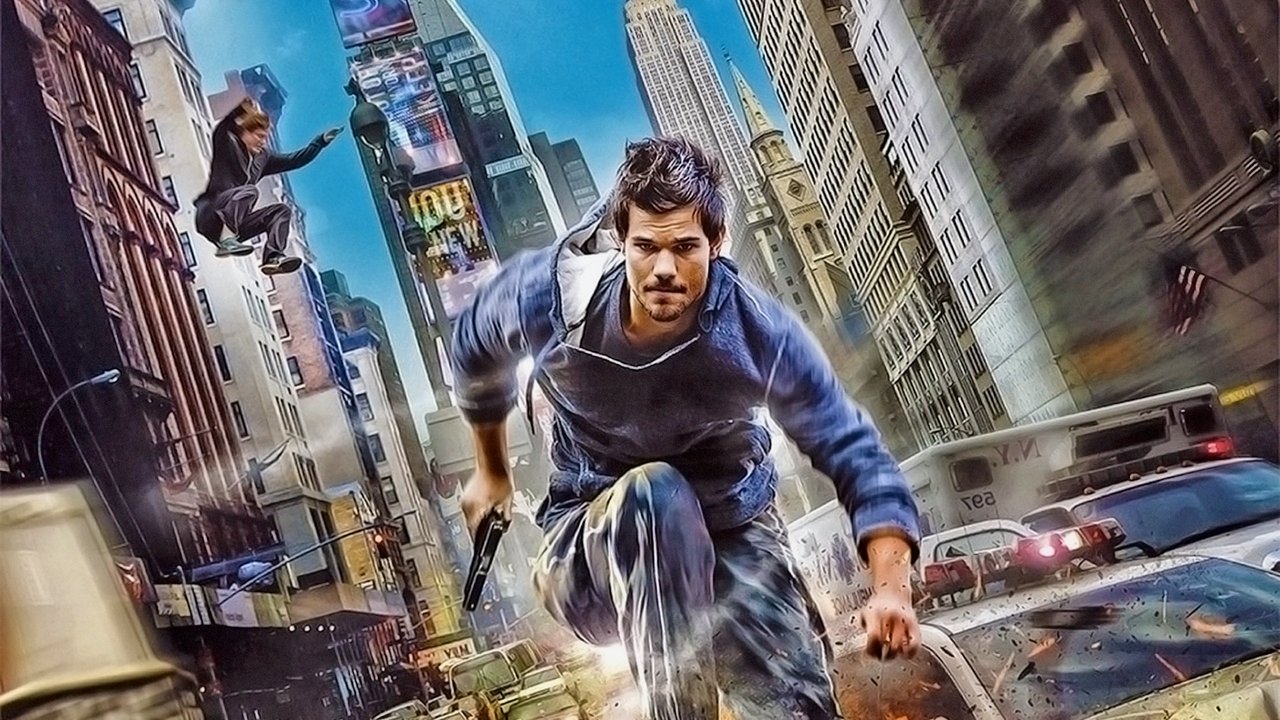
By 2015, the "Parkour Movie" felt like a trend that had already peaked and started its descent. We’d already had the French brilliance of District B13 (2004) and the high-gloss Hollywood version in the opening of Casino Royale (2006). So, when Taylor Lautner—then fresh off the Twilight (2008) phenomenon and the somewhat disastrous Abduction (2011)—signed on to play a bike messenger who leaps across New York City rooftops, the collective industry shrug was audible. But looking at it now, through the lens of our current era of over-sanitized, green-screen-heavy blockbusters, there is something refreshingly scrappy about this forgotten oddity.
The Physics of the Hustle
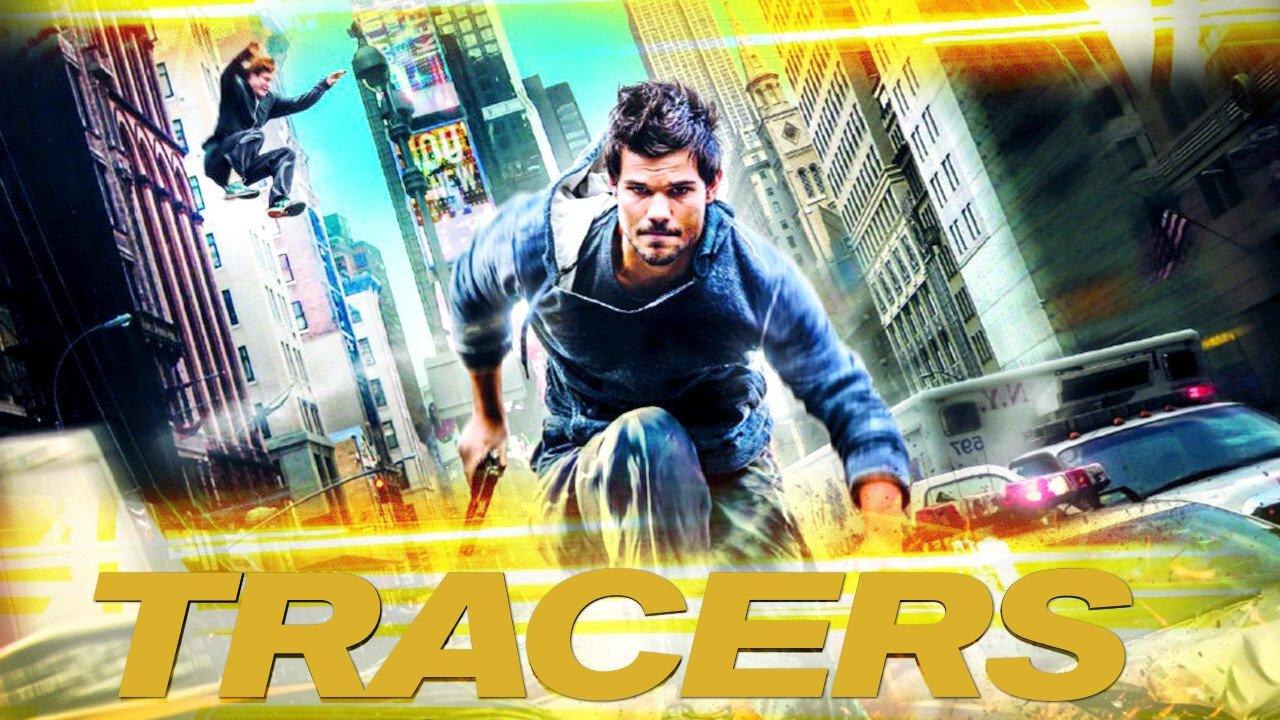
The plot is a classic noir setup dressed in hoodies and cargo pants. Cam (Taylor Lautner) is a bike messenger drowning in debt to a Chinese Triad. He’s a good kid with a fast bike and a dead-end life until he literally crashes into Nikki (Marie Avgeropoulos, who many will recognize from the post-apocalyptic series The 100). Nikki belongs to a "crew" of parkour practitioners led by the charismatic and vaguely sinister Miller (Adam Rayner).
The "crew" doesn't just do flips for YouTube views; they use their skills for high-stakes heists. It’s Point Break (1991) but with more shin splints and fewer surfboards. I’ll be honest: the dialogue is often as thin as a piece of deli-sliced ham, and the romance between Cam and Nikki develops with the predictable speed of a gravity-assisted fall. But where director Daniel Benmayor (Xtreme) succeeds is in the kinetic reality of the movement.
Unlike the Marvel entries of the same year—think Avengers: Age of Ultron—Tracers relies heavily on the physical presence of its actors and stunt team. Lautner clearly put in the work, performing a surprising amount of his own stunt choreography. He has an athletic grace that the Twilight films never really let him showcase outside of standing around shirtless. In Tracers, he’s sweaty, dirty, and constantly in motion, and I found myself respecting the sheer caloric burn of the performance.
Practical Gravity in a Digital World
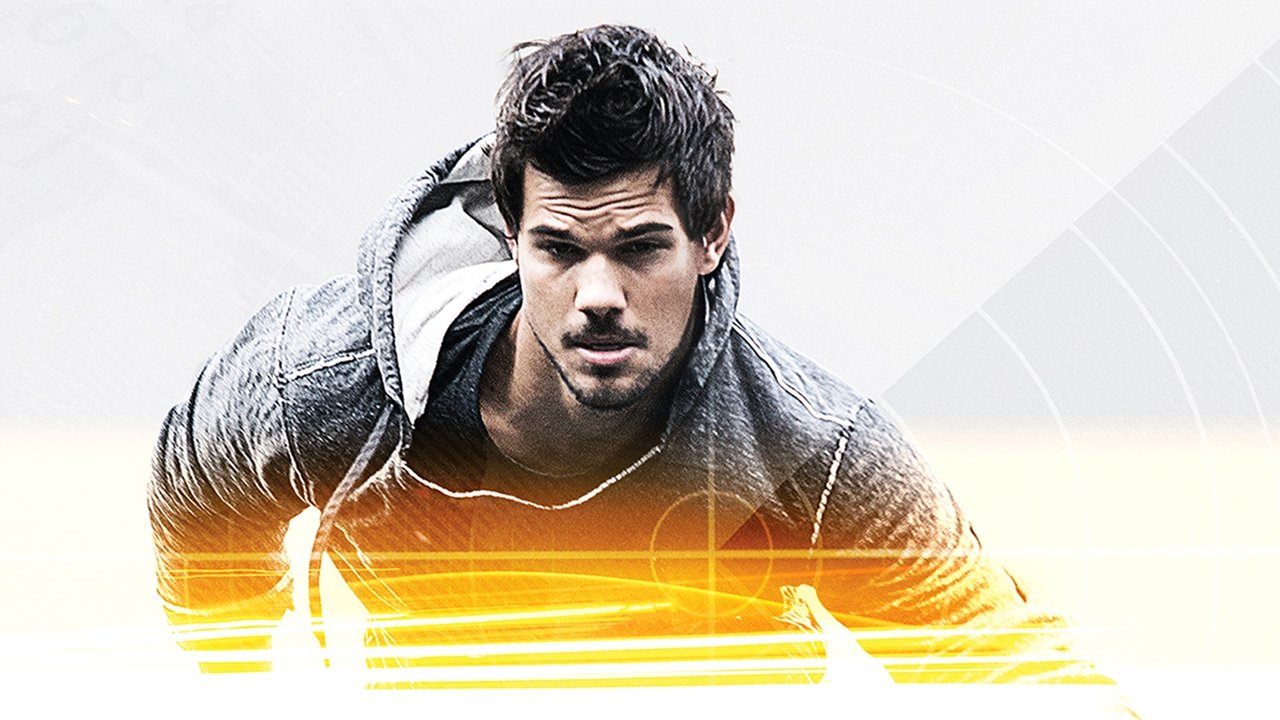
The standout element here is the cinematography by Nelson Cragg, who later went on to do stellar work on American Crime Story. He captures New York City not as a postcard, but as an obstacle course. There’s a sequence in a multi-story parking garage that uses the architecture beautifully, turning ramps and railings into a playground of escape.
The action choreography was handled by some of the best in the business, including members of the original Yamakasi founders. This gives the film a pedigree that its $11 million budget might not suggest. In an era where we are increasingly fatigued by "The Volume" and digital doubles, watching Luciano Acuna Jr. or Rafi Gavron navigate a complex urban environment feels like a tactile relief. It’s a movie that actually respects the law of gravity, even when it’s trying its hardest to defy it.
The film’s obscurity is largely a result of its release strategy. It was dumped into a limited theatrical window and VOD simultaneously, a victim of the changing tide in how mid-budget action movies were consumed in the mid-2010s. It didn't have the IP of a franchise or the critical backing of a prestige studio like A24. It was just a solid B-movie about people jumping off stuff.
Why It Vanished (And Why to Revisit)
So, why did Tracers only pull in a meager $600,000 at the box office? Beyond the "franchise fatigue" that was already starting to set in for original action scripts, the film suffered from a bit of an identity crisis. Marketing it as a Taylor Lautner vehicle may have actually hurt it with the core action audience, who still associated him with teenage werewolves, while the Twilight fanbase wasn't exactly clamoring for a gritty crime thriller about the Triads and urban decay.
It’s also a bit of a "lost" film in terms of streaming. It bounces around from platform to platform, never quite finding a permanent home. Yet, for the casual viewer killing time before a bus or a flight, it’s a perfect 94-minute distraction. It doesn’t demand you understand a multiverse or remember fourteen previous installments. It just asks you to watch a guy try to outrun a car on foot.
There’s a specific kind of joy in discovering these films that "failed" financially but succeeded in their craft. Is the screenplay by Matt Johnson groundbreaking? Not really. It hits every trope of the "outsider joining a criminal gang" playbook. But the execution—the sound of sneakers on gravel, the frantic editing that actually allows you to see the movement, and the gritty NYC atmosphere—makes it a far better watch than the generic "Grey Man" style actioners that Netflix pumps out today for ten times the cost.
Ultimately, Tracers is a film that knows exactly what it is. It’s a showcase for physical skill and a reminder that before everything became a CGI blur, we used to value the sight of a human being doing something difficult and dangerous in a real space. It won't change your life, but it’s a testament to the fact that even the "forgotten" entries in a star's filmography can have a heartbeat if you look closely enough. It’s the cinematic equivalent of a decent street-taco: cheap, fast, and surprisingly satisfying if you’re in the right mood.
Keep Exploring...
-

Barely Lethal
2015
-

Hot Pursuit
2015
-
Last Knights
2015
-
Survivor
2015
-

The Transporter Refueled
2015
-

Wild Card
2015
-
Bastille Day
2016
-
Criminal
2016
-
Keanu
2016
-
Masterminds
2016
-
Risen
2016
-
CHiPs
2017
-

Kidnap
2017
-
Security
2017
-
Sleepless
2017
-
A-X-L
2018
-
Kin
2018
-
The Girl in the Spider's Web
2018
-
The Hurricane Heist
2018
-
Black and Blue
2019