True Story
"Two men trading masks in a chilling, true-life hall of mirrors."
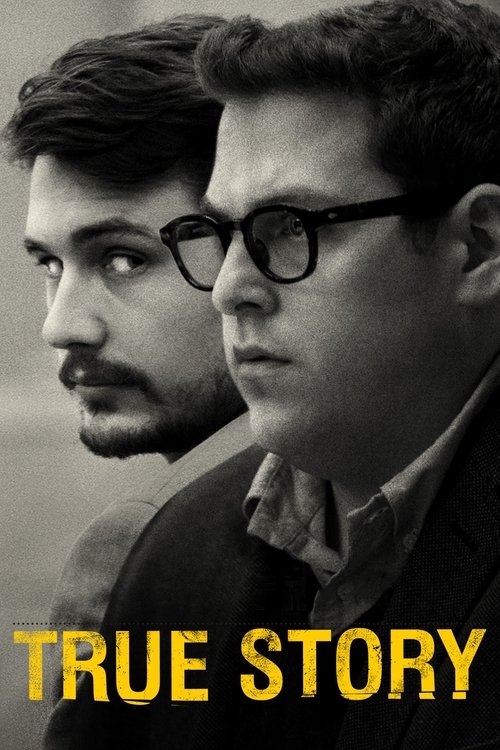
Imagine waking up to the news that you’ve been fired from the New York Times for fabricating parts of a cover story, only to receive a phone call hours later informing you that an FBI Most Wanted fugitive has been captured in Mexico—and he’s been living under your name. It sounds like the kind of high-concept pitch that gets laughed out of a studio executive’s office for being too "screenwriter-y," but for Michael Finkel, it was a Tuesday.
True Story arrived in 2015, smack in the middle of our culture's obsession with the "unreliable narrator" and the burgeoning true crime boom. But unlike the sensationalist docuseries that would soon flood our streaming queues, this film is a quiet, icy, and deeply uncomfortable look at the symbiotic relationship between a predator and the man who thinks he can outsmart him. It’s a film about the ego required to tell a story and the devastating cost of being the one who listens.
The Comedy Kings Go Cold
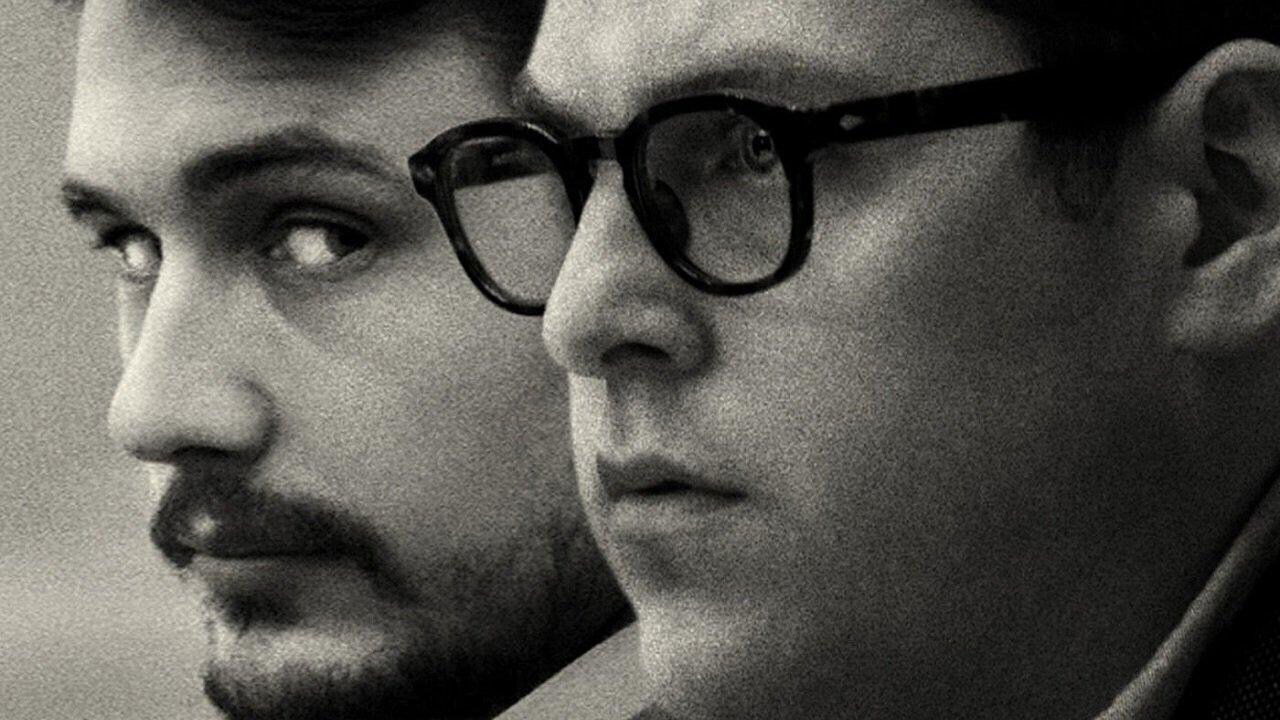
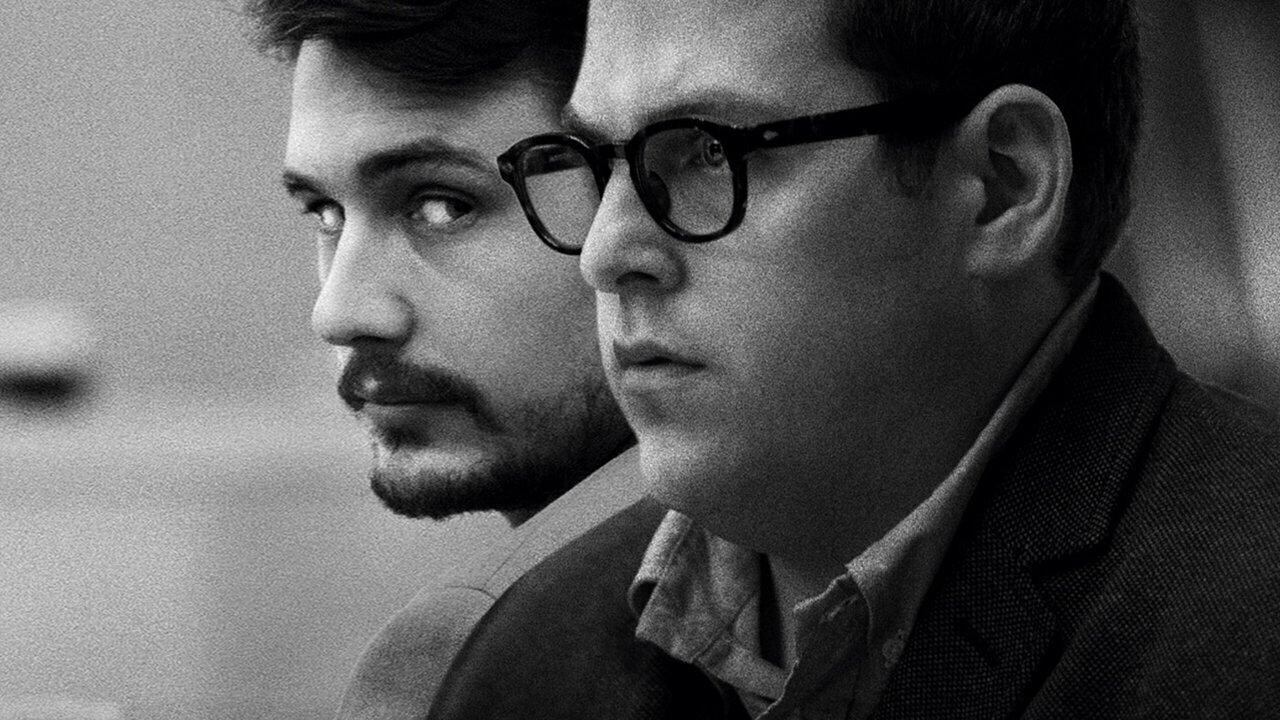
The most striking thing about True Story remains its central pairing. In 2015, audiences were still vibrating from the meta-comedy of This Is the End, where Jonah Hill and James Franco played heightened, obnoxious versions of themselves. Seeing them sit across from each other in a sterile prison visiting room, stripped of all irony and punchlines, creates a fascinating cognitive dissonance.
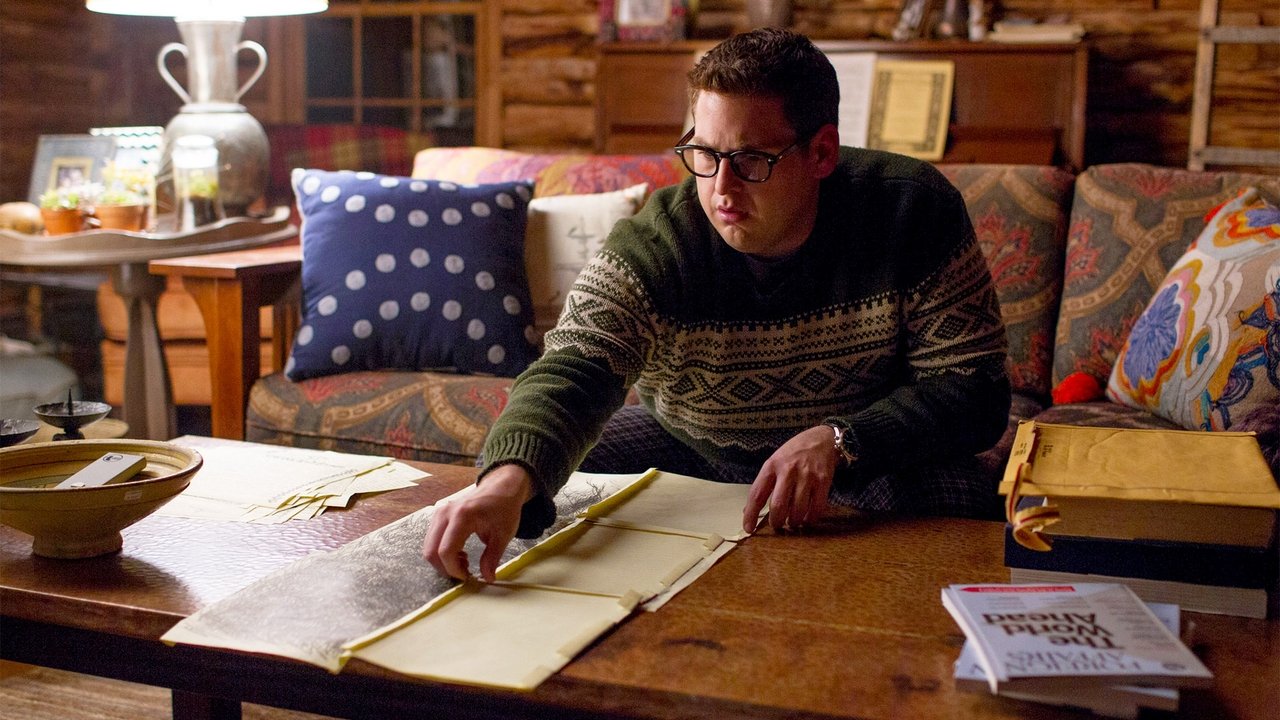
Jonah Hill plays Michael Finkel with a wounded, desperate intellectualism. He is a man who has lost his reputation and sees in the accused murderer Christian Longo a chance for a "great American novel" redemption. Hill captures that specific brand of writerly arrogance—the belief that he is the one in control of the narrative simply because he’s the one holding the pen.
Opposite him, James Franco delivers one of the most unsettling performances of his career. As Longo, the man accused of murdering his entire family, Franco is a void. He uses a soft, almost hypnotic cadence that makes you understand how someone could be drawn into his orbit. He doesn’t play Longo as a snarling villain; he plays him as a man who is constantly "performing" sincerity. It’s a battle of stares and subtext, and the chemistry between the two is rooted in a mutual, toxic need for validation.
The Moral Compass in the Shadows
While the film is framed as a duel between Finkel and Longo, the real weight of the story often rests on the shoulders of Felicity Jones, who plays Finkel’s partner, Jill. For much of the runtime, she is the observer, watching her husband become increasingly obsessed with a monster.
There is a pivotal scene toward the end where Jones visits Longo in prison. In a film filled with dialogue-heavy exchanges, her confrontation with him is a masterclass in controlled fury. She provides the moral clarity that Finkel is too blinded by ambition to see. It’s a reminder that while these two men play their intellectual games, there are real victims—real lives extinguished—who don’t get to participate in the "storytelling" process. Betty Gilpin also makes a brief but haunting appearance, adding to the ensemble’s ability to ground the film’s more cerebral moments in human tragedy.
Why It Became a Streaming Sleeper
Upon release, True Story didn't exactly shatter the box office. It’s a dour, mid-budget drama—the kind of "adult" cinema that has largely migrated from theaters to platforms like Netflix and HBO. However, it has found a dedicated second life among viewers who appreciate its refusal to provide easy answers.
Director Rupert Goold treats the material with a cold, almost clinical aesthetic. The cinematography by Masanobu Takayanagi favors wide, lonely spaces and harsh lighting, reflecting the emotional sterility of the characters. It’s a film that asks uncomfortable questions about the ethics of the true crime genre itself: Are we honoring victims, or are we just falling in love with the brilliance of the killers?
Behind the Visiting Room Glass: 6 Quirky Truths
1. Strictly Professional: To maintain the genuine tension of their onscreen relationship, James Franco and Jonah Hill reportedly kept their distance on set, avoiding the usual "buddy" rapport they shared on previous comedy sets. 2. The Real Finkel: The real Michael Finkel was actually banned from the film’s set during production to ensure Jonah Hill didn't simply mimic him, though the two eventually met and discussed the complexities of the case. 3. Brad Pitt’s Hidden Hand: The film was produced by Plan B Entertainment, Brad Pitt's production company. Pitt was originally interested in the project as an acting vehicle before moving into a purely producing role. 4. A Career Pivot: This served as Jonah Hill’s first lead role in a strictly dramatic film following his Oscar nominations for Moneyball and The Wolf of Wall Street, proving to skeptics that his dramatic chops were the real deal. 5. The Death Row Connection: As of the film’s release (and still today), the real Christian Longo remains on death row in Oregon. He and Finkel reportedly maintained a strange, intermittent correspondence for years after the trial. 6. The "Notes" are Real: Many of the drawings and notes shown in the film were based directly on the actual sketches and letters Longo sent to Finkel during their real-life meetings.
True Story isn't a "fun" watch, but it is a gripping one. It captures the exact moment when the true crime genre started to look in the mirror and realize it didn't always like what was looking back. In an era where we consume tragedy as "content," the film serves as a necessary, chilling warning about what happens when you let a liar tell you exactly what you want to hear.

Keep Exploring...
-
Hail, Caesar!
2016
-
Black Mass
2015
-
Patriots Day
2016
-
Snowden
2016
-

Judy
2019
-
House of Gucci
2021
-

War Dogs
2016
-
Can You Ever Forgive Me?
2018
-
BlacKkKlansman
2018
-
Just Mercy
2019
-

The Irishman
2019
-
22 July
2018
-

In the Heart of the Sea
2015
-

Steve Jobs
2015
-

The Walk
2015
-

Eddie the Eagle
2016
-
Jack Reacher: Never Go Back
2016
-
Silence
2016
-
The Founder
2016
-
All the Money in the World
2017