Trumbo
"The most dangerous man in Hollywood had a typewriter."
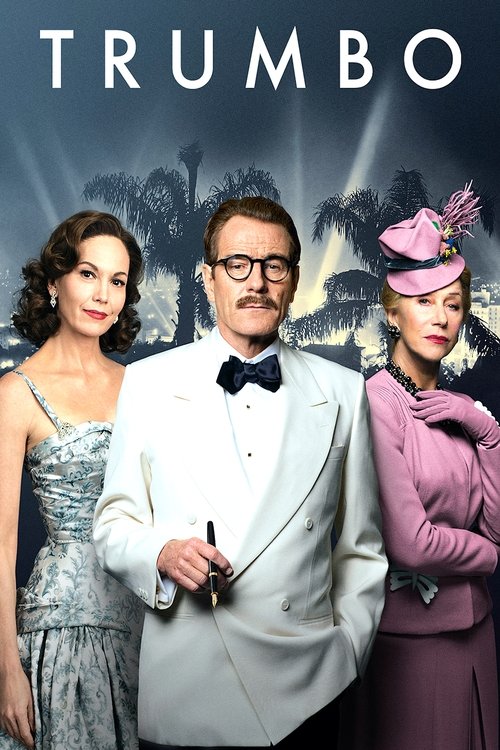
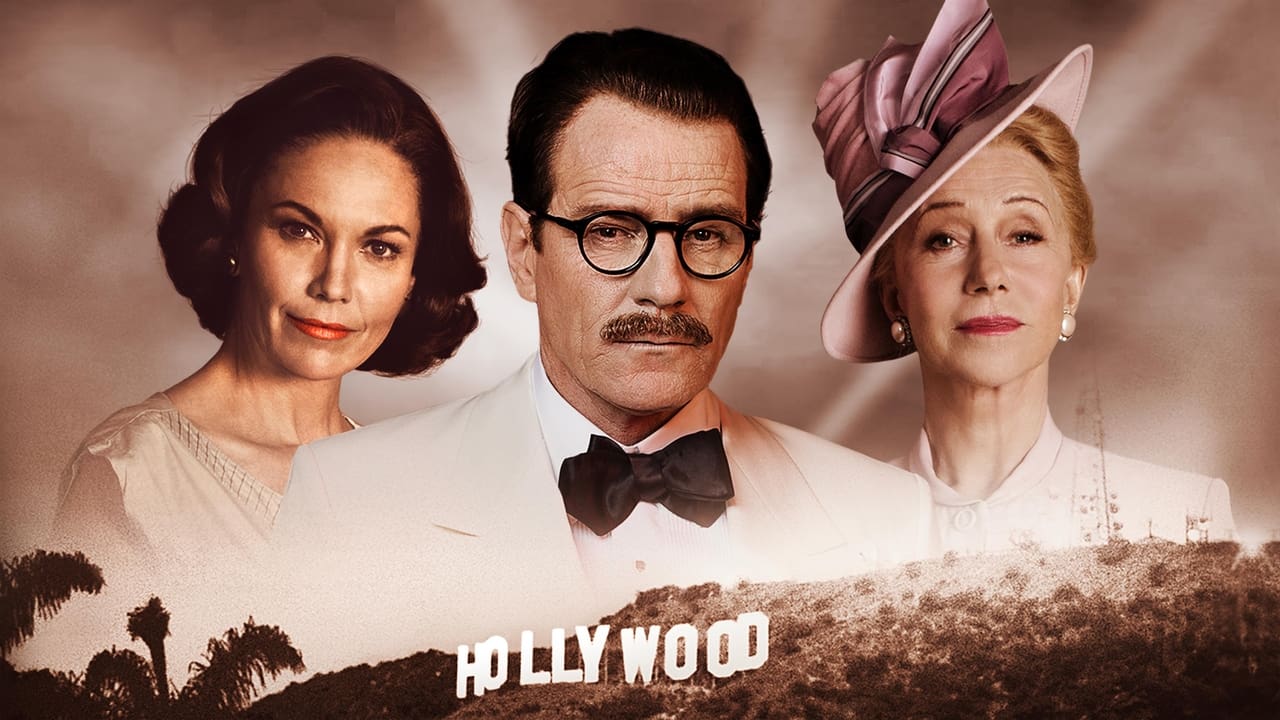
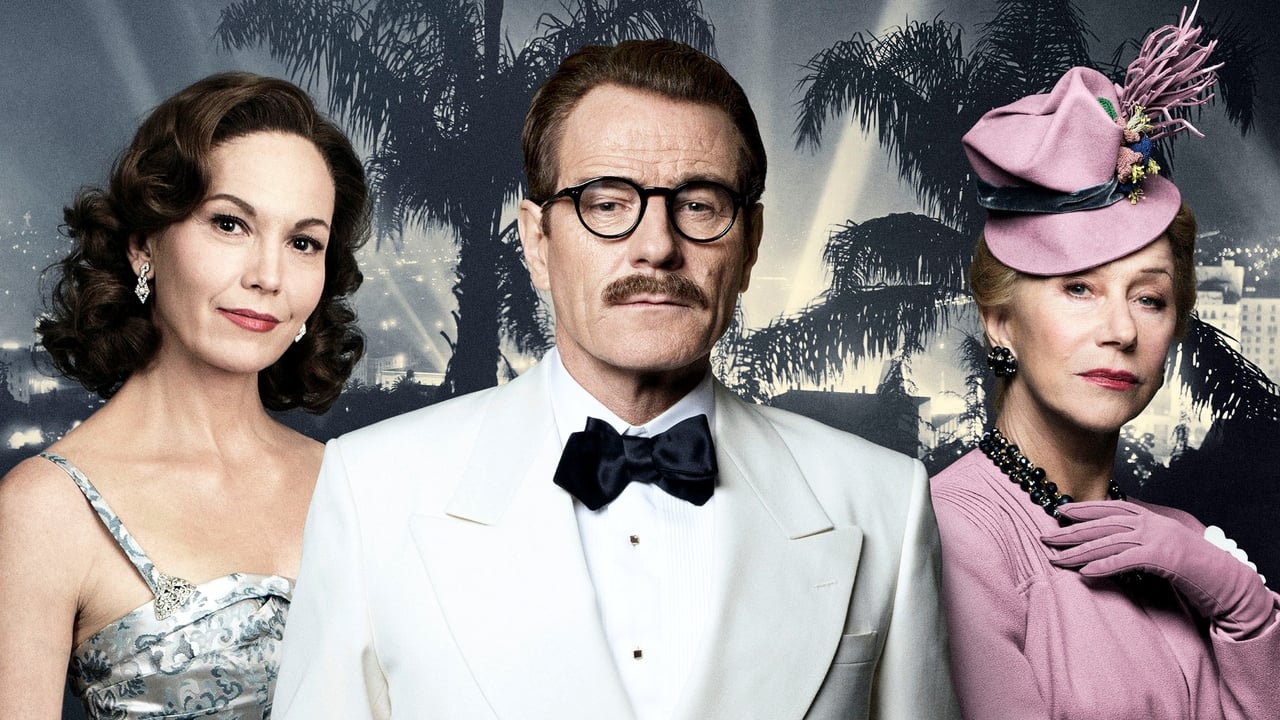
Dalton Trumbo didn’t just write movies; he dictated them from a bathtub, balanced a typewriter on a wooden board, and puffed on a cigarette holder like a man trying to smoke his way out of a burning building. When I first saw Bryan Cranston step into those sudsy waters in the 2015 biopic Trumbo, it felt like the ultimate victory lap for an actor who had spent years making us love a monster in Breaking Bad. Here, he’s playing a different kind of outlaw—a guy whose only crime was having an unpopular political opinion and refusing to apologize for it.
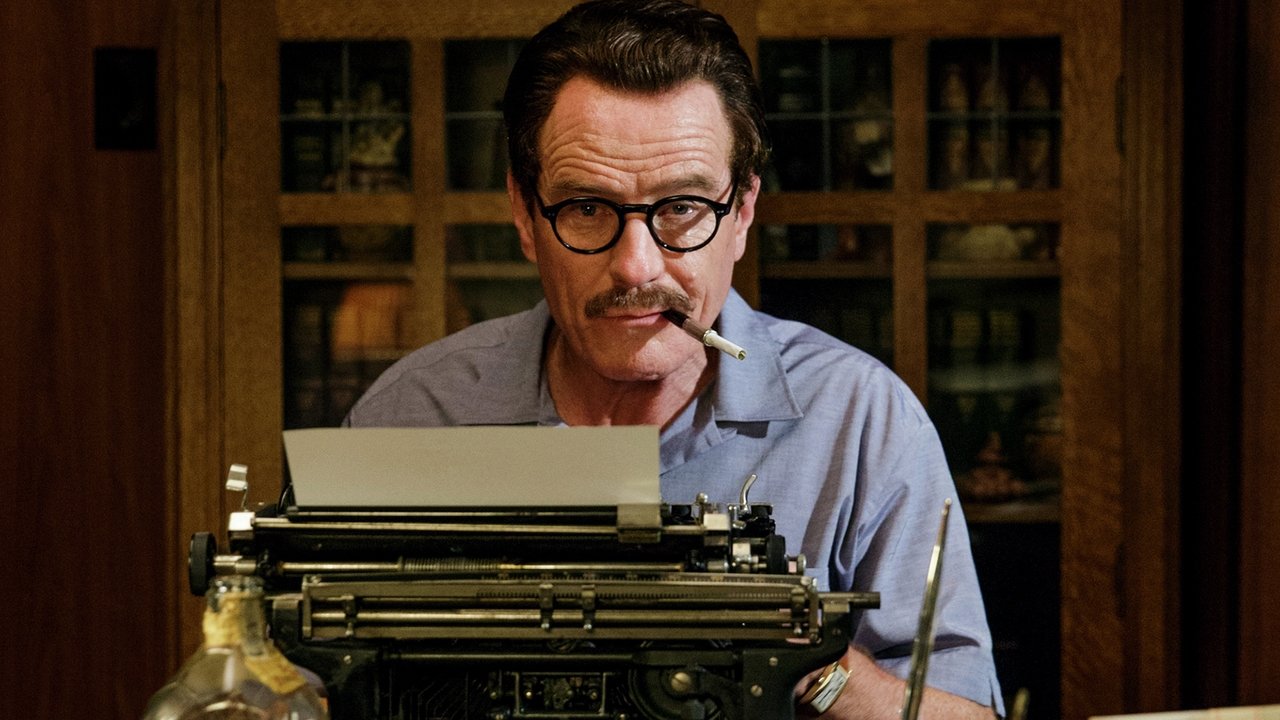
I watched this film on a Tuesday night while my neighbor was practicing the bagpipes, and somehow the distant, mournful drone of the pipes made the Cold War paranoia on screen feel significantly more oppressive. It’s a film that arrived at a strange crossroads in cinema history. Released just as the "prestige biopic" was starting to migrate toward streaming services, Trumbo feels like one of the last of its kind: a mid-budget, star-driven historical drama that actually made it to a theater screen before being swallowed by the digital void.
A Bathtub, a Bottle, and a Blacklist
The film picks up in the late 1940s, when Hollywood was the glittering crown jewel of American propaganda. Bryan Cranston plays Trumbo as a man who is essentially too smart for his own good—a high-earning wordsmith who genuinely believes the Constitution protects his right to be a Communist. When the House Un-American Activities Committee (HUAC) comes knocking, Trumbo and his cohorts (the "Hollywood Ten") refuse to testify. The result? Prison time and a blacklist that should have ended his career.
Cranston is marvelous here, leaning into the theatricality of a man who spoke in perfectly punctuated paragraphs. He captures that specific breed of 1940s intellectual arrogance that is both infuriating and deeply admirable. Watching him navigate the loss of his livelihood is a masterclass in controlled desperation. He doesn't just lose his job; he loses his identity, eventually resorting to writing schlocky B-movies under pseudonyms just to keep the lights on. The film has the glossy sheen of a high-end furniture catalog, even when people are going to prison, which is a classic Jay Roach move. Roach, who directed Austin Powers (yes, really), brings a snappy, almost comedic pace to what could have been a very dry history lesson.
Playing the Villain in a Hero’s Story
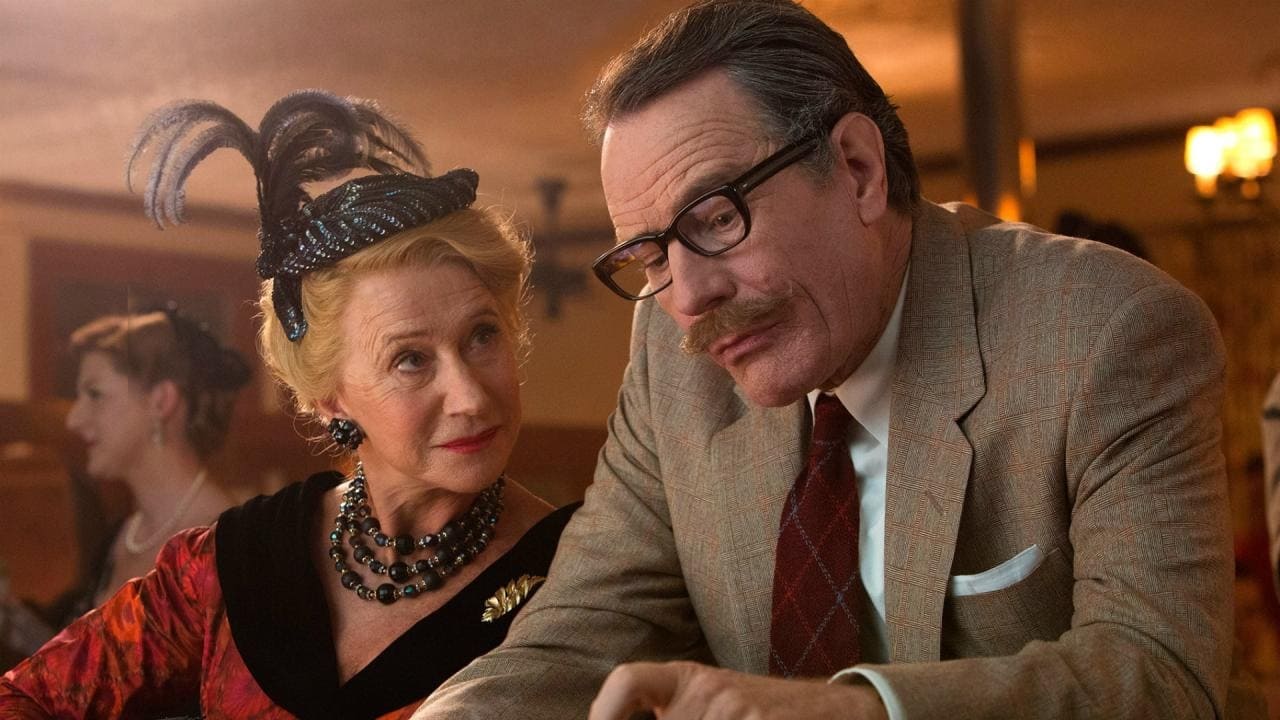
If Cranston is the heart, Helen Mirren is the venom. As gossip columnist Hedda Hopper, she represents the terrifying power of "cancel culture" before we had a catchy name for it. She didn't need Twitter to ruin a life; she just needed a Sunday column and a fabulous hat. Mirren plays her with a chilling, patriotic zeal that reminds me of how quickly social discourse can turn into a blood sport.
On the flip side, we get John Goodman as Frank King, a B-movie producer who couldn’t care less about politics as long as the scripts are cheap and the movies make money. John Goodman swinging a baseball bat in a bathrobe is the cinematic equivalent of a warm hug, providing a much-needed burst of levity. Then there’s Louis C.K., playing a fictionalized composite of various blacklisted writers. It’s a solid, grounded performance, though in our current cultural climate, his presence as the film’s moral compass feels like a jarring glitch in the Matrix. It’s one of those instances where the "now" of the viewer clashes violently with the "then" of the production.
The Ghost in the Hollywood Machine
So, why did a movie starring an Oscar nominee and a legendary ensemble vanish so quickly? It’s a "Middle-Movie" casualty. In 2015, we were seeing the death of the $15 million drama. Studios were pouring everything into the MCU—this was the year of Age of Ultron—and a talky movie about a screenwriter felt like an "eat your vegetables" experience for many casual viewers. It grossed a measly $8 million domestically, effectively failing to recoup its modest budget during its theatrical run.
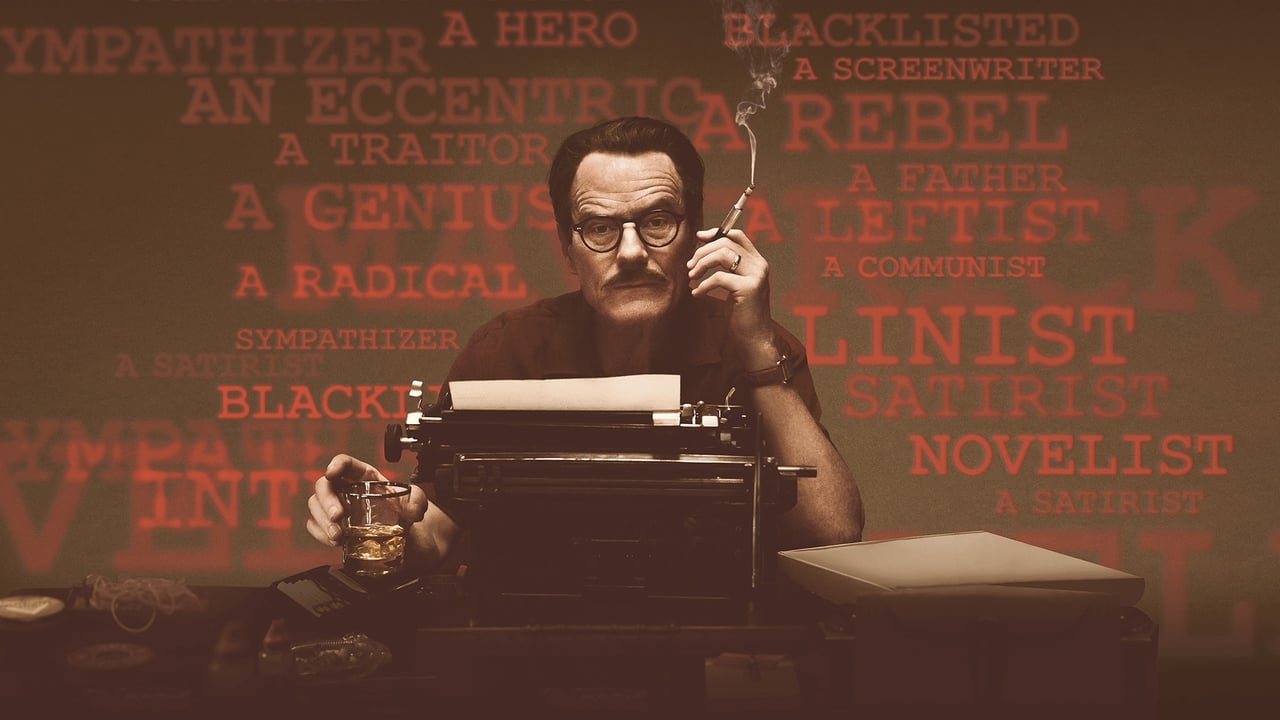
But Trumbo is worth a rediscovery, specifically because of its trivia-heavy underbelly. It’s a story about how Trumbo won two Oscars while he didn't technically exist—one for Roman Holiday and one for The Brave One. The film does a great job showing the absurdity of a system that banned the man but couldn't resist his talent. It also features Elle Fanning as Trumbo’s daughter, Nikola, who serves as the film’s conscience, reminding us that being a "great man" often involves being a pretty terrible father.
The film might lack the gritty, handheld "realism" that modern awards-season favorites often lean into, but its staginess is part of the charm. It’s a movie about the art of artifice. It’s about how the stories we tell on screen are often a mask for the messy, political, and fragile lives of the people holding the pens.
Ultimately, Trumbo is a sharp, witty reminder that the bravest thing you can do is refuse to be a supporting character in someone else’s crusade. It’s not a perfect film—it occasionally slips into sentimental "biopic-itis"—but the performances elevate it into something genuinely engaging. It’s a love letter to the power of the written word and a warning about what happens when we let fear dictate our culture. If you’ve got two hours and an appreciation for a perfectly delivered insult, give this one a stream. Just maybe skip the neighbor's bagpipe solo.
Keep Exploring...
-
Bombshell
2019
-
The Infiltrator
2016
-

Pawn Sacrifice
2015
-
20th Century Women
2016
-
Live by Night
2016
-
Miss Sloane
2016
-
Anomalisa
2015
-
Beasts of No Nation
2015
-
Colonia
2015
-
Dope
2015
-
Entourage
2015
-
Far from the Madding Crowd
2015
-

Fathers and Daughters
2015
-
Max
2015
-
Mr. Holmes
2015
-
The 33
2015
-
Gold
2016
-
Loving
2016
-
Midnight Special
2016
-
Miracles from Heaven
2016