Victor Frankenstein
"Creation is a messy business."
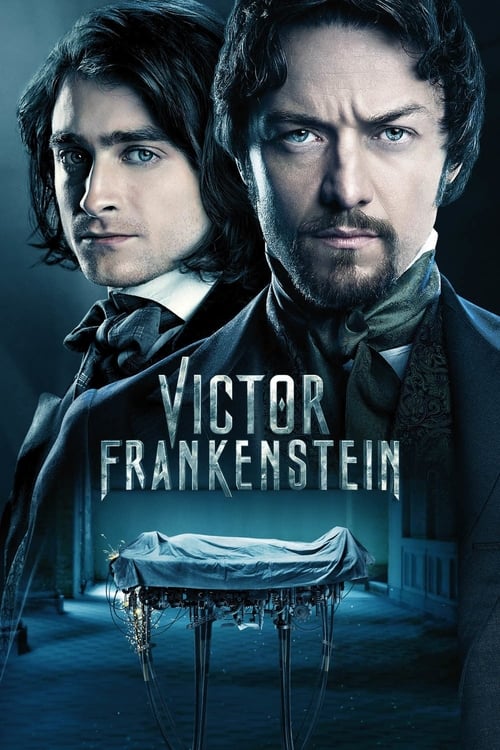
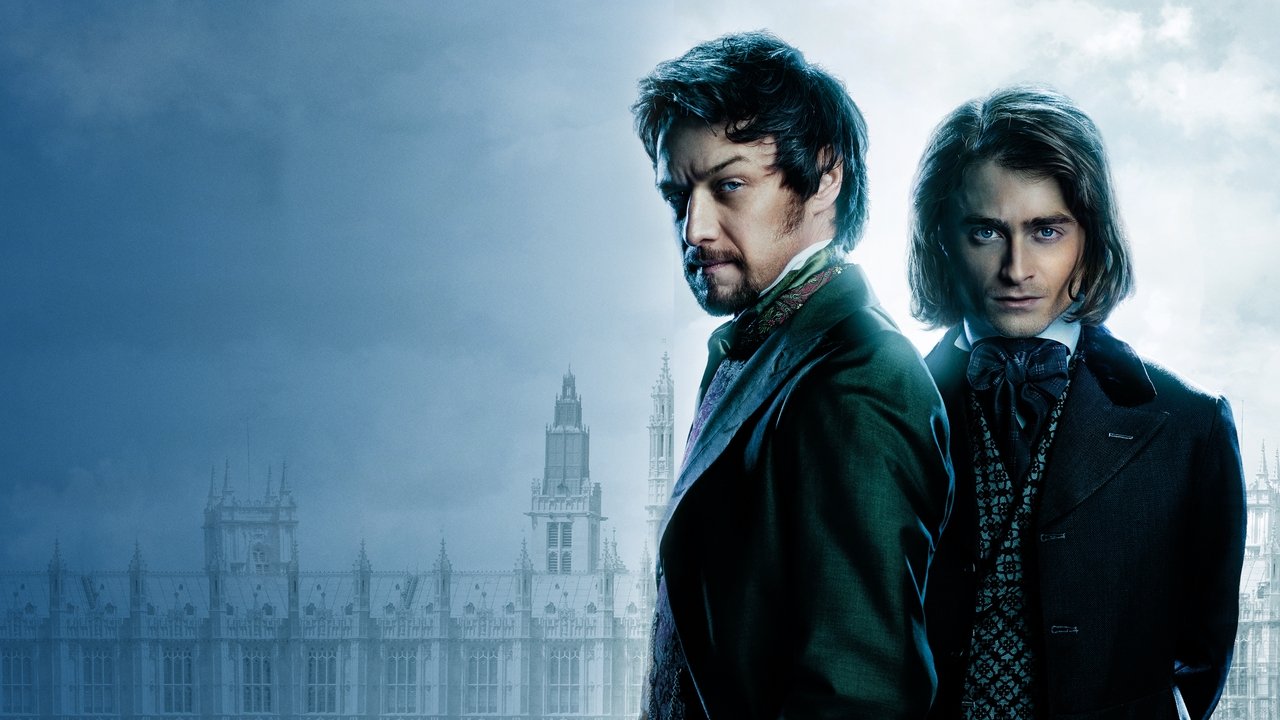
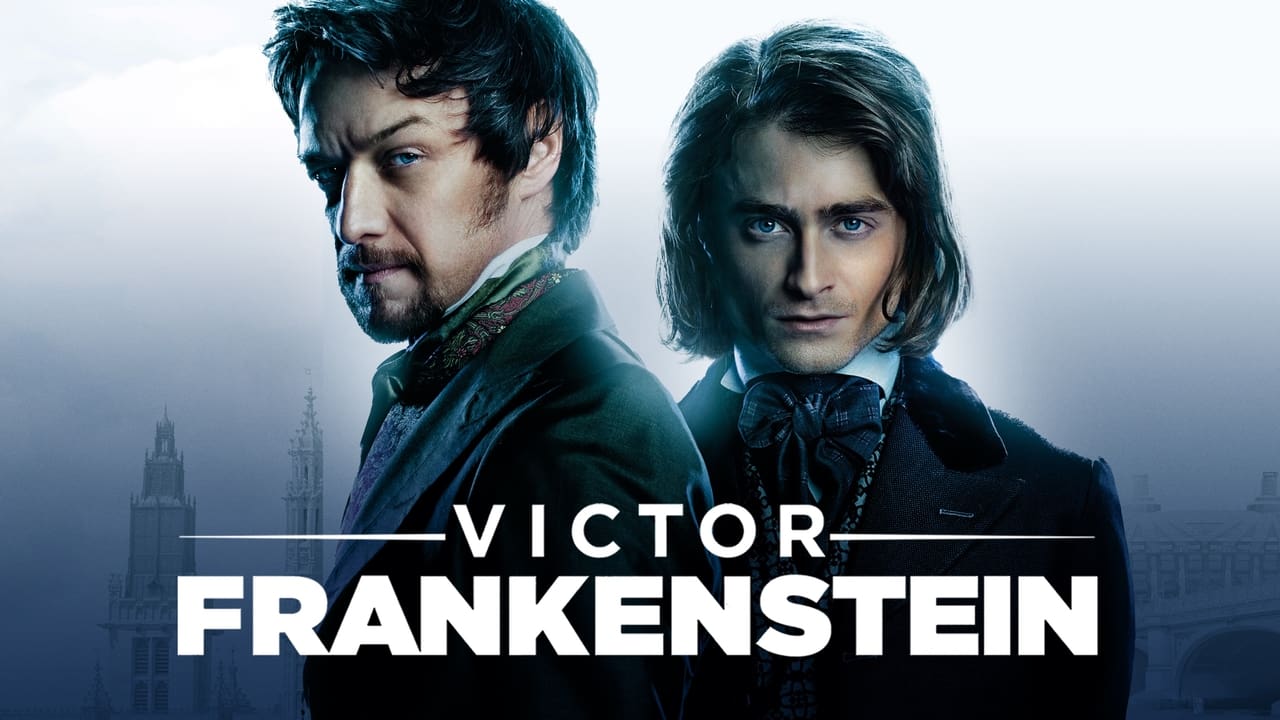
There is a scene roughly twenty minutes into Victor Frankenstein where James McAvoy—portraying the titular doctor with the intensity of a man who has replaced his blood with espresso—pins Daniel Radcliffe against a wall and proceed to suck a massive, yellow cyst out of his back with a glass tube. It is grotesque, wet, and deeply uncomfortable. It’s also the exact moment I realized this wasn't going to be your grandfather’s Mary Shelley adaptation. While I watched this unfold, I was trying to navigate a particularly splashy bowl of spicy miso ramen, and the steam from the noodles combined with the damp, London-fog aesthetic of the film made the whole experience feel strangely 4D.
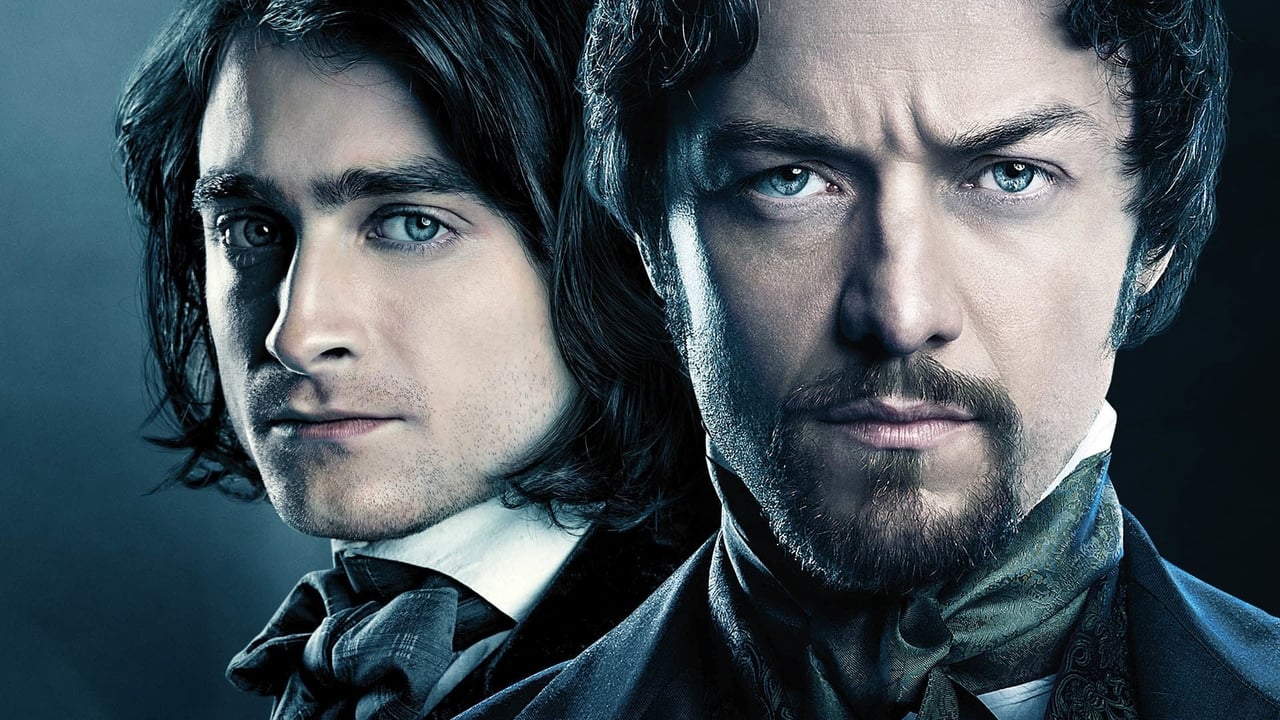
Released in 2015, a year dominated by the polished machinery of Avengers: Age of Ultron and the sleek rebirth of Mad Max: Fury Road, this film felt like a weird, frantic throwback. It arrived during that specific mid-2010s window where studios were desperate to turn every public-domain literary figure into a "gritty" action hero. We saw it with Guy Ritchie’s Sherlock Holmes and later with The Legend of Tarzan. Paul McGuigan, who directed some of the best episodes of the Benedict Cumberbatch Sherlock series, brings that same kinetic, "mind-palace" visual flair here. Internal organs are labeled with floating Victorian diagrams, and the camera moves with a caffeinated jerkiness that suggests the film itself is wired to a lightning rod.
A Bromance Forged in Formaldehyde
The heartbeat of the movie isn't the lumbering Prometheus creature, but the relationship between Victor and his lab assistant, Igor. Max Landis, the screenwriter who specialized in "deconstructing" tropes before the internet turned on him, reimagines Igor not as a sniveling hunchback, but as a brilliant, self-taught physician trapped in a circus freak show. When Victor "rescues" him (in a high-speed chase that feels more Bourne than Bolt), it’s less an act of charity and more an acquisition of a tool.
James McAvoy's performance is essentially a two-hour panic attack set to orchestral music. He plays Victor as a man possessed, a frantic genius who treats personal space as a suggestion and volume control as a personal affront. Apparently, McAvoy actually lost his voice several times during production because he spent so much time screaming at the top of his lungs. Opposite him, Daniel Radcliffe provides a much-needed grounding. He plays Igor with a soulful, wide-eyed sincerity that keeps the movie from spinning off into total camp. Watching them together, you can tell they’re having a blast; their chemistry is the only thing that survives the increasingly ridiculous plot.
The Gothic Meets the Modern Grind
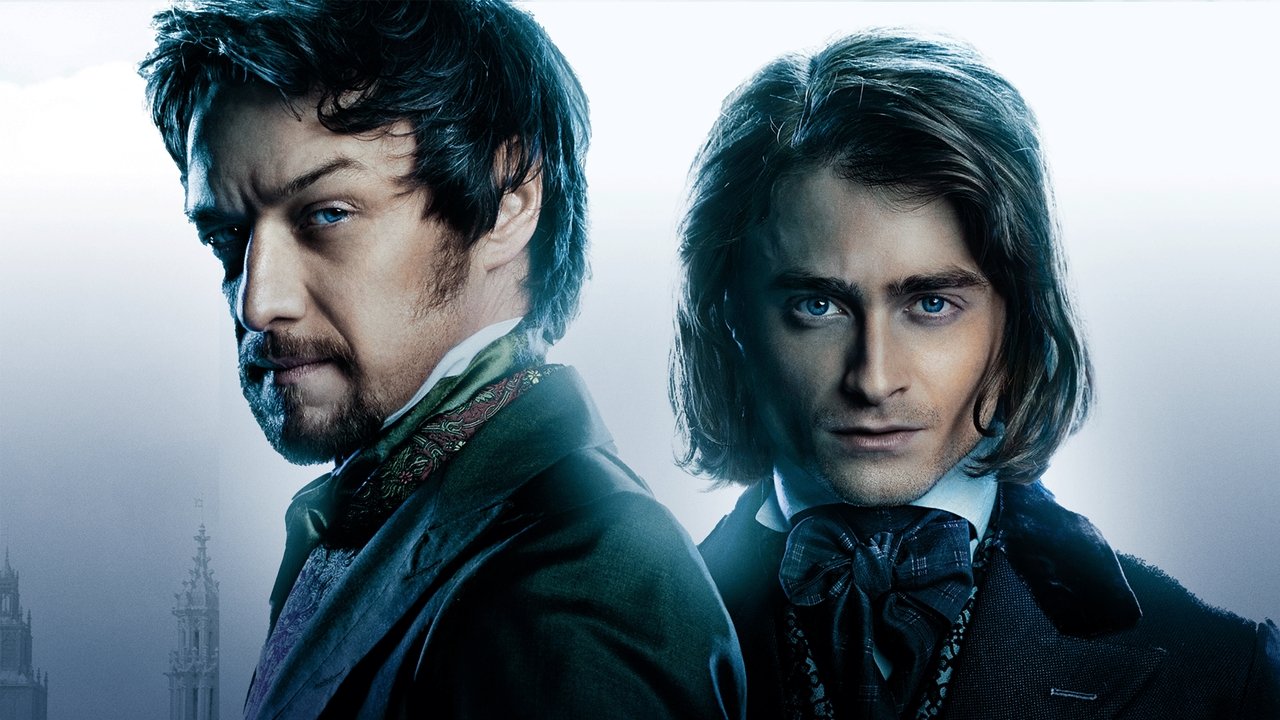
What makes this a "cult classic" in the making—or at least a very fascinating failure—is how it wrestles with its own identity. It wants to be a high-minded drama about the ethics of creation, but it’s trapped in the body of a 2015 blockbuster that requires a "boss fight" at the end. Andrew Scott (the definitive Moriarty of our era) pops up as Inspector Turpin, a religious zealot who views Victor’s work as a personal insult to God. Scott is wonderfully creepy here, but the movie doesn't quite know whether it wants him to be a tragic antagonist or a mustache-twirling villain.
The production design by Eve Stewart is genuinely lush, turning Victorian London into a playground of brass, steam, and rotting meat. It’s a shame the film was buried at the box office, earning only $34 million against its $40 million budget. It sat on a shelf for over a year after filming wrapped because 20th Century Fox seemingly had no idea how to market a movie that was half-intellectual debate and half-monster-mash. It also didn't help that Jessica Brown Findlay is given almost nothing to do as the love interest, Lorelei, acting primarily as a decorative reminder that Igor has a life outside the lab.
Stuff You Didn't Notice
One of the more interesting behind-the-scenes tidbits is that the "hunch" Daniel Radcliffe sports in the opening scenes wasn't just a prosthetic; he spent weeks working with movement coaches to perfect a stagger that looked painful enough to be real. He’s always been a physical actor, but the dedication here is top-tier. Also, look closely at the creature, Prometheus—the design actually incorporates the "two hearts, four lungs" biology that Victor screams about earlier in the film. It’s a level of anatomical detail that usually gets lost in the CGI shuffle.
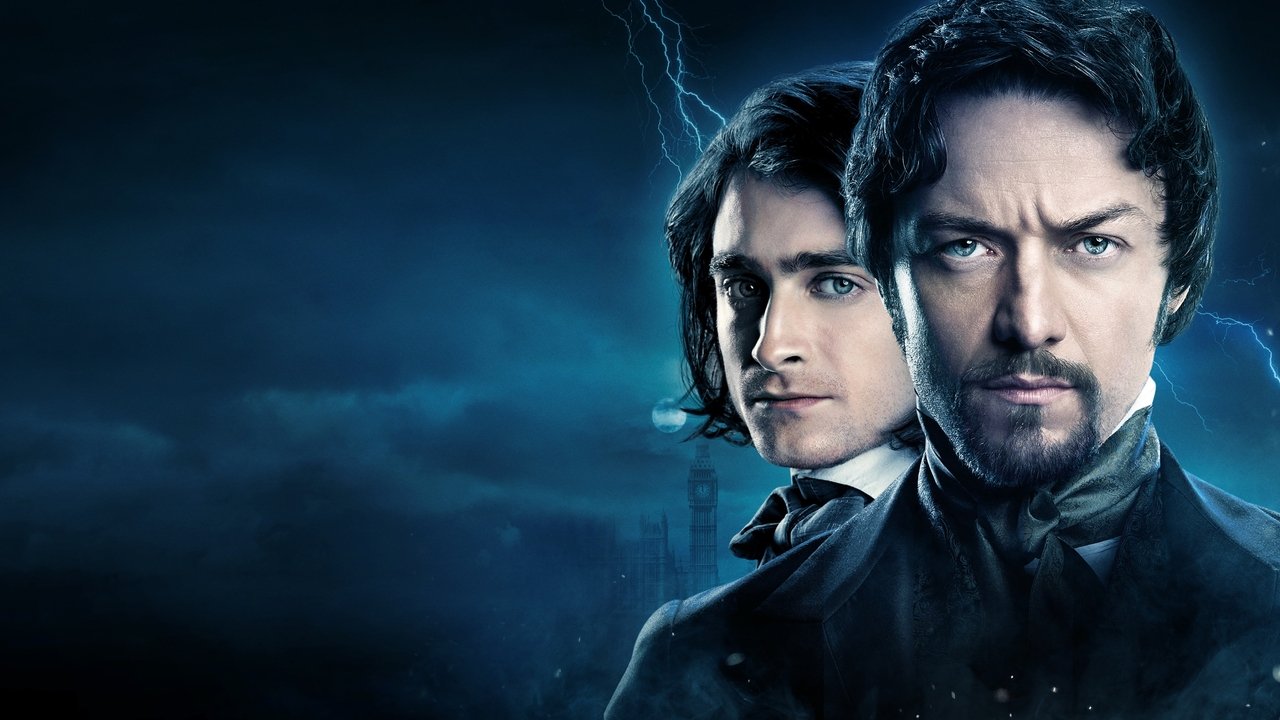
Speaking of the creature, the legendary Charles Dance shows up for a single, icy scene as Victor’s father. He basically plays a slightly more disappointed version of Tywin Lannister, and his presence serves as a reminder of the generational trauma that usually fuels these "mad scientist" tropes. It turns out that Max Landis originally envisioned this as part of a shared universe of monster movies, long before the "Dark Universe" became a punchline. While that never happened, you can see the seeds of a much larger world being planted in the background of the Royal College of Surgeons.
Victor Frankenstein isn't a masterpiece, and it’s certainly not the definitive version of the story. It is, however, a wildly entertaining mess of a movie that deserves a second look now that the dust of its initial failure has settled. It’s a film that prioritizes "vibes" and performance over narrative logic, and sometimes that’s exactly what you want on a Tuesday night. If you can get past the pus-sucking, there’s a surprisingly touching story about two outcasts trying to build a world that makes sense to them—even if that world is held together by stitches and galvanism.
Keep Exploring...
-
Glass
2019
-
The Circle
2017
-
The Discovery
2017
-
Replicas
2018
-
Extinction
2018
-
Project Almanac
2015
-
Self/less
2015
-
The Gift
2015
-
Money Monster
2016
-

Underworld: Blood Wars
2016
-

Colossal
2017
-

Flatliners
2017
-
Bad Times at the El Royale
2018
-
Bird Box
2018
-
Death Wish
2018
-
The Cloverfield Paradox
2018
-
The Highwaymen
2019
-

Z for Zachariah
2015
-
Push
2009
-
Chronicle
2012