Victoria
"Berlin doesn't sleep; it just holds its breath."
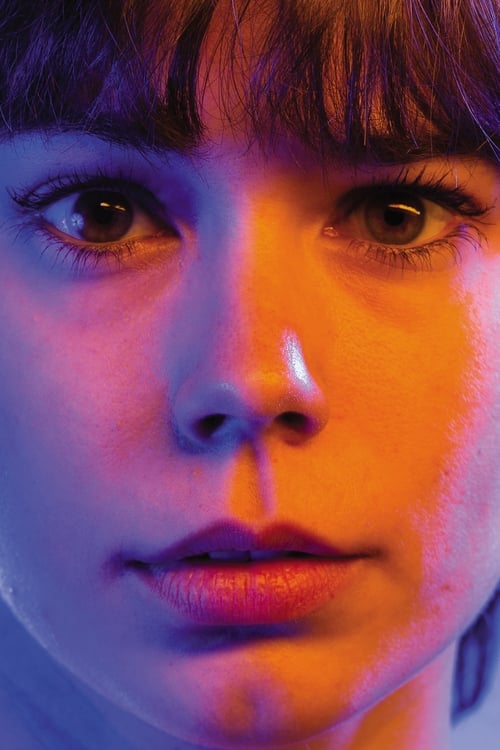
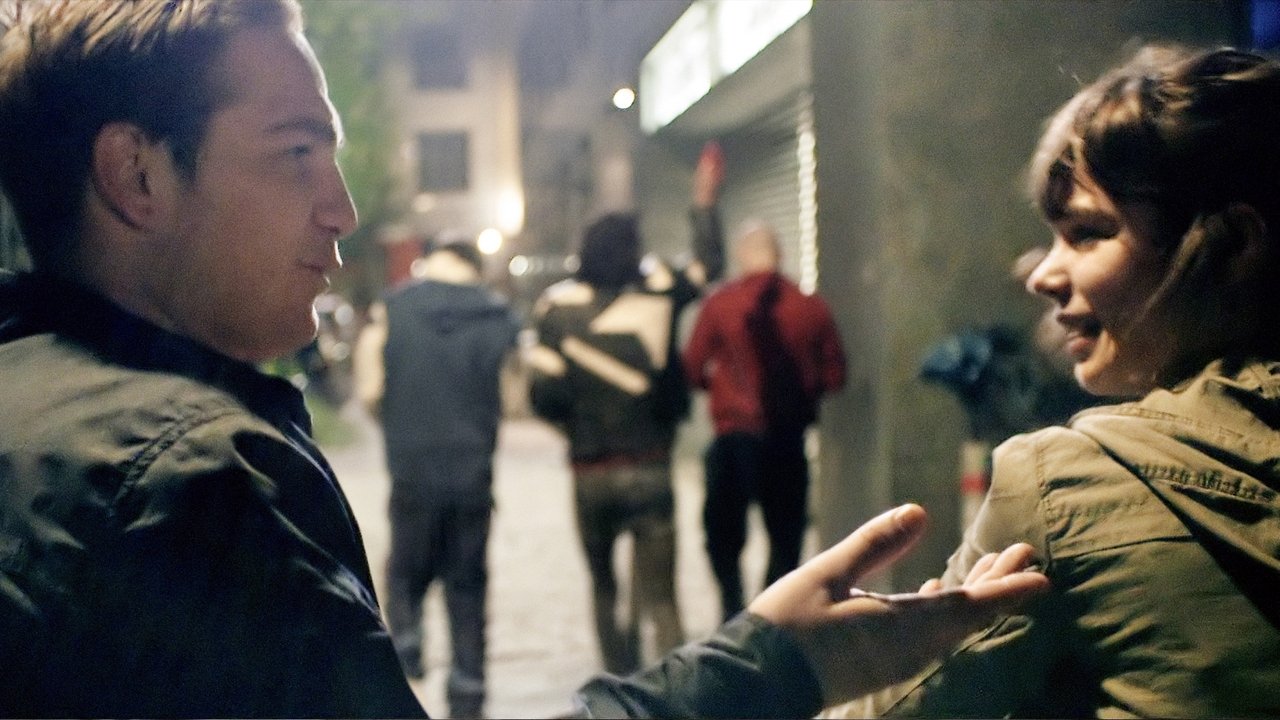
The bass is so thick you can almost taste the ozone and cheap beer. We’re in a basement club in Berlin, the kind of place where the sun is a rumor and the strobe lights act like a heartbeat. A young woman is dancing alone, lost in the rhythm but clearly searching for a connection. This is how we meet Victoria, and for the next 138 minutes, the camera will not blink, not even once. I watched this while sitting on a floor cushion because I’d just moved apartments and hadn’t bought a sofa yet, and the lack of back support oddly mirrored the mounting physical exhaustion of the characters as the night spiraled out of control.
The 4:00 AM Fever Dream
Director Sebastian Schipper pulled off something in 2015 that still feels like a minor miracle of logistics and stamina. While "one-take" movies have become a bit of a trend lately—often using digital trickery to hide the seams—Victoria is the real deal. It was filmed in a single, continuous shot across 22 locations in the Mitte and Kreuzberg districts. But what makes this work isn't the technical flex; it’s the way the real-time format traps you in the escalating panic of the protagonist.
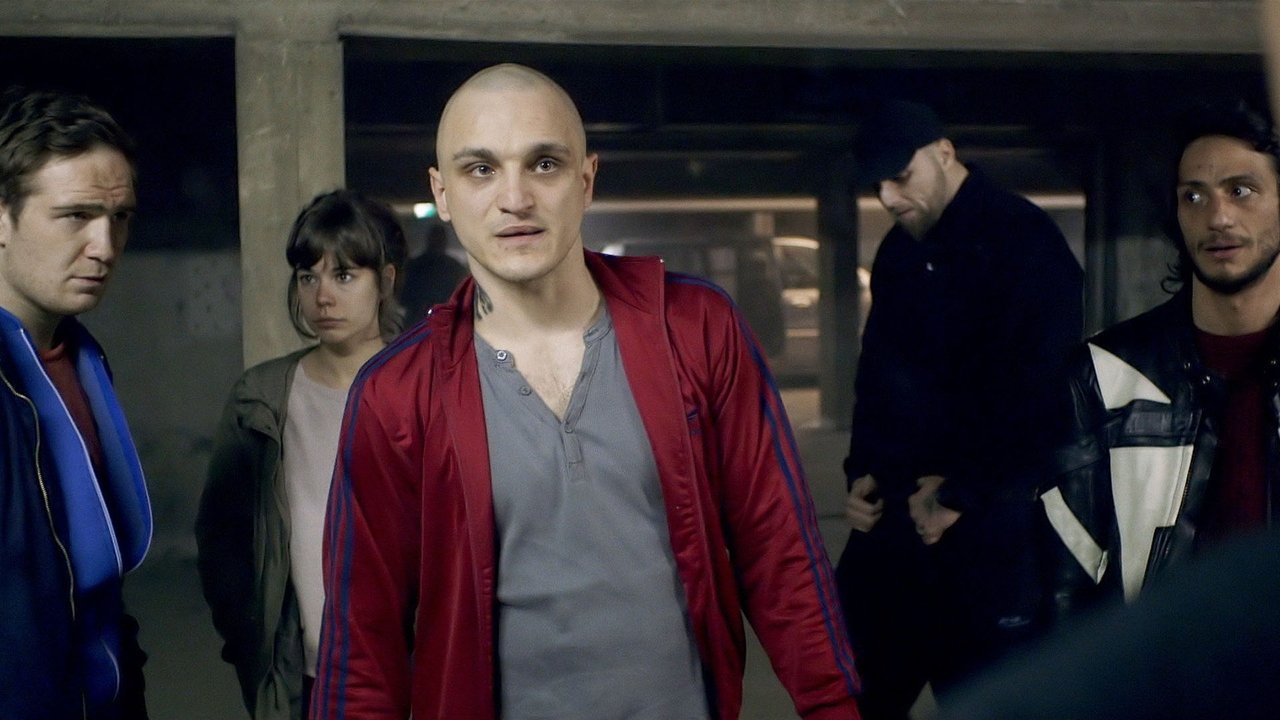
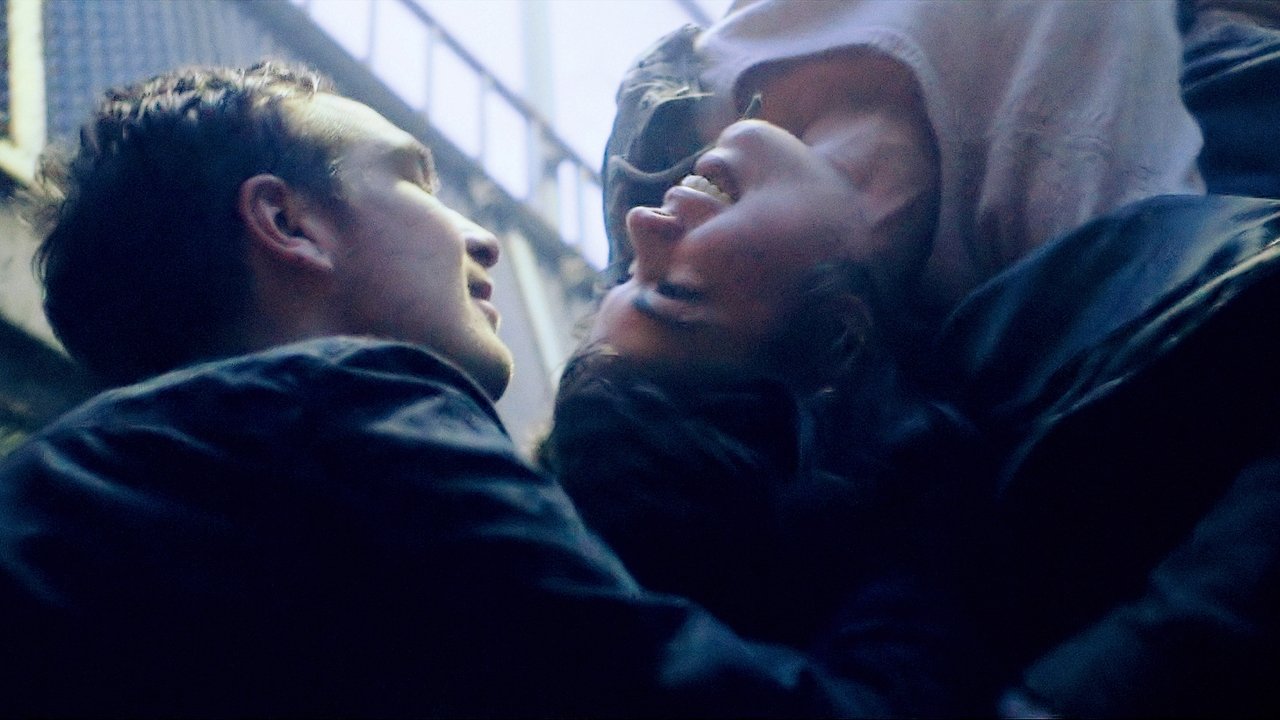
Laia Costa, playing the titular Victoria, is a revelation. She’s a Spanish ex-pat working a dead-end cafe job, drifting through a city where she doesn't quite speak the language. When she bumps into Sonne, played with an infectious, chaotic charm by Frederick Lau, the movie feels like it’s going to be a "Before Sunrise" style romance. They flirt, they steal beer from a rooftop, they share a quiet moment at a piano. But Sonne comes with a pack of friends—Boxer (Franz Rogowski), Fuß (Max Mauff), and Blinker (Burak Yiğit)—and they owe a debt to a very dangerous man.
The shift from indie romance to high-stakes heist thriller is handled with such a delicate touch that by the time Victoria is coerced into being the getaway driver, you realize you're just as complicit as she is. You’ve walked every step with her; you’ve felt the flirtatious chemistry turn into cold, hard dread.
Improvisation on the Edge of a Knife
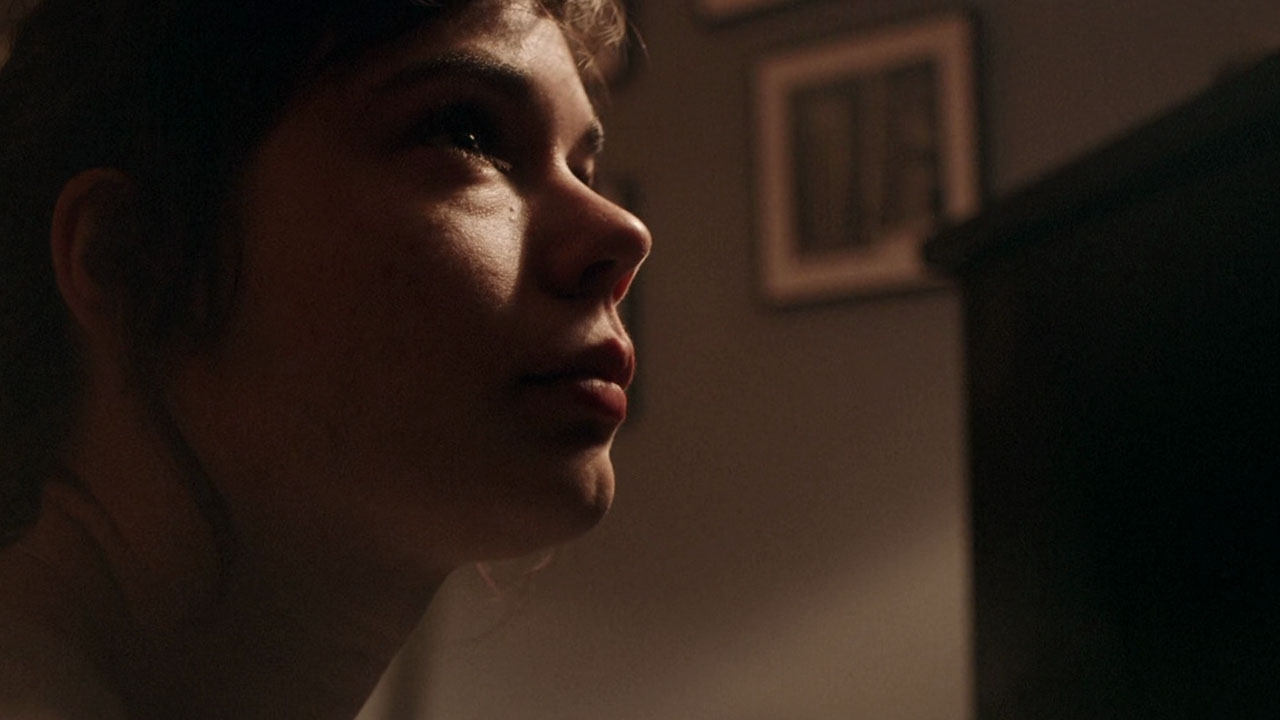
Because the film was shot in one take, the script was apparently only 12 pages long. Most of the dialogue was improvised by the cast, and you can tell. There’s a messy, overlapping authenticity to the way they talk—it’s not "movie dialogue," it’s the sound of people trying to keep their cool while their lives disintegrate. Frederick Lau and Laia Costa have a chemistry that feels dangerously unscripted. When they’re hiding in the back of a van, whispering to each other, it feels like we’re eavesdropping on a private tragedy.
The tension is amplified by Nils Frahm’s haunting, ambient score. It doesn't tell you how to feel; it just hums beneath the surface like a low-grade anxiety attack. And then there’s the cinematography by Sturla Brandth Grøvlen, who literally ran alongside the actors for over two hours with a camera on his shoulder. He’s the unsung hero here, capturing the way the Berlin streetlights turn the city into a beautiful, claustrophobic cage. Honestly, the most stressful twenty minutes of cinema involves a group of grown men trying to figure out how to drive a van while shouting in three different languages.
The Cost of Saying Yes
What strikes me about Victoria now, nearly a decade after its release, is how it captures a specific kind of youthful recklessness that feels amplified by our modern era of "main character energy." Victoria says yes to these strangers because she’s lonely, because she’s looking for a story, and because she thinks she’s invincible. The film doesn't offer easy answers or a moralizing finger-wag. It just shows the brutal, physical consequences of a single night's bad decisions.
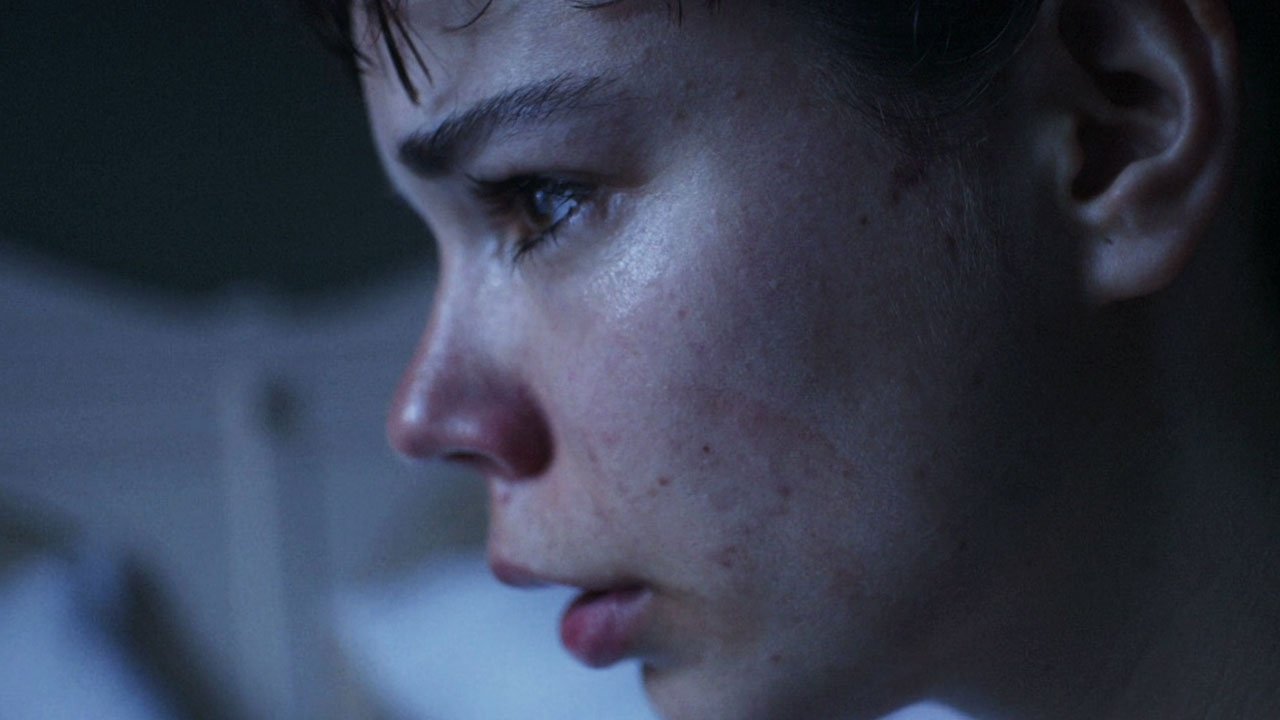
It’s worth noting that the production only had the budget to attempt the full take three times. The first two tries weren't quite right; this version, the third and final attempt, is the one we see. Knowing that the actors and crew were essentially performing a high-wire act with no safety net adds a layer of genuine adrenaline to the heist sequence. You can see the actual sweat on their brows and the genuine fatigue in their eyes. It’s a movie made by people who clearly didn’t care about their own blood pressure.
While the film was a hit on the festival circuit and won several German Film Awards, it remains something of a hidden gem for general audiences. It’s a drama that demands you give it your full attention, which is a big ask in a streaming world defined by "second-screen" viewing. But if you give it those two hours, it rewards you with an experience that feels less like a movie and more like a memory of a night you’re lucky you didn't actually have to live through.
Victoria is a breathless, high-wire act that manages to be both a technical masterpiece and a deeply moving character study. It captures the frantic energy of a Berlin night with an intensity that few films can match. By the time the sun finally starts to peek over the horizon, you’ll feel just as drained and haunted as the characters on screen. It’s a bold piece of contemporary cinema that proves you don't need a massive budget or CGI to create a world that feels completely, terrifyingly real.
Keep Exploring...
-
Batman vs. Robin
2015
-
Suburra
2015
-

Miss Sloane
2016
-
Forgotten
2017
-
22 July
2018
-
The Guilty
2018
-

The Gangster, the Cop, the Devil
2019
-

The Traitor
2019
-
The Stronghold
2021
-
Decision to Leave
2022
-
November
2022
-
The Outfit
2022
-
Beating Hearts
2024
-

STRAW
2025
-

The Accountant²
2025
-
Wild at Heart
1990
-
Furious 7
2015
-

Legend
2015
-
Sicario
2015
-
Don't Breathe
2016