Wild Card
"Vegas is a trap with better lighting."
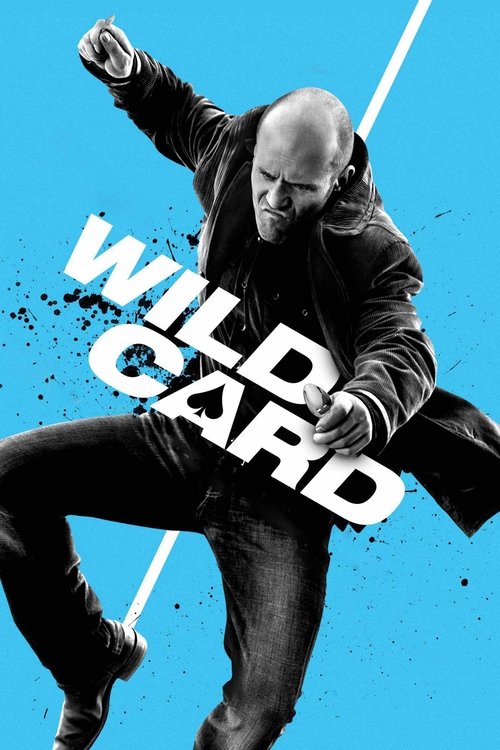
Most people see Jason Statham on a poster and instinctively expect a ninety-minute sprint where he punches a helicopter out of the sky or drives a car through a skyscraper. Wild Card is not that movie. In fact, it’s a film that smells like stale cigarette smoke, damp asphalt, and the kind of quiet desperation you only find in a casino at 4:00 AM. I watched this for the first time while nursing a lukewarm cup of coffee in a hotel room that definitely hadn't been dusted since the Bush administration, and honestly, that’s the optimal way to experience it.
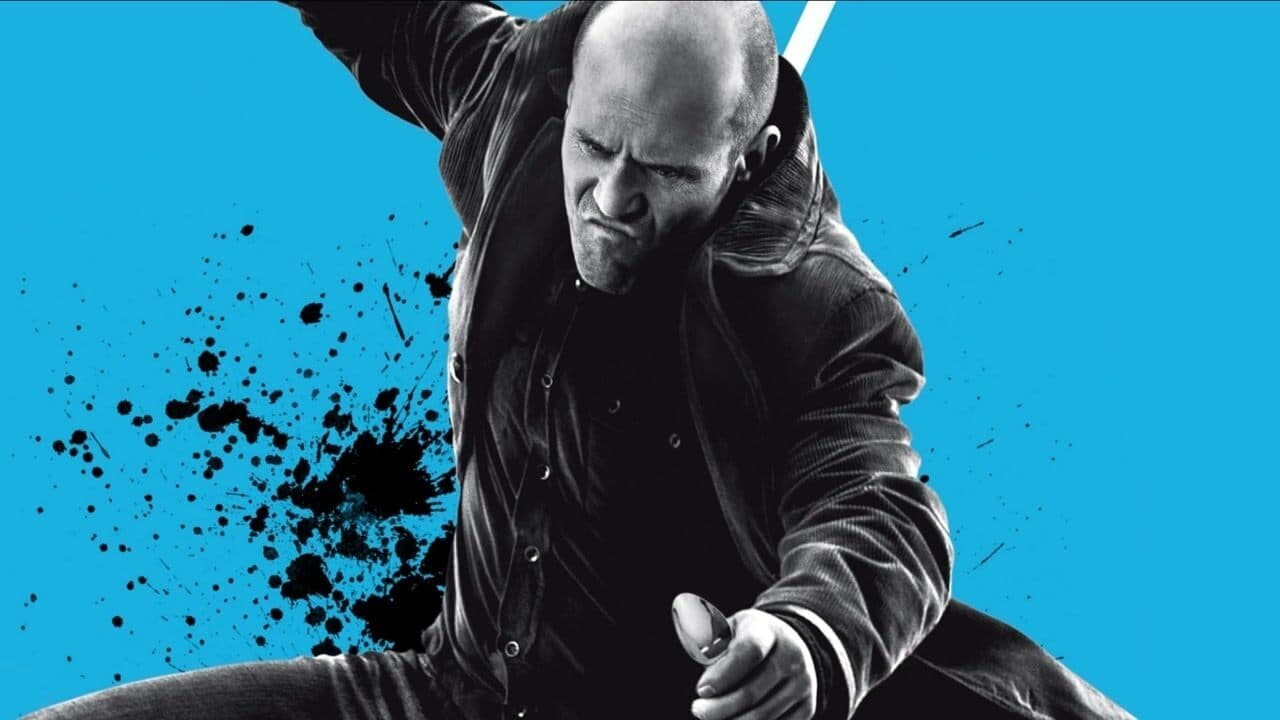
Released in 2015, Wild Card arrived at a weird crossroads in cinema. We were right in the thick of the "Marvel-ization" of the box office, where every action beat had to be a world-ending spectacle. In that landscape, a $30 million character study about a gambling addict who occasionally hits people with office supplies was never going to be a blockbuster. It’s a remake of a 1986 film called Heat (not the Michael Mann masterpiece, settle down), and both were written by the legendary William Goldman. Yes, the man who gave us The Princess Bride and Butch Cassidy and the Sundance Kid spent his final produced screenplay on a Jason Statham Vegas noir. If that doesn't pique your curiosity, I’m not sure what will.
The Final Word From a Legend
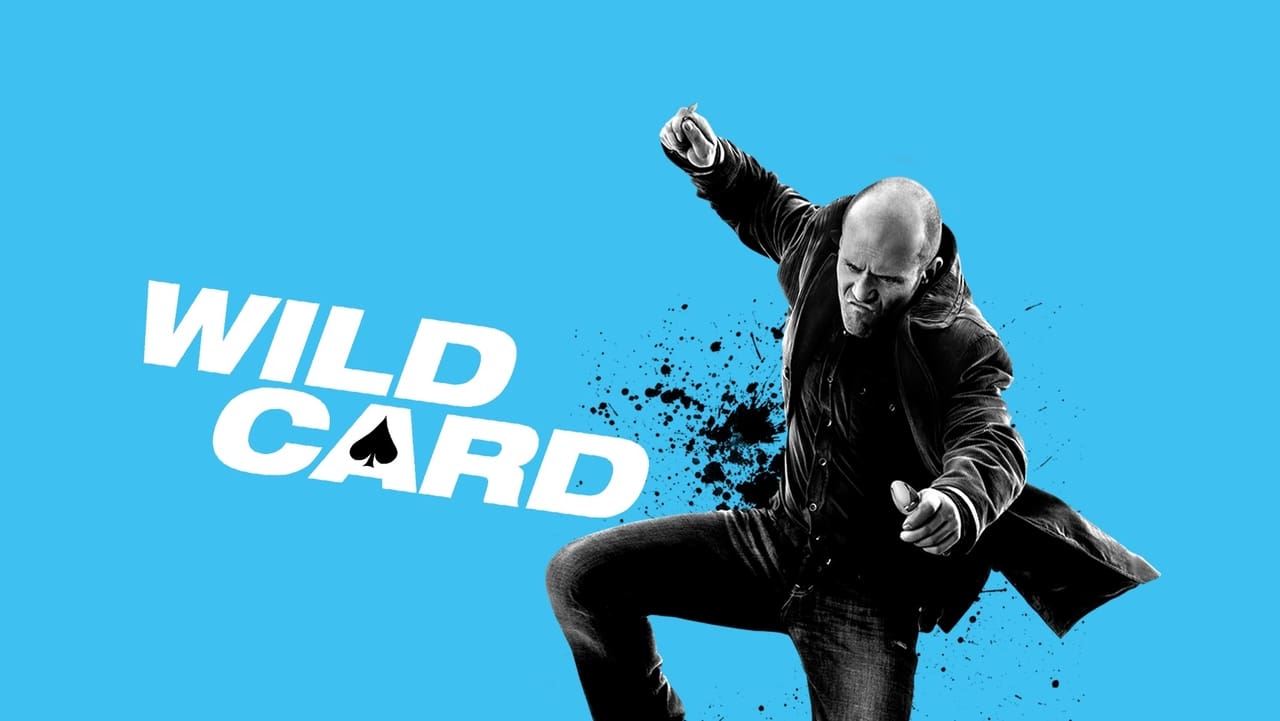
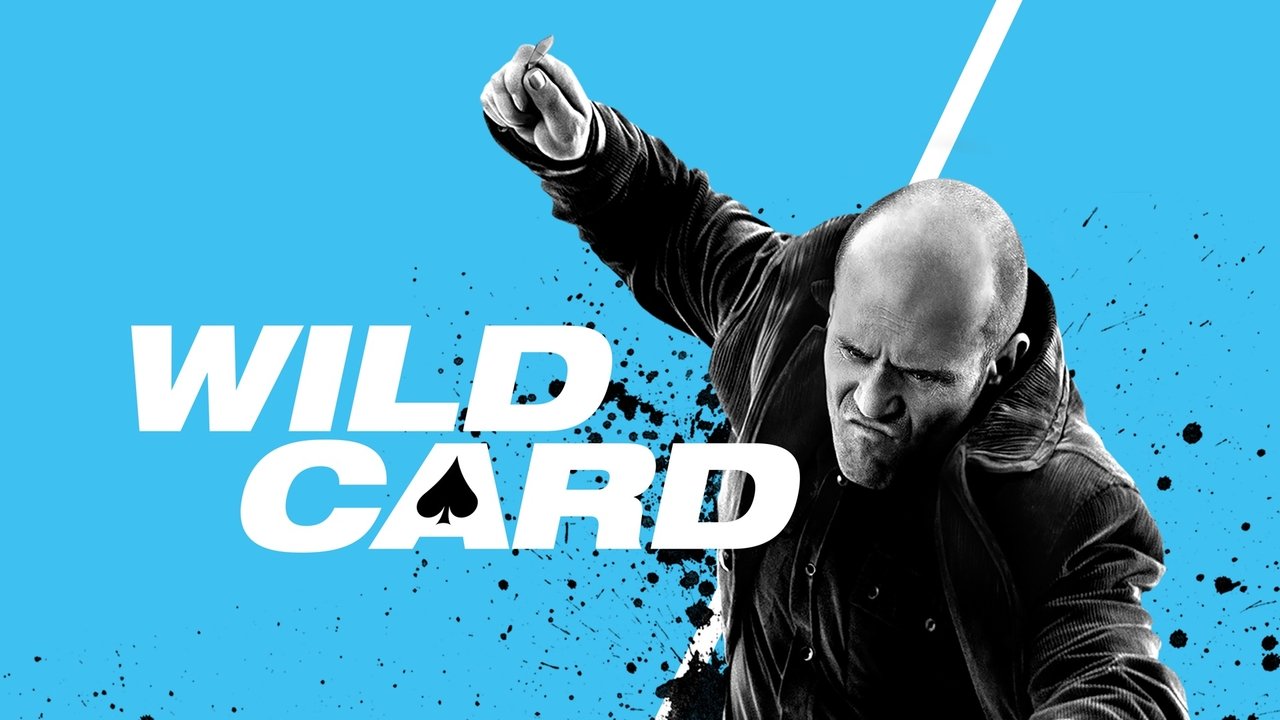
The real star here isn’t the fight choreography; it’s the dialogue. Because this is William Goldman, the script has a rhythmic, almost theatrical quality that you just don't see in modern action films. Statham plays Nick Wild, a "chaperone" (read: unlicensed bodyguard) who dreams of saving up $500,000 to move to Corsica and never see a slot machine again.
Nick doesn't use guns. He hates them. Instead, he uses his environment. There’s a specific kind of melancholy to the way Statham delivers Goldman’s lines. He isn’t the invincible "Transporter" here; he’s a man who is profoundly bored by his own lethality and disgusted by his own lack of self-control. This movie is essentially a high-budget mid-life crisis caught on digital sensor. When he’s sitting at a blackjack table, watching his life’s savings vanish on a single card, you see more pain in his eyes than when he’s actually being stabbed.
The supporting cast is a bizarre, delightful collection of "Hey, it's that guy!" actors. Milo Ventimiglia (Heroes, This Is Us) shows up as a greasy, entitled mob scion who learns the hard way that money can't buy a chin made of granite. Michael Angarano (Almost Famous) plays a young tech millionaire who wants Nick to teach him "courage," which leads to some of the film’s most surprisingly tender moments. Even Hope Davis and Stanley Tucci pop in for what amount to glorified cameos, lending the film a prestige weight that its "straight-to-VOD" reputation belies.
Three Fights and a Funeral
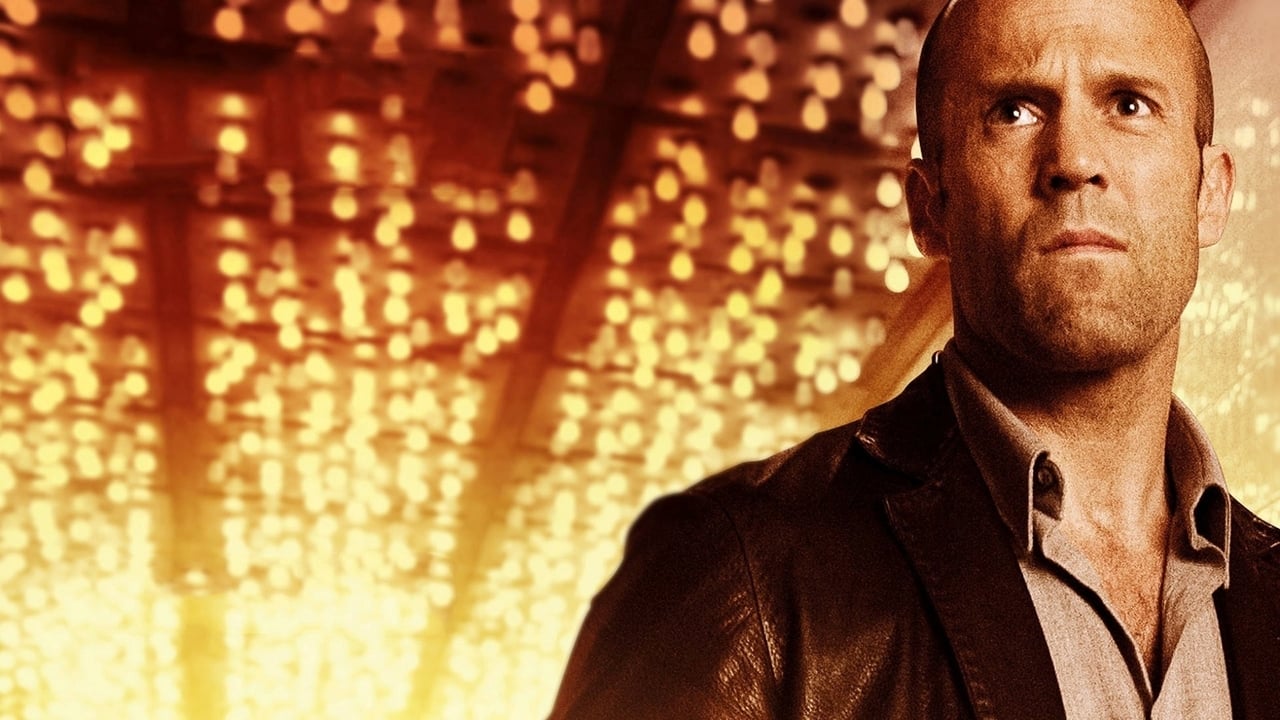
Director Simon West, who previously worked with Statham on The Expendables 2 and the far more explosive Con Air, shows a surprising amount of restraint here. He lets the camera linger on the neon-soaked grime of Vegas, courtesy of Shelly Johnson’s moody cinematography. But when the action does hit, it hits with the force of a sledgehammer.
The fights, choreographed by the great Corey Yuen (Lethal Weapon 4), are brief, brutal, and distinct. There are only three major set pieces in the entire 92-minute runtime. In an era of "action fatigue," where we’re often subjected to twenty-minute CGI-heavy slogs, these sequences feel like a localized earthquake. There’s a particular scene involving a pair of silver spoons that is the most inventive use of cutlery since the invention of the sundae.
The sound design is key here. Every punch feels "crunchy"—you hear the ribs crack and the furniture splinter. It’s physical, messy, and grounded. Because the film spends so much time establishing Nick as a man on the edge, the violence feels like a release valve blowing. It’s not "cool" in the traditional sense; it’s a desperate man using the only tool he has left.
A Victim of the Mid-Budget Purge
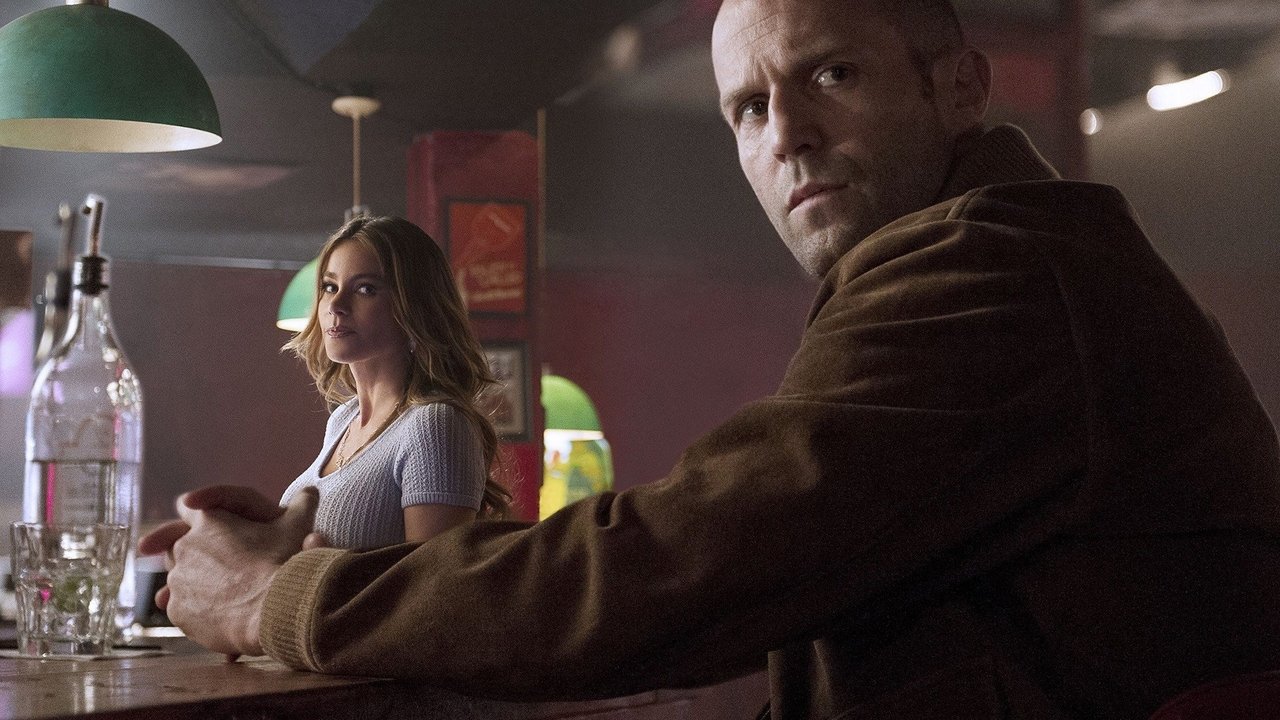
So, why did this movie vanish? It grossed less than $7 million against a $30 million budget. In 2015, the industry was moving away from the "mid-budget adult thriller." These films were being swallowed by streaming services or replaced by $200 million franchise entries. Wild Card felt like a ghost—a 1970s character study dressed in 2015 action clothing. It didn't have a post-credits scene, and it didn't set up a cinematic universe. It just told a story about a guy who was bad at gambling and good at hurting people.
Today, it feels like a hidden gem for anyone tired of the "green-screen blur" of modern blockbusters. It’s a film that respects the audience’s patience, banking on the idea that we care as much about Nick’s psychological collapse as we do about his ability to weaponize a credit card. Statham’s acting range is often unfairly compared to a very handsome brick, but here, he finds the humanity in the hardware.
Wild Card is the cinematic equivalent of a late-night diner meal: it’s not particularly healthy, it’s a bit salty, and it leaves you feeling a strange kind of contemplative blues. It’s a fascinating look at what happens when a legendary screenwriter and a modern action icon try to make something that doesn't fit the mold. It’s flawed, sure—the pacing in the middle act slows to a crawl—but in a world of assembly-line action, its weird, moody heart makes it worth the gamble. Catch it on a rainy Tuesday night; it’ll feel right at home.
Keep Exploring...
-
The Mechanic
2011
-

Mechanic: Resurrection
2016
-
Survivor
2015
-

The Transporter Refueled
2015
-
Security
2017
-
Sleepless
2017
-
The Girl in the Spider's Web
2018
-
The Hurricane Heist
2018
-
Heist
2015
-
Hotel Artemis
2018
-
Dragged Across Concrete
2019
-
Honest Thief
2020
-
Jolt
2021
-
Blitz
2011
-
Copshop
2021
-

Gunpowder Milkshake
2021
-
Terminal
2018
-
Lost Bullet
2020
-
The General's Daughter
1999
-
Hitman: Agent 47
2015