Woman in Gold
"Stolen history. Priceless justice. One gold-leafed lady."
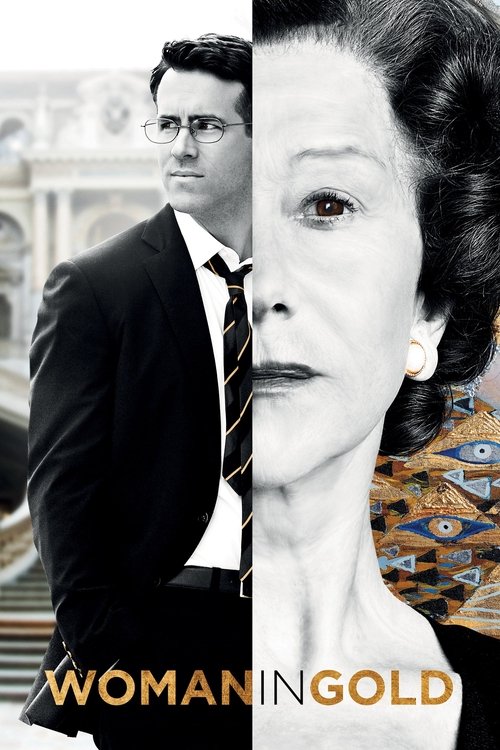
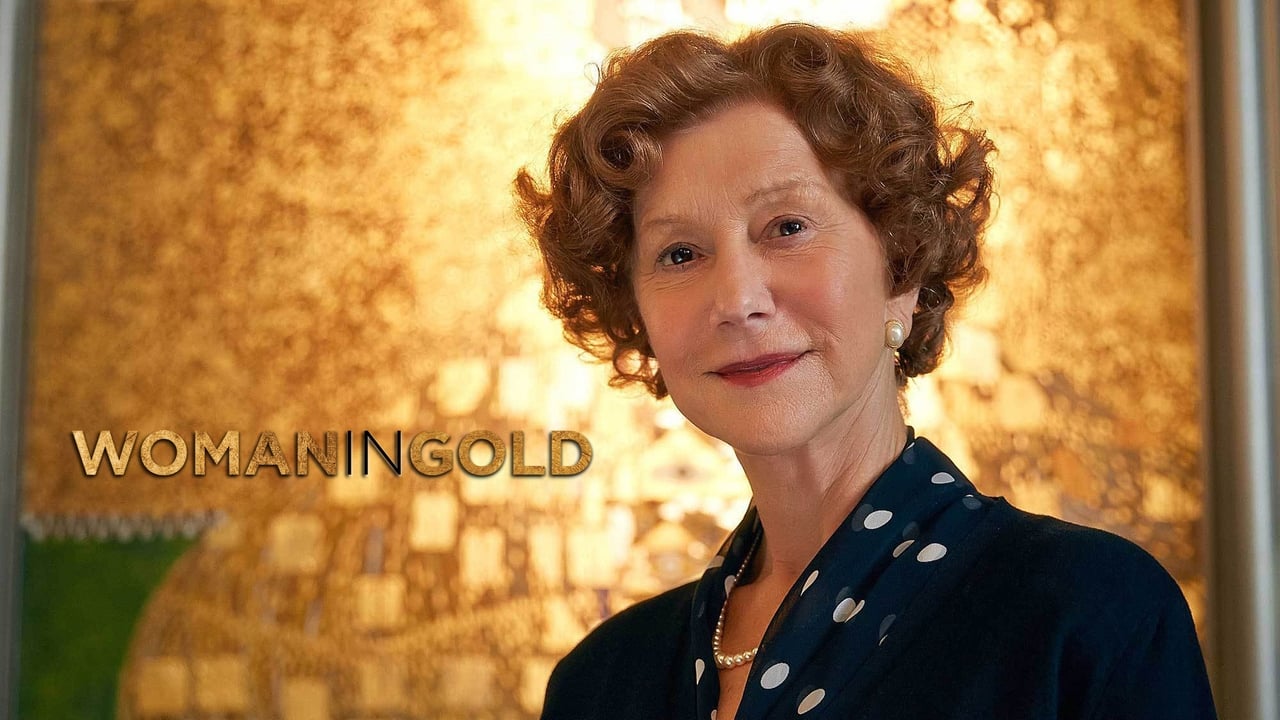
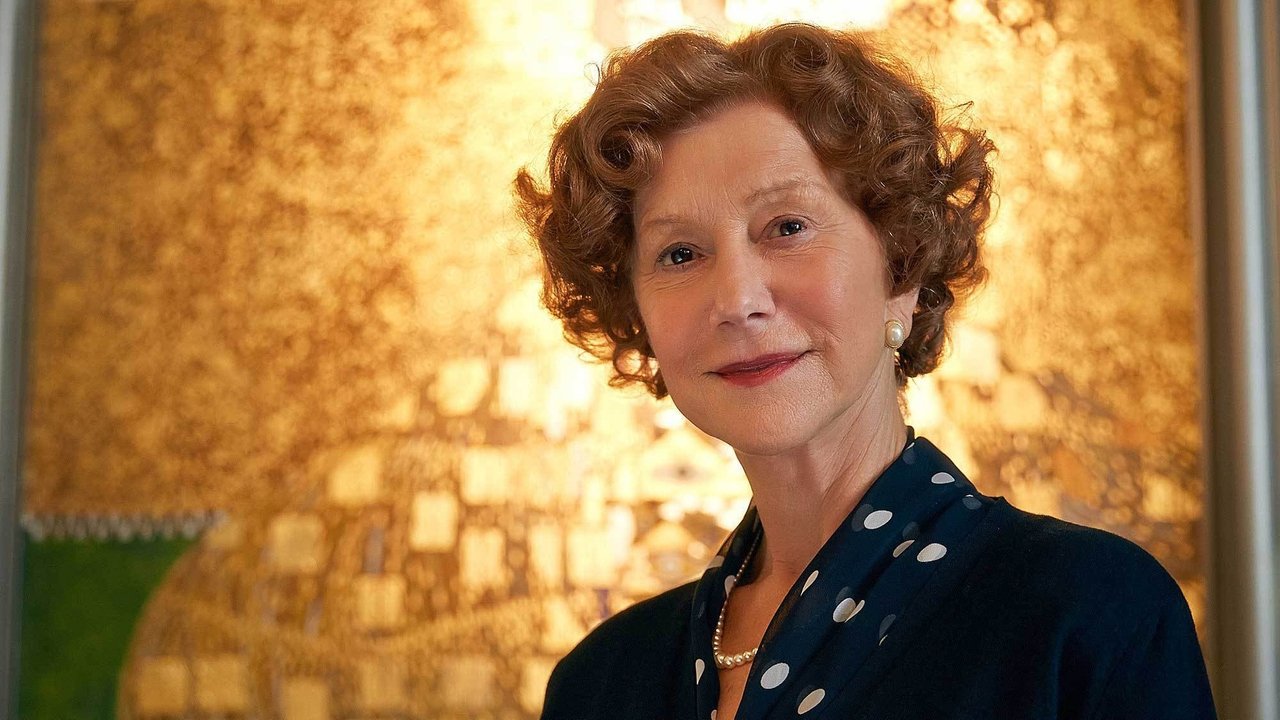
There is a specific kind of quiet, dignified rage that only Helen Mirren can weaponize properly. It isn't the shouting-from-the-rooftops variety; it’s the pursed-lip, sharp-eyed "I am going to destroy your entire legal system while drinking a cup of Earl Grey" energy. In Woman in Gold, she uses that energy to reclaim a family heirloom that just happens to be one of the most famous paintings on the planet. I watched this film on a Tuesday evening while my neighbor was seemingly trying to assemble a mahogany wardrobe with a sledgehammer, and yet, the tension between Mirren and a room full of Austrian bureaucrats was significantly more impactful.
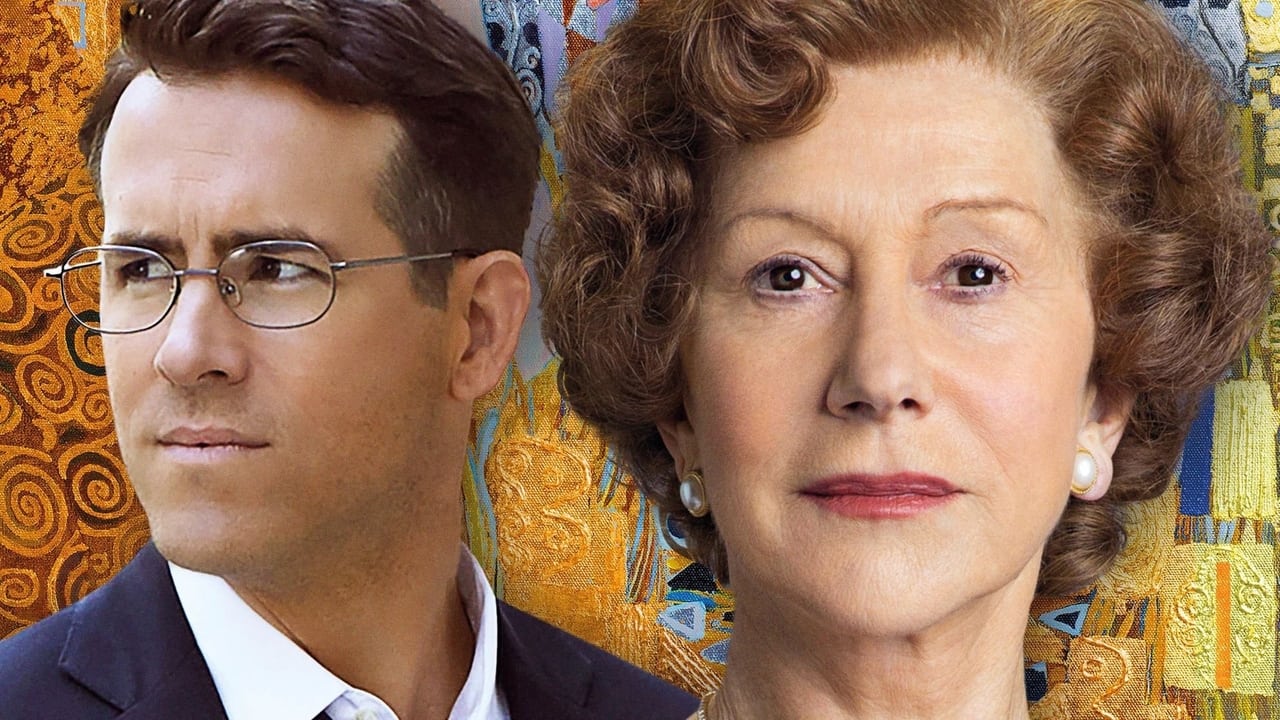
Released in 2015, Woman in Gold belongs to that increasingly rare species of cinema: the mid-budget, adult-oriented prestige drama that actually made money at the box office. In today’s landscape, this would likely be a three-part miniseries on a streaming platform, padded with unnecessary subplots. But here, director Simon Curtis—who previously gave us the charming My Week with Marilyn—keeps the runtime lean and the stakes personal. It’s a film about the Holocaust that avoids being "misery porn" by focusing on the legal and emotional fallout decades later.
A Masterclass in Unlikely Chemistry
The core of the film is the odd-couple pairing of Maria Altmann (Helen Mirren), an octogenarian Jewish refugee living in Los Angeles, and Randol Schoenberg (Ryan Reynolds), a struggling lawyer who is the grandson of the famous composer Arnold Schoenberg. If you only know Ryan Reynolds as the guy who breaks the fourth wall to make jokes about his own spandex, seeing him here is a genuine shock to the system. Ryan Reynolds acting with his face instead of his sarcasm is a rare vintage. He plays Randol with a stuttering, nerdy earnestness that shouldn't work opposite Mirren’s steeliness, but somehow, it’s the heartbeat of the movie.
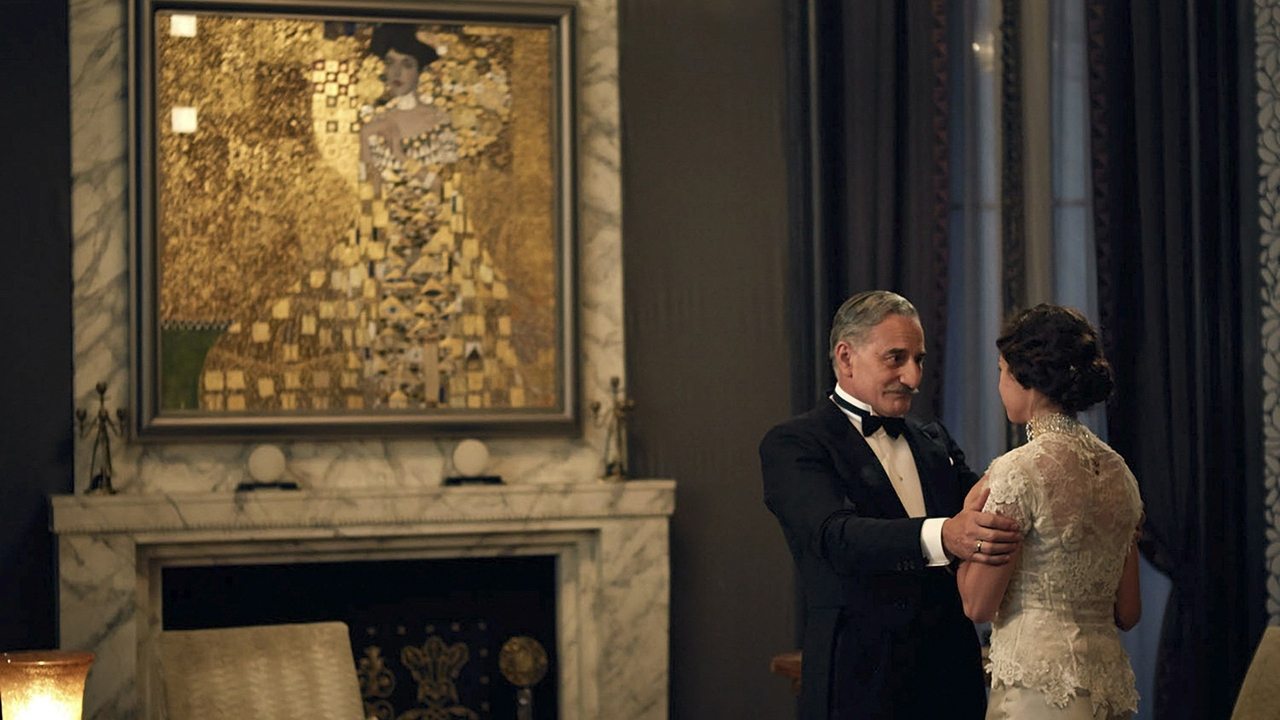
I’ll admit, I was skeptical. On paper, putting the guy from Van Wilder next to a Dame of the British Empire feels like a casting dare gone wrong. But their chemistry works because it feels earned. They aren’t just fighting for a Gustav Klimt painting; they’re fighting against the collective amnesia of a nation. Austria is portrayed as the ultimate bureaucratic final boss, clinging to the "Portrait of Adele Bloch-Bauer I" with a desperate, white-knuckled grip, insisting it’s a "national treasure" while conveniently forgetting how they acquired it in the first place.
The Weight of the Past
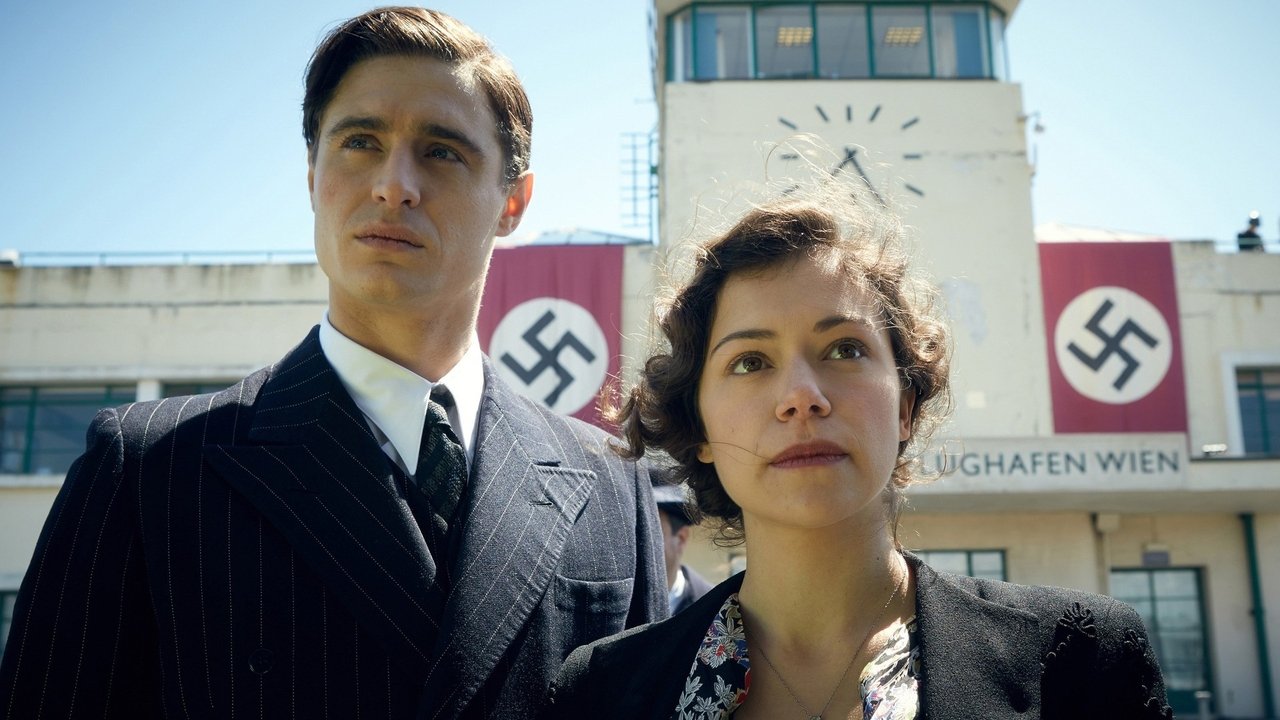
While the present-day legal maneuvering is engaging, the film’s emotional depth comes from the flashbacks to 1930s Vienna. Tatiana Maslany (the shapeshifter from Orphan Black) plays the young Maria, and she is spectacular. These sequences capture the slow-motion horror of the Nazi annexation—not with grand battle scenes, but through the small, terrifying erasures of daily life. The scene where Maria has to say goodbye to her parents, knowing she’s leaving them to a certain doom, is a sequence that I still think about whenever I see a Klimt print in a museum gift shop.
The cinematography by Ross Emery does a great job of contrasting the warm, sun-drenched haze of modern California with the cold, imposing marble of Vienna. It visually reinforces Maria’s internal conflict: the life she built versus the life that was stolen. My only real gripe is that the film occasionally leans into "courtroom drama" tropes that feel a bit too polished. There’s a scene where Ryan Reynolds has a realization in front of a monument that feels like it was written specifically for the Oscar reel, but the performances are strong enough to carry the weight of the occasional cliché.
Stuff You Didn't Notice
One of the more fascinating details about the production is that Tatiana Maslany actually learned German for the role to ensure her scenes with Max Irons (who plays her husband, Fritz) felt authentic. It’s that kind of dedication that keeps the historical segments from feeling like a "History Channel" reenactment. Also, if you look closely at the legal documents in the film, they are meticulous recreations of the actual filings from the Altmann v. Republic of Austria case, which eventually went all the way to the U.S. Supreme Court.
Interestingly, the real Randol Schoenberg used his portion of the legal fees from the eventual sale of the painting to fund a massive expansion of the Los Angeles Museum of the Holocaust. It’s a nice bit of real-world symmetry that matches the film’s theme of turning stolen history into a legacy of remembrance. Even the score, a collaboration between Hans Zimmer and Martin Phipps, manages to be evocative without being overbearing—a feat for Hans Zimmer, who usually likes to turn the volume up to eleven.
Woman in Gold is a film that reminds me why we need these kinds of stories told on a human scale. It isn't trying to reinvent the cinematic wheel; it's trying to honor a woman who refused to let the world forget a crime just because the paperwork was old. It’s a "justice is served" story that feels deeply satisfying without being saccharine. If you're looking for a drama that offers intellectual weight alongside great performances, this one is worth the watch.
Whether you're an art history buff or just someone who enjoys seeing Helen Mirren take down arrogant politicians, there’s a lot to love here. It’s a reminder that sometimes, the most radical thing you can do is ask for your stuff back. It’s a solid, well-told story that respects its audience and its subject matter in equal measure. Definitely worth a stream next time you're in the mood for something with a bit of "prestige" soul.
Keep Exploring...
-

Goodbye Christopher Robin
2017
-
The Art of Racing in the Rain
2019
-
Eye in the Sky
2015
-
The Wife
2018
-

My Week with Marilyn
2011
-
Colonia
2015
-

Suite Française
2015
-

Stronger
2017
-

The Zookeeper's Wife
2017
-
Suffragette
2015
-

A Street Cat Named Bob
2016
-
Florence Foster Jenkins
2016
-

Judy
2019
-
Anomalisa
2015
-

Beasts of No Nation
2015
-
Bāhubali: The Beginning
2015
-
Dope
2015
-
Entourage
2015
-
Far from the Madding Crowd
2015
-

Fathers and Daughters
2015