Z for Zachariah
"The last three people on Earth are two too many."
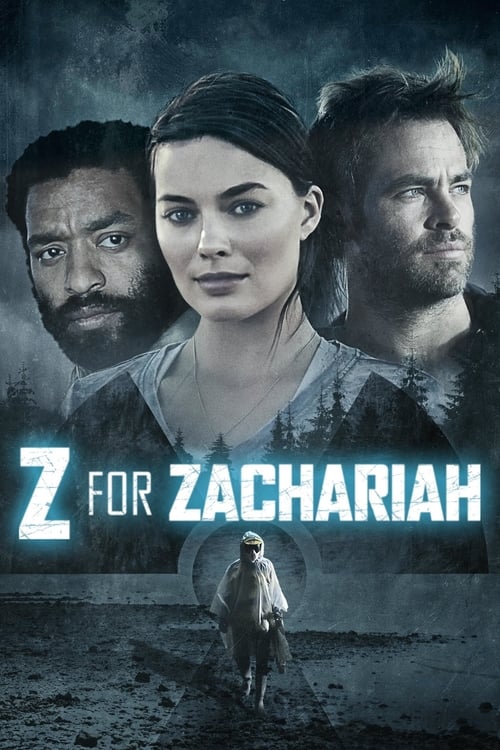
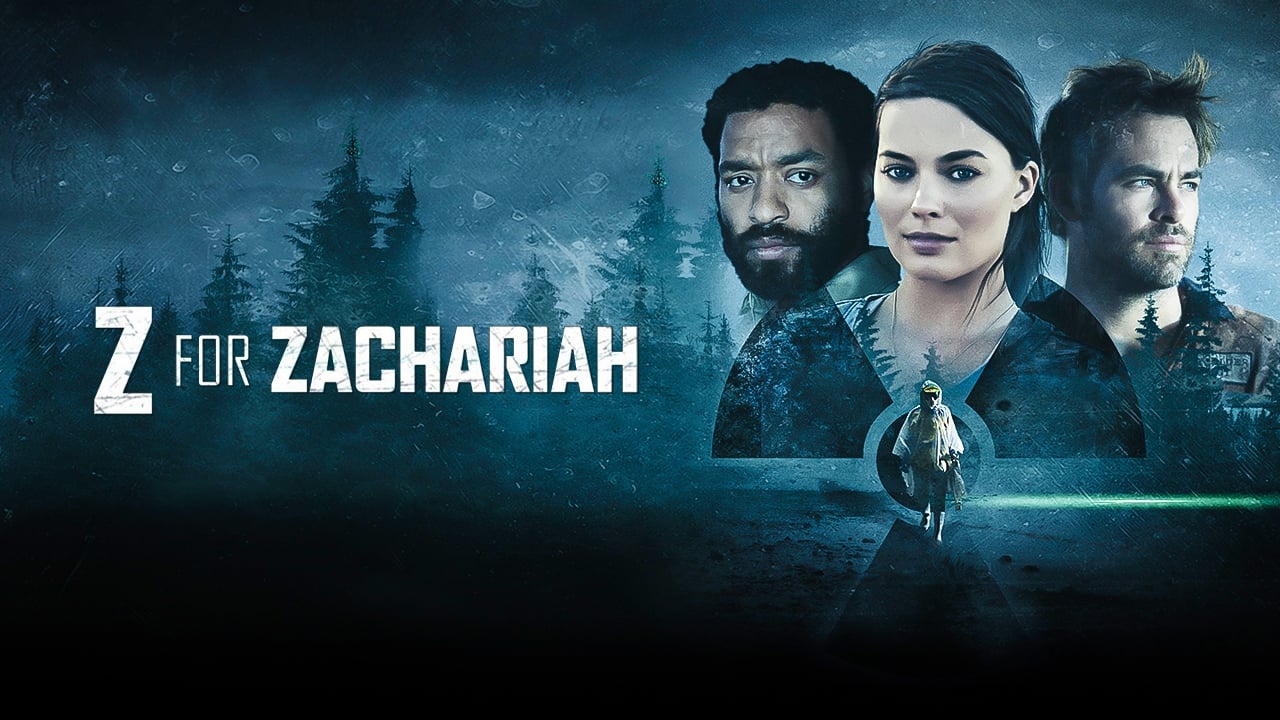
Imagine a casting call for a 2015 blockbuster: you’ve got Margot Robbie right as her star is turning into a supernova, Chiwetel Ejiofor fresh off an Oscar nomination for 12 Years a Slave, and Chris Pine operating at peak "movie star" capacity. You’d expect a $200 million opening weekend and a cross-promotional deal with a fast-food chain. Instead, Z for Zachariah grossed about $120,000 and vanished into the "Recommended for You" ether of streaming services. It is the ultimate ghost movie—a prestige drama with A-list DNA that somehow slipped through the cracks of the mid-2010s.
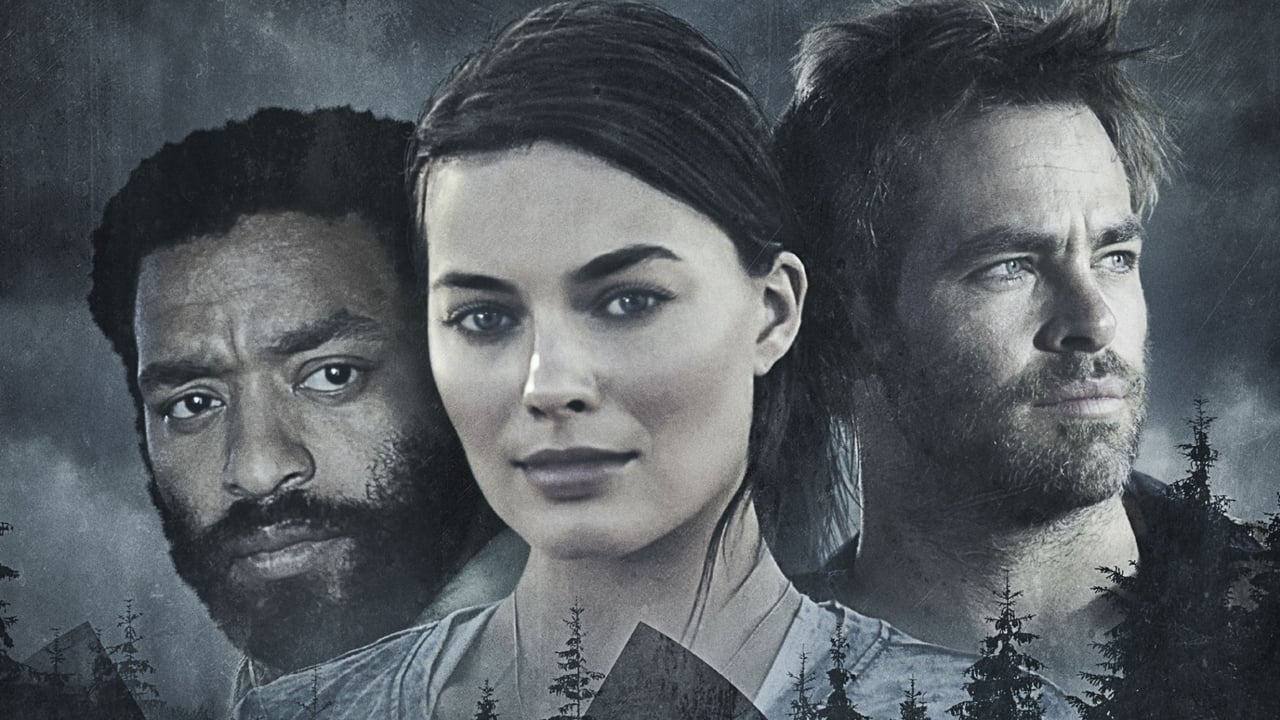
I stumbled upon this film on a Tuesday night while balancing a plate of lukewarm, over-salted spaghetti on my lap, and honestly, the sheer quietness of the movie made me feel like I was the only person left in my apartment complex. It’s an intimate, slow-burn experience that feels less like a survival thriller and more like a high-stakes stage play where the stage happens to be a breathtakingly beautiful valley in West Virginia (actually New Zealand, but the camera hides the hobbits well).
The Garden of Eden With a Geiger Counter
The story strips the apocalypse of its usual cinematic baggage. There are no zombies, no roving gangs of leather-clad raiders, and no collapsing skyscrapers. Instead, we have Ann (Margot Robbie), a young woman who has survived a nuclear event by the grace of geography. Her family farm sits in a valley with its own self-contained weather system, keeping the radiation at bay. She’s alone, living a life of pious, rugged solitude until Loomis (Chiwetel Ejiofor) wanders in wearing a radiation suit that looks like it belongs in a 1970s NASA warehouse.
The first act is a beautiful, patient two-hander. Loomis is a scientist—pragmatic, scarred, and haunted. Ann is a woman of deep, unshakeable faith. Their burgeoning relationship isn't just about romance; it’s about the collision of worldviews. I found myself deeply invested in their mundane tasks, like trying to restore a water wheel or deciding how to ration fuel. There’s a scene involving a bath that carries more tension than most Marvel third acts. Margot Robbie delivers a performance here that reminds me why she became a mogul; she plays Ann with a grounded, soulful simplicity that never feels like a "movie star playing down."
Three’s a Crowd at the End of the World
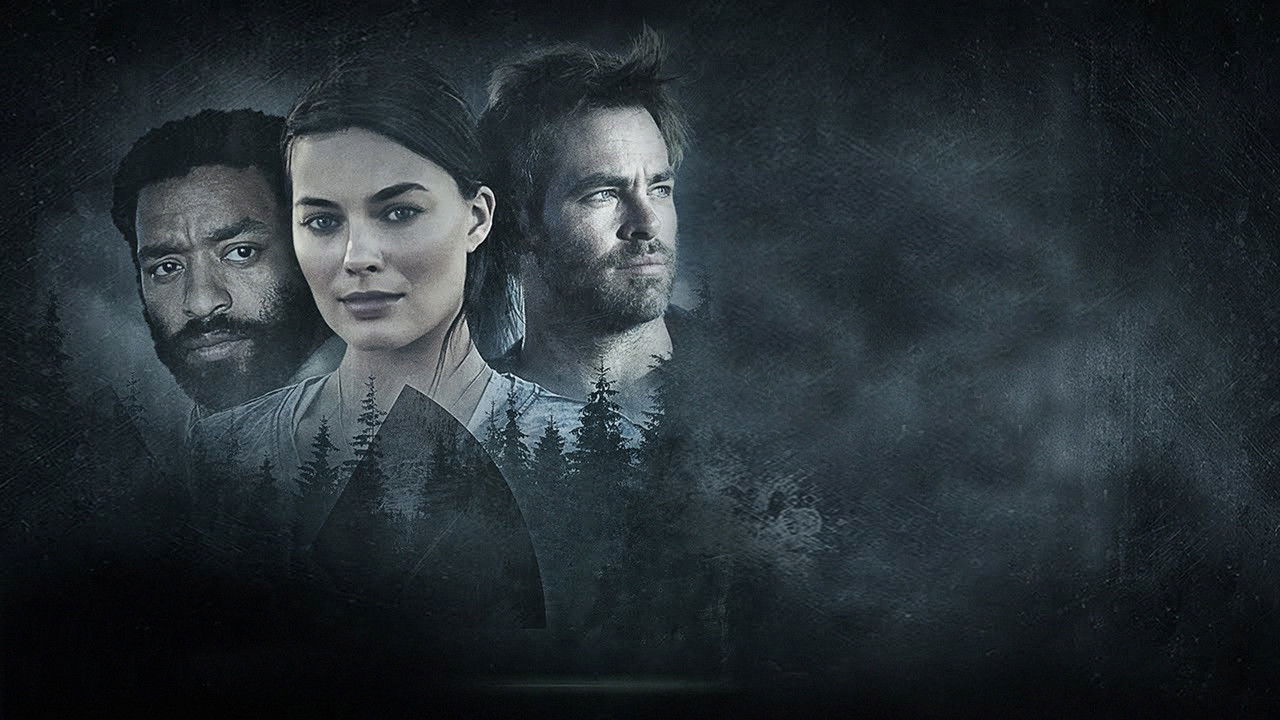
Just as these two find a rhythm—a fragile peace that suggests humanity might actually have a shot—Caleb (Chris Pine) arrives. Caleb is everything Loomis isn't: younger, charming in a "guy who definitely started a frat" kind of way, and a fellow believer in Ann’s faith. His presence immediately shifts the air in the valley.
The film transforms into a psychological chess match. It’s a subversion of the "last man on earth" trope because, suddenly, there are two, and the competition for the "last woman" turns the Garden of Eden into a pressure cooker. Chris Pine is at his absolute best when he’s playing a character you want to punch in the face, and here he manages to be both sympathetic and deeply unsettling. You’re never quite sure if he’s a genuine survivor or a calculated interloper, and that ambiguity is where director Craig Zobel (who did wonders with Compliance and later Mare of Easttown) really shines. He doesn't give us easy answers.
Why Did This Disappear?
It’s baffling that a movie this well-acted and visually stunning (cinematographer Tim Orr makes the apocalypse look like a National Geographic spread) essentially bypassed the cultural conversation. Part of it was likely the timing. 2015 was the year of Mad Max: Fury Road, a film that redefined the post-apocalypse as a high-octane, neon-drenched fever dream. Z for Zachariah is the polar opposite. It’s a movie that asks you to lean in and listen to the sound of the wind. Post-apocalyptic movies should be banned from using grey filters; let the end of the world be green and vibrant like it is here.
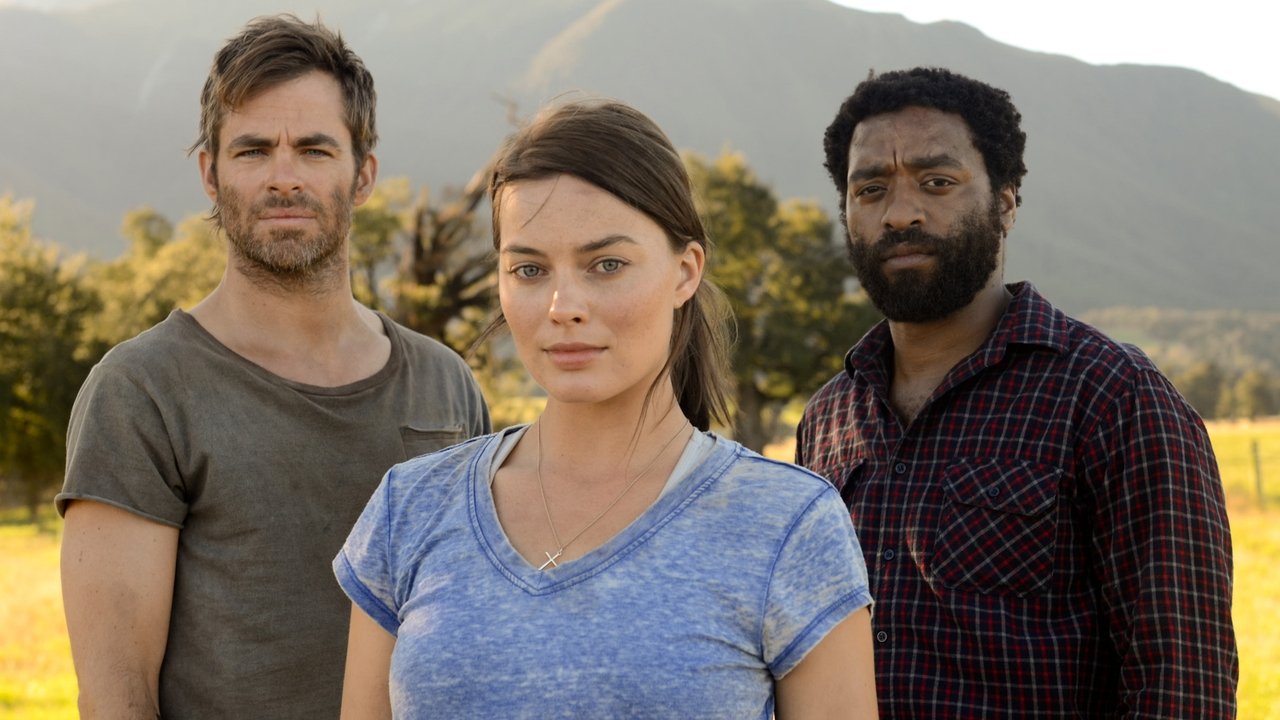
The film also took a massive gamble by departing from the beloved YA novel by Robert C. O’Brien. In the book, Caleb doesn't exist. The movie’s decision to introduce a third wheel changed the DNA of the story from a survivalist coming-of-age tale into a murky, adult exploration of jealousy and tribalism. For some, that was a dealbreaker. For me, it made the film feel much more relevant to our current moment of social friction and "us vs. them" mentalities.
Apparently, the production was just as isolated as the characters; they filmed in a remote corner of New Zealand’s South Island, and you can feel that genuine seclusion in every frame. There’s no CGI trickery helping the atmosphere—it’s just three actors in the woods, dealing with the weight of the world ending.
Z for Zachariah is a "quiet" movie in an era that loves to scream, which is exactly why it’s worth your time now. It’s a masterclass in tension and subtext, anchored by three actors who are far better than the film’s box office numbers would suggest. If you're tired of the world-ending being about explosions and want to see what happens when the apocalypse gets personal, this is a hidden gem waiting to be rediscovered. Just make sure your spaghetti is properly salted before you hit play.

Keep Exploring...
-
The Discovery
2017
-
Equals
2015
-
2:22
2017
-
Attraction
2017
-
You Get Me
2017
-
Extinction
2018
-
The Vast of Night
2019
-
Rebecca
2020
-
Terminal
2018
-
Crimes of the Future
2022
-
Slow West
2015
-

Victor Frankenstein
2015
-
The Circle
2017
-
Replicas
2018
-
Glass
2019
-
Batman vs. Robin
2015
-

Dark Places
2015
-
Heist
2015
-
One Wild Moment
2015
-
Before I Wake
2016