20th Century Women
"Motherhood is a messy, collective art form."
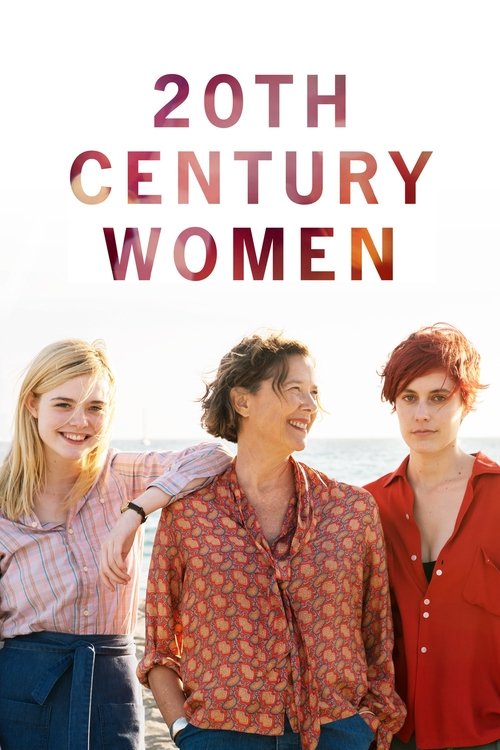
There is a specific, dusty sunlight that only seems to exist in late-70s California, a hazy golden hour that feels like it’s holding its breath before the 1980s arrive to ruin the party. It’s the kind of light that hits a cigarette cherry just right and makes a dilapidated Santa Barbara Victorian house look like a cathedral of lost causes. This is the world Annette Bening inhabits in 20th Century Women, a film that feels less like a directed narrative and more like a box of Polaroids someone accidentally spilled across a hardwood floor.
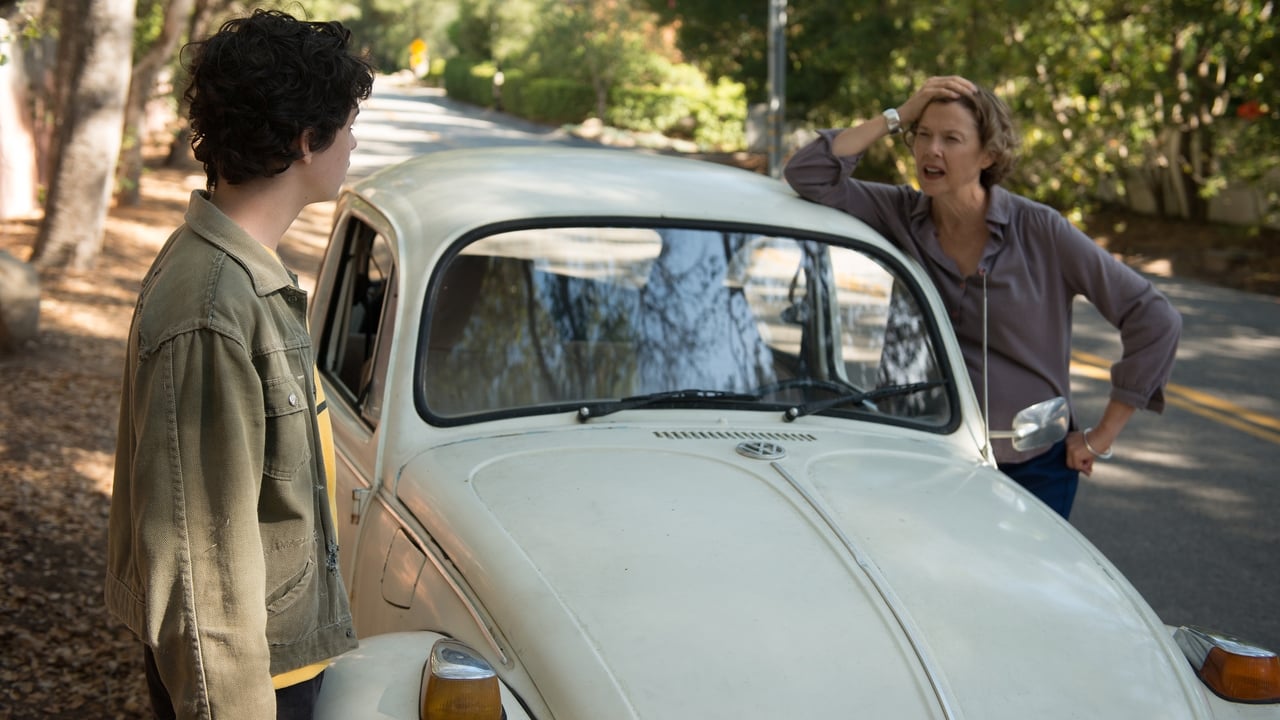
I watched this for the third time on a Tuesday afternoon while wearing mismatched socks that were still slightly damp from a sudden rainstorm, and honestly, that damp, slightly uncomfortable domestic realism made the film’s cluttered, lived-in energy resonate even more. It’s a movie about the impossibility of ever truly knowing your parents, and the beautiful, desperate ways we try to bridge that gap anyway.
The Architecture of a Mother
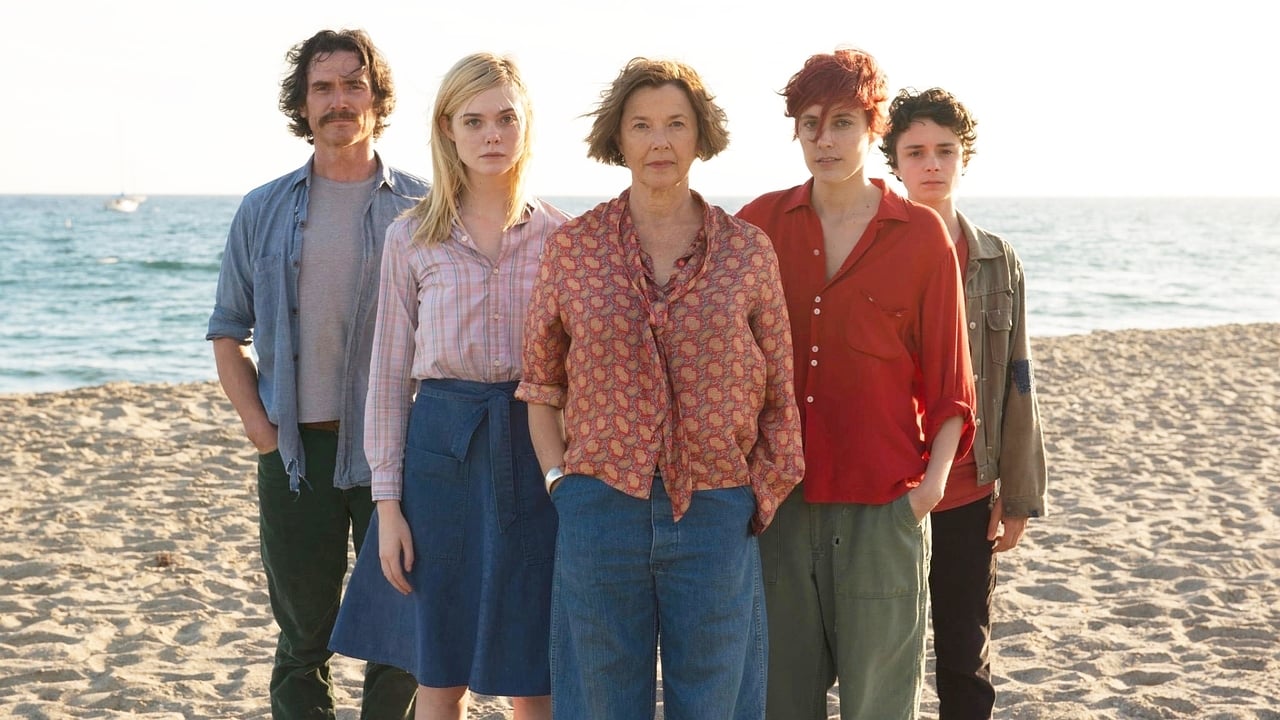
At the center of the storm is Dorothea, played by Annette Bening with a performance so lived-in you can almost smell the Salem Lights on her breath. Dorothea is a woman born in the Depression, raising a teenage son, Jamie (Lucas Jade Zumann), in 1979—a year defined by Jimmy Carter’s "Malaise" speech and the encroaching shadow of punk rock. Dorothea is wise enough to know she can’t teach her son how to be a "modern man" on her own, so she recruits a makeshift village.
The chemistry between Annette Bening and Lucas Jade Zumann is the film’s spine. It’s awkward, tender, and occasionally sharp. Bening doesn't play Dorothea as a "movie mom"; she’s a person who happens to have a son. She’s fiercely independent, slightly eccentric, and deeply lonely in a way she refuses to acknowledge. Watching her try to understand the Talking Heads or explain why she doesn't need a husband is a masterclass in subtlety. Annette Bening has a way of listening with her whole body that makes most other actors look like they’re just waiting for their turn to speak.
Punk Rock and Period Pains
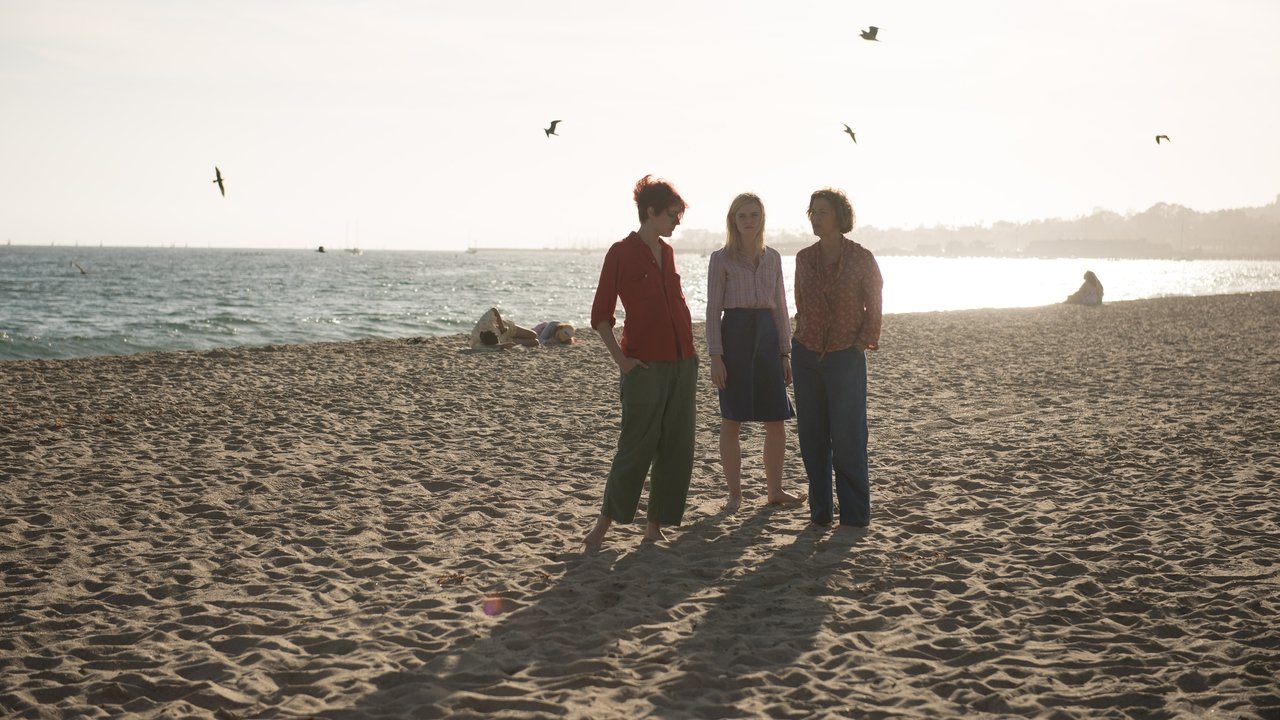
The "village" Dorothea assembles includes Abbie (Greta Gerwig) and Julie (Elle Fanning). Greta Gerwig, long before she was the architect of the Barbie juggernaut, was the reigning queen of indie-darling awkwardness. As a red-haired photographer dealing with a cervical cancer scare, she brings a frantic, vulnerable energy to the house. The scene where she forces a dinner party to say the word "menstruation" until the men (including a delightfully confused Billy Crudup) are visibly twitching is legendary.
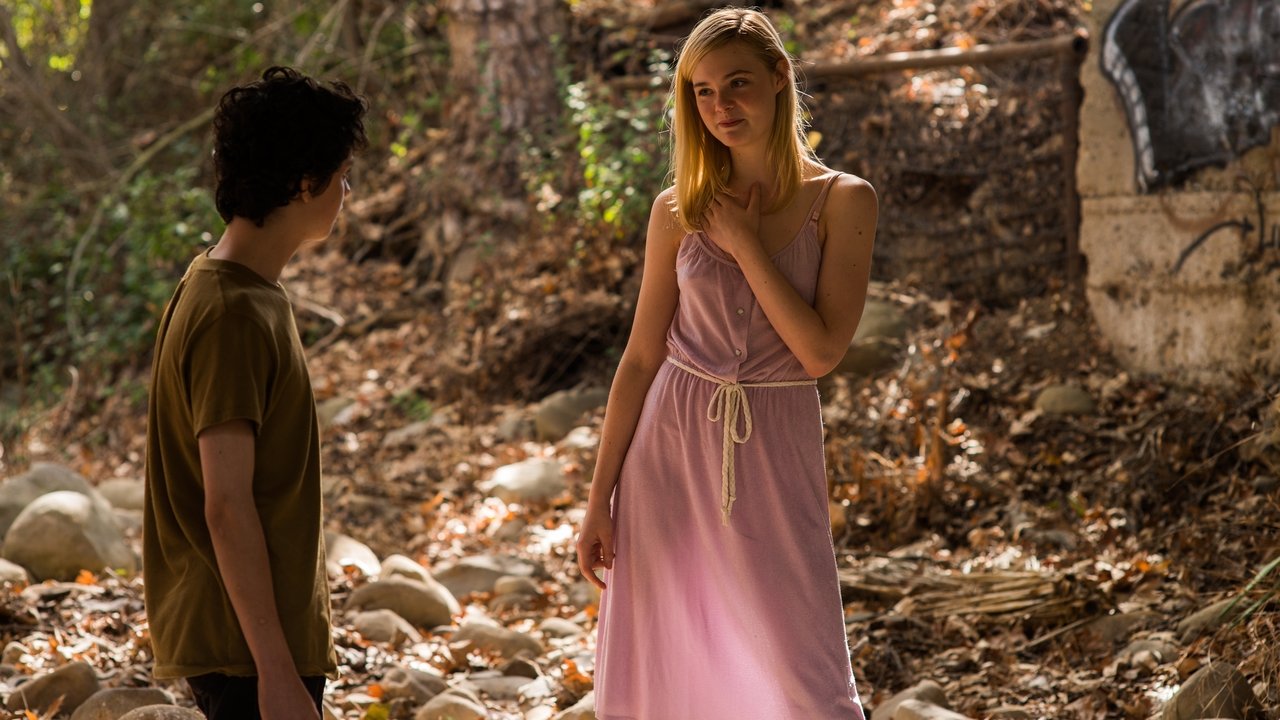
Then there’s Elle Fanning as the neighbor, Julie. She’s the girl Jamie is hopelessly in love with, but she’s also a girl who is performing "womanhood" in a way that is both provocative and deeply sad. Fanning captures that specific teenage paradox of feeling a thousand years old while having no idea how to cross the street. Watching these three women try to "build" a boy is like seeing a committee try to paint a masterpiece using only their feelings.
The film’s director, Mike Mills, has a background in graphic design and music videos (having worked with Air and Moby), and it shows in the film’s rhythmic editing. He uses stock footage, historical montages, and literary excerpts to ground the characters in their specific moment. It’s a technique that could feel pretentious, but here it feels essential—a way of saying that these people aren't just characters; they are products of history.
Why It Slipped Through the Cracks
Despite an Oscar nomination for Best Original Screenplay, 20th Century Women never quite became the cultural touchstone it deserved to be. Released in late 2016, it was swallowed whole by the neon spectacle of La La Land and the profound gravity of Moonlight. It’s a "vibes" movie in an era where audiences were increasingly being trained to look for high-concept hooks or franchise potential.
Turns out, Mike Mills based the film almost entirely on his own childhood and his mother. He actually gave Annette Bening his mother’s real jewelry to wear during filming to help her find the character. It’s the second part of a loose trilogy that started with Beginners (about his father) and concluded with C’mon C’mon. The budget was a lean $7 million, and while it didn't set the box office on fire, it has found a second life as a "comfort watch" for people who like their cinema to feel like a warm, slightly chaotic hug.
The film doesn't offer easy answers because 1979 didn't have them, and 2016 didn't either. It suggests that the best way to raise a person is to simply show up and be honest about how confused you are. By the time the credits roll over a montage of the characters’ futures, you don't just feel like you’ve watched a movie—you feel like you’ve been allowed to look through someone else’s private family album. It’s a quiet, shimmering achievement that proves the most epic stories are often the ones happening inside a drafty house in California.
Keep Exploring...
-
Trumbo
2015
-
Beginners
2011
-
Anomalisa
2015
-
Beasts of No Nation
2015
-
Dope
2015
-
Far from the Madding Crowd
2015
-
Mr. Holmes
2015
-

Pawn Sacrifice
2015
-
Jackie
2016
-
Loving
2016
-
The Infiltrator
2016
-
The Light Between Oceans
2016
-
Battle of the Sexes
2017
-

Detroit
2017
-
Mudbound
2017
-

Only the Brave
2017
-
Professor Marston and the Wonder Women
2017
-
Stronger
2017
-

The Meyerowitz Stories (New and Selected)
2017
-
The Zookeeper's Wife
2017