A Hologram for the King
"The king is busy, but the salesman is ready."
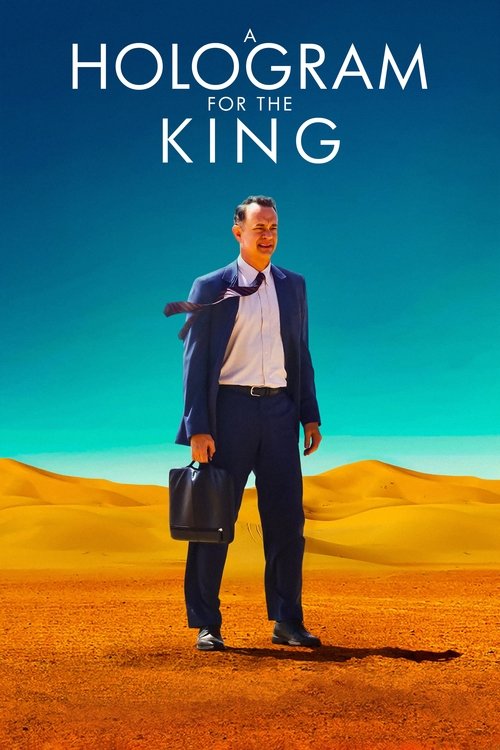
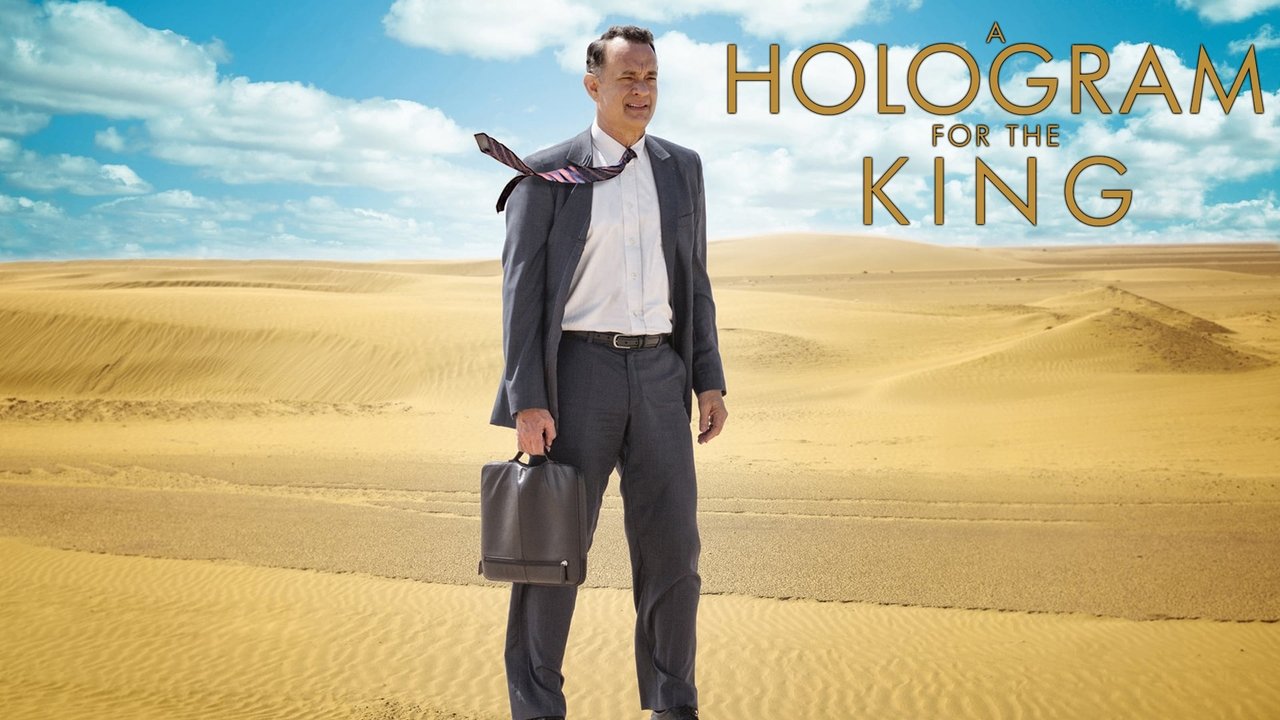
There is something inherently funny about watching Tom Hanks—the man we’ve collectively designated as the world’s most reliable neighbor—slowly lose his mind in a literal tent in the Saudi Arabian desert. He’s not fighting a war or surviving a crash this time; he’s just trying to sell a holographic teleconferencing system to a king who never shows up. It’s Waiting for Godot with a PowerPoint presentation and a very concerning lump on a middle-aged man’s back.
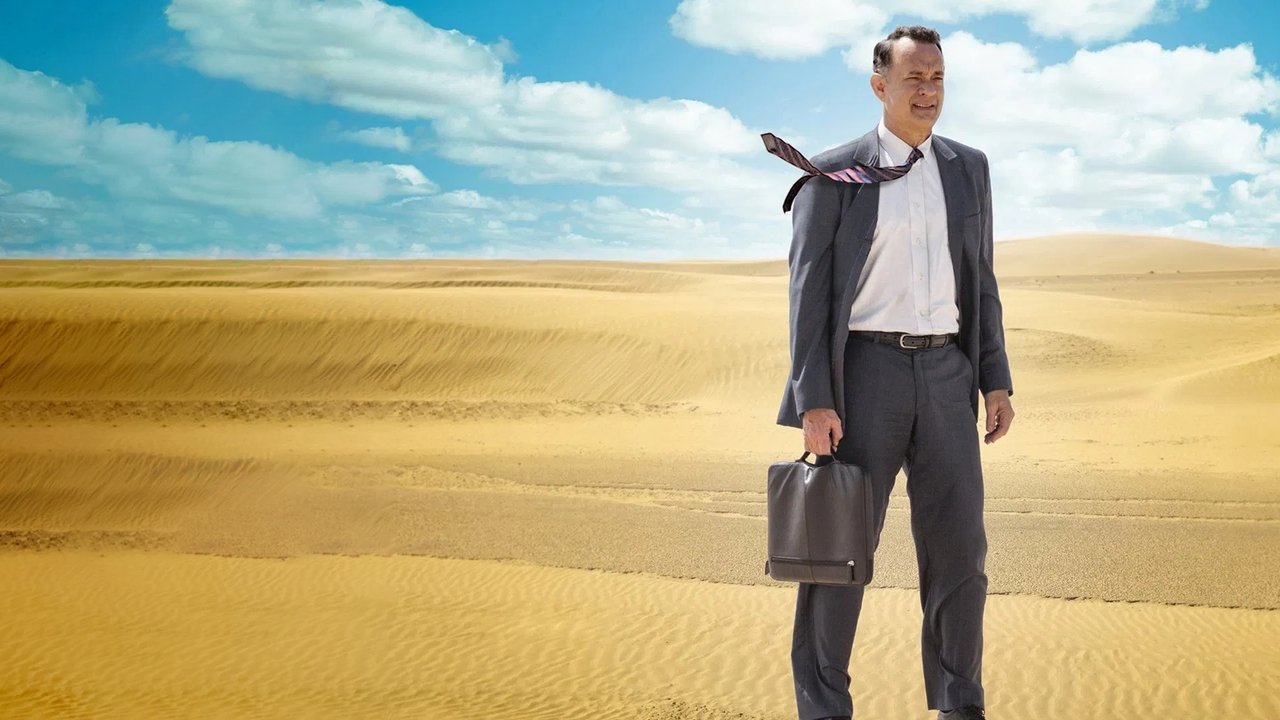
I watched this film on a Tuesday evening while eating a bowl of slightly over-salted popcorn, sitting in a chair that has a permanent squeak whenever I lean left, and that minor physical annoyance actually made me feel a strange kinship with Alan Clay. Like Alan, I was just trying to get through the day while dealing with small, nagging discomforts.
The Salesman in the Void
Released in 2016, A Hologram for the King arrived at a strange crossroads for the mid-budget adult drama. This was the era where "Dad Movies"—those reliable, character-driven stories that don’t involve capes or multi-film universes—were beginning to migrate almost exclusively to streaming platforms. Seeing a film like this in a theater back then felt like a bit of a throwback, which is ironic considering the plot is all about the terrifying "newness" of the global economy and the fear of being replaced by someone younger and cheaper.
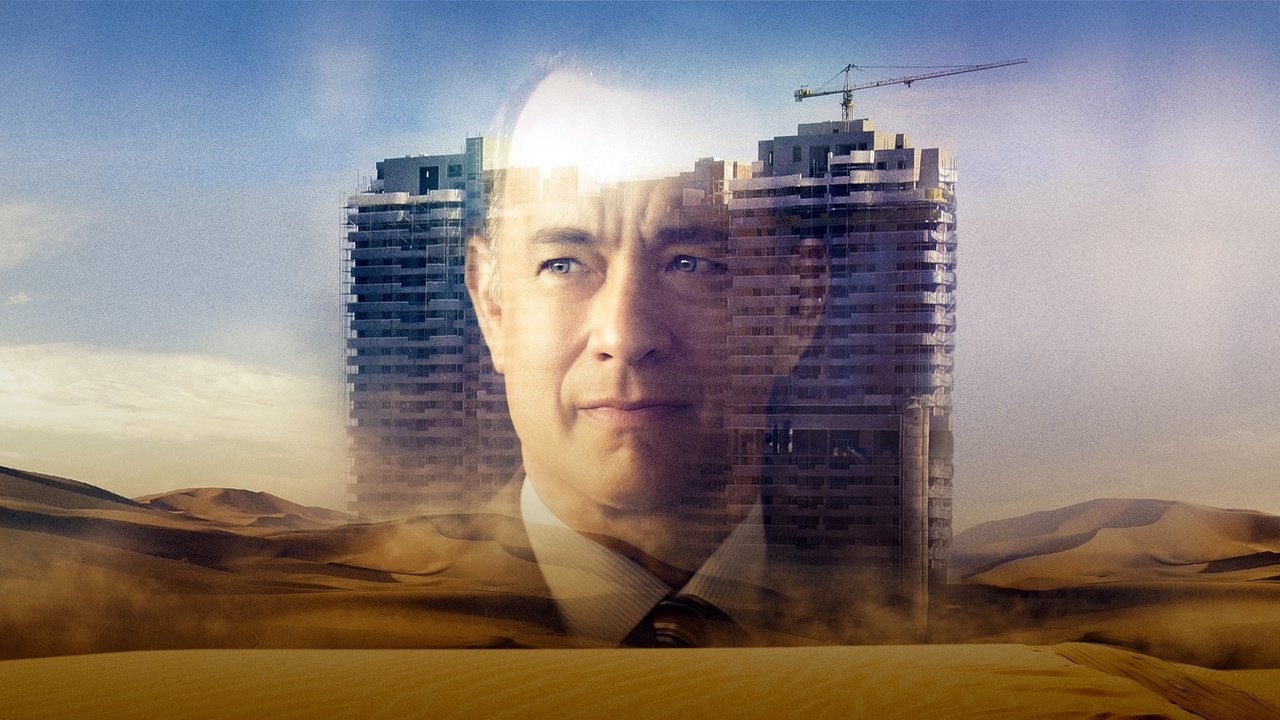
Tom Hanks plays Alan Clay, a man who is essentially the human embodiment of a "Closed" sign. He’s a guy whose best years are in the rearview mirror, haunted by the collapse of his previous business and a divorce that has left him emotionally frayed. Tom Tykwer, a director usually known for high-octane visual experiments like Run Lola Run, brings a surprisingly gentle touch here. He captures the absurdity of the "King’s Economic City"—a vast, empty construction site in the middle of nowhere that looks like a high-end mall built on the moon.
The film excels when it leans into the surrealist comedy of Alan’s situation. He’s stuck in a cycle of jet lag, bureaucratic red tape, and a recurring lack of Wi-Fi. It’s a very specific kind of 21st-century hell. Ben Whishaw pops up as a holographic technician who feels like he wandered in from a different, weirder movie, and Tom Skerritt appears in flashbacks as Alan’s father, basically existing to remind Alan that he’s a failure. It’s a heavy burden, but Hanks carries it with that "I’m tired but I’m trying" energy that he has perfected in his later career.
Cultural Friction and Human Connection
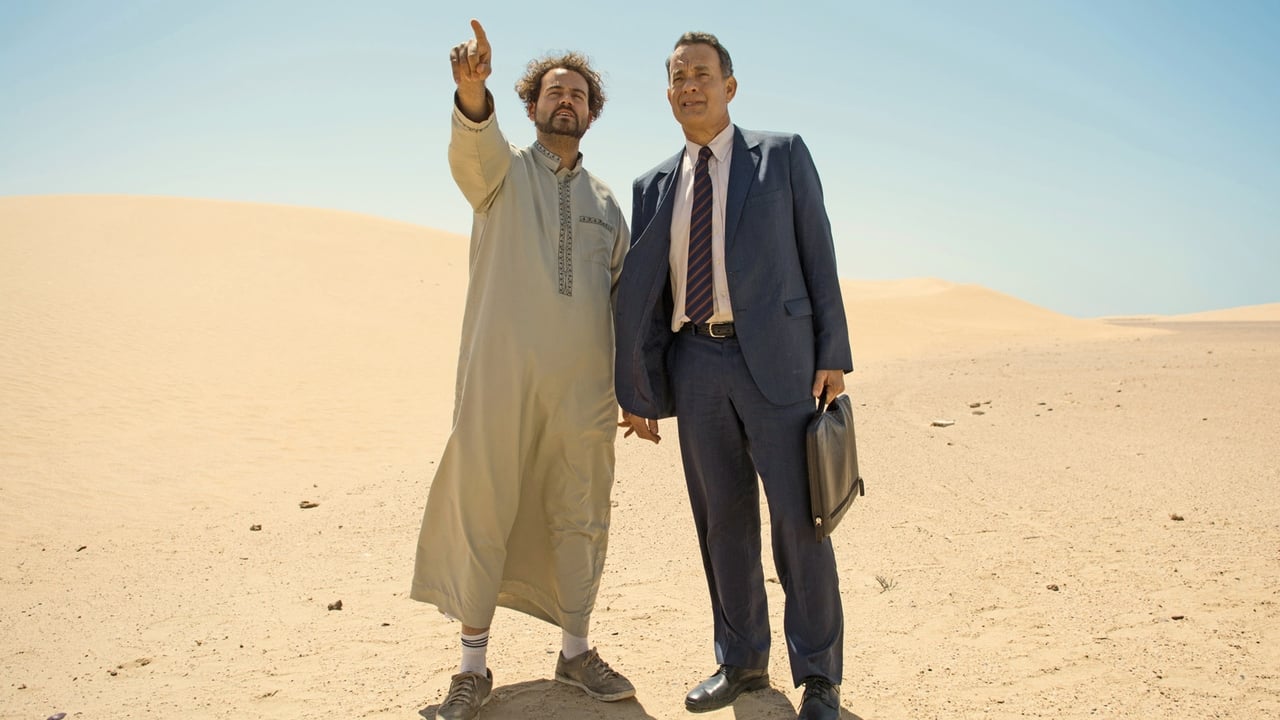
What makes the movie interesting now, in our post-pandemic world where we all became "holograms" via Zoom, is how it handles Alan’s fish-out-of-water journey. Initially, the film feels like it might slide into "clueless American learns lessons" clichés, but it mostly avoids the worst of them. Alan’s driver, Yousef (played by Alexander Black), provides some of the best moments, introducing Alan to the complexities of a culture that is far more than the monolithic desert Alan expected.
However, the real heart of the film is Sarita Choudhury as Dr. Zahra Hakeem. When Alan seeks medical help for the growth on his back—a very literal manifestation of the stress he’s carrying—the movie shifts from a corporate satire into a quiet, understated romance. Sarita Choudhury is luminous here; she provides a calm, intellectual counterpoint to Alan’s frantic American desperation. Their scenes together are the reason the movie works. They don't have a flashy, "Hollywood" chemistry; instead, they have the chemistry of two adults who have both seen enough of life to appreciate a moment of genuine stillness.
I'll be honest: A middle-aged man’s back cyst is actually a more compelling narrative stakes-raiser than 90% of Marvel’s third-act sky beams. It’s relatable. We’ve all had that moment where we realize our bodies are failing us at the exact moment our careers are also on life support.
Why This One Fell Through the Cracks
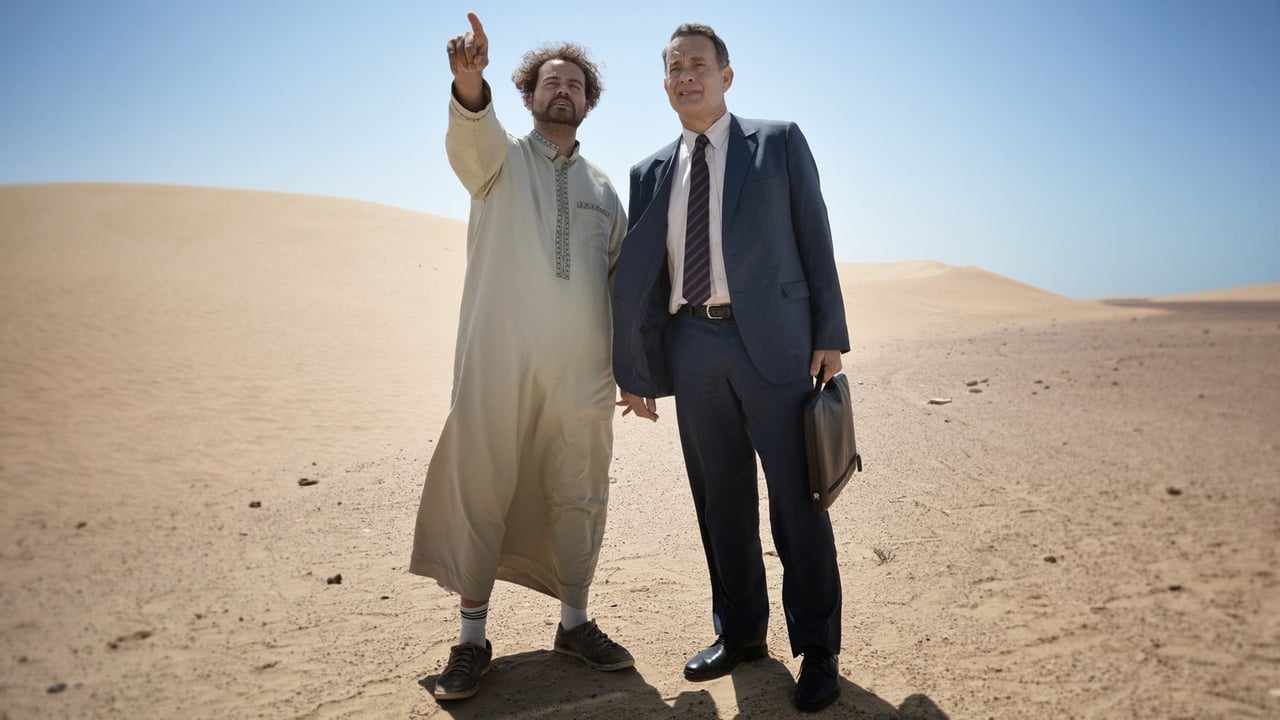
Despite the star power, the film was a massive box office flop, barely recouping a third of its budget. It’s easy to see why. It’s a movie that doesn't fit into a neat box. It’s too melancholic to be a straight comedy and too whimsical to be a heavy drama. In 2016, audiences were looking for "event" cinema, and a story about a guy waiting in a tent didn't quite qualify.
But looking back, there’s a lot to love in its obscurity. Tom Tykwer manages to make the desert look beautiful without making it look like a travel brochure, and the score (which Tykwer co-wrote) is rhythmic and modern, keeping the pacing from feeling as sluggish as Alan’s jet lag. It’s a "hidden gem" in the sense that it’s a small, polished stone you find in your pocket months after a trip. It’s not a masterpiece, but it’s a thoughtful look at what happens when the world stops making sense and you have to find a new way to stand upright.
A Hologram for the King is a movie for anyone who has ever felt like they were shouting into a void and waiting for an answer that might never come. It’s a slightly messy, occasionally surreal, but ultimately warm-hearted story about the necessity of letting go of the person you used to be. If you’re looking for a low-stakes evening with Tom Hanks and a side of existential dread, this is exactly the kind of forgotten curiosity that deserves a second look. Just make sure your Wi-Fi is working before you press play.
Keep Exploring...
-
Entourage
2015
-

Love the Coopers
2015
-
While We're Young
2015
-
Florence Foster Jenkins
2016
-
Up for Love
2016
-
Whiskey Tango Foxtrot
2016
-
Battle of the Sexes
2017
-
Home Again
2017
-
Table 19
2017
-

The Meyerowitz Stories (New and Selected)
2017
-
Nothing to Hide
2018
-
The Old Man & the Gun
2018
-

Welcome to Marwen
2018
-
Tolo Tolo
2020
-
I Don't Feel at Home in This World Anymore
2017
-
Ingrid Goes West
2017
-
Unicorn Store
2017
-
War Machine
2017
-
Alex Strangelove
2018
-
Can You Ever Forgive Me?
2018