A Monster Calls
"The truth is the wildest creature of all."
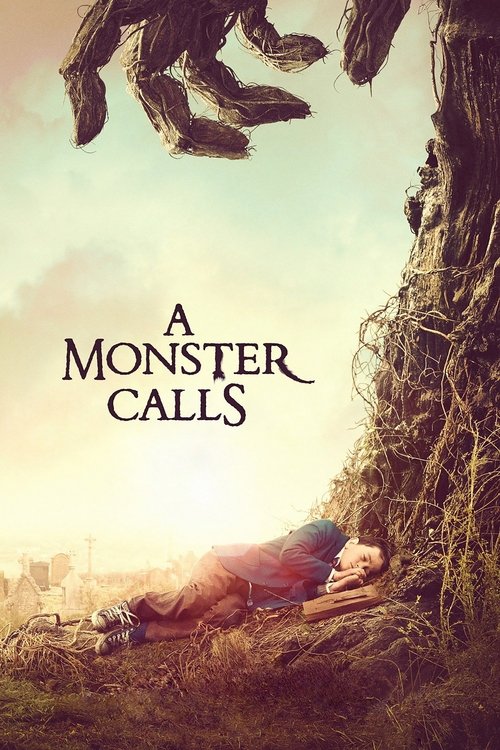
There is a specific kind of cinematic magic that feels like it’s trying to punch you directly in the solar plexus, and J.A. Bayona is a specialist in that particular brand of trauma. I first sat down with A Monster Calls on a rainy Tuesday while eating a bag of slightly stale Haribo Starmix—which, in retrospect, was a fittingly bittersweet snack for a movie that refuses to give you a simple happy ending. In an era where "family movies" often feel like they’ve been focus-grouped into a bland, sugary paste, this film arrived in 2016 like a jagged piece of obsidian. It’s dark, it’s sharp, and it’s arguably one of the most honest depictions of childhood grief ever put to digital sensors.
A Giant Made of Stories and Stardust
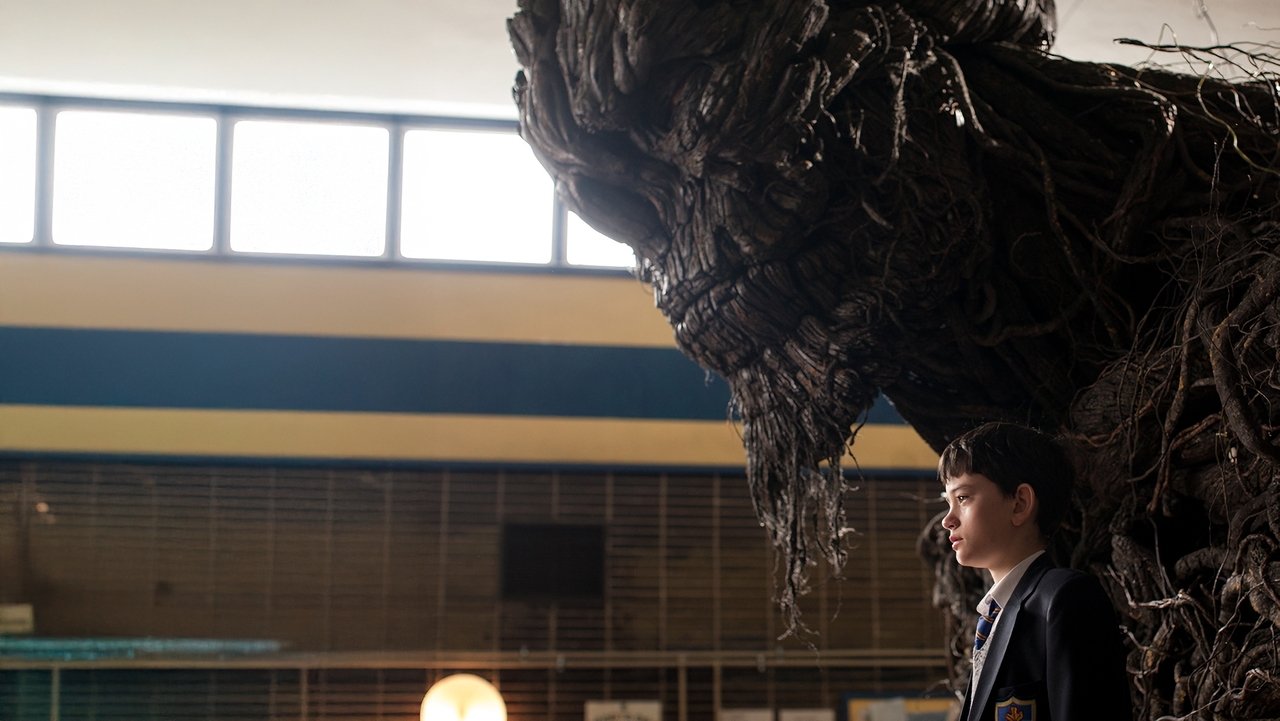
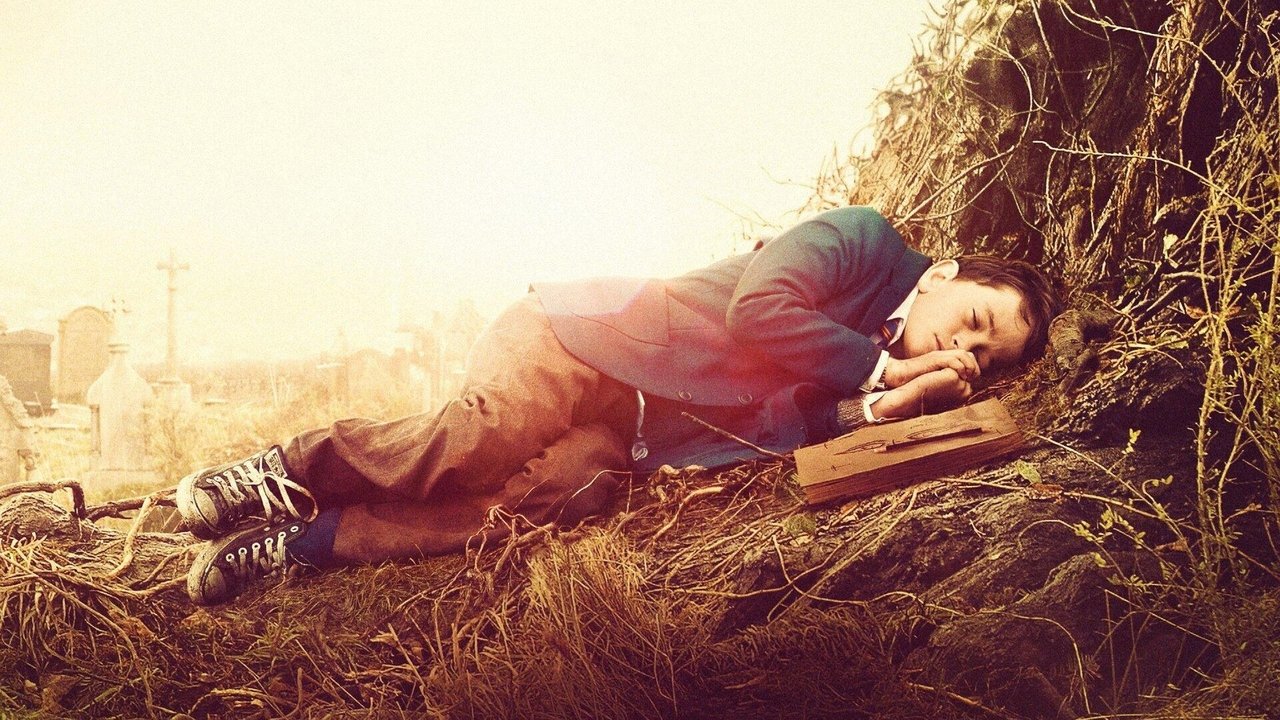
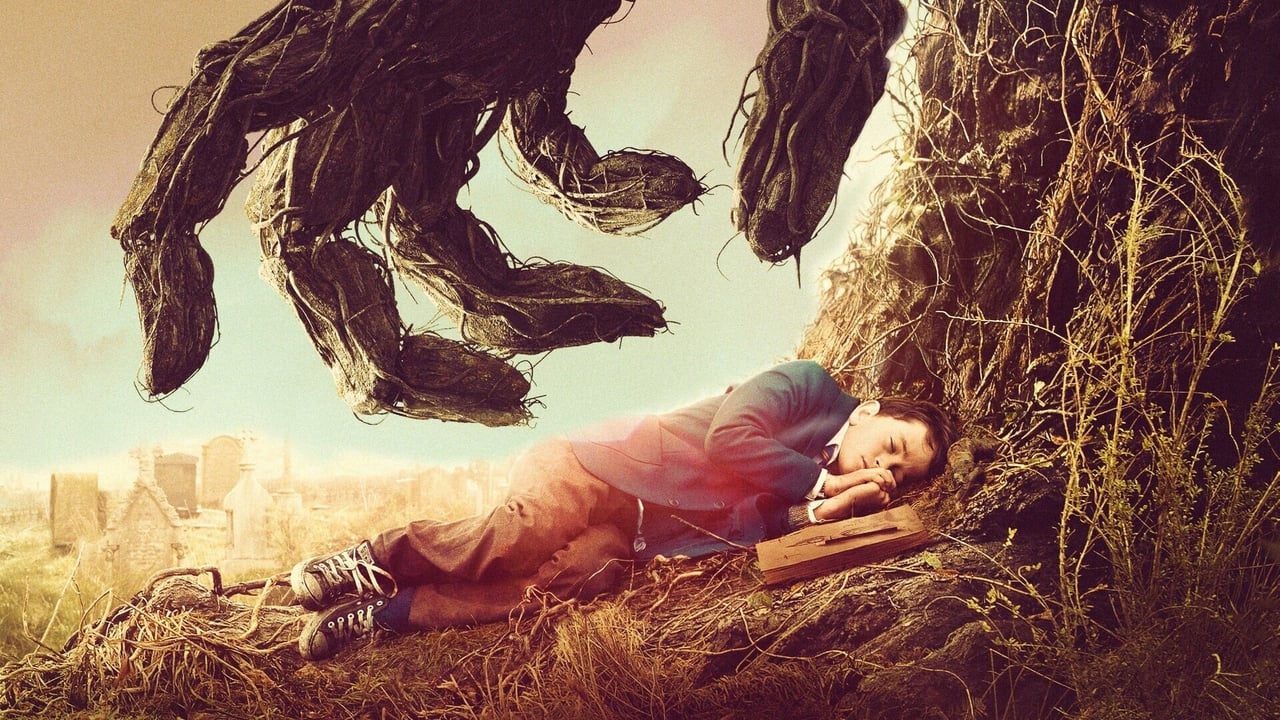
The setup feels like a dark fairytale, but the stakes are brutally grounded. 12-year-old Conor (Lewis MacDougall) is dealing with the kind of hand no kid should play: his mother (Felicity Jones) is dying of terminal cancer, his grandmother (Sigourney Weaver) is a cold disciplinarian, and his dad (Toby Kebbell) has basically started a new life in America. To top it off, he’s being systematically dismantled by a school bully. Enter the Monster—a colossal, walking Yew tree voiced by the rumbling, tectonic bass of Liam Neeson.
But this isn’t The BFG. The Monster doesn't show up to whisk Conor away to a land of dreams. He shows up to tell three stories, demanding that Conor tell the fourth: the boy's own "hidden truth." What follows is a visually stunning journey through Conor’s psyche. Bayona, who previously wrecked us with the tsunami drama The Impossible, uses these story interludes to showcase some of the most beautiful watercolor-style animation I’ve seen in a live-action blend. It feels like the ink is still wet on the screen, bleeding across the frame as the Monster’s parables subvert every "good vs. evil" trope we’ve been taught since kindergarten.
The Art of the Big Ugly Cry
Let’s talk about the performances, because this film lives or dies on the shoulders of Lewis MacDougall. It is a crime of the highest order that he didn't get more awards buzz at the time. He captures that specific, vibrating anger that comes with being a kid who knows something terrible is happening but has no power to stop it. When he eventually lets loose, it’s not "movie crying"; it’s that raw, ugly, snot-nosed sobbing that anyone who has lost a parent recognizes instantly.
Then there’s Sigourney Weaver. I’ll be the first to admit that her British accent is about as sturdy as a cardboard umbrella in a hurricane, but her performance is so brittle and stiff-backed that it eventually breaks your heart. She and Conor are both grieving the same woman, but they’re doing it in opposite directions, creating a friction that feels painfully real. Felicity Jones, meanwhile, manages to be the film’s glowing, fading heart without ever feeling like a saintly caricature.
One of the coolest things about the production—and a detail that really helps the physical reality of the film—is that they didn't just rely on Liam Neeson standing in a booth. They actually built a life-sized, animatronic head and shoulders of the monster, along with a massive 20-foot foot for the actors to interact with. In an age of "The Volume" and green-screen everything, you can feel the weight of those practical effects. When Conor is being gripped by a giant wooden hand, there’s a tactile grit to it that CGI alone rarely captures.
Why It’s the Ultimate "Quiet" Cult Classic
Despite being a critical darling, A Monster Calls didn't exactly set the box office on fire. It fell into that weird marketing void: too scary/sad for little kids, but looking too much like a "kids' movie" for the prestige drama crowd. However, in the years since, it has found a massive second life on streaming and home media. It’s become a "word-of-mouth" essential—the kind of movie people recommend to friends with the caveat, "Make sure you have a box of tissues and a therapist on standby."
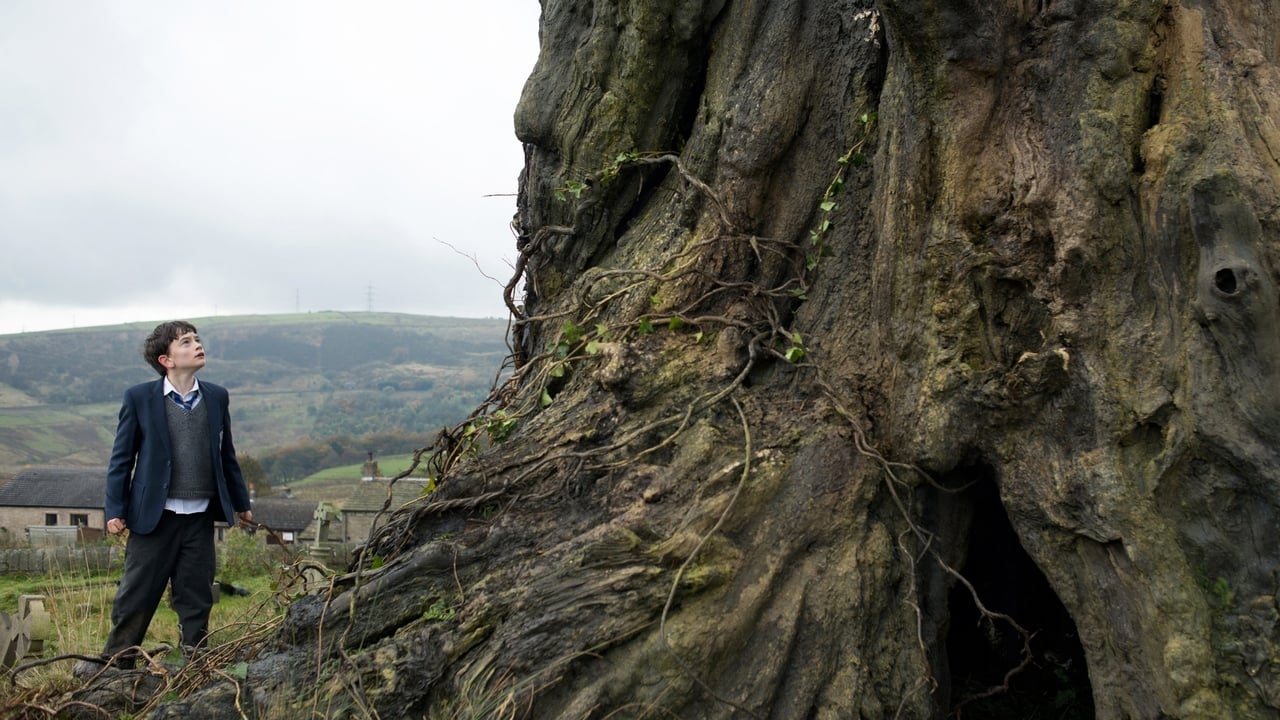
The film also serves as a fascinating bridge in J.A. Bayona’s career, sitting right between his smaller Spanish hits like The Orphanage and his massive franchise jump into Jurassic World: Fallen Kingdom. You can see his mastery of scale here—how he makes a bedroom feel like a cage and a backyard feel like an epic battlefield. It’s a masterclass in how to use high-concept fantasy to explore internal emotions without the spectacle drowning out the soul.
I’ve heard some people complain that the film is "manipulative," but I disagree. Most 'sad' movies are just emotional cheap shots, but this one actually earns your dehydration. It isn't trying to make you cry for the sake of it; it’s trying to explain that it's okay to feel two conflicting things at once—to love someone and want their pain to end, even if that means they leave you.
Ultimately, A Monster Calls is a rare bird in the contemporary landscape. It’s an adventure film where the greatest "discovery" isn't a hidden treasure or a new land, but the courage to say something out loud that scares you. It manages to take the grand scale of a monster movie and shrink it down until it fits inside the breaking heart of a twelve-year-old boy. If you haven't seen it yet, find the biggest screen possible, grab your favorite (hopefully not stale) snacks, and prepare for a journey that is as visually spectacular as it is emotionally punishing. Just don't say I didn't warn you about the tissues.
Keep Exploring...
-

Klaus
2019
-
Descendants
2015
-

The Little Prince
2015
-
Alice Through the Looking Glass
2016
-
Miss Peregrine's Home for Peculiar Children
2016
-
Pete's Dragon
2016
-

The BFG
2016
-

Trolls
2016
-
Christopher Robin
2018
-

Dumbo
2019
-
Maleficent: Mistress of Evil
2019
-
Onward
2020
-
Trolls World Tour
2020
-
Jungle Cruise
2021
-
Luca
2021
-
Raya and the Last Dragon
2021
-

A Dog's Purpose
2017
-
Descendants 3
2019
-
Red Shoes and the Seven Dwarfs
2019
-
Wolfwalkers
2020