A Silent Voice: The Movie
"Hearing isn’t listening, and looking isn’t seeing."
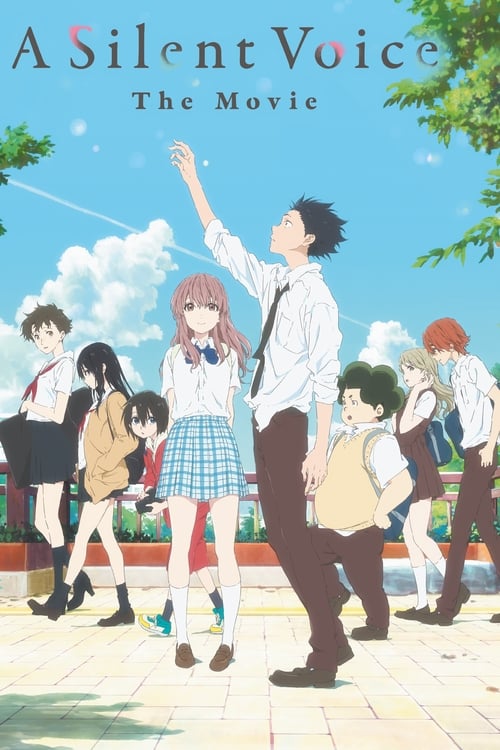
The first thing that struck me when I sat down to watch A Silent Voice wasn’t a sound, but a visual: a series of blue "X" stickers pasted over the faces of every background character. It’s a jarring, brilliant piece of visual shorthand for social anxiety. As someone who spent a good portion of my twenties feeling like I was walking through a crowd of ghosts, seeing that on screen felt less like watching a movie and more like a personal call-out. I actually watched this on my laptop while my apartment’s radiator was doing a rhythmic, metallic clanking—a sound that, weirdly enough, blended perfectly into Kensuke Ushio’s experimental, tactile score.
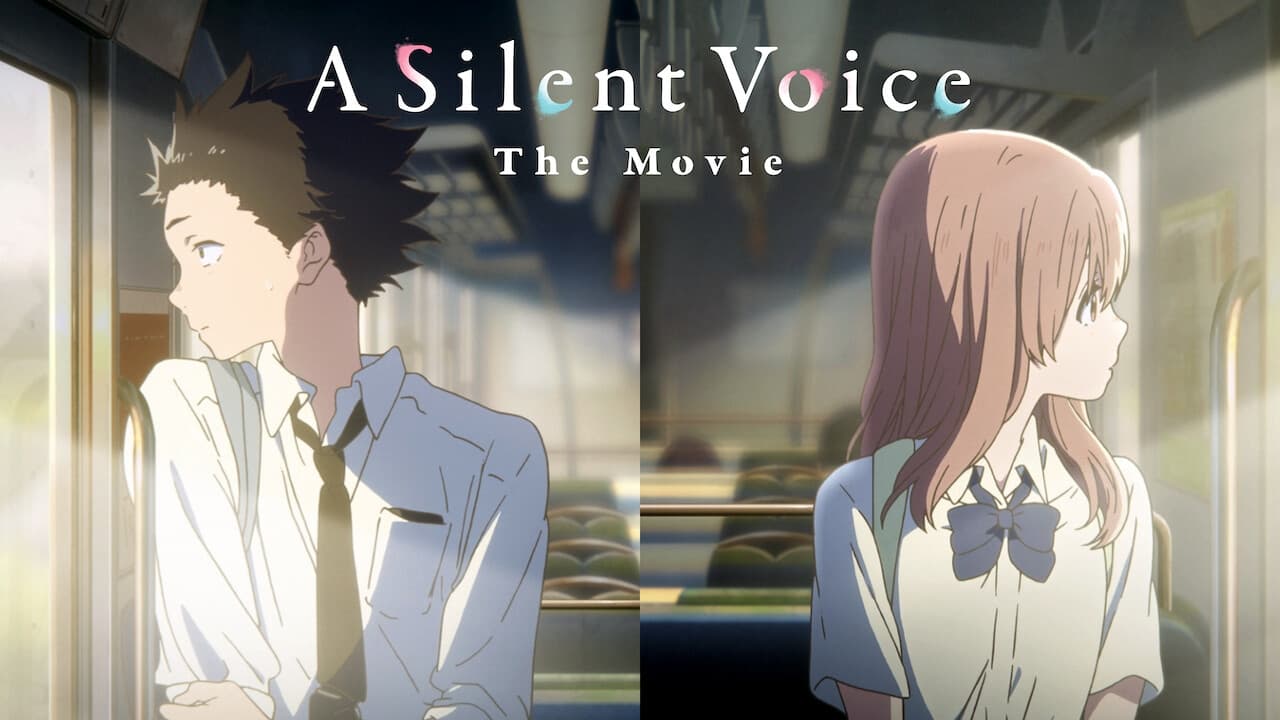
Released in 2016, a year often remembered in the anime world for the juggernaut success of Your Name, A Silent Voice (or Koe no Katachi) is a much more grounded, bruising, and ultimately rewarding beast. While other contemporary hits were busy with body-swapping and comets, director Naoko Yamada was busy dismantling the very idea of the "redemption arc."
The Weight of a Hello
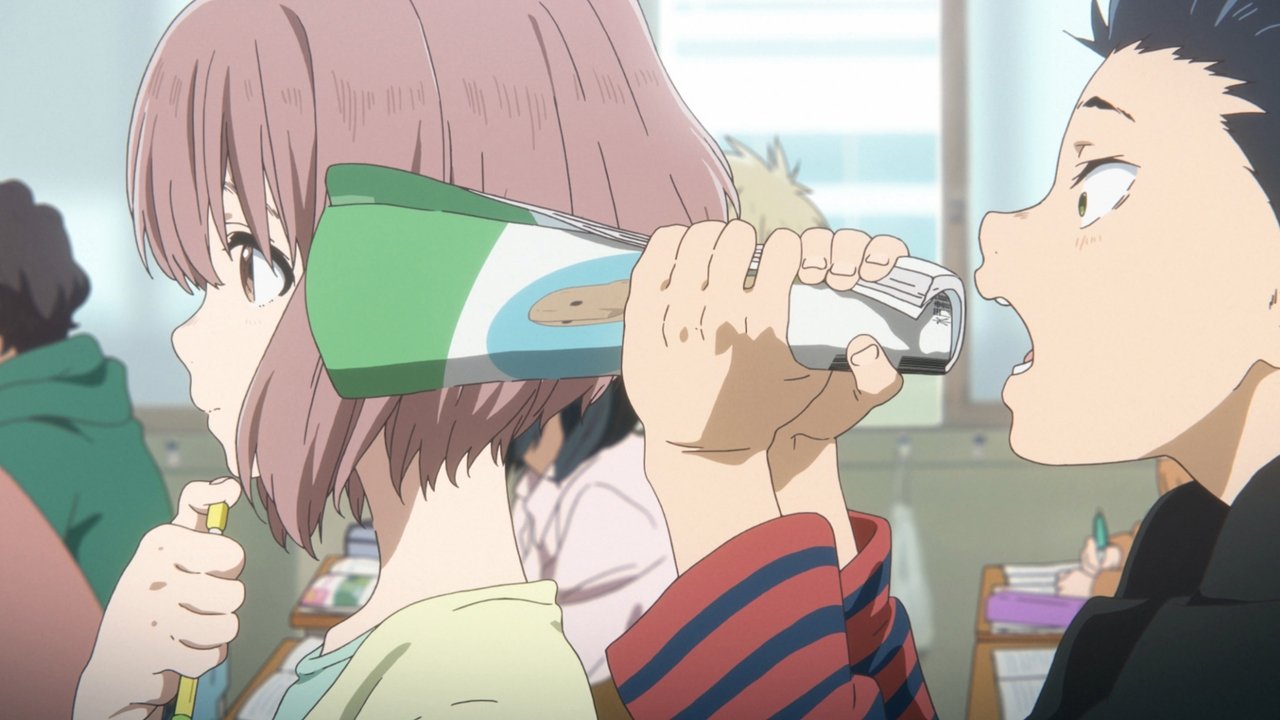
The premise is deceptively simple: Shouya Ishida (Miyu Irino), a bored and restless elementary schooler, relentlessly bullies a new deaf student, Shouko Nishimiya (Saori Hayami). He isn't some cartoonish villain; he’s a kid who doesn't understand the weight of his own cruelty. But the film’s real story begins years later. Shouya has become a pariah, haunted by his past, and he decides to find Shouko to make amends before taking his own life.
What follows isn't a breezy "I'm sorry" montage. It’s a messy, uncomfortable, and deeply philosophical look at whether we ever truly "earn" forgiveness. Naoko Yamada doesn't let Shouya off the hook. She frames the film with an incredible sense of intimacy, often focusing on the characters' feet, hands, or the way they hold their shoulders. It’s "leg-speak," a technique Yamada honed at Kyoto Animation to convey what words (or sign language) can’t quite capture. By the time we meet the supporting cast—like the fiercely protective Yuzuru (Aoi Yuuki) or the stubbornly blunt Naoka (Yuki Kaneko)—the film has evolved into a complex web of perspectives on a shared trauma.
Sound from the Inside Out

We have to talk about the sound design, because in a film about deafness and communication, the audio is everything. Kensuke Ushio didn't just write a score; he performed a mechanical autopsy on a piano. He placed microphones inside the instrument to capture the clack of the keys and the hum of the felt dampers. The result is a soundtrack that feels like it’s being played inside your own skull. It creates this sense of "inner noise" that perfectly mirrors Shouya’s internal monologue and Shouko’s sensory experience.
It’s a bold choice that anchors the film in the contemporary era of "prestige" animation—where the goal isn't just to look pretty, but to use every digital tool available to create a specific, immersive psychological state. The cinematography by Kazuya Takao complements this with a soft, chromatic-aberration-heavy look that makes the world feel slightly out of focus, as if we’re seeing the world through Shouya’s own blurred, tear-filled vision. This movie is basically a weighted blanket for your soul that occasionally tries to strangle you.
Beyond the "Prestige" Label
In the context of 2010s cinema, A Silent Voice feels like a vital response to a world becoming increasingly loud and polarized. It’s a film that demands you look at the person you’ve dehumanized and realize they have a favorite song, a complicated family, and a fear of the dark. It deals with suicide and self-loathing with a frankness that was rare in mainstream animation a decade ago, aligning it with the modern push for more nuanced mental health representation.
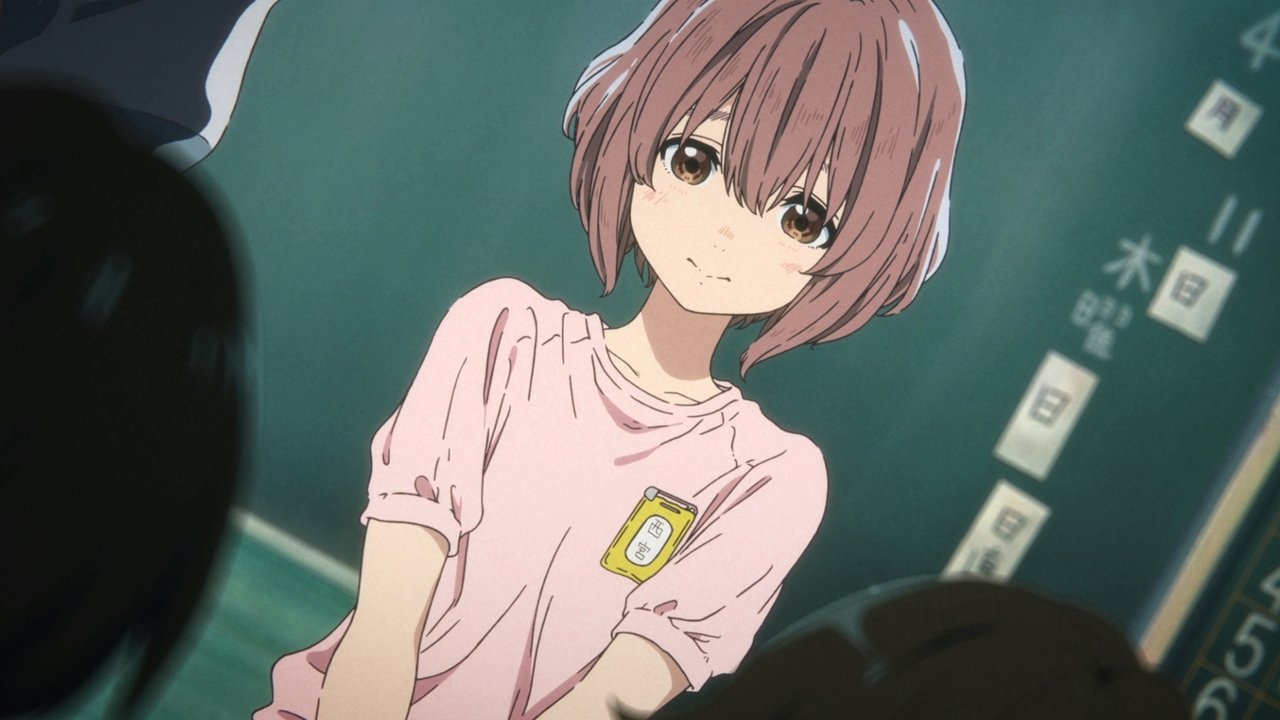
The behind-the-scenes effort to maintain this authenticity was immense. The production team worked closely with sign language consultants to ensure that the movements of the characters weren't just accurate, but reflected their individual personalities. Shouko’s sign language is different from her mother’s; it has its own "accent." That level of detail is why Kyoto Animation remains a gold standard for the industry, even as streaming platforms push for faster, cheaper content.
Ultimately, A Silent Voice works because it refuses to be a simple "bullying is bad" PSA. It’s a film about the excruciatingly hard work of being a human being. It asks us to consider if we are listening to others, or if we’re just waiting for our turn to speak—or worse, if we’ve stopped listening to ourselves entirely. I left this movie feeling emotionally tenderized, like my heart had been put through a pasta maker, but in the best way possible. It doesn't offer easy answers, but it does offer a hand to hold. If you haven't seen it, clear your schedule, grab some tissues, and prepare to actually listen.
Keep Exploring...
-
A Whisker Away
2020
-

Your Name.
2016
-
I Want to Eat Your Pancreas
2018
-
Weathering with You
2019
-
The Garden of Words
2013
-
Love, Simon
2018
-

Five Feet Apart
2019
-
Little Women
2019
-
The Boy and the Beast
2015
-
Evangelion: 3.0+1.0 Thrice Upon a Time
2021
-
Guillermo del Toro's Pinocchio
2022
-
The Wild Robot
2024
-
God's Own Country
2017
-
Loving Vincent
2017
-

Midnight Sun
2018
-
Portrait of a Lady on Fire
2019
-
All the Bright Places
2020
-

Clouds
2020
-
If Anything Happens I Love You
2020
-
CODA
2021