A Street Cat Named Bob
"One man’s second chance comes with whiskers."
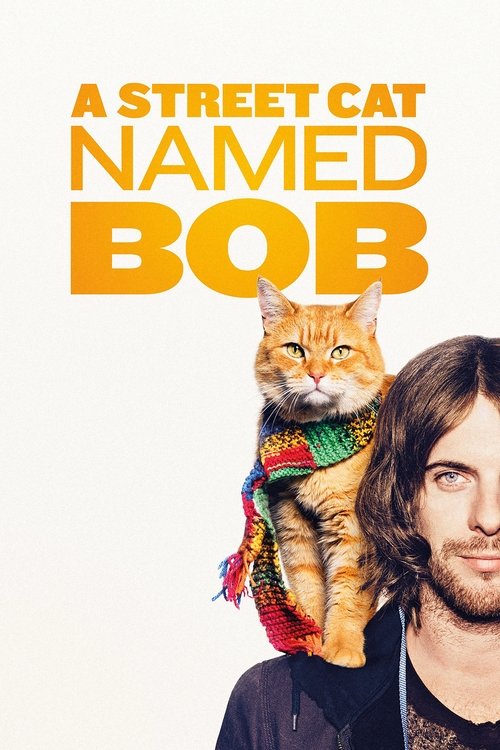
I remember watching A Street Cat Named Bob on a rainy Tuesday while nursing a cup of lukewarm Earl Grey that I’d accidentally let steep for twenty minutes. The tea was bitter, dark, and a bit uninviting—much like the first fifteen minutes of this film. But just as I reached for the sugar, the movie found its own sweetener in the form of a ginger feline that managed to out-act most of the human cast.
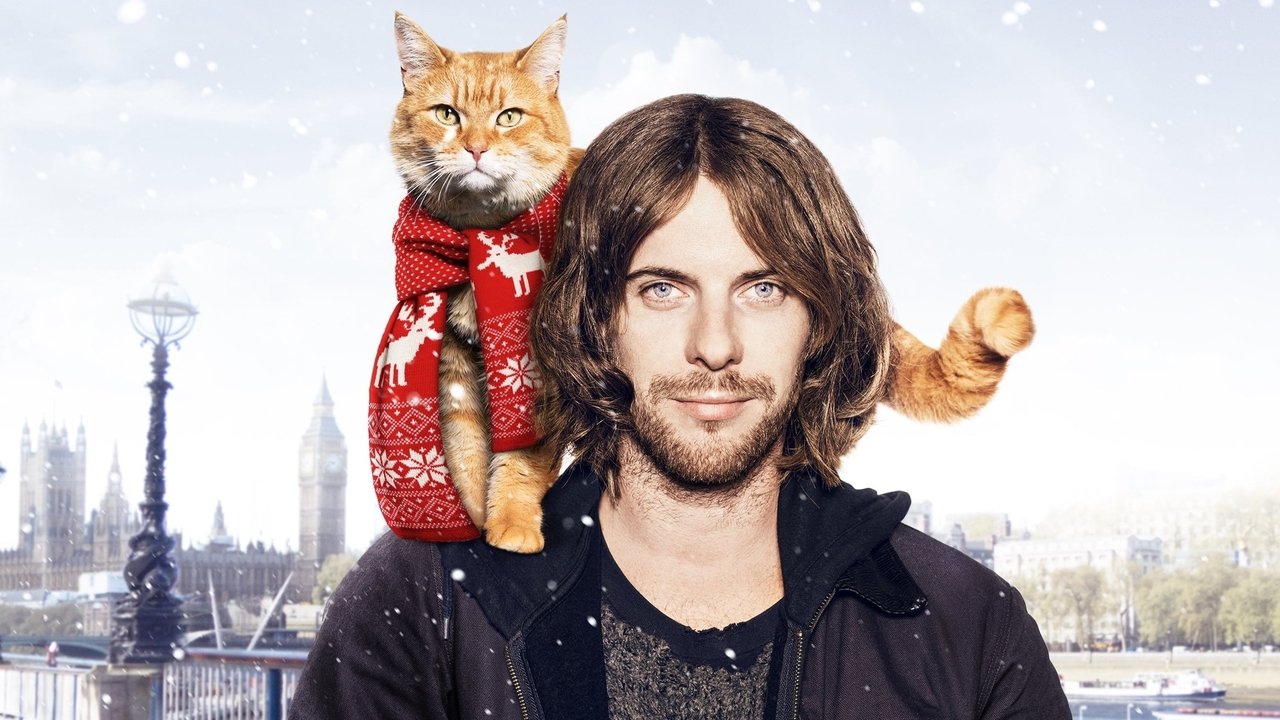
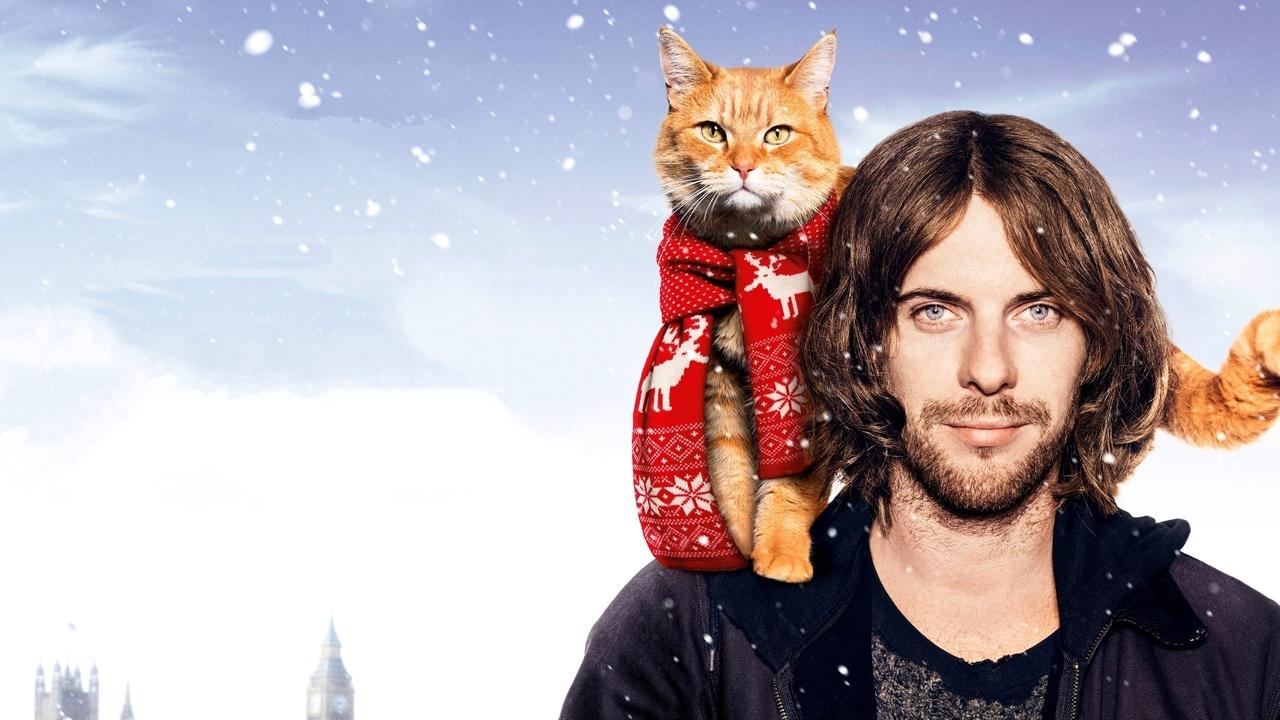
We live in an era of "representation," and while we usually talk about that in terms of ethnicity or gender, there is a very specific, often ignored representation of the "invisible" class in modern London. James Bowen, played with a startling, gaunt sincerity by Luke Treadaway (Unbroken, Attack the Block), is the kind of man you’ve walked past a thousand times outside a Tube station. He’s a busker, a recovering heroin addict on a methadone program, and a man for whom the world has largely stopped spinning. Then, a stray cat breaks into his sheltered housing, and the film shifts from a grim social drama into something far more philosophically curious.
The Alchemy of Accountability
Most "animal movies" are manipulative tear-jerkers designed to make you hug your dog while crying into a bowl of popcorn. A Street Cat Named Bob isn't interested in that. It’s actually a quite cerebral look at the concept of the "social contract." James can't take care of himself; he has no reason to. But when he encounters the real-life Bob the Cat (who remarkably plays himself for about 90% of the film), he is forced into a position of responsibility.
I’ve always found it fascinating how humans will let themselves rot, but will move mountains to ensure a cat gets its dinner. The film digs into this irony. James’s recovery isn’t motivated by some grand epiphany about the beauty of life; it’s motivated by the fact that if he doesn’t get his act together, this orange furball doesn’t eat. The cat is essentially a fluffy, purring interventionist.
Luke Treadaway deserves immense credit here. He avoids the "Hollywood homeless" tropes. He looks genuinely unwell, his skin sallow and his eyes darting with the anxiety of someone who is one bad day away from a total collapse. Watching him interact with Joanne Froggatt (Downton Abbey), who plays his weary support worker, Val, you see the friction of the modern UK welfare state. It’s a system designed to keep people alive, but not necessarily to help them live.
A London Without the Postcard Polish
Director Roger Spottiswoode is an interesting choice for this. You might know him from the Bond entry Tomorrow Never Dies or the 80s classic Turner & Hooch. He brings a professional, cinematic weight to the streets of Covent Garden that prevents the movie from feeling like a "message-of-the-week" television special. He captures the isolation of the city—how you can be surrounded by thousands of people and still be entirely alone.
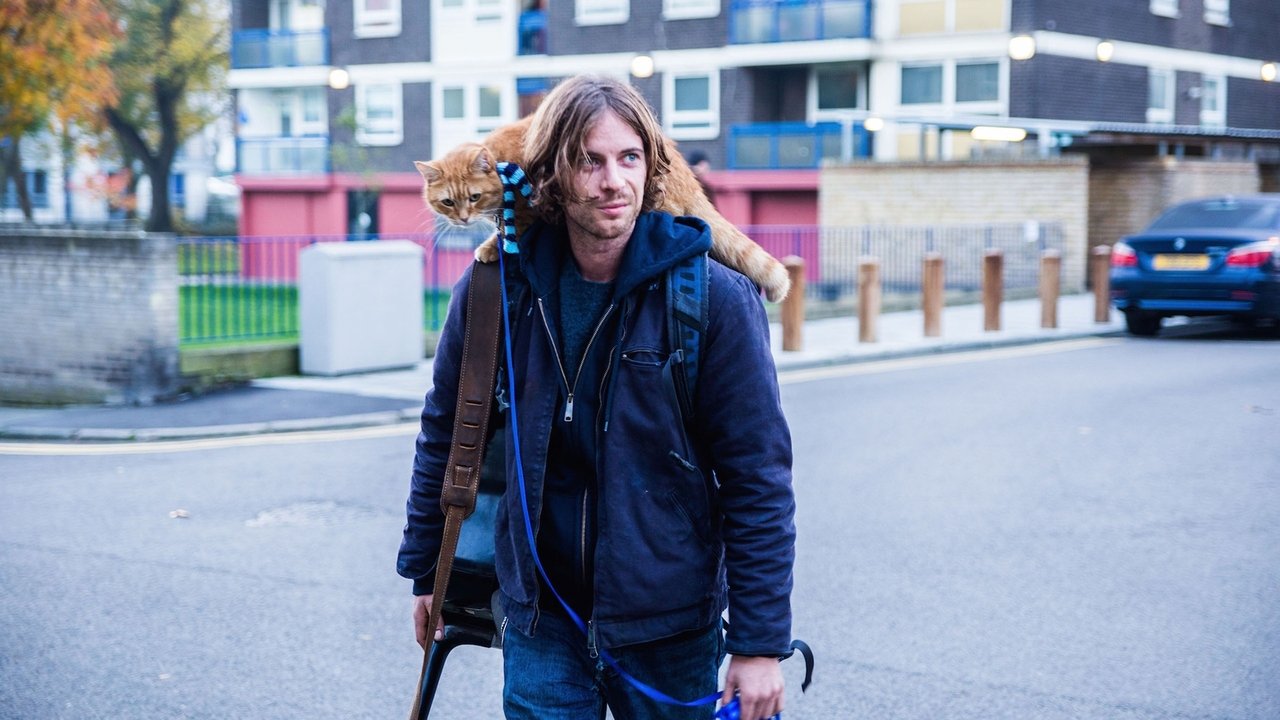
The cinematography by Peter Wunstorf avoids the saturated, "Cool Britannia" look. Instead, it feels damp. You can almost smell the wet pavement and the cheap tobacco. This groundedness makes the moments of connection feel earned rather than forced. When James finally finds success selling The Big Issue with Bob perched on his shoulder, it doesn't feel like a magical movie moment; it feels like a hard-won reprieve from the crushing weight of existence.
There’s a bold truth the film acknowledges: Bob doesn't just provide James with love; he provides him with a gimmick. It’s a cynical but honest observation. People who wouldn’t look James in the eye when he was a lone addict are suddenly lining up to give him money because he has a cat in a scarf. The film asks us to grapple with our own hypocrisy—why do we only see the humanity in someone once they become an attraction?
The Method Actor with Whiskers
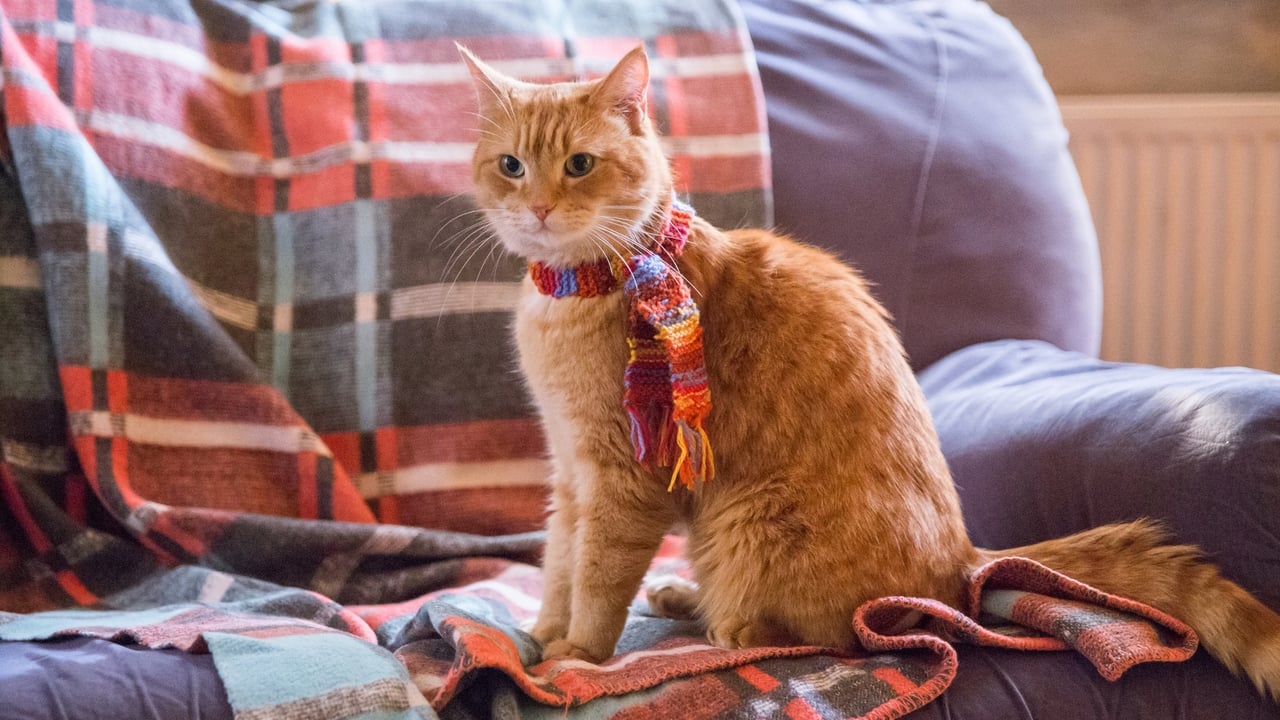
One bit of trivia that I absolutely adore is that while they had six "stunt cats" on standby, the real Bob decided they weren't up to snuff. He reportedly sat on Luke Treadaway’s shoulders during filming and refused to budge, essentially demanding his own SAG card. There is a specific look in Bob’s eyes—a sort of weary, ancient wisdom—that a trained stage cat just couldn't replicate.
The supporting cast is solid, particularly Anthony Stewart Head (Buffy the Vampire Slayer) as James’s estranged father. Their scenes are awkward and painful, capturing the reality of how addiction doesn't just hurt the addict; it turns their family into a collection of nervous wrecks who have run out of things to say.
In the landscape of 2010s cinema, dominated by capes and multi-versal collapses, A Street Cat Named Bob is a quiet reminder that the most high-stakes drama is often just a man trying to survive until Thursday. It’s a film about the burden of being needed, and how that burden is sometimes the only thing that keeps us upright. It’s not just a "cat movie"; it’s a study of the tethers we tie to the world to keep from drifting away.
If you missed this during its initial run because you thought it looked like "sentimental fluff," I’d urge you to reconsider. It’s a gritty, honest, and surprisingly philosophical look at the ways we save each other. It’s the kind of film that makes you look a little closer at the person busking on your way to work, even if they don't have a ginger cat for a co-pilot. Seek it out on whichever streaming service currently has it buried in the "Drama" section—it’s a better use of 103 minutes than most of the blockbusters currently clogging up your feed.

Keep Exploring...
-
A Dog's Journey
2019
-

The Boy and the Beast
2015
-
Wonder
2017
-
Max
2015
-
Miracles from Heaven
2016
-
Goodbye Christopher Robin
2017
-

Mia and the White Lion
2018
-
A Beautiful Day in the Neighborhood
2019
-

A Dog's Way Home
2019
-
The Call of the Wild
2020
-

Bāhubali: The Beginning
2015
-
I, Daniel Blake
2016
-

A Taxi Driver
2017
-
BPM (Beats per Minute)
2017
-
God's Own Country
2017
-

Breakthrough
2019
-
Descendants 3
2019
-
The Art of Racing in the Rain
2019
-

I Still Believe
2020
-

Wolfwalkers
2020