Anthropoid
"The cost of courage is written in blood."
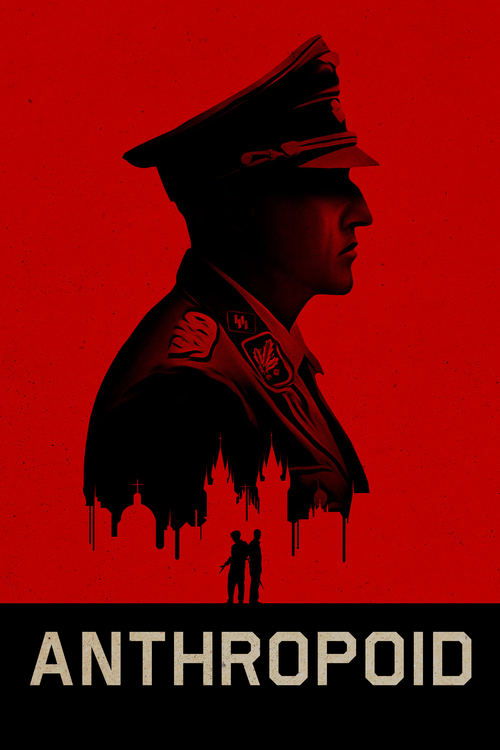
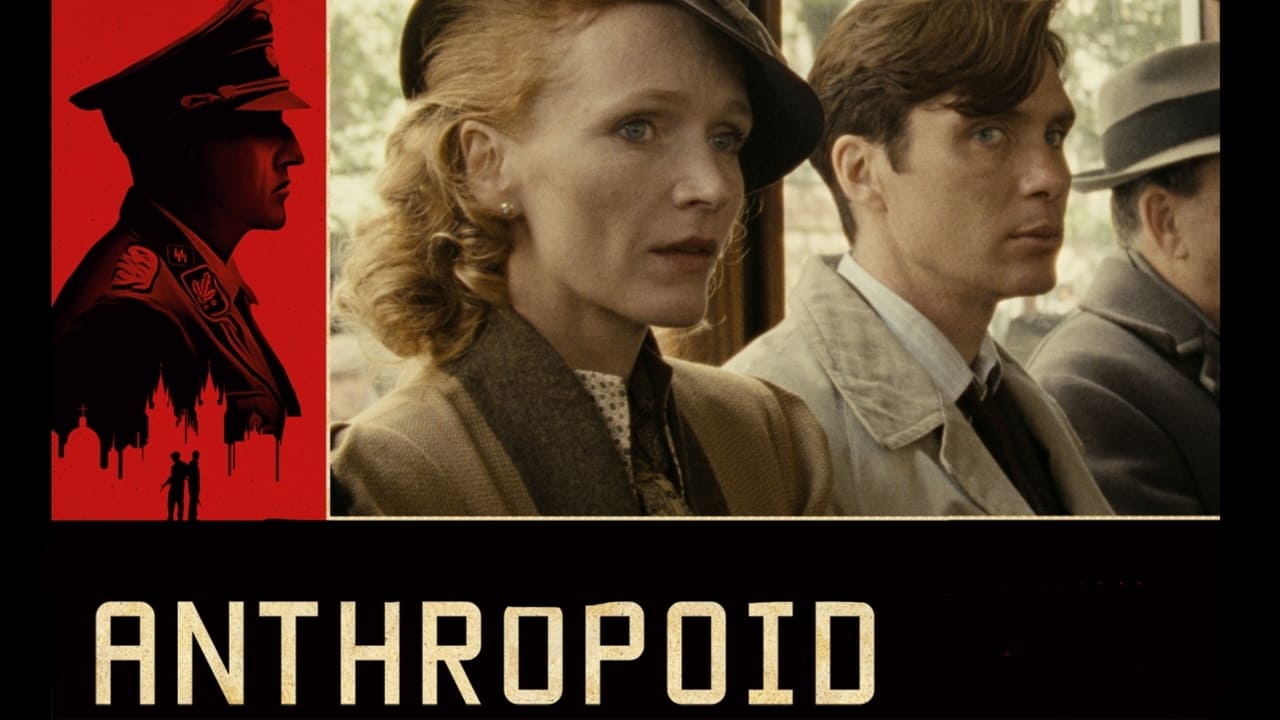
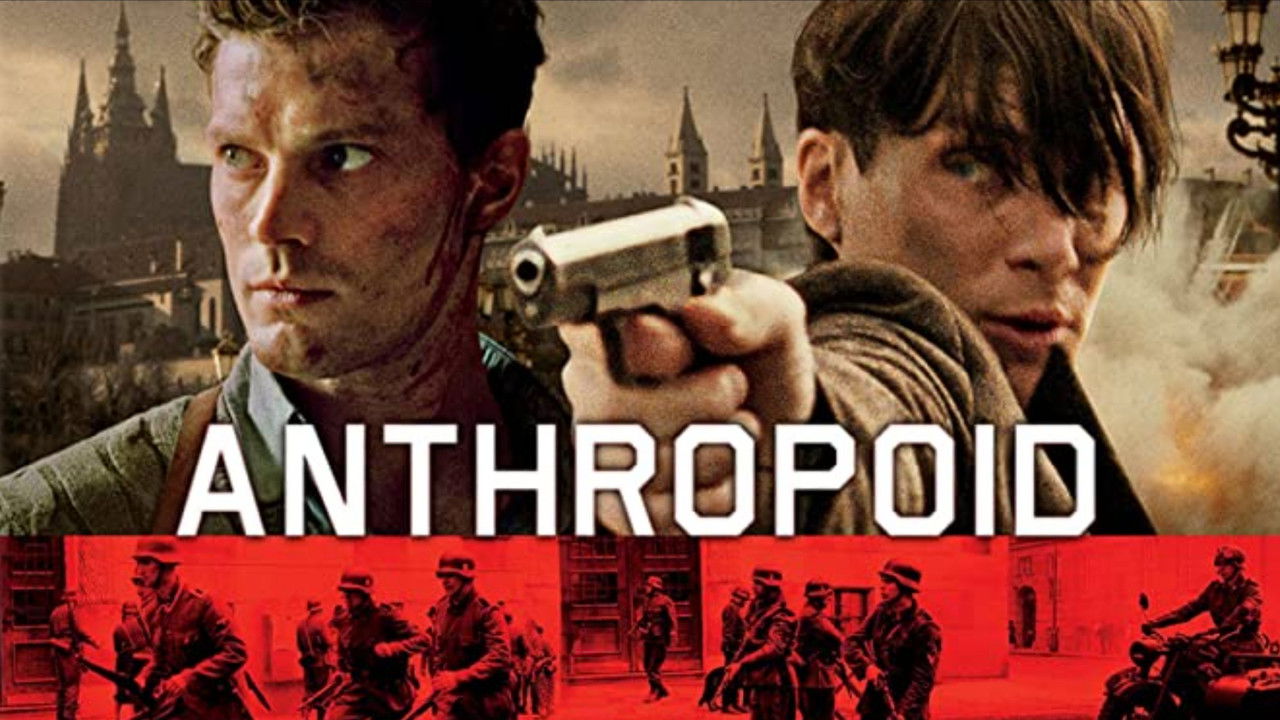
The first thing I noticed wasn't the parachutes or the snowy Czech landscape; it was Jamie Dornan's hands. They won’t stop shaking. In a genre usually populated by stoic, jaw-clenched super-soldiers, Anthropoid introduces us to Jan Kubiš (Dornan) and Jozef Gabčík (Cillian Murphy) as two profoundly terrified human beings. They aren’t invincible operatives; they are young men dropped into a freezing, paranoid Prague with a suicide mission: assassinate Reinhard Heydrich, the "Butcher of Prague" and a primary architect of the Holocaust.
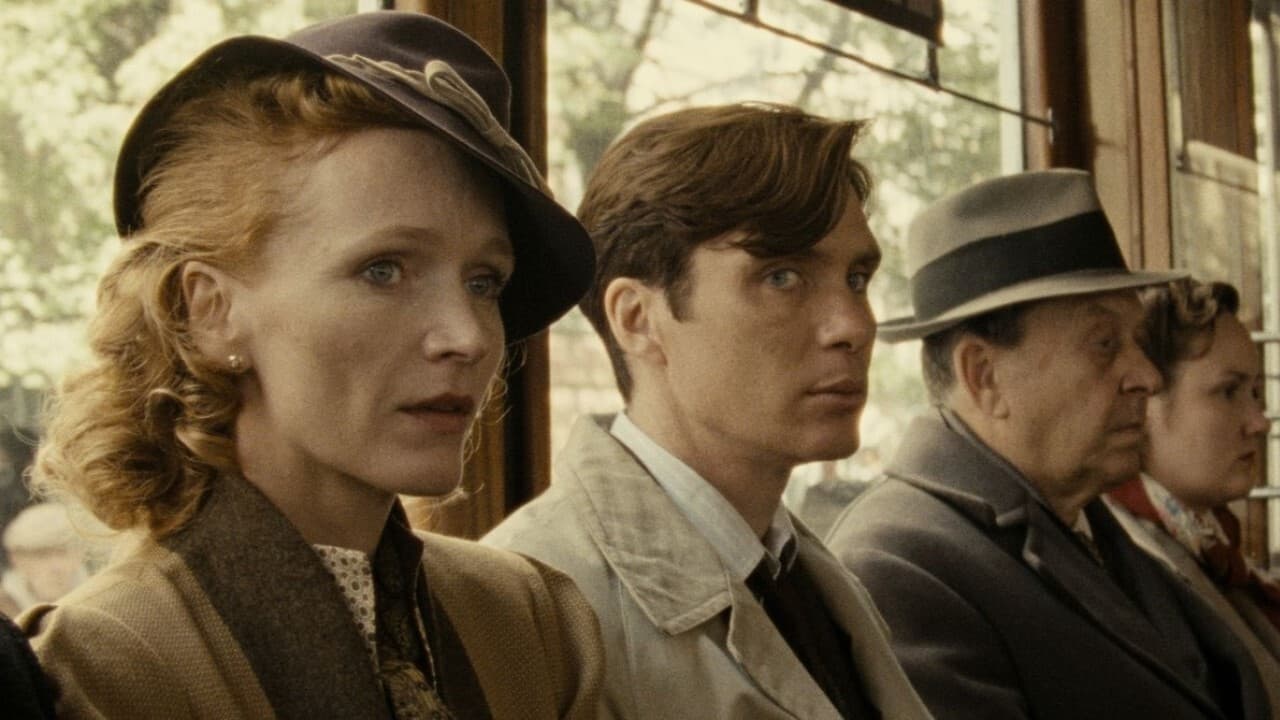
I watched this on a particularly gloomy Tuesday afternoon while my neighbor was leaf-blowing their driveway for three hours straight, and honestly, that low-frequency drone only added to the film's mounting sense of dread. By the time the credits rolled, I felt like I’d been holding my breath for the better part of two hours.
A Slow Burn in a Cold City
Director Sean Ellis (who also served as his own cinematographer and co-writer) takes a gamble with the pacing here that I think pays off beautifully, even if it tests the patience of the "explosions every ten minutes" crowd. The first hour is a claustrophobic exercise in tension. We follow Jozef and Jan as they navigate a Resistance network that has been decimated by the Gestapo.
The film captures the suffocating reality of life under occupation—the way a simple knock on a door or a lingering look from a neighbor can feel like a death sentence. Cillian Murphy, long before he was winning Oscars for Oppenheimer, brings that trademarked icy intensity to Gabčík. He is the pragmatist, the one willing to suppress his humanity to get the job done. In contrast, Dornan is the heart of the film, portraying a man who is clearly struggling not to crumble under the weight of what they’ve been asked to do. Historians usually ruin movies by demanding dry accuracy, but here, the commitment to the gritty, unglamorous reality of 1942 makes the stakes feel bone-deep.
The Mechanics of an Assassination
When the actual attempt on Heydrich’s life happens, it isn't a slick, choreographed action sequence. It is a messy, fumbling, terrifying disaster. It’s one of the most stressful sequences I’ve seen in modern war cinema because it refuses to indulge in Hollywood heroics. Weapons jam. People panic. The sheer randomness of fate takes center stage.
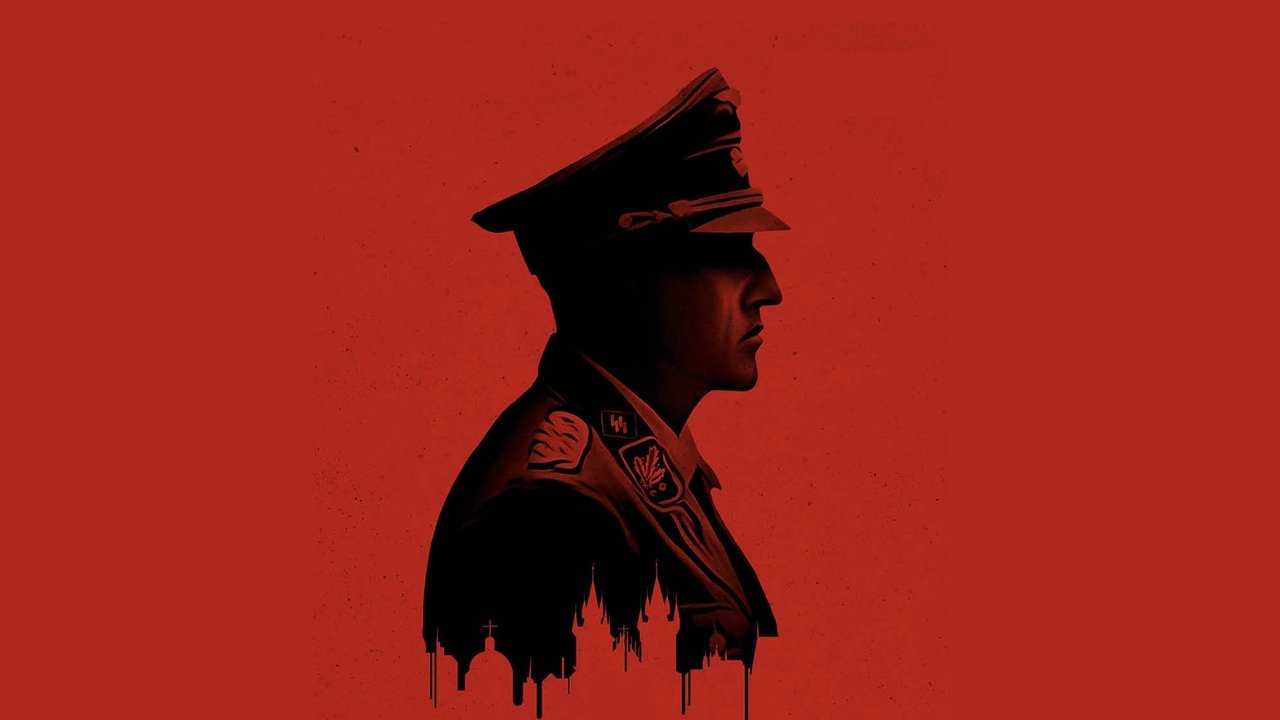
The aftermath is where Anthropoid truly distinguishes itself from other "mission" movies like Valkyrie. It doesn't end with the act; it explores the horrific, scorched-earth retaliation that followed. The film transitions from a spy thriller into a siege movie, culminating in a final stand at the Saints Cyril and Methodius Cathedral. This sequence is a masterclass in sound design and geography. You understand exactly where every soldier is, how much ammo is left, and the exact moment hope finally evaporates. The final twenty minutes of this film are more exhausting than a three-hour Marvel climax because the consequences actually matter.
Behind the Lens and the History
It’s worth noting that Sean Ellis spent over a decade researching this project before a single frame was shot. That obsession shows in the details—the film was shot on 16mm film to give it a grainy, tactile quality that digital often lacks. It feels like you could catch a splinter just by looking at the wooden crates.
The production also made the wise choice to film in Prague itself, using many of the actual locations where these events unfolded. There’s a weight to the architecture that you just can't recreate on a backlot in Atlanta. I was particularly struck by the performances of the female leads, Charlotte Le Bon and Anna Geislerová. They aren't just "the love interests" meant to soften the edges of the soldiers; they represent the civilian cost of resistance. They are the ones who provide the safe houses, who carry the messages, and who ultimately face the same brutal fate as the men with the guns.
If there’s a critique to be made, it’s the "British-actors-doing-slight-European-accents" trope. It’s a bit distracting for the first ten minutes—Toby Jones is wonderful as Jan Zelenka, but his accent occasionally wanders—yet the strength of the script eventually makes you forget the linguistic gymnastics. Casting Cillian Murphy to play a man under extreme pressure is essentially a cheat code for quality cinema.
Why It Matters Now
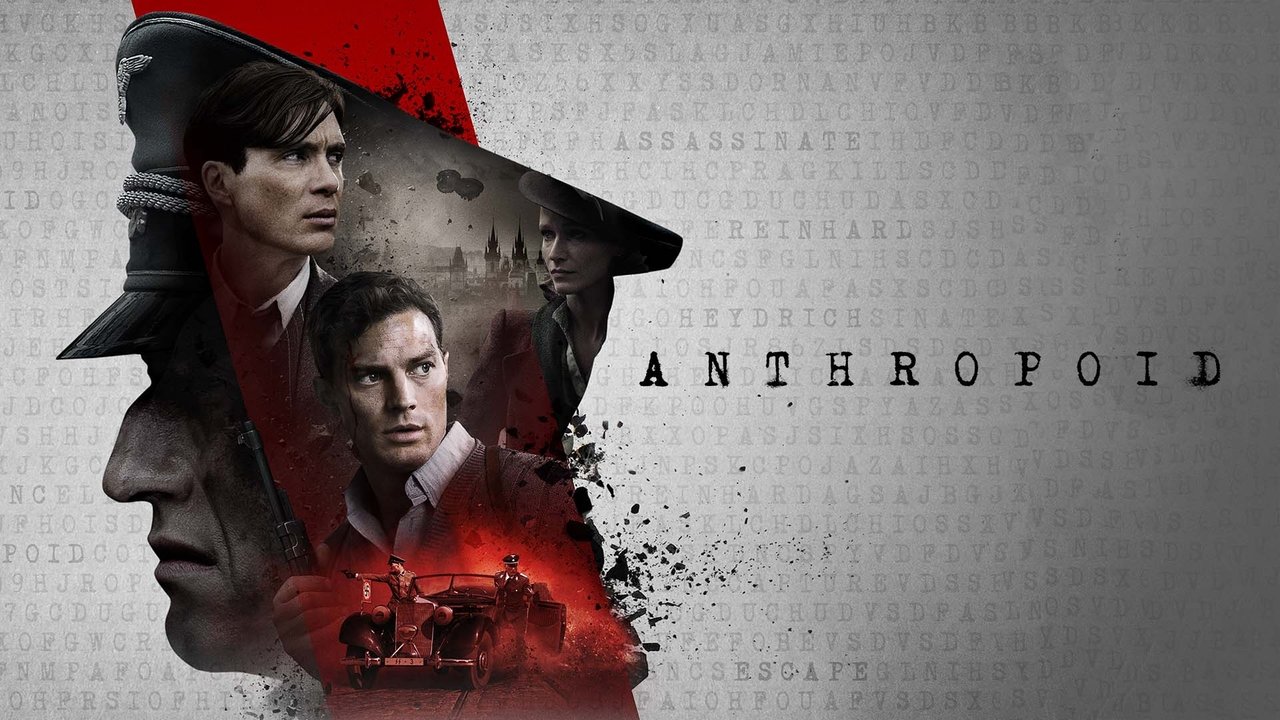
In an era of franchise dominance where "stakes" usually involve the end of the universe (and are inevitably reversed in the sequel), Anthropoid is a sobering reminder of what real stakes look like. It’s a film about the impossible choice between doing nothing in the face of evil or doing something that will almost certainly result in your death and the deaths of those you love.
It didn't set the box office on fire in 2016, largely because it’s a tough sit. It’s a "Dark/Intense" drama in the truest sense. But for those who appreciate a historical thriller that treats its audience like adults, it’s a vital piece of work. It captures a specific moment in time with a level of intensity that lingers long after you’ve turned off the TV.
Anthropoid is a grueling, expertly crafted tribute to a chapter of history that deserves to be remembered. It avoids the traps of sentimentality and instead offers a cold, hard look at the price of freedom. It’s the kind of mid-budget, serious-minded filmmaking that feels increasingly rare in our current streaming-first landscape. If you have two hours and a high tolerance for tension, seek this one out. Just don't expect to feel "good" when it's over—expect to feel moved.
Keep Exploring...
-
The Siege of Jadotville
2016
-
13 Hours: The Secret Soldiers of Benghazi
2016
-

Detroit
2017
-

The Zookeeper's Wife
2017
-
Hotel Mumbai
2019
-
The Courier
2020
-
Eye in the Sky
2015
-

Land of Mine
2015
-
22 July
2018
-
Т-34
2018
-
An Officer and a Spy
2019
-
Official Secrets
2019
-

The Professor and the Madman
2019
-
Escape from Pretoria
2020
-
Emancipation
2022
-
Patriots Day
2016
-
Snowden
2016
-
1917
2019
-

Tetris
2023
-
Land of Bad
2024