Arrival
"A quiet, brainy masterpiece that proves the greatest weapon is a simple hello."
I remember sitting in a drafty theater in late 2016, flanked by a guy who smelled overwhelmingly of patchouli and a teenager who wouldn't stop rattling a bag of Sour Patch Kids. Usually, that’s a recipe for a miserable two hours, but within ten minutes of Arrival starting, the patchouli guy and the candy kid simply vanished from my consciousness. I was too busy trying to breathe.
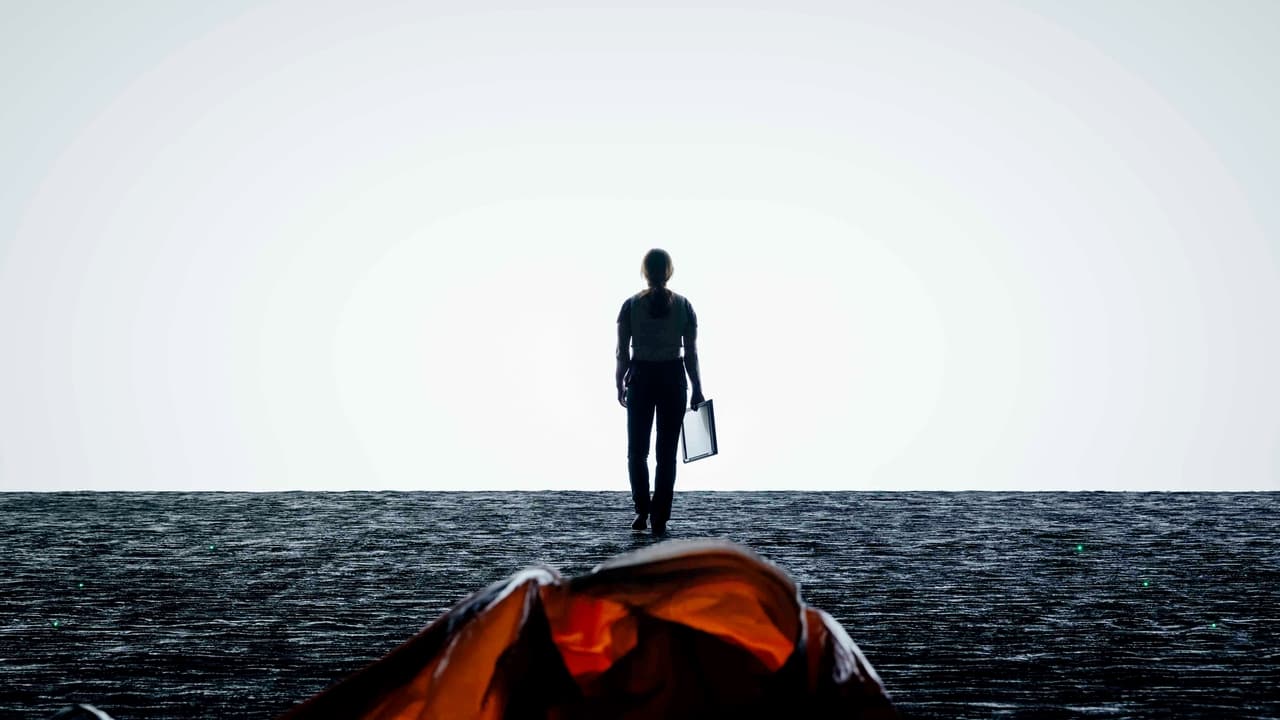
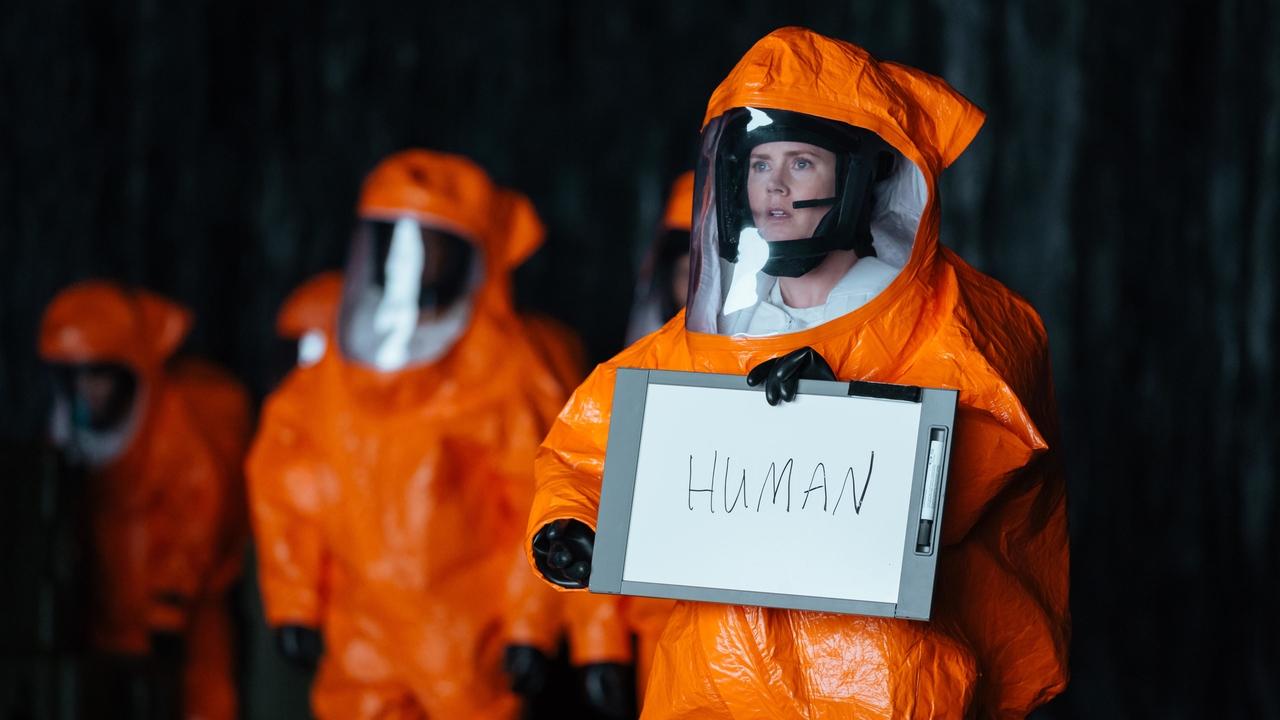
Directed by Denis Villeneuve—the man who later tackled the "unfilmable" Dune and gave us the gritty Sicario—Arrival isn't your standard "aliens blow up the White House" fare. It’s a film where the most high-stakes weapon isn't a laser cannon; it's a whiteboard and a felt-tip marker. It arrived in an era dominated by the peak of the Marvel Cinematic Universe’s colorful punch-fests, offering a somber, grey-hued alternative that treated the audience like they actually had a functioning brain.
Grammar at the End of the World
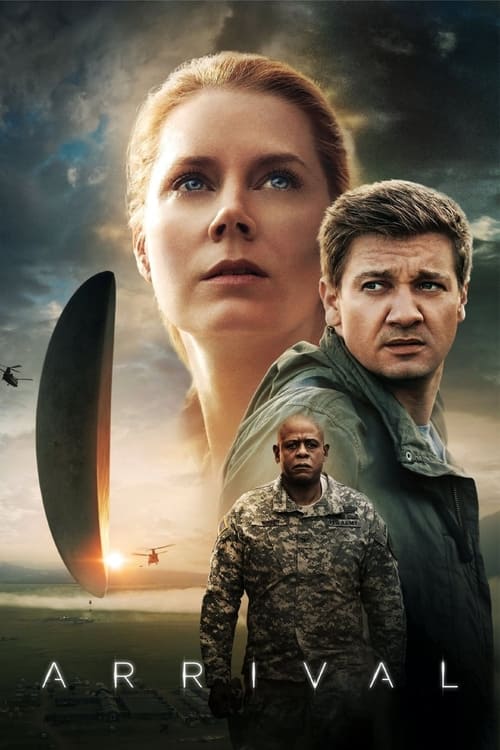
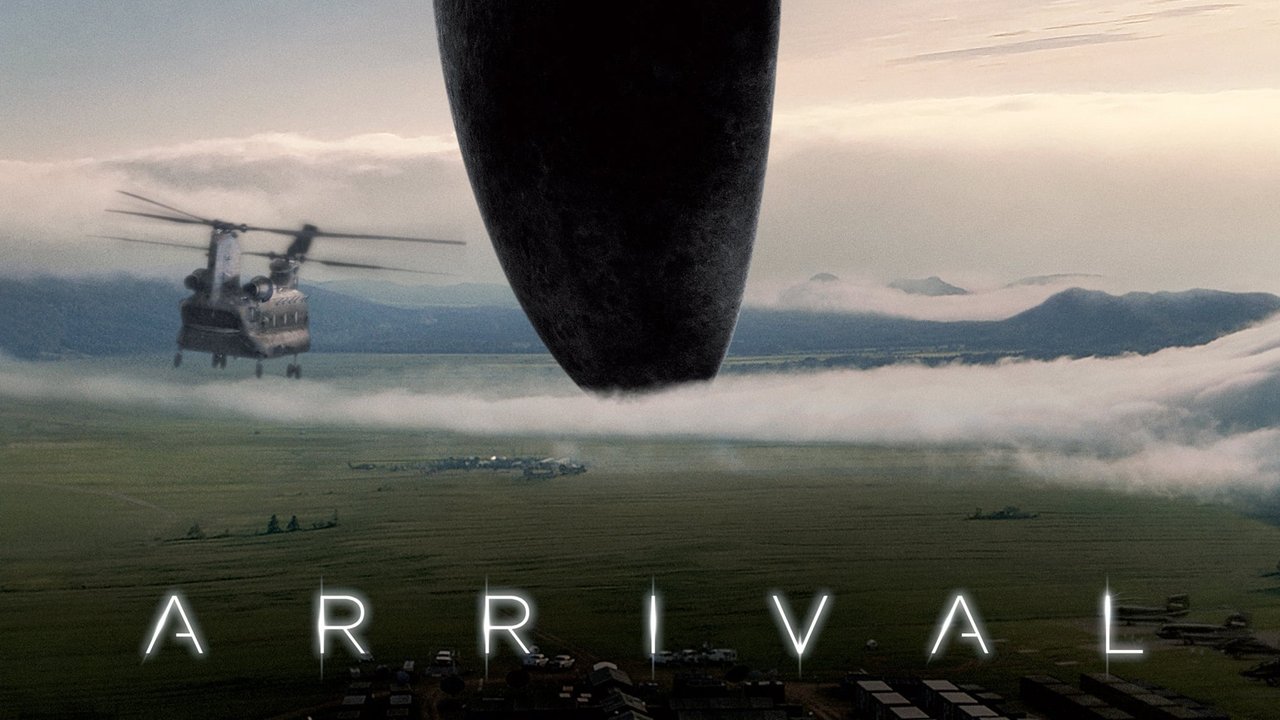
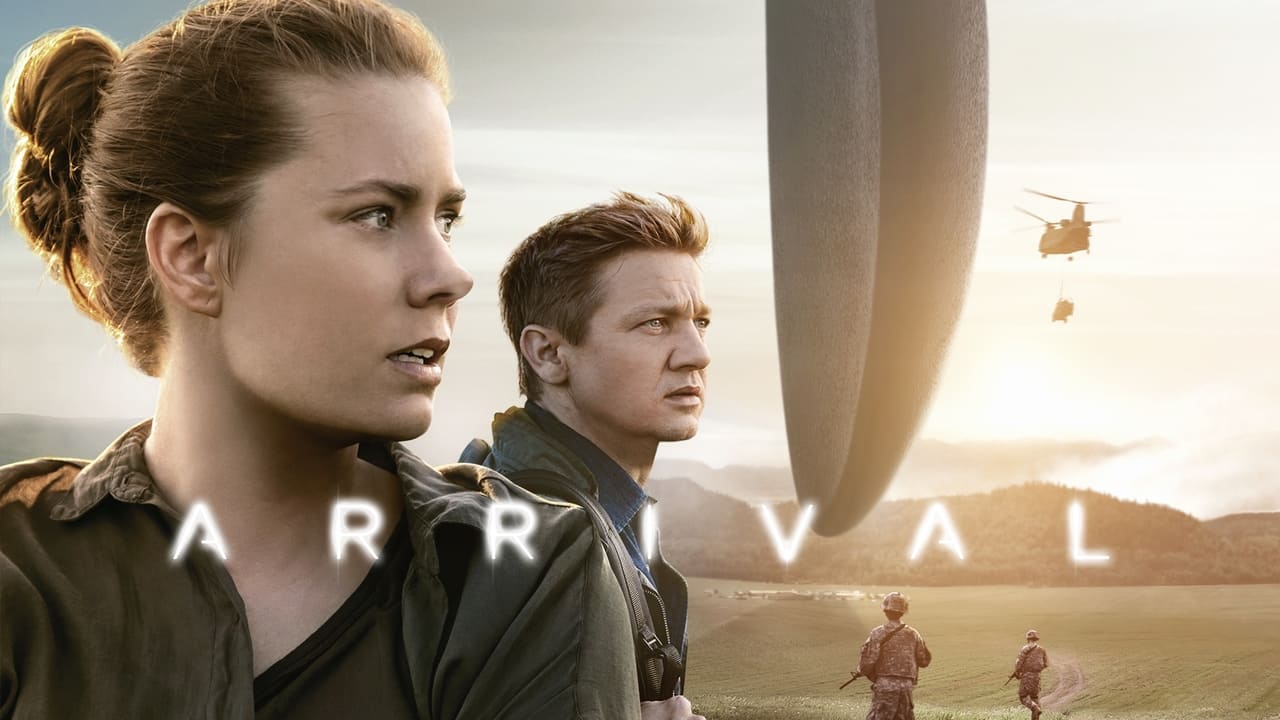
The premise is deceptively simple: twelve giant, oblong "shells" park themselves over various locations across the globe. They don’t fire. They don’t broadcast. They just hover. The military, led by a stoic Forest Whitaker (who did The Last King of Scotland), recruits Dr. Louise Banks, played by a luminous Amy Adams.
Louise is a linguist, and the movie treats her profession with the kind of reverence usually reserved for elite snipers or master thieves. Amy Adams gives a performance so layered and internal that I’m still a little annoyed the Academy didn't hand her the Oscar right then and there. Beside her is Jeremy Renner (the Avengers mainstay), playing a physicist named Ian Donnelly. I’ll be honest: Renner’s Ian is essentially a sentient calculator who exists to tell us how smart Louise is, but their chemistry works because it feels grounded in mutual professional respect rather than a forced Hollywood romance.
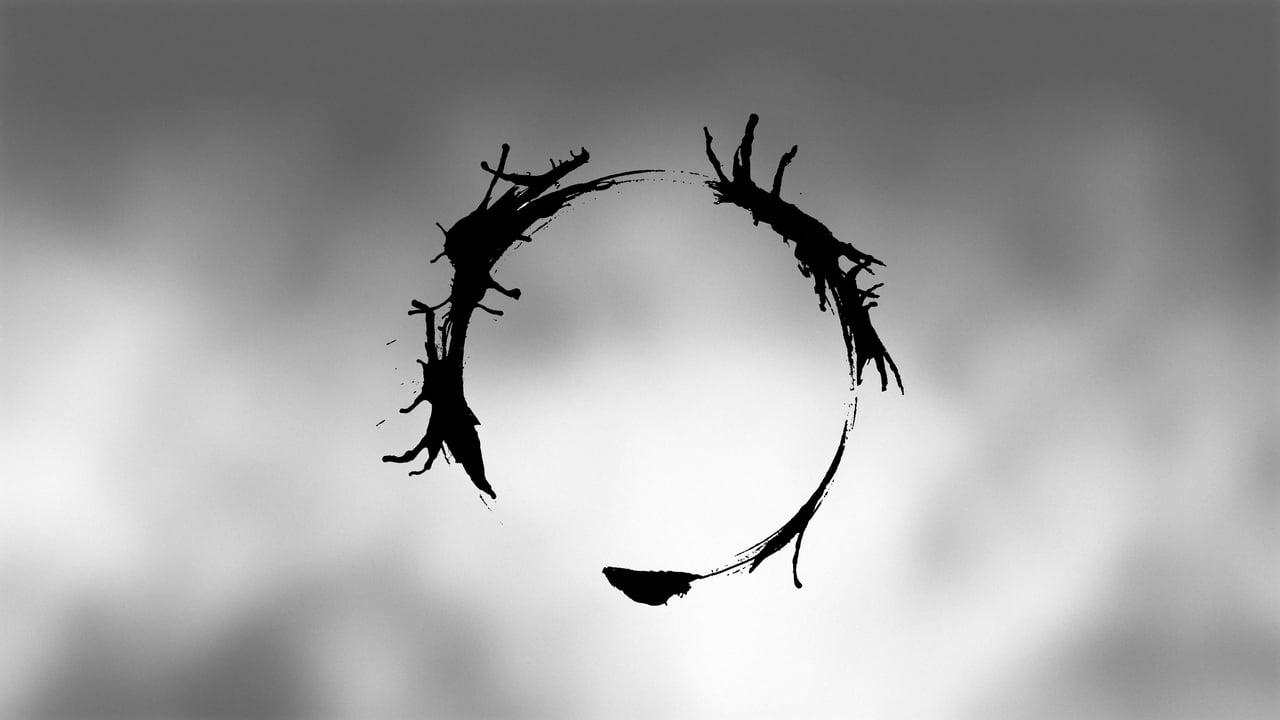
What I love about this film is how it handles the "first contact" trope. When Louise and Ian finally enter the craft, the gravity shifts, the air grows cold, and we see the Heptapods—creatures that look like a cross between an elephant and an octopus living inside a giant fog machine. They communicate using circular "logograms" that look like complex coffee stains. The mystery isn't "how do we kill them?" but "how do we ask them what they want without accidentally declaring war?"
A Miracle of Scale and Budget
From a production standpoint, Arrival is a bit of a miracle. In an age where streaming services regularly dump $200 million into movies that look like they were filmed in a parking lot, Denis Villeneuve made this for a relatively lean $47 million. It looks twice as expensive as most modern blockbusters because of its restraint. The cinematography by Bradford Young is moody and naturalistic, favoring soft, ambient light over the hyper-saturated CGI gloss we see so often now.
The film was a massive hit, pulling in over $203 million worldwide. It proved there was a huge appetite for "Hard Sci-Fi" that deals with the human condition rather than just explosions. Interestingly, the "language" of the Heptapods wasn't just random squiggles. The crew actually worked with linguists and Stephen Wolfram (the Mathematica guy) to create a dictionary of over 100 unique symbols. That level of nerdery is exactly why this movie stays with you. It feels real. Even the way the global political tension is handled—with Tzi Ma playing a hardline Chinese General—felt eerily prescient for the mid-2010s.
The Gut-Punch We Didn't See Coming
I have to mention the score by the late, great Jóhann Jóhannsson. It’s haunting, using vocal loops and deep, vibrating brass that sounds less like music and more like the Earth itself is groaning. It builds a sense of dread that pays off in a way I won't spoil, but I will say this: the ending of Arrival isn't a "gotcha" twist. It’s an emotional revelation that recontextualizes every single scene that came before it.
Watching it again recently, I realized that Arrival is one of the few contemporary films that actually feels more relevant as time passes. In our current landscape of social media echo chambers and rapid-fire misinformation, a movie about the painstaking, frustrating work of actually listening to someone who doesn't speak your language feels like a fantasy—but a necessary one.
Arrival is that rare blockbuster that manages to be both gargantuan in scope and intensely intimate. It’s a movie that demands your full attention and rewards it with a story that lingers in your mind for weeks. If you missed it in theaters, turn off your phone, dim the lights, and let the coffee-stain language wash over you. It’s one of the best things the 2010s gave us.
Keep Exploring...
-
Blade Runner 2049
2017
-
10 Cloverfield Lane
2016
-

A Quiet Place
2018
-
Dune: Part Two
2024
-
Black Mirror: Bandersnatch
2018
-

The Martian
2015
-
War for the Planet of the Apes
2017
-

Dune
2021
-
The Gift
2015
-

The Hateful Eight
2015
-
The Shape of Water
2017
-
What Happened to Monday
2017
-

Wind River
2017
-
Bad Times at the El Royale
2018
-

Suspiria
2018
-
Glass
2019
-

Midsommar
2019
-
High Life
2018
-
The Vast of Night
2019
-

Nocturnal Animals
2016