Bastille Day
"One wrong bag. One city on the brink."
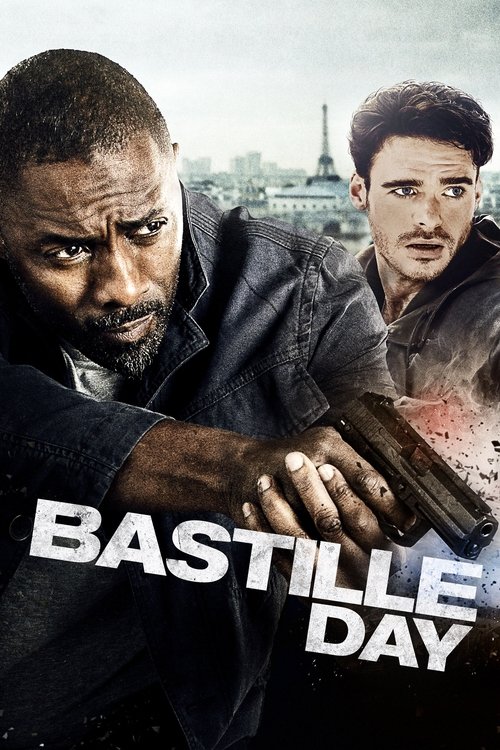
The release of a film is often a game of Russian Roulette where the studio bets on the cultural mood, but rarely does a movie get hit by a coincidence as tragic and silencing as the one that buried Bastille Day. I remember seeing the trailers for this back in early 2016 and thinking it looked like the perfect "Saturday Night Special"—a mid-budget, punchy Euro-thriller that didn't require a map of a cinematic universe to understand. But then, real-world horror intervened. After the Bastille Day truck attack in Nice, the film was pulled from French theaters, and in several territories, it was quietly rebranded as The Take. It became a ghost of a movie, haunted by a calendar date it couldn't control.
I finally caught up with it recently on a rainy Sunday while my neighbor was loudly practicing the tuba, and honestly, the brassy chaos next door actually complemented the film’s "Blue Collar Bond" energy. It’s a fascinating artifact of the mid-2010s: a lean, mean 92-minute actioner that feels like the last of a dying breed before every action movie was required to be a three-hour deconstruction of grief or a CGI-heavy multiverse expansion.
The Hammer and the Scalpel
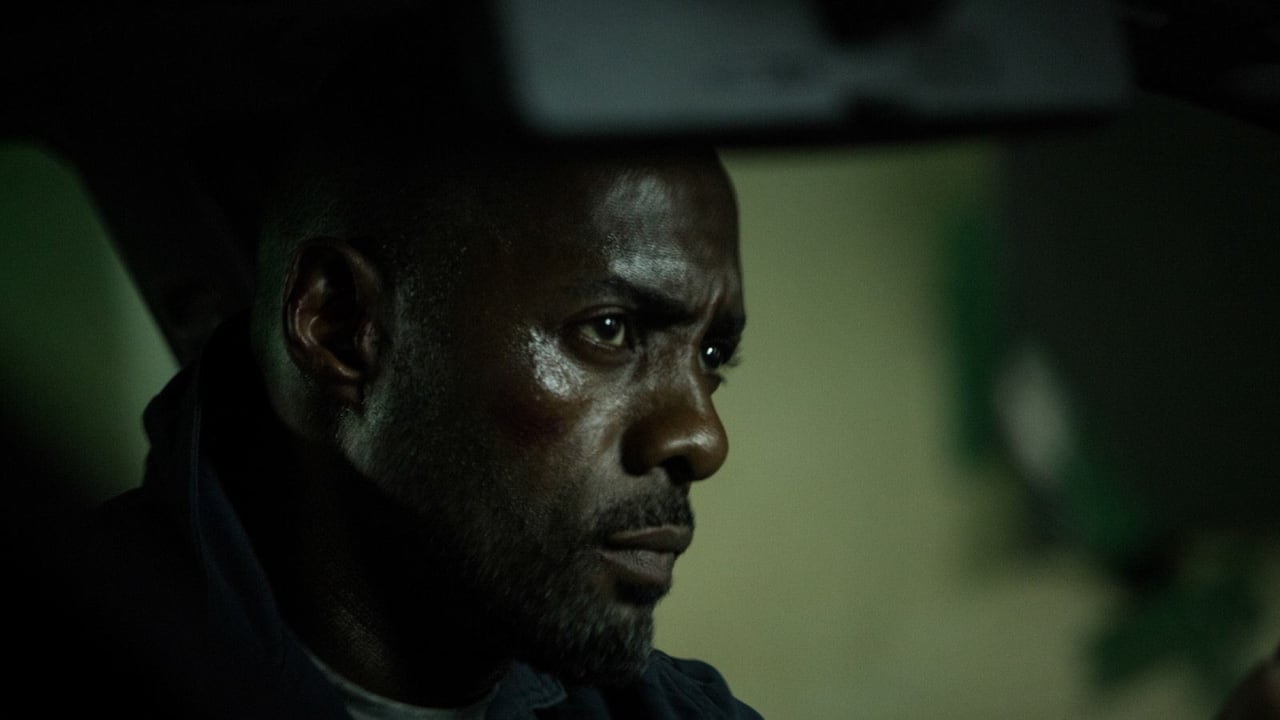
The setup is classic Hitchcock-on-steroids. Richard Madden (best known then as the doomed Robb Stark from Game of Thrones) plays Michael Mason, an American pickpocket in Paris who happens to swipe the wrong bag at the wrong time. Inside isn't a fat wallet, but a bomb intended to cause a distraction for a much larger heist. Enter Idris Elba as Sean Briar, a "bad attitude" CIA agent who has been sidelined to Paris because he’s a bit too fond of breaking ribs to get results.
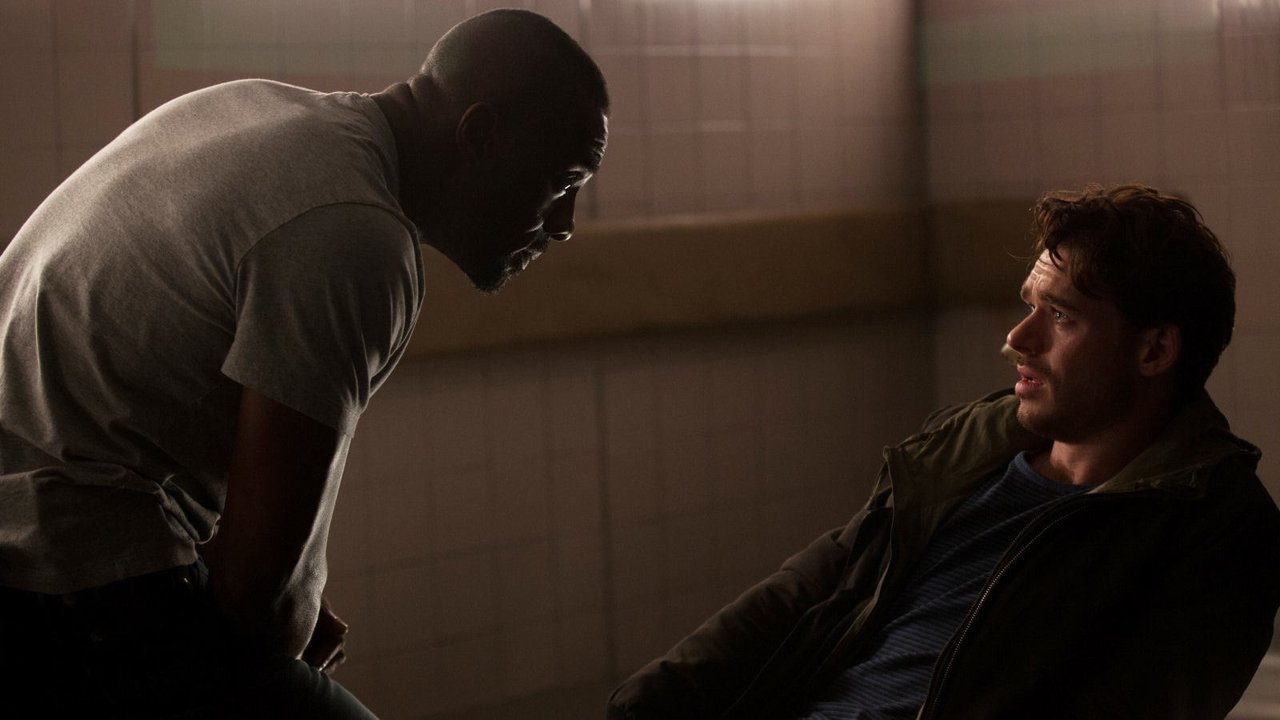
The chemistry here isn't the typical "wacky buddy cop" vibe; it’s more of a "professional hunter and his reluctant golden retriever" dynamic. Idris Elba is in full "Why haven't they made him 007 yet?" mode, radiating a physical presence that suggests he could punch a hole through a brick wall if the paperwork got too annoying. Watching him move is the highlight of the film; he doesn't just run, he colonizes the space around him. Meanwhile, Richard Madden brings a jittery, nimble energy that contrasts perfectly with Elba’s blunt-force trauma approach. Madden’s character isn't a fighter, and the film does a great job of keeping him vulnerable. He survives by his wits and his "light fingers," which leads to some genuinely clever sequences involving the mechanics of street-level theft.
Practicality in an Era of Pixels
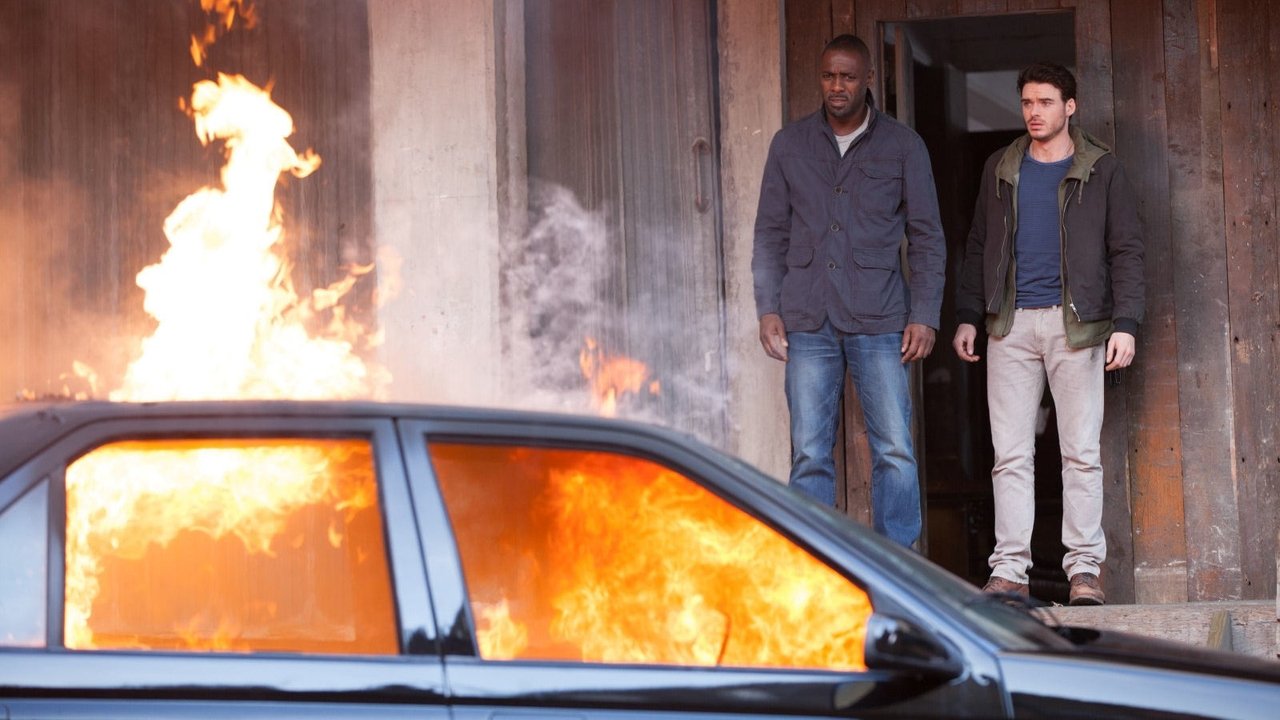
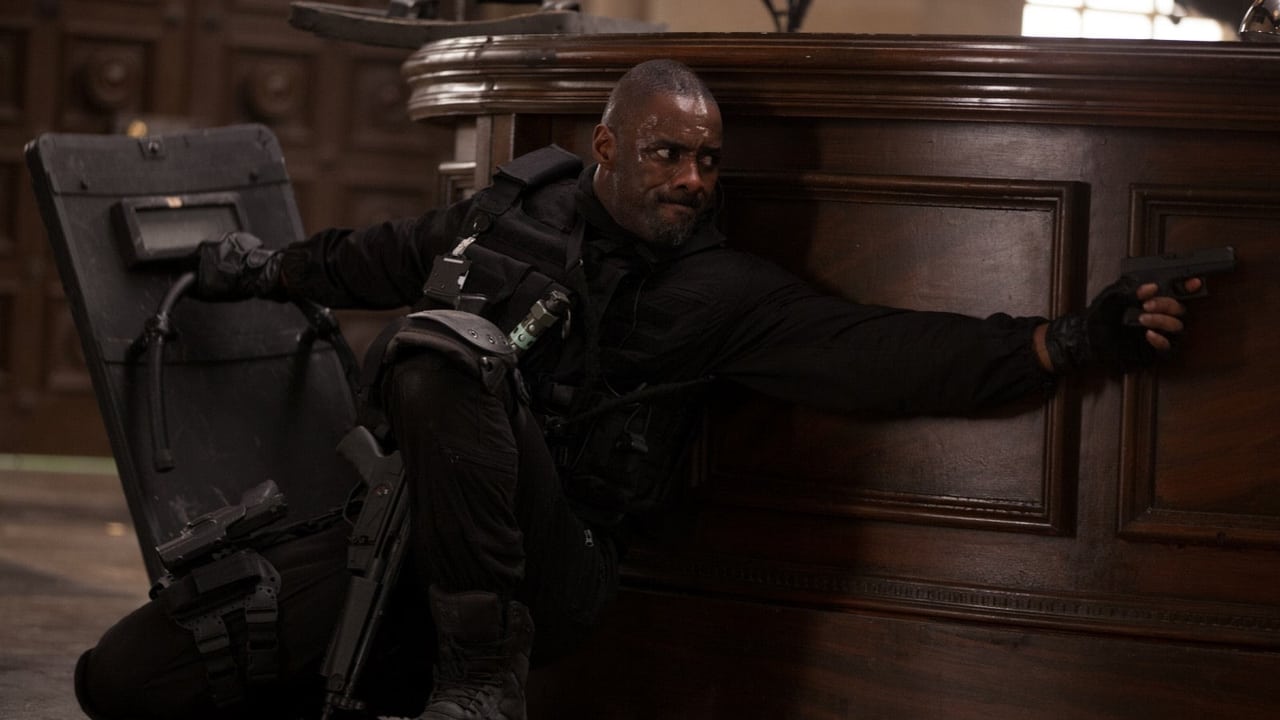
What really struck me about the direction by James Watkins—who previously gave us the traumatizing Eden Lake—is how much he leans into the physicality of the Parisian setting. In an era where "The Volume" and green screens have turned many action films into floaty, weightless experiences, Bastille Day feels wonderfully grounded. There is a rooftop chase across the Parisian skyline that is a masterclass in clear, high-stakes choreography. You can feel the tiles crunching under their boots, and when Idris Elba tackles someone, you feel the air leave the room.
The action isn't just about the "boom"; it's about the rhythm. There's a close-quarters fight inside a moving SWAT van that is absolute chaos in the best way possible. It’s tight, ugly, and cramped. This movie is the cinematic equivalent of a high-quality airport sandwich: it’s exactly what you need, even if you won’t remember the taste by the time you land. It doesn't overstay its welcome, and it respects the audience's time by getting straight to the point. The cinematography by Tim Maurice-Jones, who worked on Snatch, brings that gritty, high-contrast look that makes the wet streets of Paris look like a battlefield rather than a postcard.
The Disappearing Mid-Budget Thriller
Looking at Bastille Day now, it feels like a survivor of a lost ecosystem. This $20 million price point is where cinema used to thrive—movies that weren't "too big to fail" and thus could afford to be a little rougher around the edges. Today, a script like this would likely be snatched up by a streaming service, given a $60 million budget it doesn't need, and scrubbed of its personality until it looks like every other digital asset in the library. There is something to be said for the theatrical intent of this film; it was built to be seen with a crowd and a bucket of popcorn, not scrolled past on a menu.
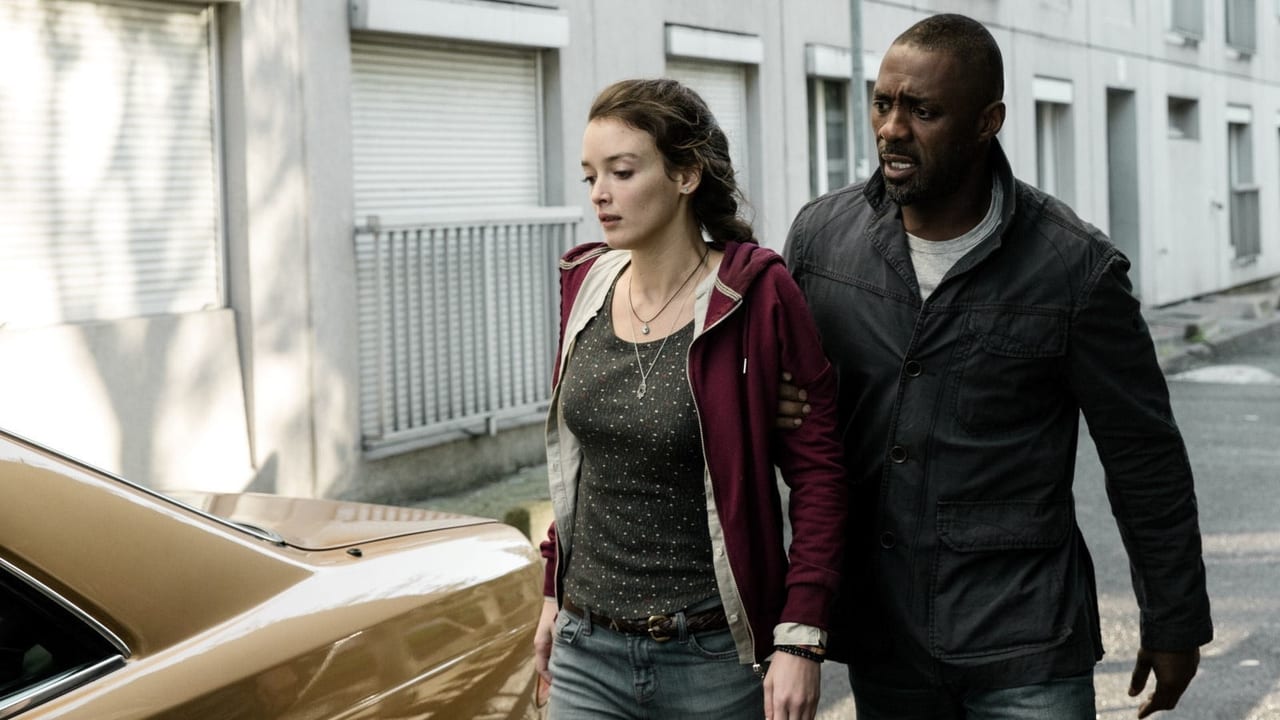
The plot, involving corrupt French police and a plot to rob the national bank under the guise of civil unrest, is serviceable, if a bit predictable. It touches on themes of social media manipulation and political polarization that felt prescient in 2016 and feel like a Tuesday morning in 2024. Supporting turns by Charlotte Le Bon and Kelly Reilly (long before she became the terrifying force of nature in Yellowstone) provide some much-needed texture, though they are admittedly sidelined by the Elba-Madden freight train. It’s a film that knows exactly what it is: a B-movie with A-list charismatic anchors and a director who knows how to shoot a foot chase.
Ultimately, Bastille Day is a solid, muscular thriller that deserves to be rescued from the "Whatever Happened To...?" pile. It doesn't reinvent the wheel, but it keeps the wheel spinning at a terrifyingly high speed for an hour and a half. If you're tired of superheroes and just want to watch Idris Elba look cool while sprinting through a Parisian market, this is your weekend sorted. It’s a sharp reminder that sometimes, the best cinematic experience is just a simple story told with a lot of grit and even more momentum.
Keep Exploring...
-
Speak No Evil
2024
-
Beast
2022
-
Barely Lethal
2015
-

Hot Pursuit
2015
-
Last Knights
2015
-
Survivor
2015
-
The Transporter Refueled
2015
-
Tracers
2015
-

Wild Card
2015
-
Criminal
2016
-
Keanu
2016
-
Masterminds
2016
-
Risen
2016
-
Brawl in Cell Block 99
2017
-
CHiPs
2017
-

Kidnap
2017
-
Security
2017
-
Sleepless
2017
-
A-X-L
2018
-
Kin
2018