Batman: The Killing Joke
"Be careful what you wish for."
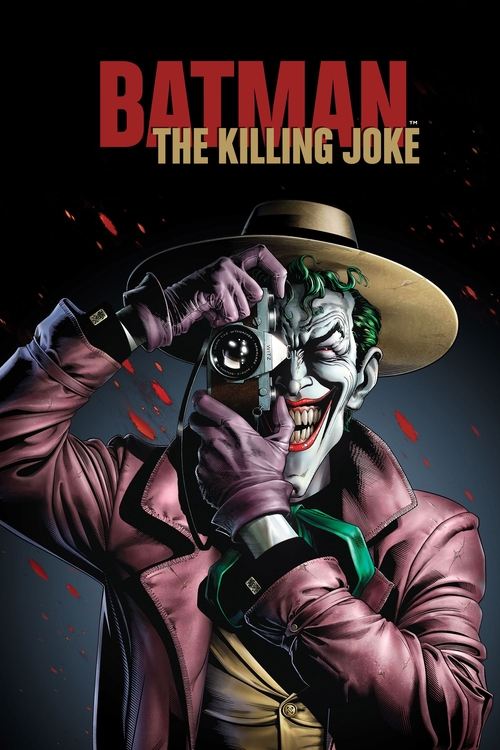
I remember the collective gasp in the hall at San Diego Comic-Con when this project was first announced. For years, the "nerd-sphere" had been begging for a high-fidelity, R-rated adaptation of Alan Moore and Brian Bolland’s 1988 graphic novel. It’s the "holy grail" of Joker stories—a slim, haunting, neon-drenched nightmare that defined the character for a generation. We wanted the grit, we wanted the violence, and most importantly, we wanted Kevin Conroy and Mark Hamill to finally voice the lines they were born to speak.
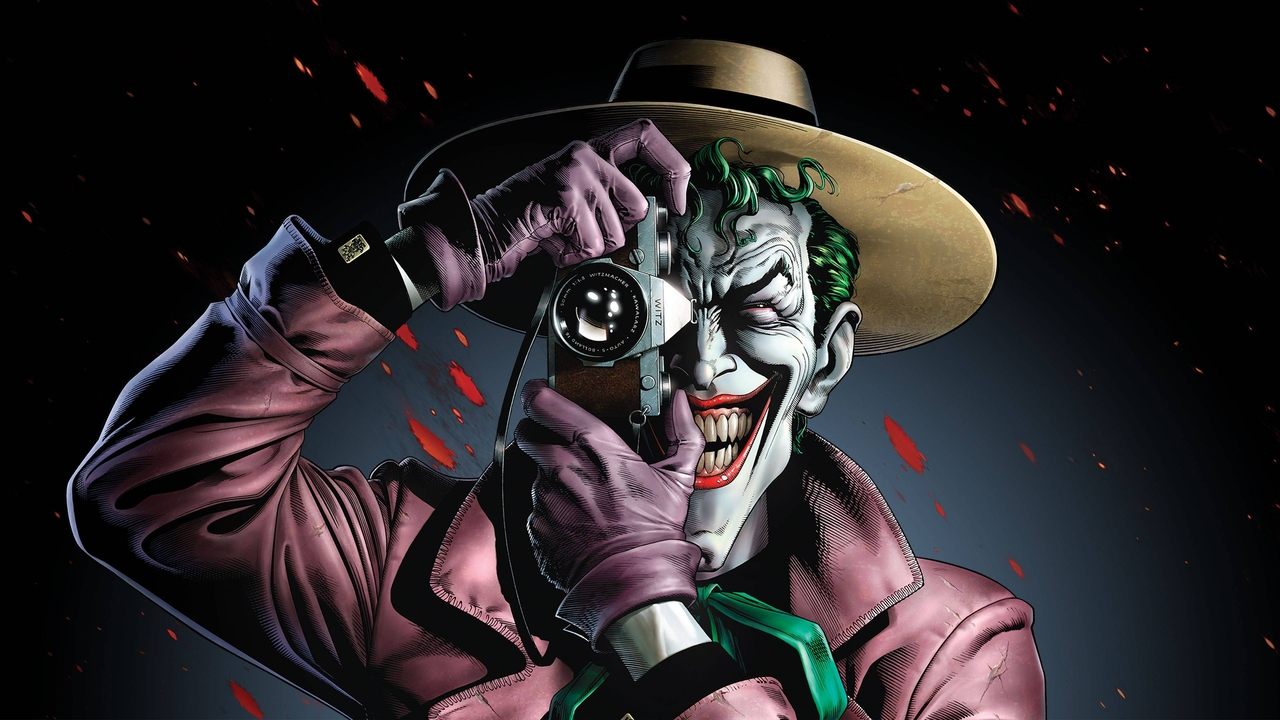
I finally sat down to watch it on my laptop while my roommate was in the next room loudly screaming at his teammates in Overwatch, and honestly, the digital gunfire from the other room was more coherent than the first thirty minutes of this movie. It’s a bizarre case study in how "giving the fans what they want" can go horribly, sideways wrong when you try to fix something that wasn't broken.
The Bat-Elephant in the Room
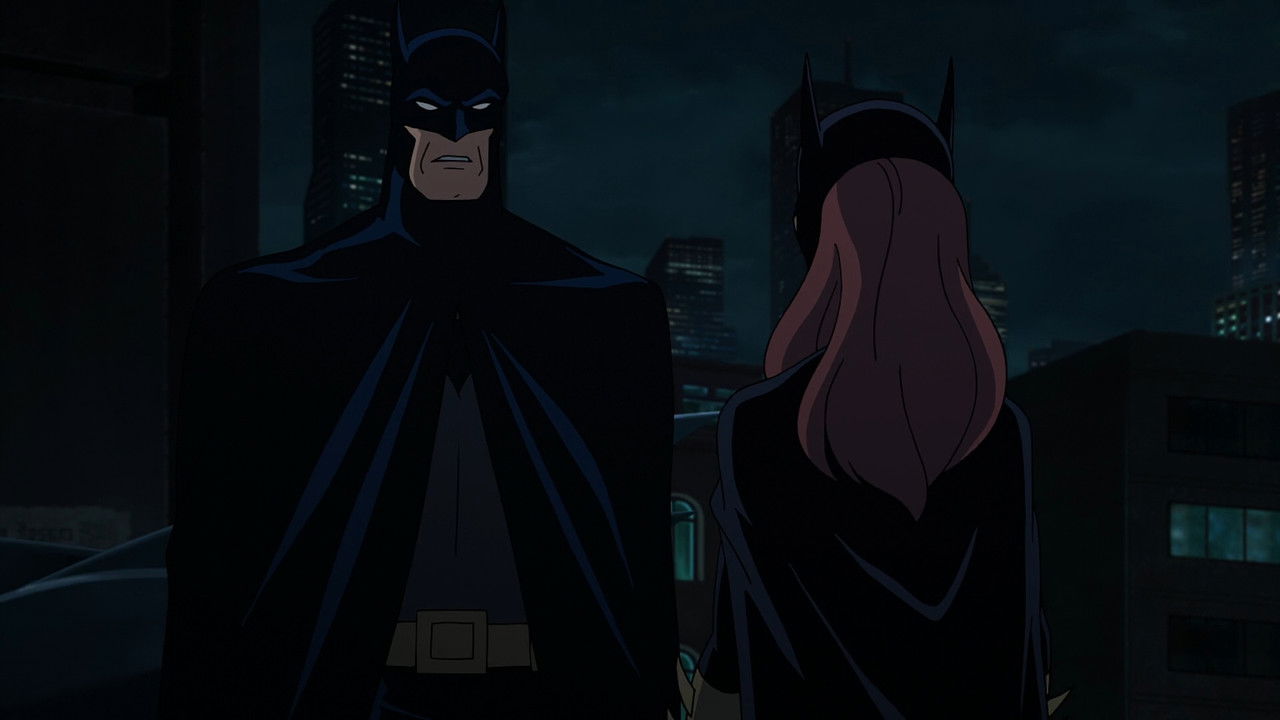
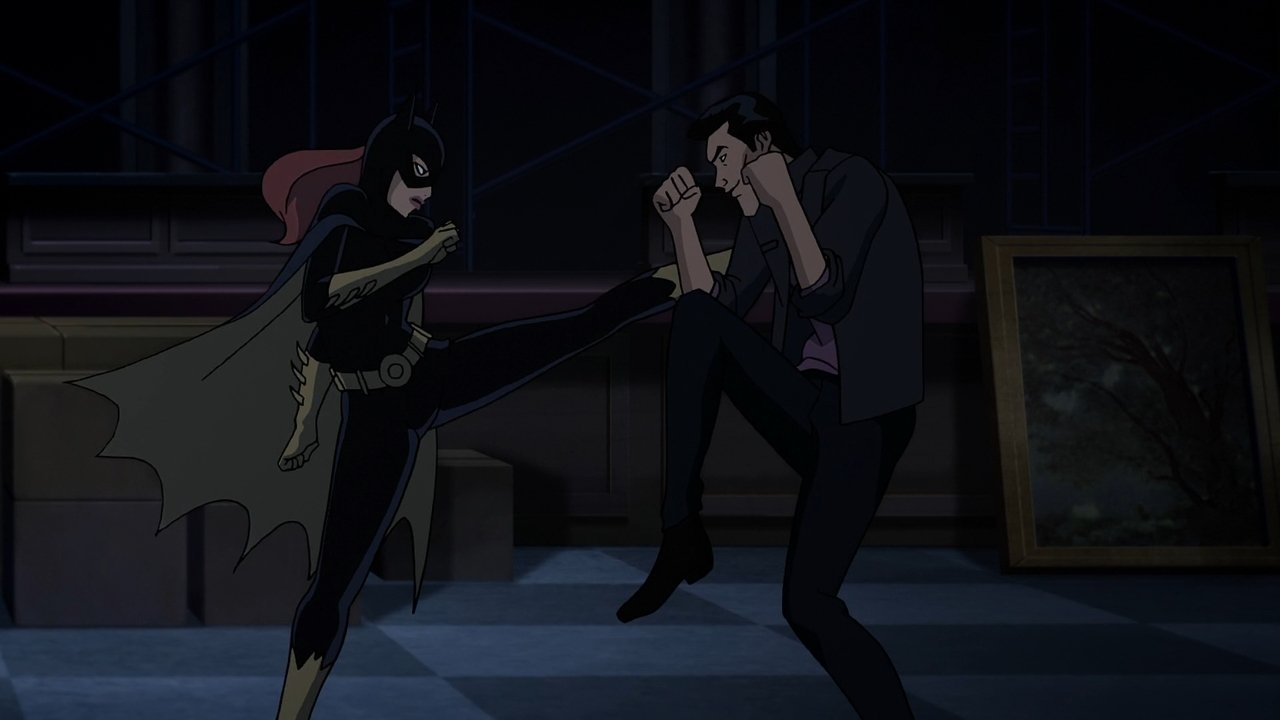
The biggest hurdle for The Killing Joke isn't the source material—it's the padding. The original comic is a lean 48 pages. To stretch that into a 77-minute feature, screenwriter Brian Azzarello (who wrote the excellent 100 Bullets) and director Sam Liu decided to tack on a nearly half-hour prologue centered on Tara Strong’s Barbara Gordon (Batgirl). On paper, giving Barbara more agency before her tragic turn in the main plot sounds like a "representation win" for 2016. In practice, it’s a total train wreck.
The film turns Barbara into a pining, emotional mess who is obsessed with Batman’s approval. Then, the scene happened—the one that set the 2016 internet on fire. Batman and Batgirl have a rooftop sexual encounter that felt less like a mature character beat and more like someone’s weird fan-fiction got accidentally mixed into the professional script. It doesn't just feel out of character; it feels gross. It reframes the rest of the movie not as a psychological battle between two icons, but as a weird domestic dispute. It’s a classic example of contemporary creators trying to "update" a classic and completely losing the thread of why the classic worked in the first place.
A Masterclass in Voice, a Stumble in Vision
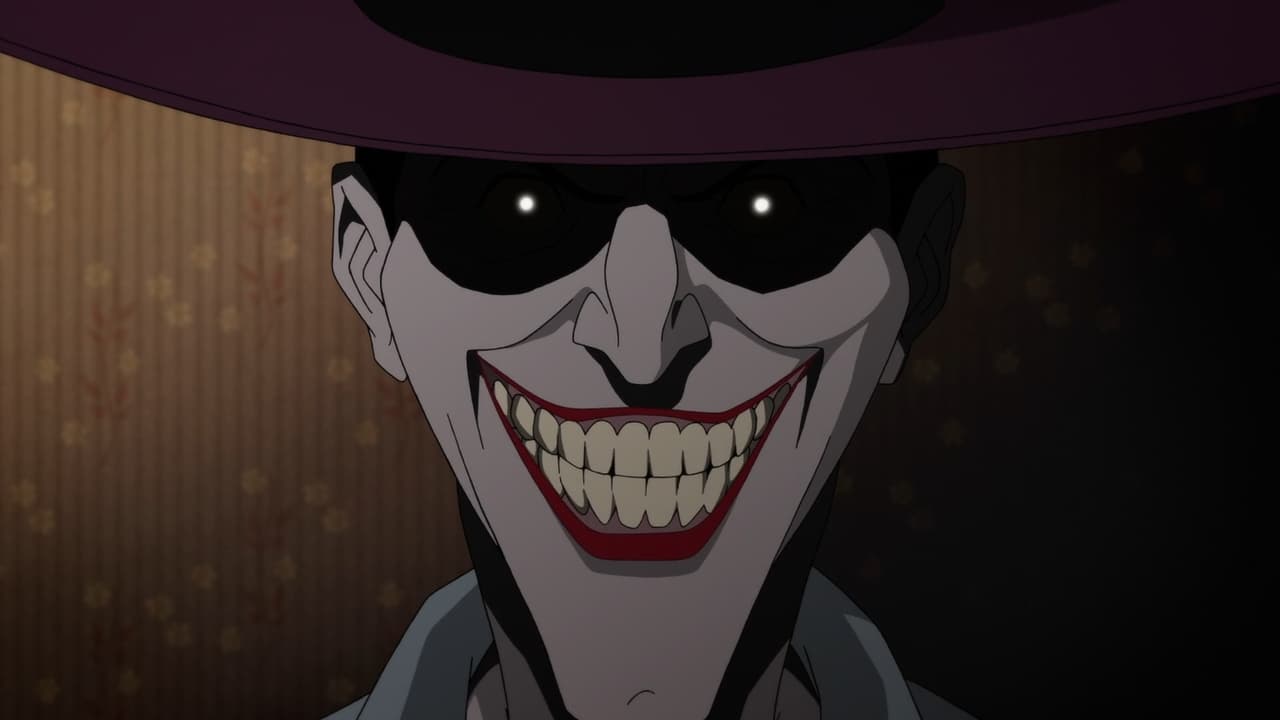
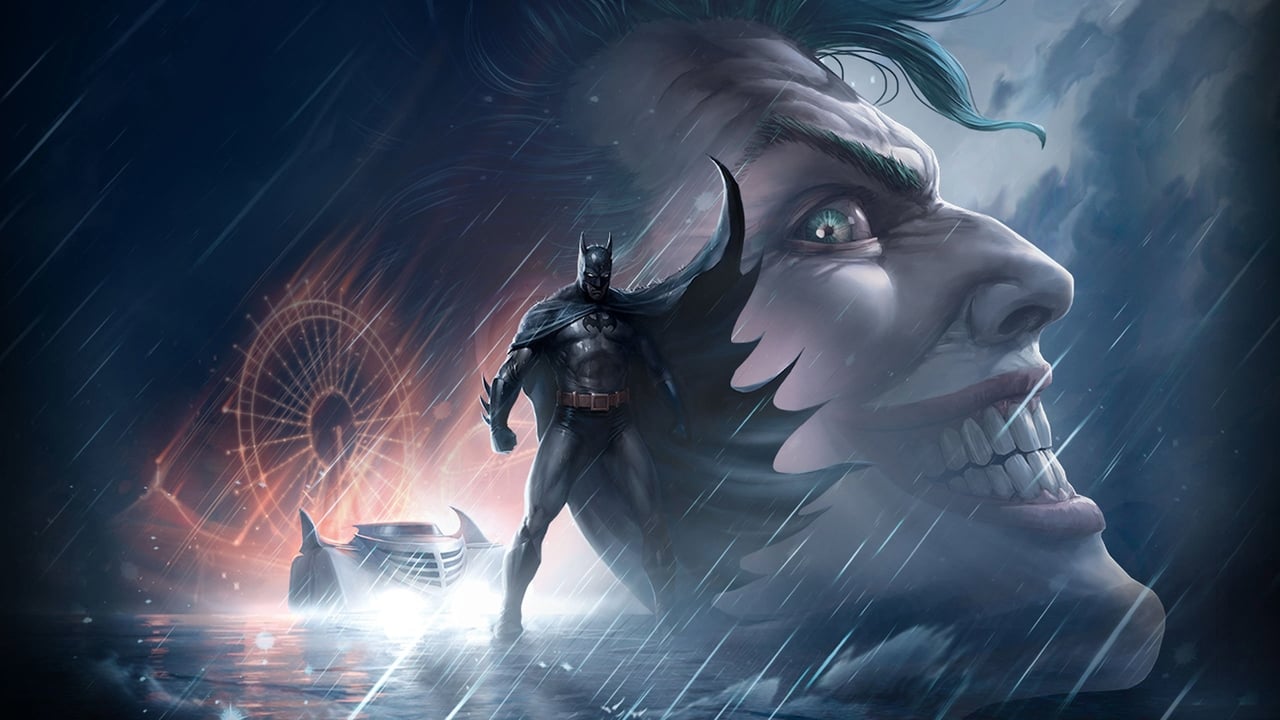
Once you survive the prologue, the movie finally shifts into the actual Killing Joke plot. This is where things stabilize, but they never quite soar. The action choreography is functional, but it feels strangely static. When Batman (Kevin Conroy, the definitive voice from Batman: The Animated Series) hunts the Joker through the rain, there’s a lack of "weight" to the movement. In an era where we’ve seen the kinetic brilliance of Spider-Man: Into the Spider-Verse or the fluid brutality of the John Wick films, the animation here feels budget-conscious and stiff, like a high-end motion comic rather than a cinematic event.
However, the saving grace—the reason this isn't a total wash—is the vocal performances. Mark Hamill delivers a Joker that is genuinely terrifying. He’s done the "Clown Prince" for decades, but here, he leans into the Shakespearean tragedy of the character’s "one bad day" origin. His rendition of the song "I Go Looney" is a highlight, and his chemistry with Conroy remains the gold standard. They understand the "dance" between these two better than any live-action pair. Ray Wise also puts in a heartbreaking performance as Commissioner Gordon, capturing the sheer terror of a man being pushed to the edge of his sanity.
The 2016 Gritty-Filter
Released during the height of the "DC Extended Universe" polarization—right between Batman v Superman and Suicide Squad—this film feels like a victim of that specific cultural moment. There was an obsession with proving that superheroes could be "for adults," usually by adding blood, swearing, and "mature" themes. But The Killing Joke proves that maturity isn't about what you show; it's about the perspective you take.
By trying to "flesh out" the story, they actually diluted the psychological horror. The original comic’s ending—that ambiguous, haunting laugh in the rain—works because it’s a sharp, cold shock to the system. Here, after forty minutes of romantic subplot and mobster B-plots, the impact is softened. It’s a legacy sequel/adaptation hybrid that can’t decide if it wants to be a gritty crime drama or a faithful recreation.
Interestingly, the film was originally intended for a direct-to-video release, but the "fan-hype" was so massive that Warner Bros. gave it a limited theatrical run. It ended up making its entire budget back in a single night, proving that the hunger for these characters is bottomless, even if the execution is lacking. It’s now largely remembered as a "what-if" curiosity—a film that is essential for the vocal performances but skippable for almost everything else.
If you’re a die-hard fan of the DC Animated Universe, you’ve probably already seen this, or you’ve purposefully avoided it based on the discourse. My advice? Start the movie at the 28-minute mark. If you treat it as a 45-minute short film, it’s a decent, if flawed, tribute to a legendary comic. If you watch the whole thing, you’re left with a bitter taste that even Mark Hamill’s iconic laugh can’t quite wash away. It’s a fascinating relic of 2010s franchise culture: a movie that tried to give us everything and ended up feeling like significantly less.
Keep Exploring...
-
Justice League vs. Teen Titans
2016
-
Batman vs. Robin
2015
-
Batman: Year One
2011
-
Superman: Red Son
2020
-
Batman: Hush
2019
-
Black and Blue
2019
-
Batman: Bad Blood
2016
-
Batman: Mask of the Phantasm
1993
-
Heist
2015
-
The Gunman
2015
-
Jack Reacher: Never Go Back
2016
-
Patriots Day
2016
-
American Made
2017
-
Death Wish
2018
-

21 Bridges
2019
-
Polar
2019
-
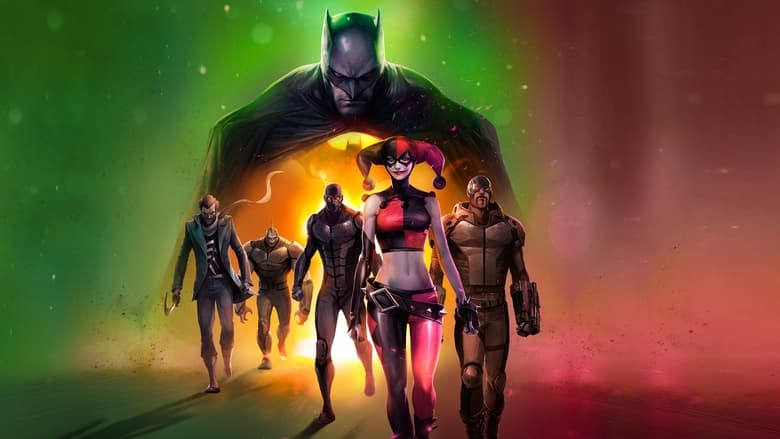
Batman: Assault on Arkham
2014
-

Justice League: Throne of Atlantis
2015
-
Lost Bullet
2020
-
Survivor
2015