Ben-Hur
"A chariot race into the shadows of obscurity."
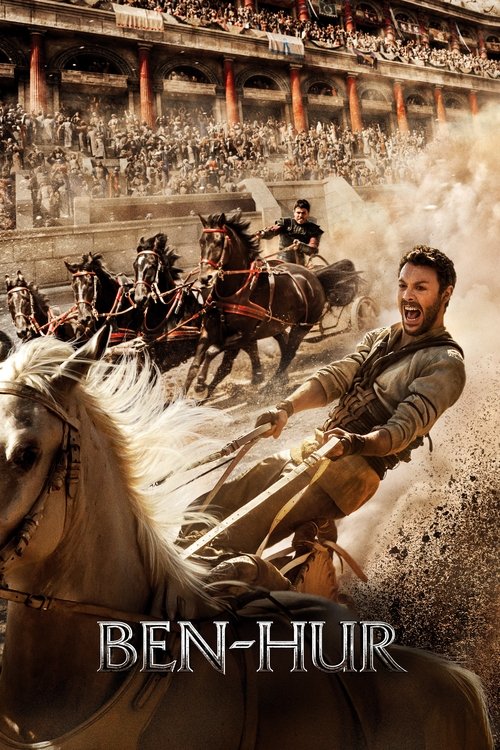
I clearly remember watching this in a half-empty theater on a Tuesday night while my neighbor was loudly practicing the trombone through the apartment walls earlier that day—the brassy, discordant blare of his scales somehow felt like the perfect overture for a movie that was destined to be a loud, expensive misunderstanding. Walking into Ben-Hur (2016), you can almost feel the studio anxiety radiating off the screen. It was the peak of the mid-2010s "legacy" craze, an era where every dusty IP was being dragged out of the vault, polished with modern CGI, and shoved into theaters to see if it still had a pulse.
The 1959 version of Ben-Hur is a monolith of cinema history, an eleven-Oscar-winning epic that defined the "swords and sandals" genre. Remaking it in 2016 felt less like an artistic choice and more like a dare. Director Timur Bekmambetov, the man who gave us the bullet-bending insanity of Wanted, was an odd choice for a biblical epic. He brings a frantic, GoPro-heavy energy to a story that traditionally breathes with Roman gravitas. The result is a film that feels like it’s constantly apologizing for being a period piece by trying to act like an installment of The Fast and the Furious.
The Chariot in the Room
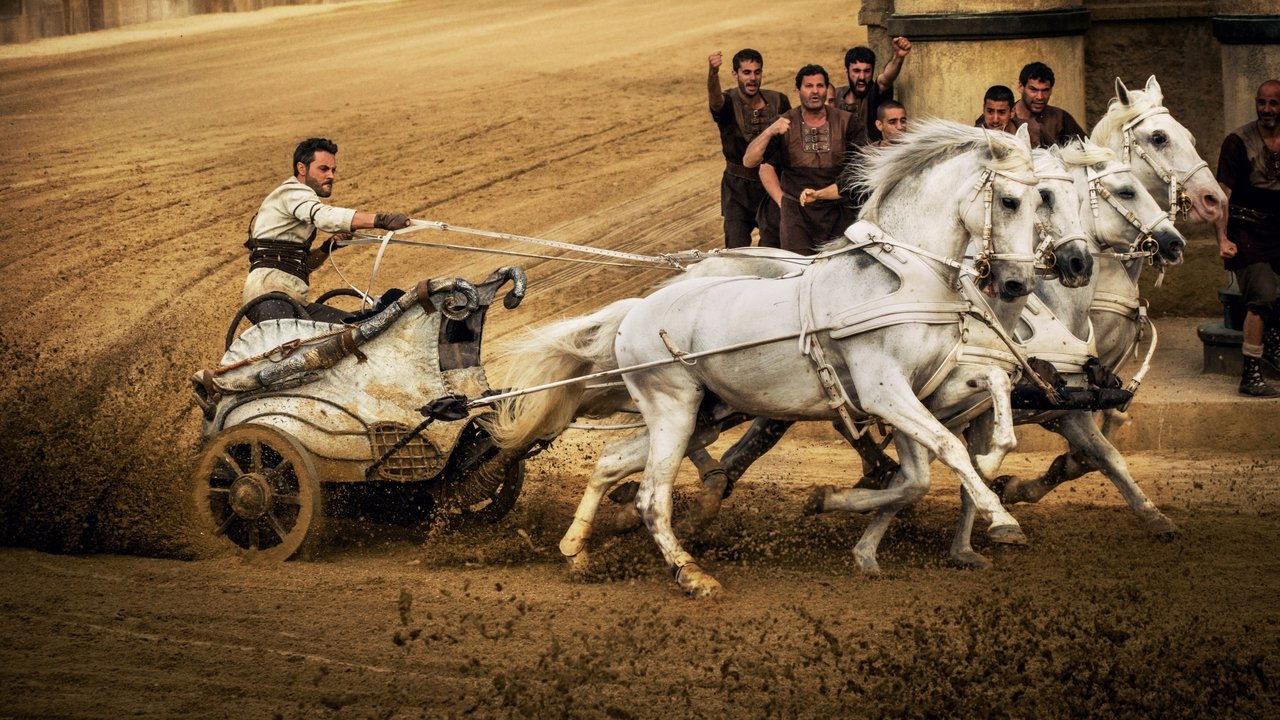
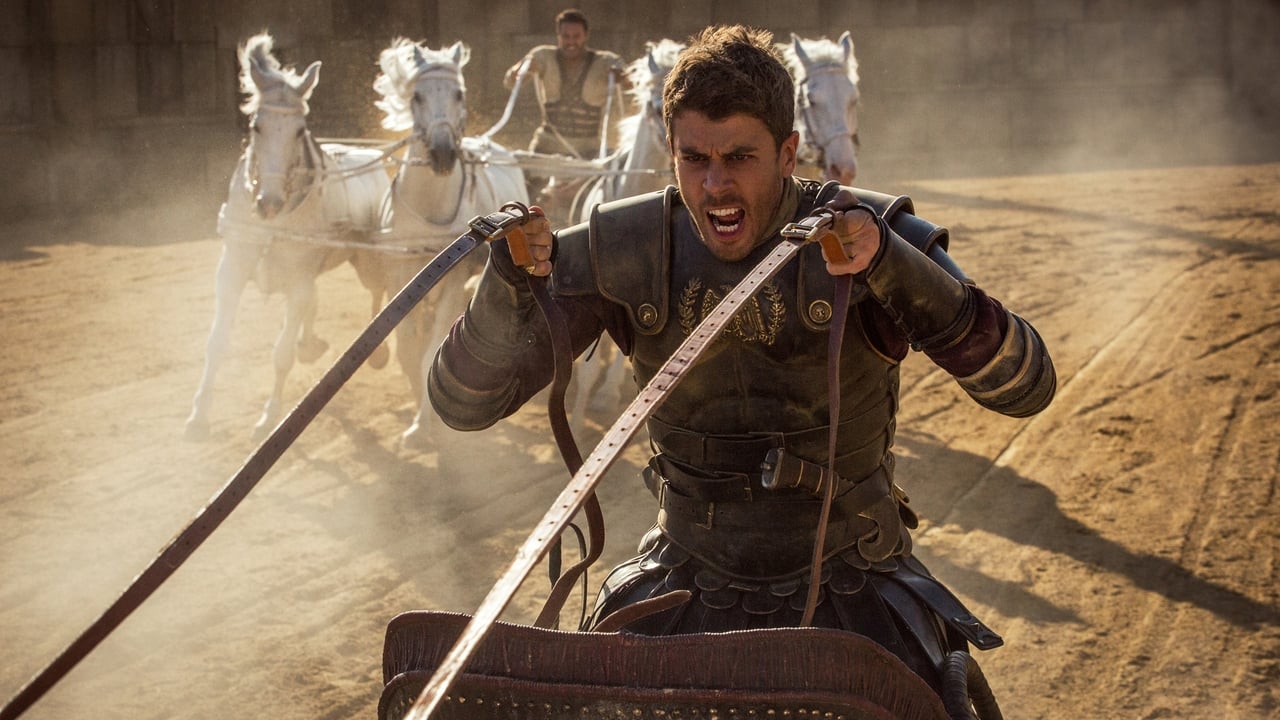
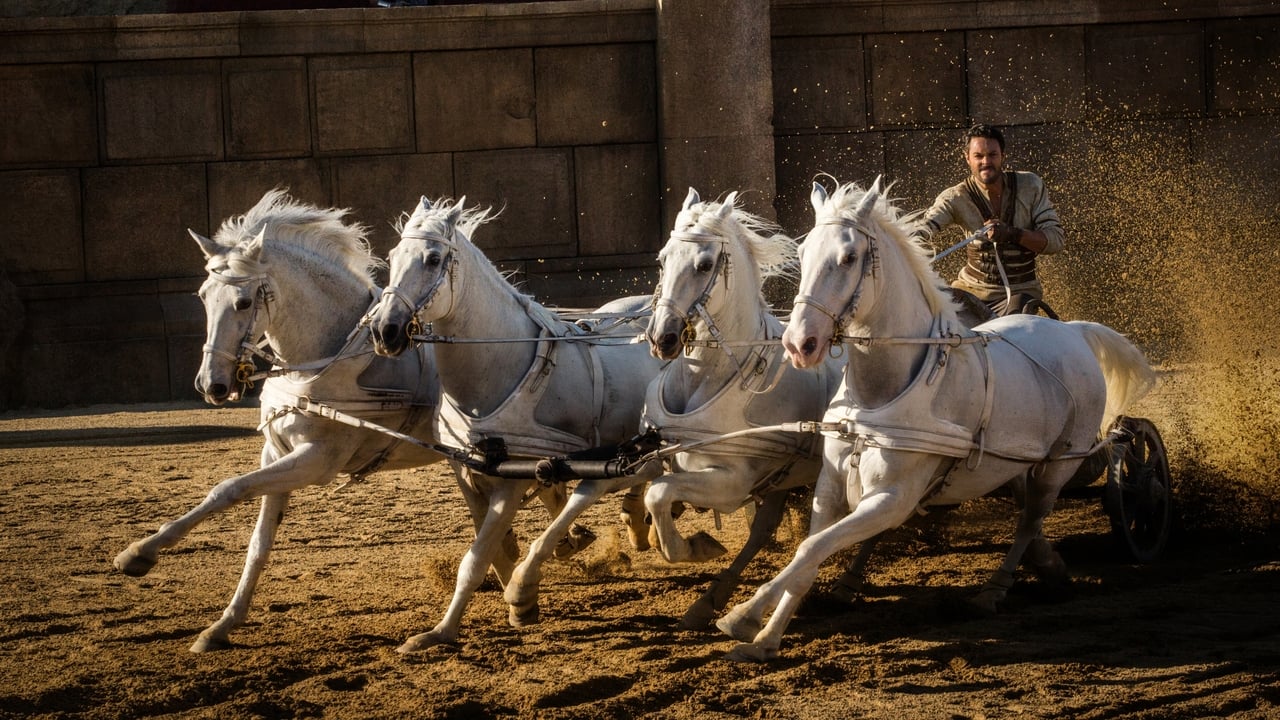
Let’s talk about the one thing everyone actually cares about: the chariot race. In the original, it was a triumph of practical stunt work and sheer scale. Here, Bekmambetov tries to modernize it by mounting cameras everywhere—on the wheels, on the horses' chests, and in the dirt. At times, the kinetic energy actually works. You feel the grit and the bone-crunching impact of a chariot flipping at high speed. It’s the one sequence where the film’s massive $100 million budget is visible.
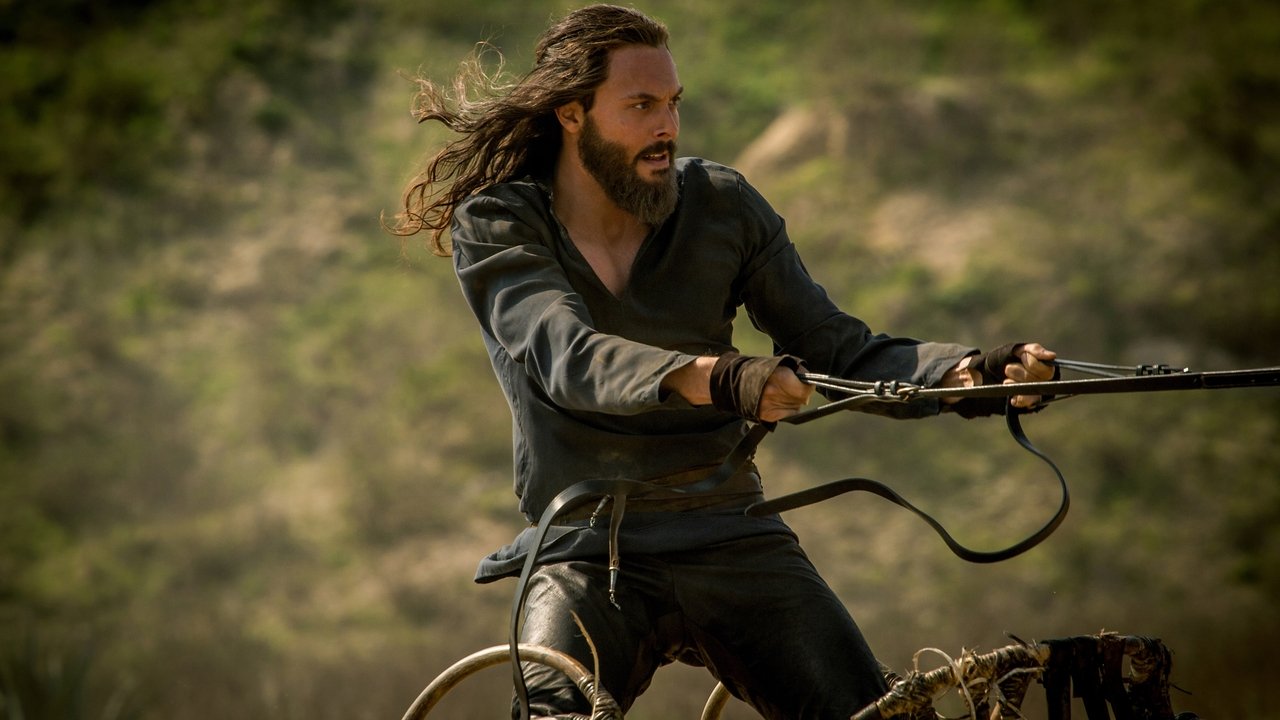
However, the over-reliance on digital augmentation robs the scene of the weight it needs. There are moments where the physics feel just a bit too "video gamey," making the stakes feel low despite the flying splinters. While the production used about 90 horses and spent 32 days filming that single sequence in Italy, the final edit is so hyper-active that you lose the geography of the race. Jack Huston, playing the falsely accused nobleman Judah Ben-Hur, and Toby Kebbell, as his Roman-adopted-brother-turned-rival Messala, do their best to sell the animosity, but they are often swallowed by the dust and the digital debris.
A Wig and a Prayer
The 2016 version makes some significant changes to the narrative, most notably in how it handles the character of Jesus. In the 1959 film, Christ is a looming, ethereal presence whose face is never shown. In this contemporary version, Rodrigo Santoro plays Jesus as a more grounded, speaking character. It’s a very "2016" move—humanizing the divine to make it more relatable for a modern audience—but it strips away the mythic power that the older version leaned on.
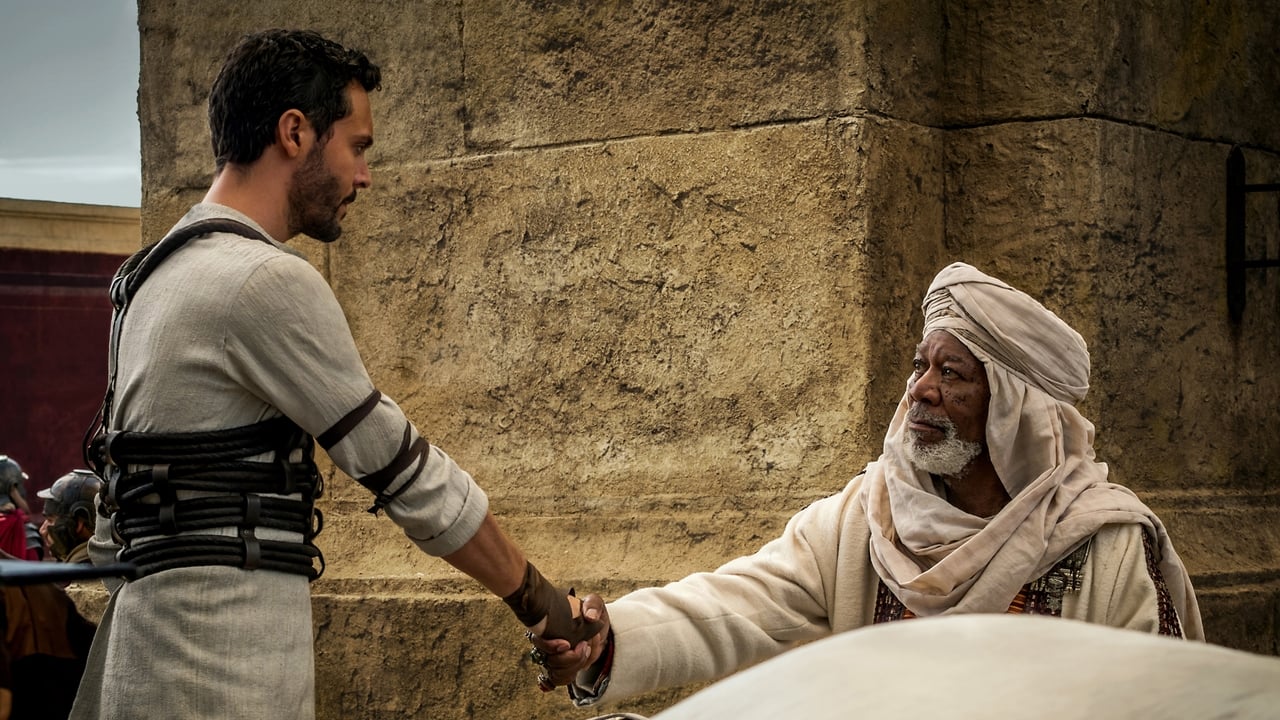
Then there is Morgan Freeman. He plays Sheik Ilderim, the man who mentors Judah and enters him into the races. Freeman is, as always, a comforting presence, but his dreadlocks look like they were stolen from a secondary character in a direct-to-video Pirates of the Caribbean knockoff. It is one of those distracting hair-and-makeup choices that pulls you right out of the first century and into a Hollywood trailer. He spends most of the movie delivering gravitas-heavy narration that feels like it was recorded in a different room than the rest of the cast.
Why It Vanished
Why did this movie disappear so quickly from the cultural conversation? It’s a fascinating case study in "franchise fatigue" and the disconnect between studio expectations and audience desires. Released during a summer crowded with superheroes and animated sequels, Ben-Hur was marketed as both a faith-based drama and a high-octane action blockbuster. By trying to be both, it ended up appealing to neither. It was the cinematic equivalent of a New Era cap worn with a toga—an awkward blend of ancient history and modern "cool."
There’s a certain tragedy to its obscurity. Behind the scenes, the effort was genuine. The screenplay by John Ridley (who wrote 12 Years a Slave) tries to inject some real pathos into the "brother against brother" dynamic, and Ayelet Zurer brings a much-needed emotional anchor as Judah’s mother. But the film suffers from the "reboot curse": it doesn't have a unique reason to exist. In an era where audiences are increasingly skeptical of remakes, you have to offer more than just "the same story but faster."
Ultimately, Ben-Hur (2016) is a well-intentioned misfire that serves as a time capsule for a specific moment in Hollywood history. It’s the product of a time when studios believed CGI and a faster pace could replace the sweeping, slow-burn tension of traditional epics. If you find it on a streaming service on a rainy Sunday, the chariot race is worth a look for the technical audacity alone. Just don’t expect it to stay with you much longer than it takes for the credits to roll.
Keep Exploring...
-
Risen
2016
-

In the Heart of the Sea
2015
-
The Finest Hours
2016
-

The Huntsman: Winter's War
2016
-
The Messenger: The Story of Joan of Arc
1999
-
Last Knights
2015
-
The 33
2015
-

The Lego Ninjago Movie
2017
-
Justice League vs. Teen Titans
2016
-

1492: Conquest of Paradise
1992
-
Pompeii
2014
-
Barely Lethal
2015
-
Batman: The Killing Joke
2016
-
Gold
2016
-
The Do-Over
2016
-
All Eyez on Me
2017
-
A-X-L
2018
-
Extinction
2018
-
Kin
2018
-
The Current War
2018